 Preview
 Send
Send Share
Share
 Details

 Download
 Similars
 X-Ray
X-Ray Diaporama
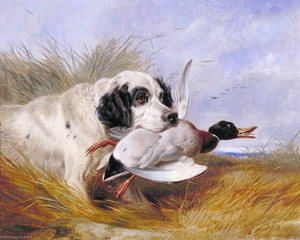
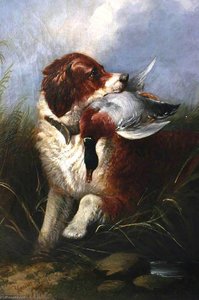
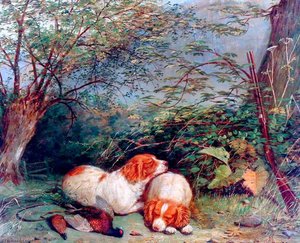
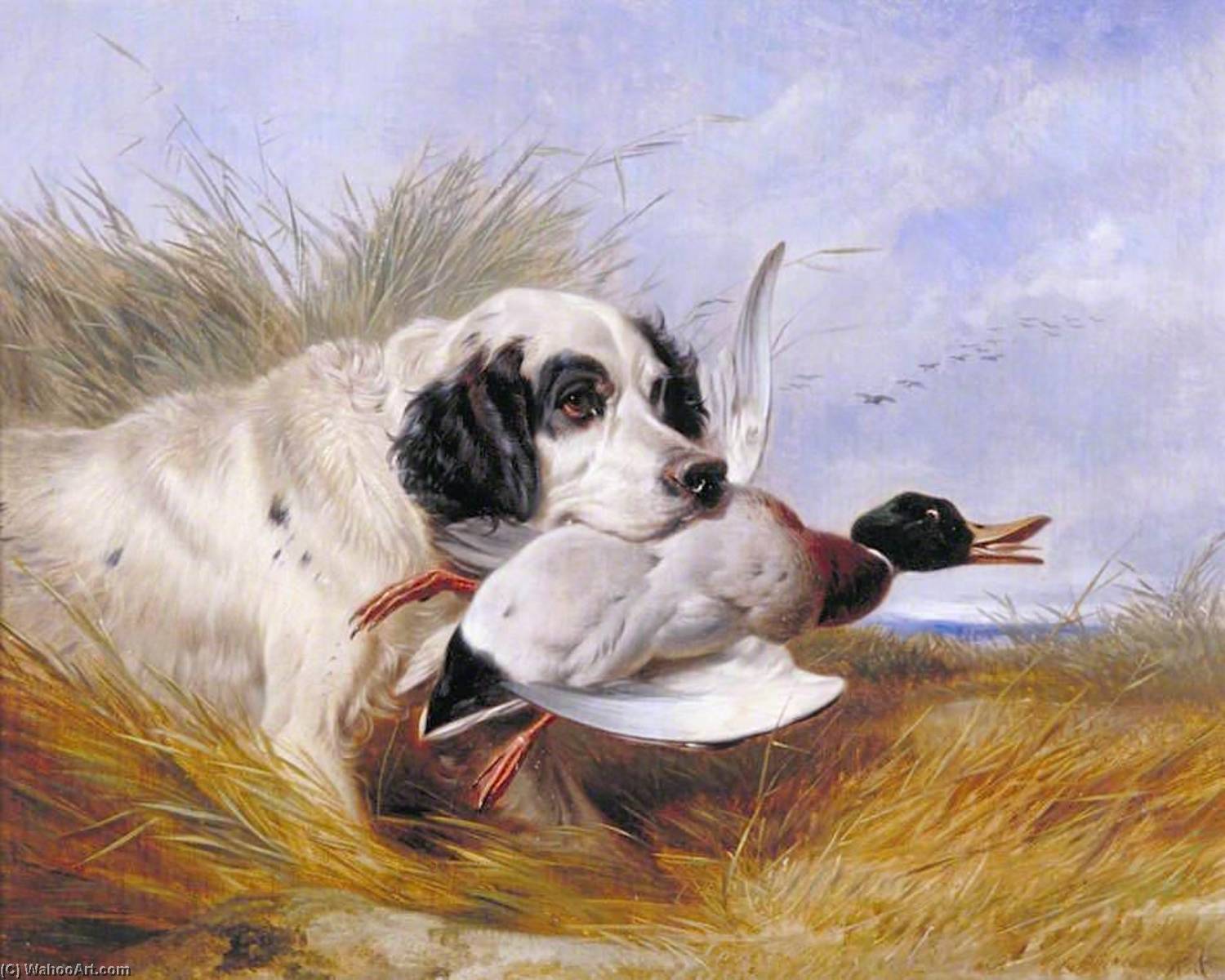
Dog with a Wild Duck
 Oil On Canvas
- WallArt
- Victorian Realism
 38.0 x 46.0 cm
 Guildhall Art Gallery
 Read More
Hand Made Oil Reproduction
Hand-painted oil on canvas in your size and frame, made to order by our artists. ( Buy Print Buy Image)




P118B $10

P118H $10

P118W $10

P438Z $10

P508JH $12

P508YH $12

P805H $10

P805Z $10

P919BZ $10

P919G $10

P919XJ $10

P959ZH $10

P968JZ $12

W106C $8

W218G $10

W218JH $8

W218Y $10

W307PJ $10

W316G $10

W316PJ $8

W316Y $10

W398PJ $8

W4111J $10

W500HY $15

W500JH $15

W692G $12

W849H $8

W940BG $15

W953PJ $8




Pick from our preset sizes that match the artwork's original proportions.

You may enter your own dimensions to fit a specific frame or space. If your selected size does not match the original image's proportions, we will either crop the artwork or extend the painting with additional hand-painted elements. A digital mockup will be sent for your approval before production begins.
Please note that the on-screen preview does not reflect the actual cropping or extension. Only the mockup will accurately show the final composition.
While custom sizes are available, we recommend selecting a dimension from the predefined list to preserve the original proportions.
After order, ArtsDot.com team will email client for instructions and provide a mockup preview
Worldwide Delivery () in 3/4 weeks instead of standard 5 weeks. (16 August). No compromise on quality.

Free Worldwide Express Shipping

High-Quality Linen Canvas

Full Shipping Insurance

Customs Tax Refund Guarantee

True Color Matching Guarantee

60-Day Return Policy (Defects Only)

100% Money-Back Guarantee

Bulk Discount Offer
 Glass option is only available in size under 110 CM

Dog with a Wild Duck
Reproduction Medium
Reproduction Size
-


Total Price
$ 263
Artwork Description
A Moment Frozen in Time: Richard Ansdell's "Dog with a Wild Duck"
Richard Ansdell’s “Dog with a Wild Duck,” painted during the Victorian era, is more than just a depiction of an animal encounter; it’s a poignant study of instinct, power, and the delicate balance between predator and prey. The painting captures a fleeting moment—a large dog, likely a Dalmatian or similar breed known for its strength and agility, firmly holds a wild duck in its mouth. It's not a scene of aggression, but rather one of raw, natural energy, frozen on canvas with remarkable detail. Ansdell’s mastery lies in his ability to convey the tension inherent in this interaction—the dog’s focused gaze, the duck’s desperate struggle, and the surrounding environment that witnesses this primal dance. The background is alive with other birds, some taking flight, others perched amongst branches, adding depth and a sense of bustling wildlife activity to the scene. This isn't merely about a dog and a duck; it's about the broader ecosystem and the interconnectedness of life itself.Victorian Naturalism and Artistic Technique
Ansdell was a leading figure in Victorian naturalism, an artistic movement that emphasized realistic depictions of nature and everyday life. Unlike some of his contemporaries who romanticized landscapes or focused on grand historical narratives, Ansdell chose to portray the often-overlooked beauty of rural scenes and animal behavior. His technique reflects this dedication to realism. He employed oil paints with meticulous precision, layering colors to create a rich texture and capturing the subtle nuances of fur, feathers, and light. Observe how he renders the dog’s coat—the individual hairs are almost palpable, conveying both its strength and softness. Similarly, the duck's plumage is rendered with remarkable detail, highlighting its iridescent sheen and the frantic movement of its wings. Ansdell’s skill in capturing anatomical accuracy combined with his artistic license to create a scene that feels both authentic and emotionally resonant. He often collaborated with landscape artists like Thomas Creswick, allowing him to seamlessly integrate his animal subjects into beautifully rendered natural settings—a testament to his understanding of composition and the importance of context.Symbolism and Victorian Values
Beyond its aesthetic appeal, “Dog with a Wild Duck” carries symbolic weight within the context of Victorian society. The dog, often associated with loyalty, domesticity, and even nobility, represents human control over nature. Its firm grip on the wild duck—a symbol of freedom and untamed wilderness—can be interpreted as a reflection of Victorian ideals regarding progress, industry, and the subjugation of the natural world for human benefit. However, Ansdell’s portrayal avoids overt moralizing; instead, he presents a neutral observation of a natural occurrence. The painting doesn't judge the dog or the duck but rather invites viewers to contemplate the complex relationship between humans and the environment. This ambiguity is part of what makes the work so compelling—it allows for multiple interpretations and encourages deeper reflection on our place within the larger world.An Enduring Emotional Impact
Even today, “Dog with a Wild Duck” evokes a powerful emotional response. The painting’s inherent drama – the tension between predator and prey – is captivating. There's a sense of immediacy, as if we are witnessing this scene unfold before our very eyes. Ansdell masterfully captures not just the physical appearance of his subjects but also their essence—the dog’s focused determination, the duck’s desperate struggle for survival. This ability to convey emotion through realistic depiction is what elevates Ansdell's work beyond mere representation and transforms it into a timeless piece of art that continues to resonate with audiences across generations. The painting serves as a reminder of the raw beauty and inherent drama found within the natural world, skillfully captured by one of Victorian England’s most talented animal painters.Related Artworks
Artist Biography
A Life Etched in Rural Detail: The World of Richard Ansdell
Richard Ansdell, a name synonymous with Victorian depictions of animal life and sporting scenes, emerged from humble beginnings to become one of Britain’s most popular artists. Born in Liverpool in 1815, his early life was marked by hardship; the death of his father led him to the care of the Liverpool Blue Coat School for orphans. Yet, even amidst these challenges, a talent for art blossomed, nurtured first through studies with W.C. Smith, a local portrait painter, and later honed during a period as a sign painter in the Netherlands – an experience that broadened his artistic horizons and exposed him to diverse subject matter. This formative period instilled in Ansdell not only technical skill but also a keen observational eye, qualities that would define his future work. He quickly established himself within the Liverpool art scene, exhibiting at the Liverpool Academy from 1835 and becoming a student there the following year, laying the foundation for a prolific career.Rising Popularity and Artistic Collaborations
Ansdell’s rise to prominence was swift. His ability to capture the essence of rural life – the energy of a hunt, the quiet dignity of livestock, the dramatic tension of a wild animal encounter – resonated deeply with Victorian audiences. He first exhibited at the Royal Academy in London in 1840 with “Grouse Shooting” and “A Galloway Farm,” marking the beginning of an annual presence that would continue until his death in 1885, totaling an impressive 149 canvases. This consistent output speaks to both his dedication and the sustained demand for his work. However, Ansdell was not one to work in isolation. He frequently sought collaboration with other artists, recognizing the strengths each could bring to a composition. His partnership with Thomas Creswick, a master of landscape painting, proved particularly fruitful, allowing Ansdell to seamlessly integrate meticulously rendered animals into evocative natural settings. Collaborations with William Powell Frith and John Phillip further enriched his artistic repertoire; notably, his travels in Spain with Phillip in 1856 and 1857 resulted in a series of captivating Spanish subjects that showcased a different facet of his talent. These collaborations weren’t merely practical arrangements but opportunities for cross-pollination of ideas and techniques, elevating the quality of work produced by all involved.Recognition and Artistic Style
Throughout his career, Ansdell garnered significant recognition for his artistic achievements. He received a gold medal at the Paris Exhibition in 1855 for “The Wolf Slayer” and “Taming the Drove,” solidifying his international reputation. Further accolades included three prestigious Heywood medals from the Manchester Royal Institution. This acclaim culminated in his election as an Associate of the Royal Academy (ARA) in 1861, followed by full membership as a Royal Academician (RA) in 1870 – milestones that affirmed his standing within the British art establishment. While immensely popular with the public, Ansdell’s work occasionally drew criticism from some quarters. Compared to Edwin Landseer, another prominent animal painter of the era, some critics found Ansdell's paintings lacking a certain emotional depth. Nevertheless, his style was characterized by meticulous detail, realistic representation, and a masterful understanding of anatomy and movement. He possessed an exceptional ability to convey texture – the rough coat of a stag, the sleek hide of a horse, the soft wool of a sheep – bringing his subjects vividly to life on canvas.Legacy and Enduring Appeal
Richard Ansdell died in 1885, leaving behind a substantial body of work that continues to captivate audiences today. His paintings offer a fascinating glimpse into Victorian society, reflecting the era’s fascination with rural pursuits, sporting activities, and the natural world. He is remembered not only as a skilled artist but also as a chronicler of his time. Uniquely, Ansdell's legacy extends beyond the art world; he is one of the few artists to have an area named in his honor – Ansdell, in Lytham St Annes – a testament to his local significance and enduring popularity. His works are held in major collections across the UK, including Liverpool’s Walker Art Gallery and the Lytham St Annes Art Collection, ensuring their accessibility for future generations. Recent valuations, such as the £15,000-£20,000 estimate placed on a Friesian cow painting featured on BBC One’s Antiques Roadshow, demonstrate continued interest in his work and its enduring value. The Hunted Slaves, with its powerful anti-slavery message, remains particularly poignant, showcasing Ansdell's ability to engage with important social issues through his art. Ultimately, Richard Ansdell’s legacy lies in his detailed and engaging depictions of Victorian life, a world brought vividly to life through his masterful brushstrokes and unwavering dedication to capturing the beauty and drama of the natural world.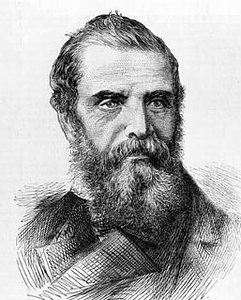
Richard Ansdell
1815 - 1885 , United Kingdom
Quick Facts
- Artistic Movement Or Style: Victorian art
- Date Of Birth: 1815
- Date Of Death: 1885
- Full Name: Richard Ansdell
- Nationality: British
- Notable Artworks:
- Stag at Bay
- The Combat
- Hunted Slaves
- Place Of Birth: Liverpool, UK
Related Articles
Animalia: Exploring the Enduring Presence of Animals in Art & Interior Design
Explore the rich history of animal symbolism in art, from ancient mythology to modern masterpieces. Discover how animals have inspired artists for centuries and learn how to incorporate these powerful motifs into your home décor.
Beastly Brushstrokes: A Historical Journey Through Animal Painting & Aesthetic Movements
Explore the rich history of animal painting across cultures & movements. Discover iconic artists, symbolism, collecting trends & expert art consultation at ArtsDot.com.

Level Up Your Art: Transform Personal Photos into High-Octane Action Anime Masterpieces with AI-Driven Oil Painting
Transform your favorite photos into high-octane action anime masterpieces. Using proprietary AI and master artists, we turn digital memories into hand-painted oil on canvas legacies. Experience the perfect fusion of pop culture energy and timeless fine artistry at ArtsDot.com.
Frederick Richard Lee: Capturing Victorian Domestic Life on Canvas
Explore the captivating Victorian genre paintings of Frederick Richard Lee. Discover his life, style, influences & legacy. Expert insights for collectors and art enthusiasts at ArtsDot.
Sir Edwin Landseer: Sentiment, Society & the Victorian Animalier Tradition
Explore the life & art of Sir Edwin Landseer, Victorian Britain's foremost animal painter. Discover his iconic works, societal impact, and collecting guide at ArtsDot.