 Preview
 Send
Send Share
Share
 Details

 Download
 Similars
 X-Ray
X-Ray Diaporama
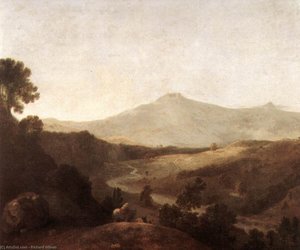
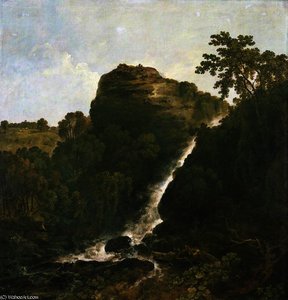
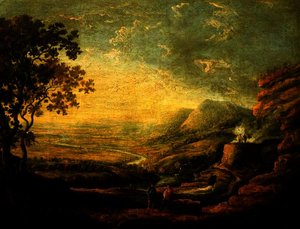
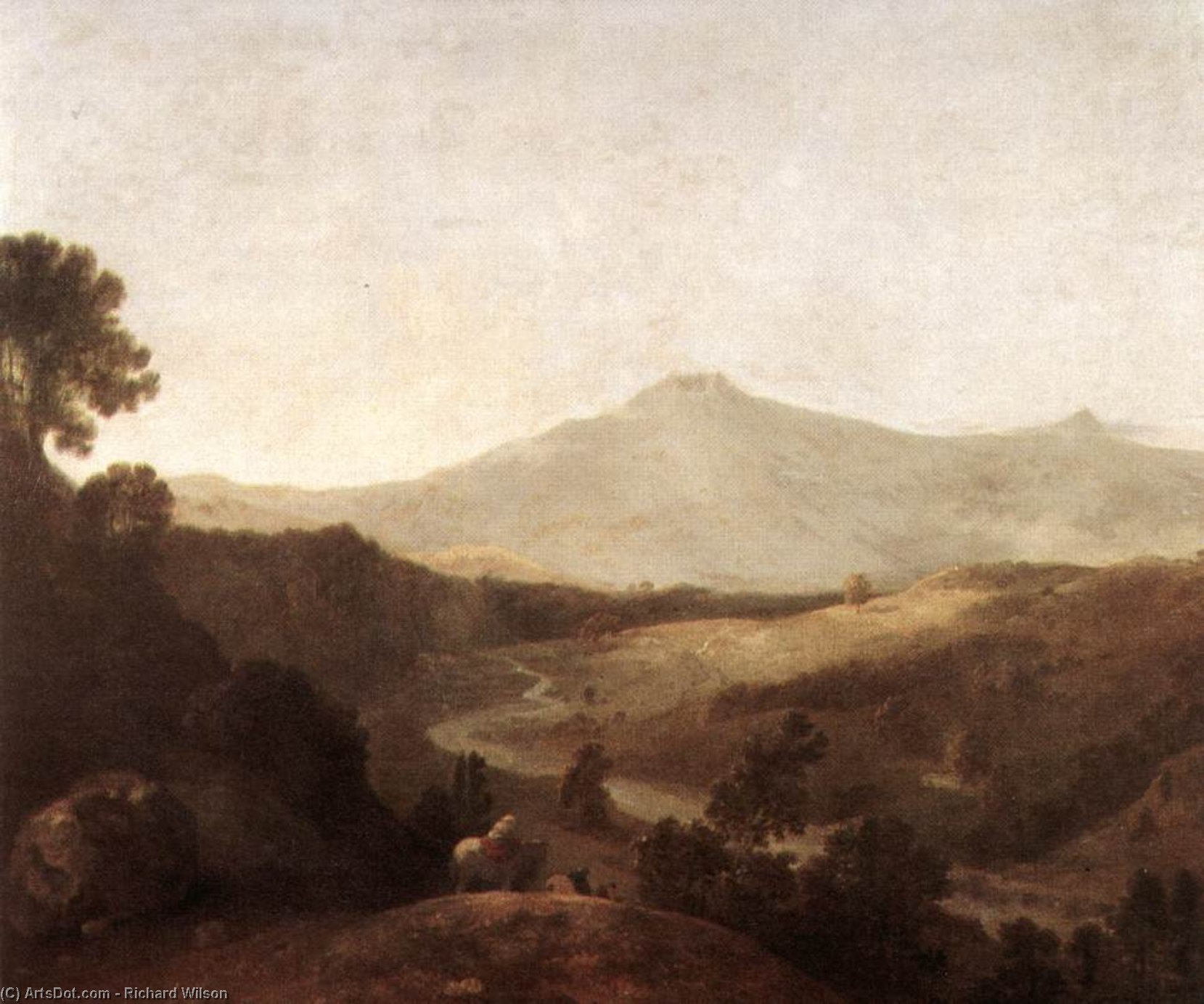
The Mawddach Valley and Cader Idris
 Acrylic On Canvas
- WallArt
- British Landscape Painting
 1774
1774 102.0 x 107.0 cm
 Walker Art Gallery
 Read More
Hand Made Oil Reproduction
Hand-painted oil on canvas in your size and frame, made to order by our artists. ( Buy Print Buy Image)




P118B $10

P118H $10

P118W $10

P438Z $10

P508JH $12

P508YH $12

P805H $10

P805Z $10

P919BZ $10

P919G $10

P919XJ $10

P959ZH $10

P968JZ $12

W106C $8

W218G $10

W218JH $8

W218Y $10

W307PJ $10

W316G $10

W316PJ $8

W316Y $10

W398PJ $8

W4111J $10

W500HY $15

W500JH $15

W692G $12

W849H $8

W940BG $15

W953PJ $8




Pick from our preset sizes that match the artwork's original proportions.

You may enter your own dimensions to fit a specific frame or space. If your selected size does not match the original image's proportions, we will either crop the artwork or extend the painting with additional hand-painted elements. A digital mockup will be sent for your approval before production begins.
Please note that the on-screen preview does not reflect the actual cropping or extension. Only the mockup will accurately show the final composition.
While custom sizes are available, we recommend selecting a dimension from the predefined list to preserve the original proportions.
After order, ArtsDot.com team will email client for instructions and provide a mockup preview
Worldwide Delivery () in 3/4 weeks instead of standard 5 weeks. (17 August). No compromise on quality.

Free Worldwide Express Shipping

High-Quality Linen Canvas

Full Shipping Insurance

Customs Tax Refund Guarantee

True Color Matching Guarantee

60-Day Return Policy (Defects Only)

100% Money-Back Guarantee

Bulk Discount Offer
 Glass option is only available in size under 110 CM

The Mawddach Valley and Cader Idris
Reproduction Medium
Reproduction Size
-


Total Price
$ 263
Artwork Description
The Majesty of Cader Idris: Richard Wilson’s Vision of Welsh Wilderness
Richard Wilson's “The Mawddach Valley and Cader Idris” isn’t merely a landscape painting; it’s a profound meditation on the relationship between humanity and the untamed heart of Wales. Completed in 1774, this remarkable work captures not just the physical grandeur of the Snowdonia National Park but also an atmosphere of serene contemplation – a feeling that resonates powerfully even today. Wilson, a pivotal figure in establishing landscape painting as a respected genre within British art, moved away from the prevailing portraiture style of his time to embrace the evocative power of nature, influenced by the Italian masters and the burgeoning Romantic movement.
The scene unfolds with breathtaking clarity: the imposing bulk of Cader Idris dominates the background, its jagged peaks piercing a dramatic, cloud-strewn sky. Below, the Mawddach Valley snakes through the landscape, reflecting the light in shimmering ribbons. The foreground is populated by a small herd of sheep grazing peacefully on a hillside, adding a touch of domesticity to this otherwise wild vista. Noticeably absent are any figures – no shepherds, no travelers, only the quiet presence of nature itself. This deliberate absence invites the viewer to become an active participant in the scene, projecting their own emotions and experiences onto the landscape.
A Masterclass in Rococo Technique
Wilson’s skill lies not just in his depiction of the scenery but also in his masterful use of technique. Executed in oil on canvas, the painting demonstrates a remarkable command of color and light. He employs a subtle, almost pastel palette – predominantly blues, greens, and greys – to create a sense of atmospheric depth. The brushstrokes are delicate yet confident, building up layers of paint to achieve a luminous quality. The artist’s attention to detail is evident in the rendering of the rocks, the foliage, and even the individual sheep, each rendered with meticulous precision.
Wilson's approach aligns closely with the Rococo style, particularly in his use of light and shadow to create mood and atmosphere. However, unlike the frivolous ornamentation often associated with Rococo, Wilson’s work possesses a quiet dignity and seriousness. He was deeply influenced by the Italian landscape painters of the 17th century, notably Poussin and Claude Lorrain, who emphasized the spiritual significance of nature. The composition itself is carefully balanced, drawing the eye upwards towards the majestic Cader Idris while simultaneously grounding it in the peaceful valley below.
Symbolism and the Romantic Spirit
Beyond its technical brilliance, “The Mawddach Valley and Cader Idris” is rich in symbolic meaning. Cader Idris, a mountain steeped in Welsh mythology and folklore, represents both strength and mystery – a formidable natural force that commands respect. The sheep, symbols of innocence and simplicity, suggest a harmonious relationship between humanity and the land. The painting can be interpreted as an ode to the beauty and tranquility of the Welsh countryside, a celebration of the restorative power of nature.
Furthermore, the work anticipates the Romantic movement’s emphasis on emotion, imagination, and the sublime. Wilson captures not just the outward appearance of the landscape but also its emotional resonance – the feeling of awe and wonder that one experiences when confronted with the grandeur of nature. It's a scene designed to evoke contemplation and a sense of connection to something larger than oneself.
Bringing the Vision Home: A High-Quality Reproduction
A reproduction of “The Mawddach Valley and Cader Idris” offers a remarkable opportunity to bring this iconic Welsh landscape into your home or office. ArtsDot’s meticulous hand-painted reproductions faithfully capture the original's luminous quality, color palette, and atmospheric depth. Available in a generous 102 x 107 cm size, this artwork will serve as a stunning focal point in any room, transporting you to the serene beauty of the Mawddach Valley and Cader Idris. Consider it not just a painting, but a window into the heart of Wales – a testament to Richard Wilson’s artistic vision and the enduring power of nature.
Related Artworks
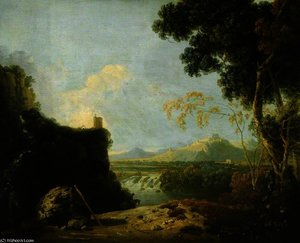
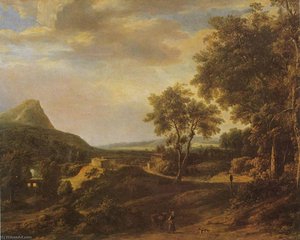
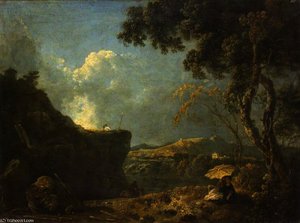
Artist Biography
Richard Wilson: A Pioneer of British Landscape Painting
Early Life and Training
Richard Wilson was born on July 24, 1713, in Islington, United Kingdom. Details regarding his early life remain scarce, but it is believed he received foundational artistic training. Wilson’s initial skills were likely developed through self-study and observation, as well as potentially from other artists of the time. His work demonstrates a strong grasp of classical techniques, suggesting a deliberate effort to master fundamental principles.
Artistic Career & Development
Wilson’s artistic journey unfolded in two distinct phases. He began his career as a portrait painter, but gradually transitioned towards landscape painting – the genre for which he is now celebrated. This shift marked a pivotal moment in British art history. His landscapes were not merely depictions of scenery; they were carefully constructed compositions imbued with atmosphere and emotion.
- Early Influences: Initially, Wilson’s portraits showed the influence of established artists like Godfrey Kneller.
- Transition to Landscape: His travels in Italy (around 1752) proved transformative. Exposure to Italianate landscapes and the works of Claude Lorrain profoundly impacted his style.
- Mature Style: Wilson developed a uniquely British approach to landscape, blending classical ideals with the specific qualities of the English countryside.
Influences & Artistic Style
The most significant influence on Richard Wilson was Thomas Gainsborough. He admired Gainsborough’s ability to capture light and atmosphere, and incorporated similar techniques into his own work. However, Wilson distinguished himself through a more deliberate compositional structure and a greater emphasis on idealized beauty.
- Classical Composition: Wilson often employed classical principles of balance and harmony in his landscapes.
- Atmospheric Perspective: He skillfully used atmospheric perspective to create a sense of depth and distance.
- Golden Light: His paintings are characterized by a warm, golden light that evokes a feeling of tranquility.
Notable Works & Achievements
Several works exemplify Wilson’s mastery.
- Meleager and Atalanta (c. 1743): This painting showcases his skill in capturing the essence of the British countryside.
- The Hengö Watch (1756-57): A masterpiece demonstrating Wilson’s ability to balance light, color and composition.
- Numerous other landscapes: He produced a substantial body of work depicting various locations throughout Britain and Italy.
Historical Significance & Legacy
Richard Wilson is considered a pivotal figure in the development of British landscape painting. He paved the way for future generations of artists, including Francis Cotes, by demonstrating the artistic potential of the British countryside. His emphasis on capturing the beauty and tranquility of nature helped to establish a distinctively British tradition of landscape art.
- Breaking from Portraiture: Wilson’s focus on landscape challenged the prevailing dominance of portraiture in British art.
- National Identity: His paintings contributed to a growing sense of national identity and pride in the beauty of the British Isles.
- Lasting Influence: Wilson’s work continues to inspire artists and art lovers today, solidifying his place as a key figure in art history.
Museum Collections
Wilson's works can be found in prominent museums including:
- Tate Britain, London, United Kingdom
- Walker Art Gallery, Liverpool, United Kingdom
- National Museum of Wales, Cardiff, United Kingdom
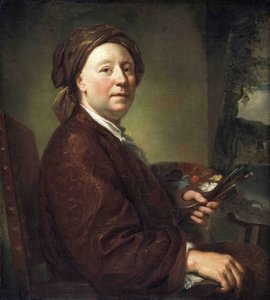
richard wilson
1713 - 1782 , United Kingdom
Quick Facts
- Birth_Date: July 24, 1713
- Birth_Place: Islington, United Kingdom
- Death_Date: 1782
- Influenced: ['Francis Cotes']
- Influenced_By: Thomas Gainsborough
- Movement: British Landscape Painting
- Name: Richard Wilson
- Nationality: British
- Notable_Works:
- Meleager and Atalanta
- The Hengö Watch
Related Articles

Richard Wilson: Deconstructing Landscape & Memory in Contemporary Installation Art
Explore Richard Wilson's groundbreaking landscape paintings & his enduring influence on contemporary installation art. Discover investment opportunities, provenance insights & the materiality of memory in this expert analysis.

Beyond the Horizon: 10 Landscape Masterpieces for Your Home Decor
Journey through 10 breathtaking landscape paintings by Monet, Van Gogh & more! Explore iconic artworks, artistic techniques & find inspiration for your home decor. Museum-quality reproductions at ArtsDot.com. Discover all masterpieces on ArtsDot.com
William Trost Richards: Luminism, Spirituality & the American Landscape Tradition
Explore the captivating landscapes of William Trost Richards, a master of Luminism associated with both the Hudson River School & American Pre-Raphaelite movements. Discover his spiritual connection to nature and lasting influence on American art.

Romantic Landscapes: 10 Masterpieces for Your Home | ArtsDot
Journey through 10 Romantic landscape masterpieces by Friedrich, Turner & Cole. Explore emotional art, sublime nature scenes & iconic 19th-century paintings. Find museum-quality reproductions for your home at ArtsDot.com – discover the full collection online!

Evocations of Place: A Historical Journey Through Landscape Art
Explore the rich history of landscape art with ArtsDot. Discover renowned artists, movements like Impressionism & Romanticism, and expert guidance for collecting timeless pieces. Find your perfect serene escape today!