 Preview
 Send
Send Share
Share
 Details

 Download
 Similars
 X-Ray
X-Ray Diaporama
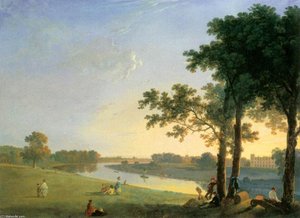
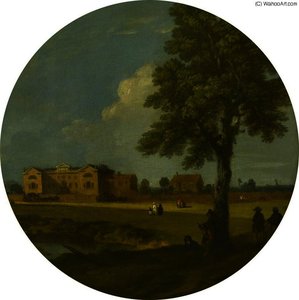
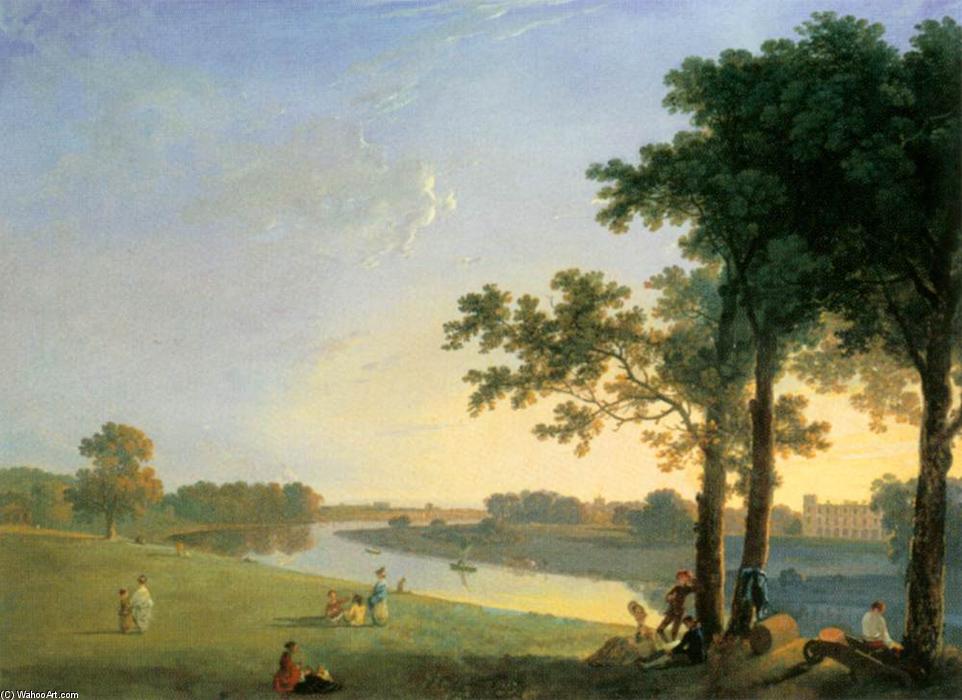
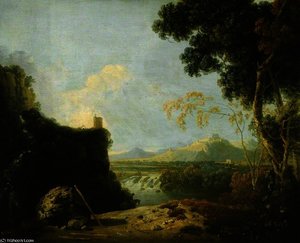
View of Syon House across the Thames near Kew Gardens
 Oil
Oil- WallArt
- Landscape Painting
 1760
1760- Early Modern
 104.0 x 139.0 cm
 Neue Pinakothek
 Read More
Hand Made Oil Reproduction
Hand-painted oil on canvas in your size and frame, made to order by our artists. ( Buy Print Buy Image)




P118B $10

P118H $10

P118W $10

P438Z $10

P508JH $12

P508YH $12

P805H $10

P805Z $10

P919BZ $10

P919G $10

P919XJ $10

P959ZH $10

P968JZ $12

W106C $8

W218G $10

W218JH $8

W218Y $10

W307PJ $10

W316G $10

W316PJ $8

W316Y $10

W398PJ $8

W4111J $10

W500HY $15

W500JH $15

W692G $12

W849H $8

W940BG $15

W953PJ $8




Pick from our preset sizes that match the artwork's original proportions.

You may enter your own dimensions to fit a specific frame or space. If your selected size does not match the original image's proportions, we will either crop the artwork or extend the painting with additional hand-painted elements. A digital mockup will be sent for your approval before production begins.
Please note that the on-screen preview does not reflect the actual cropping or extension. Only the mockup will accurately show the final composition.
While custom sizes are available, we recommend selecting a dimension from the predefined list to preserve the original proportions.
After order, ArtsDot.com team will email client for instructions and provide a mockup preview
Worldwide Delivery () in 3/4 weeks instead of standard 5 weeks. (6 September). No compromise on quality.

Free Worldwide Express Shipping

High-Quality Linen Canvas

Full Shipping Insurance

Customs Tax Refund Guarantee

True Color Matching Guarantee

100-Day Return Policy (Defects Only)

100% Money-Back Guarantee

Bulk Discount Offer
 Glass option is only available in size under 110 CM

View of Syon House across the Thames near Kew Gardens
Reproduction Medium
Reproduction Size
-


Total Price
$ 263
A Serene Afternoon on the Thames
In this exquisite landscape from 1760, Richard Wilson invites the viewer to step into a moment of pure, pastoral tranquility. The painting captures a breathtaking view of Syon House as it sits majestically across the Thames near Kew Gardens, offering much more than a mere topographical record. It is an atmospheric window into the English countryside during the mid-1embteenth century, where the gentle flow of the river meets the vibrant life of a sun-drenched park. As your eyes wander through the composition, you encounter a lively tapestry of human connection: figures scattered amongst the verdant trees, travelers resting upon weathered rocks, and the rhythmic presence of boats gliding across the water. The inclusion of a solitary horse adds a touch of rustic charm, grounding the scene in a sense of timeless, idyllic peace.
Wilson, often revered as the pioneer of British landscape painting, employs a masterful technique that breathes life into the canvas. His ability to manipulate light and shadow creates a palpable sense of warmth, suggesting a day where the sun sits high, casting soft glows upon the ripples of the Thames. The brushwork, while precise enough to define the architectural grandeur of Syon House, possesses a fluid grace that captures the movement of the breeze through the foliage and the gentle currents of the river. For the discerning collector or interior designer, this piece offers a sophisticated interplay of light and texture, making it an ideal centerpiece for spaces that require a sense of calm, elegance, and historical depth.
The Art of Atmosphere and Legacy
Beyond its visual beauty, the painting serves as a profound study in the transition of British art. Moving away from his early roots in portraiture, Wilson utilized landscape to explore deeper emotional resonances, imbuing his scenes with a classical dignity. The composition functions as a harmonious balance between man-made grandeur and the untamed beauty of nature. There is a subtle symbolism in the way the figures interact with their environment; they are not merely spectators but integral parts of a balanced ecosystem, reflecting an Enlightenment-era ideal of harmony between civilization and the natural world.
For those looking to adorn a home or gallery with a high-quality reproduction, this work provides an unparalleled opportunity to evoke the romanticism of the 18th century. The painting’s palette—rich with earthy greens, soft blues, and golden light—complements a wide variety of interior aesthetics, from traditional manor-style decor to contemporary minimalist settings. Owning a piece that captures such a legendary moment in art history allows one to bring the enduring spirit of the English landscape into the modern era, offering a constant source of inspiration and a quiet retreat for the soul.
Related Artworks
Artist Biography
Richard Wilson: A Pioneer of British Landscape Painting
Early Life and Training
Richard Wilson was born on July 24, 1713, in Islington, United Kingdom. Details regarding his early life remain scarce, but it is believed he received foundational artistic training. Wilson’s initial skills were likely developed through self-study and observation, as well as potentially from other artists of the time. His work demonstrates a strong grasp of classical techniques, suggesting a deliberate effort to master fundamental principles.
Artistic Career & Development
Wilson’s artistic journey unfolded in two distinct phases. He began his career as a portrait painter, but gradually transitioned towards landscape painting – the genre for which he is now celebrated. This shift marked a pivotal moment in British art history. His landscapes were not merely depictions of scenery; they were carefully constructed compositions imbued with atmosphere and emotion.
- Early Influences: Initially, Wilson’s portraits showed the influence of established artists like Godfrey Kneller.
- Transition to Landscape: His travels in Italy (around 1752) proved transformative. Exposure to Italianate landscapes and the works of Claude Lorrain profoundly impacted his style.
- Mature Style: Wilson developed a uniquely British approach to landscape, blending classical ideals with the specific qualities of the English countryside.
Influences & Artistic Style
The most significant influence on Richard Wilson was Thomas Gainsborough. He admired Gainsborough’s ability to capture light and atmosphere, and incorporated similar techniques into his own work. However, Wilson distinguished himself through a more deliberate compositional structure and a greater emphasis on idealized beauty.
- Classical Composition: Wilson often employed classical principles of balance and harmony in his landscapes.
- Atmospheric Perspective: He skillfully used atmospheric perspective to create a sense of depth and distance.
- Golden Light: His paintings are characterized by a warm, golden light that evokes a feeling of tranquility.
Notable Works & Achievements
Several works exemplify Wilson’s mastery.
- Meleager and Atalanta (c. 1743): This painting showcases his skill in capturing the essence of the British countryside.
- The Hengö Watch (1756-57): A masterpiece demonstrating Wilson’s ability to balance light, color and composition.
- Numerous other landscapes: He produced a substantial body of work depicting various locations throughout Britain and Italy.
Historical Significance & Legacy
Richard Wilson is considered a pivotal figure in the development of British landscape painting. He paved the way for future generations of artists, including Francis Cotes, by demonstrating the artistic potential of the British countryside. His emphasis on capturing the beauty and tranquility of nature helped to establish a distinctively British tradition of landscape art.
- Breaking from Portraiture: Wilson’s focus on landscape challenged the prevailing dominance of portraiture in British art.
- National Identity: His paintings contributed to a growing sense of national identity and pride in the beauty of the British Isles.
- Lasting Influence: Wilson’s work continues to inspire artists and art lovers today, solidifying his place as a key figure in art history.
Museum Collections
Wilson's works can be found in prominent museums including:
- Tate Britain, London, United Kingdom
- Walker Art Gallery, Liverpool, United Kingdom
- National Museum of Wales, Cardiff, United Kingdom
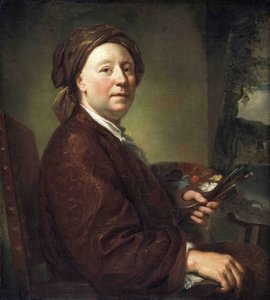
richard wilson
1713 - 1782 , United Kingdom
Quick Facts
- Birth_Date: July 24, 1713
- Birth_Place: Islington, United Kingdom
- Death_Date: 1782
- Influenced: ['Francis Cotes']
- Influenced_By: Thomas Gainsborough
- Movement: British Landscape Painting
- Name: Richard Wilson
- Nationality: British
- Notable_Works:
- Meleager and Atalanta
- The Hengö Watch
Related Articles

Richard Wilson: Deconstructing Landscape & Memory in Contemporary Installation Art
Explore Richard Wilson's groundbreaking landscape paintings & his enduring influence on contemporary installation art. Discover investment opportunities, provenance insights & the materiality of memory in this expert analysis.

John Constable's Masterpieces: Explore 25 Iconic Landscapes for Your Home
Journey through John Constable's 25 most celebrated landscapes. Explore Romanticism, Dedham Vale & his masterful use of light in iconic paintings like 'Hay Wain'. Find museum-quality art reproductions and elevate your home decor on ArtsDot.com.

Romantic Landscapes: 10 Masterpieces for Your Home | ArtsDot
Journey through 10 Romantic landscape masterpieces by Friedrich, Turner & Cole. Explore emotional art, sublime nature scenes & iconic 19th-century paintings. Find museum-quality reproductions for your home at ArtsDot.com – discover the full collection online!
William Trost Richards: Luminism, Spirituality & the American Landscape Tradition
Explore the captivating landscapes of William Trost Richards, a master of Luminism associated with both the Hudson River School & American Pre-Raphaelite movements. Discover his spiritual connection to nature and lasting influence on American art.

Evocations of Place: A Historical Journey Through Landscape Art
Explore the rich history of landscape art with ArtsDot. Discover renowned artists, movements like Impressionism & Romanticism, and expert guidance for collecting timeless pieces. Find your perfect serene escape today!