 Preview
 Send
Send Share
Share
 Details

 Download
 Similars
 X-Ray
X-Ray Diaporama
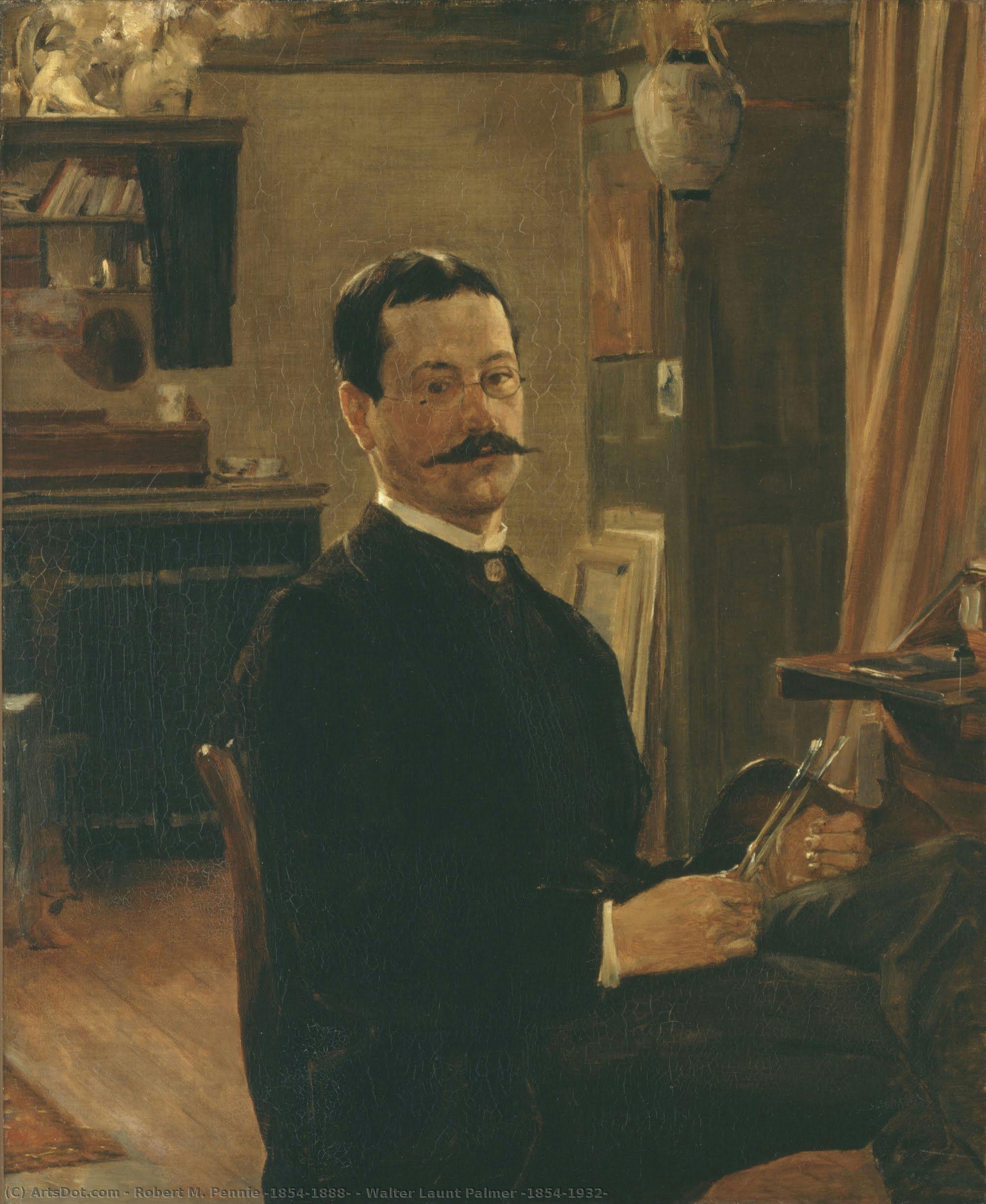
Walter Launt Palmer (1854-1932)


 Read More
Hand Made Oil Reproduction
Hand-painted oil on canvas in your size and frame, made to order by our artists. ( Buy Print Buy Image)




P118B $10

P118H $10

P118W $10

P438Z $10

P508JH $12

P508YH $12

P805H $10

P805Z $10

P919BZ $10

P919G $10

P919XJ $10

P959ZH $10

P968JZ $12

W106C $8

W218G $10

W218JH $8

W218Y $10

W307PJ $10

W316G $10

W316PJ $8

W316Y $10

W398PJ $8

W4111J $10

W500HY $15

W500JH $15

W692G $12

W849H $8

W940BG $15

W953PJ $8




Pick from our preset sizes that match the artwork's original proportions.

You may enter your own dimensions to fit a specific frame or space. If your selected size does not match the original image's proportions, we will either crop the artwork or extend the painting with additional hand-painted elements. A digital mockup will be sent for your approval before production begins.
Please note that the on-screen preview does not reflect the actual cropping or extension. Only the mockup will accurately show the final composition.
While custom sizes are available, we recommend selecting a dimension from the predefined list to preserve the original proportions.
After order, ArtsDot.com team will email client for instructions and provide a mockup preview
Worldwide Delivery () in 3/4 weeks instead of standard 5 weeks. (27 August). No compromise on quality.

Free Worldwide Express Shipping

High-Quality Linen Canvas

Full Shipping Insurance

Customs Tax Refund Guarantee

True Color Matching Guarantee

60-Day Return Policy (Defects Only)

100% Money-Back Guarantee

Bulk Discount Offer
 Glass option is only available in size under 110 CM

Walter Launt Palmer (1854-1932)
Reproduction Medium
Reproduction Size
-


Total Price
$ 263
Related Artworks


Artist Biography
John Martin: Architect of the Sublime
Born in 1789 amidst the burgeoning artistic landscape of Northumberland, England, John Martin’s life and career were defined by a singular vision – a world steeped in dramatic grandeur, religious intensity, and the unsettling beauty of the sublime. His journey from a humble apprenticeship to a celebrated, albeit controversial, figure reveals an artist profoundly shaped by his environment, his influences, and an unwavering commitment to expressing the emotional power of art. Martin’s legacy rests not just on his paintings but also on the profound impact he had on subsequent generations of Romantic artists, establishing a new visual language for depicting awe-inspiring landscapes and epic narratives.
Martin's early life was far from conventional. Born into a family with roots in fencing instruction, he began his training as a heraldic painter, destined for a predictable path within the established trades of Newcastle upon Tyne. However, a dispute over wages led to his apprenticeship being abruptly terminated and he found himself apprenticed instead to Boniface Musso, an Italian artist specializing in enamel work. This shift proved pivotal, exposing him to techniques and perspectives that would later inform his distinctive style. Crucially, Martin’s family background included a lineage of intellectuals – his brother William was a philosopher, Jonathan an infamous arsonist – suggesting a complex interplay of creative temperament and familial influences. His brothers' lives, marked by both brilliance and tragedy, undoubtedly contributed to the intensity and sometimes unsettling nature of Martin’s artistic output.
Moving to London in 1806, Martin initially supported himself through drawing lessons and commissions for watercolors. He diligently honed his skills, studying perspective and architecture – disciplines he believed essential to creating convincing depictions of vast landscapes and imposing structures. His early works, though modest, demonstrated a nascent talent for capturing dramatic lighting and atmospheric effects, foreshadowing the monumental scale and emotional depth that would characterize his later paintings. It was at the Royal Academy in 1810 that he first submitted a painting, though it remained unhung. However, this initial rejection spurred him on, leading to continued submissions and ultimately, recognition for his dramatic compositions.
The Rise of the Romantic Sublime
Martin’s breakthrough came with his large-scale paintings depicting biblical scenes and mythological narratives – works that epitomized the tenets of the Romantic movement. He eschewed the traditional, often static, representations of religious subjects, instead creating dynamic, almost apocalyptic visions filled with swirling clouds, crumbling ruins, and colossal figures. His most famous work, *Belshazzar’s Feast* (1819), exemplifies this approach, depicting the opulent banquet scene from the Book of Daniel as a terrifying spectacle of impending doom. The painting's dramatic lighting, chaotic composition, and sense of overwhelming scale were revolutionary for their time, capturing the essence of the Romantic sublime – an experience of awe mixed with terror, beauty intertwined with destruction.
Martin’s fascination with ruins played a crucial role in his artistic development. He meticulously studied ancient Roman architecture, incorporating crumbling temples, cyclopean walls, and desolate landscapes into his paintings. These ruined structures served as potent symbols of mortality, decay, and the insignificance of human ambition against the backdrop of eternity. His *The Great Day of His Wrath* (1823-24), a monumental depiction of the final judgment, is a prime example, showcasing a ravaged landscape dominated by colossal ruins beneath a stormy sky – a visual representation of divine retribution.
Technique and Influence
Martin’s artistic technique was characterized by its scale, dramatic lighting, and meticulous attention to detail. He employed a layered approach, building up his compositions through numerous glazes and washes, creating a sense of depth and atmosphere that was both captivating and unsettling. His use of chiaroscuro – the contrast between light and dark – heightened the drama of his scenes, emphasizing key figures and architectural elements while plunging the background into shadow. He also mastered the art of engraving, producing stunningly detailed prints from his paintings that further disseminated his vision to a wider audience.
Martin’s influence on subsequent generations of artists was immense. His emphasis on dramatic landscapes, epic narratives, and the exploration of emotional intensity paved the way for Romantic painters such as J.M.W. Turner and Caspar David Friedrich. Even critics like John Ruskin, initially dismissive of Martin's style, recognized his profound impact on the development of landscape painting. The popularity of his engravings, particularly *The Deluge* (1837), demonstrated a public appetite for images that evoked powerful emotions and transported viewers to realms beyond the everyday.
Later Years and Legacy
As he aged, Martin’s health declined, culminating in paralysis in 1853. He spent his final years on the Isle of Man, continuing to work on engravings and overseeing the completion of *The Plains of Heaven* (1850-52), a monumental depiction of the apocalypse. John Martin died in Douglas in 1854, leaving behind a body of work that continues to fascinate and inspire. His paintings remain powerful testaments to the Romantic spirit – expressions of awe, terror, and the enduring mystery of human existence. Today, his works are celebrated for their dramatic intensity, innovative composition, and profound exploration of the sublime, solidifying his place as one of the most important figures in British art history.
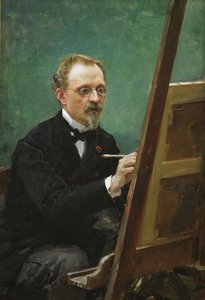
robert m. pennie (1854-1888)
1854 - 1888 , United States of America
Quick Facts
- Artistic Movement Or Style: Romanticism
- Artists Or Movements Influenced By This Artist: ['Thomas Lawrence']
- Artists Who Influenced This Artist: ['Boniface Musso']
- Date Of Birth: 19 July 1789
- Date Of Death: 17 February 1854
- Full Name: John Martin
- Nationality: English
- Notable Artworks:
- Belshazzar's Feast
- The Last Judgement
- Plains of Heaven
- Place Of Birth: Haydon Bridge, UK
Related Articles
Romantic Realism's Finest: 10 Masterpieces for Your Home | ArtsDot
Explore 10 defining masterpieces of Romantic Realism! Discover Courbet, Millet & Daumier's powerful paintings—capturing emotion and social realities. Find museum-quality reproductions for your home at ArtsDot.com.
The Poetic Truth of Observation: Exploring 19th-Century Realism in Painting
Explore the captivating world of 19th-century Realism! Discover key artists like Courbet & Millet, masterpieces, and the powerful social commentary behind this influential art movement. Expert insights at ArtsDot.

19th Century Masterpieces: 10 Paintings That Defined an Era | ArtsDot
Journey through 19th century art with ArtsDot! Explore 10 iconic paintings – from Monet & Renoir to Courbet – and discover the stories behind Romanticism, Realism & Impressionism. Find museum-quality reproductions for your home decor. Explore the full collection online!
The Evocative Embrace of Reality: Exploring Romantic Realism in 19th-Century Painting
Explore the captivating world of Romantic Realism! Discover key artists like Courbet & Millet, masterpieces, and the social context behind this influential art movement. Expert insights for collectors at ArtsDot.
The Enduring Legacy of 19th-Century Realism: A Reflection of Society & Artistic Innovation
Explore the captivating world of 19th-century Realism! Discover key artists, masterpieces & the social commentary behind this influential art movement. Expert insights at .