 Preview
 Send
Send Share
Share
 Details

 Download
 Similars
 X-Ray
X-Ray Diaporama
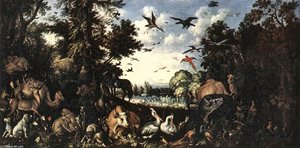
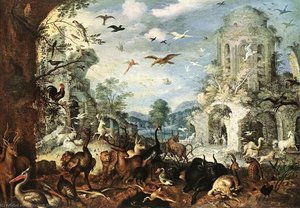
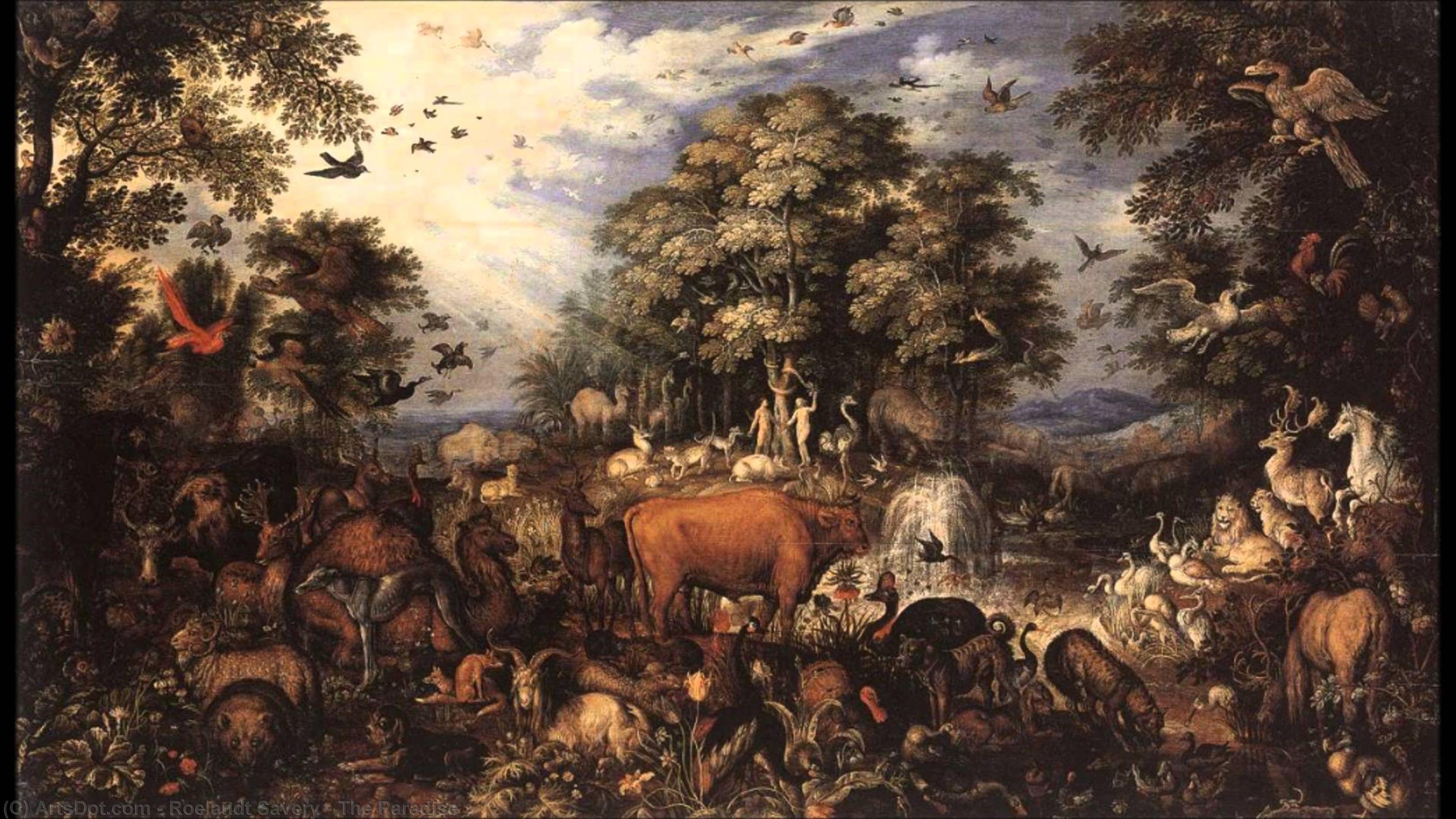
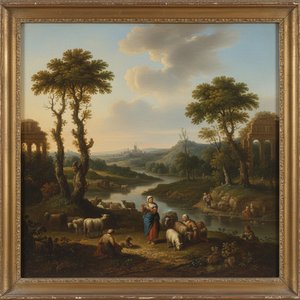
The Paradise
 Oil On Canvas
- WallArt
- Baroque Landscape
 1626
1626 80.0 x 137.0 cm
 Staatliche Museen
 Read More
Hand Made Oil Reproduction
Hand-painted oil on canvas in your size and frame, made to order by our artists. ( Buy Print Buy Image)




P118B $10

P118H $10

P118W $10

P438Z $10

P508JH $12

P508YH $12

P805H $10

P805Z $10

P919BZ $10

P919G $10

P919XJ $10

P959ZH $10

P968JZ $12

W106C $8

W218G $10

W218JH $8

W218Y $10

W307PJ $10

W316G $10

W316PJ $8

W316Y $10

W398PJ $8

W4111J $10

W500HY $15

W500JH $15

W692G $12

W849H $8

W940BG $15

W953PJ $8




Pick from our preset sizes that match the artwork's original proportions.

You may enter your own dimensions to fit a specific frame or space. If your selected size does not match the original image's proportions, we will either crop the artwork or extend the painting with additional hand-painted elements. A digital mockup will be sent for your approval before production begins.
Please note that the on-screen preview does not reflect the actual cropping or extension. Only the mockup will accurately show the final composition.
While custom sizes are available, we recommend selecting a dimension from the predefined list to preserve the original proportions.
After order, ArtsDot.com team will email client for instructions and provide a mockup preview
Worldwide Delivery () in 3/4 weeks instead of standard 5 weeks. (16 August). No compromise on quality.

Free Worldwide Express Shipping

High-Quality Linen Canvas

Full Shipping Insurance

Customs Tax Refund Guarantee

True Color Matching Guarantee

60-Day Return Policy (Defects Only)

100% Money-Back Guarantee

Bulk Discount Offer
 Glass option is only available in size under 110 CM

The Paradise
Reproduction Medium
Reproduction Size
-


Total Price
$ 263
Artwork Description
A Symphony of Nature’s Majesty: Exploring Roelandt Savery's “The Paradise”
Roelandt Savery’s “The Paradise,” completed in 1626, transcends mere landscape painting; it embodies a profound meditation on the beauty and interconnectedness of the natural world—a cornerstone achievement of Flemish Baroque artistry. Housed within the Staatliche Museen zu Berlin, this monumental oil on panel measures 80 x 137 cm and commands attention with its masterful execution and evocative atmosphere. More than just a visual spectacle, “The Paradise” speaks to themes of divine order and humanist contemplation prevalent during Rudolf II’s reign in Prague, reflecting the burgeoning interest in scientific observation alongside artistic grandeur.A Masterful Blend of Mannerism and Baroque Style
Savery's stylistic approach distinguishes him from his contemporaries. While firmly rooted in Mannerist traditions—characterized by stylized figures and attenuated forms—he seamlessly integrates Baroque techniques to elevate the painting’s expressive power. The influence of Hans Bol is palpable, particularly evident in the subtle chiaroscuro employed throughout the composition. Light plays a crucial role, sculpting the tree trunk and branches with dramatic intensity while illuminating patches of foliage and animal forms, creating an illusionistic depth that draws the viewer into the scene. This careful manipulation of light contributes significantly to the painting’s emotional resonance—a feeling of serene contemplation mingled with awe at the grandeur of creation.Detailed Botanical Observation: A Reflection of Scientific Curiosity
“The Paradise” stands apart as a remarkable testament to Savery's dedication to botanical illustration. Unlike many landscape painters of his time who prioritized idealized representations, Savery meticulously documented flora and fauna—a practice that aligns perfectly with the intellectual fervor of the era. The tree at the painting’s center is rendered with astonishing accuracy, showcasing detailed depictions of bark texture, leaf venation, and branching patterns. Surrounding it are deer, rabbits, birds, and insects—each animal presented with meticulous detail, reflecting Savery's keen eye for observation and his commitment to scientific rigor. This dedication wasn’t merely aesthetic; it underscored the humanist belief in understanding God’s creation through empirical study – a concept championed by Rudolf II who fostered an environment of intellectual exploration.Symbolism Embedded Within Tranquility
Beyond its technical brilliance, “The Paradise” resonates with symbolic significance. The tree itself represents resilience and spiritual strength—a visual metaphor for humanity's connection to the divine realm. Its expansive branches reaching towards the heavens symbolize aspiration and transcendence, mirroring the humanist desire to elevate the human spirit beyond earthly concerns. The harmonious coexistence of animals within the landscape speaks to the interconnectedness of all living things—a concept that aligns with Baroque ideals of balance and order. Furthermore, the dappled sunlight filtering through the foliage evokes a sense of serenity and spiritual illumination – inviting contemplation on the beauty and wonder of God’s creation.A Legacy Enduring Through Reproduction
Today, “The Paradise” continues to inspire admiration for its artistic merit and intellectual depth. High-quality reproductions offer art lovers and interior designers alike the opportunity to experience Savery's vision firsthand—capturing the painting’s luminous colors and intricate details in a format accessible to collectors worldwide. Sites like ArtsDot.com provide exceptional reproductions that faithfully convey the original artwork's emotional impact, ensuring that Roelandt Savery’s masterpiece remains a timeless symbol of Baroque artistry and humanist contemplation for generations to come.Related Artworks

Artist Biography
The Botanical Visionary of the Golden Age
Roelandt Savery stands as a pivotal figure in the Dutch Golden Age, celebrated primarily for his breathtaking landscapes infused with meticulous depictions of flora and fauna—a distinctive blend that cemented his reputation as one of the era’s foremost botanical painters. Born in Kortrijk, Belgium, around 1576, Savery's early life was marked by the profound upheaval of the Spanish Inquisition. As his family fled the grip of the Southern Netherlands, they found refuge in Haarlem around 1585. It was here, amidst the burgeoning artistic energy of the Low Countries, that Savery began his formative apprenticeship under his elder brother Jacob Savery and the esteemed Hans Bol. These early mentors instilled in him a foundational understanding of the Mannerist style, characterized by its elegance, artifice, and intricate detail, which would later serve as the scaffolding for his more naturalistic explorations.
The trajectory of Savery's career was profoundly shaped by his travels and his exposure to the intellectual currents of Europe. Around 1604, he traveled to Prague, where he entered the orbit of the Holy Roman Emperors Rudolf II and Matthias. This period was perhaps the most transformative of his life; the imperial court in Prague was a sanctuary for innovation, scientific inquiry, and artistic experimentation. Immersed in this environment, Savery undertook intensive studies of botany, capturing the intricacies of plant life with an unparalleled level of detail. His fascination with the natural world was not merely academic but reflected a broader humanist interest in observing and representing nature with both scientific accuracy and aesthetic grace. This dedication to botanical illustration distinguishes Savery from many of his contemporaries and contributes significantly to his enduring legacy as a master of the miniature and the magnificent.
A Journey Through Light and Influence
Savery's artistic journey was far from static, as he continued to absorb the diverse stylistic languages of the continent. His travels through Italy allowed him to encounter the monumental legacies of Andrea Palladio and Titian, influences that helped refine his technique and expand his stylistic repertoire beyond the rigid structures of Mannerism. By integrating the classical grandeur of Italian art with the precise, observational spirit of the Northern tradition, Savery developed a unique visual language capable of conveying both the vastness of a landscape and the delicate texture of a single petal. This synthesis of styles allowed him to move seamlessly between large-scale panoramic vistas and intimate, scientifically rigorous studies of animals and plants.
Upon returning to Amsterdam in 1616, Savery established himself as a prominent figure in the Dutch art scene. Settling on Sint Antoniesbreestraat and marrying Maria van Berckenhorst, he became deeply integrated into the professional fabric of the era. His membership in the artist’s guild in Utrecht in 1618 further solidified his connections with fellow luminaries, fostering a network of creative exchange that enriched his work. His later years were characterized by a continued mastery over the depiction of the natural world, often focusing on exotic species that captured the imagination of a globalizing Europe.
Legacy and Scientific Artistry
The historical significance of Roelandt Savery lies in his ability to bridge the gap between art and science. His oeuvre is perhaps most famously noted for its early illustrations of extinct or rare fauna, such as the iconic depictions of the dodo. These works are more than mere paintings; they serve as vital historical documents that capture a moment in time before the full impact of human expansion altered the natural landscape forever. Through his brush, the ephemeral beauty of a flower or the unique anatomy of an exotic bird becomes immortalized with a precision that borders on the encyclopedic.
Savery's contributions to the development of landscape and botanical art can be summarized through several key achievements:
- Mastery of Detail: His ability to render the minute textures of flora and fauna with scientific clarity.
- Stylistic Synthesis: The successful blending of Northern Mannerist precision with Italian Renaissance grandeur.
- Naturalistic Documentation: Creating a lasting visual record of species, including the dodo, that serves both aesthetic and historical purposes.
- Botanical Innovation: Elevating botanical illustration from mere decoration to a sophisticated form of humanist observation.
Today, Savery's work continues to captivate audiences, offering a window into a world where the boundaries between the scientific study of nature and the pursuit of artistic beauty were beautifully blurred. His landscapes remain testament to the spirit of the Golden Age—a period defined by an insatiable curiosity about the world and an unparalleled skill in capturing its fleeting wonders.
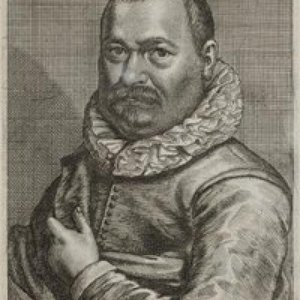
Roelandt Savery
1576 - 1639 , Belgium
Quick Facts
- Artistic Movement Or Style: Dutch Golden Age Painting
- Artists Or Movements Influenced By This Artist: ['Adam Willaerts']
- Artists Who Influenced This Artist:
- Gillis van Coninxloo
- Hans Bol
- Date Of Birth: 1576
- Date Of Death: 1639
- Full Name: Roelandt Savery Maertensz Saverij
- Nationality: Flemish
- Notable Artworks:
- The Paradise
- Landscape with Birds
- Bouquet of Flowers
- Place Of Birth: Courtrai, Belgium
Related Articles
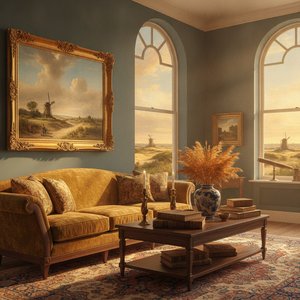
Golden Light & Dutch Skies: Bringing the Magic of Dutch Golden Age Landscapes into Your Home
Transform your home with the breathtaking light of Dutch Golden Age landscapes. Discover how hand-painted oil reproductions of masterworks like Ruisdael and Vermeer bring timeless elegance, atmosphere, and soulful texture to modern interiors. Elevate your space with museum-quality art.
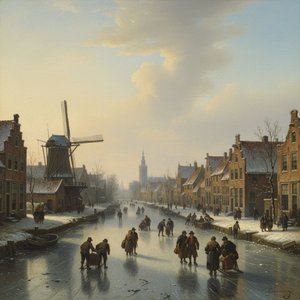
Charles Leickert: Capturing the Dutch Golden Age Light – A Comprehensive Study of Technique, Context, and Legacy
Explore the captivating winter landscapes of Charles Leickert, a master of Dutch Golden Age light & atmosphere. Discover his techniques, symbolism, and lasting legacy – a comprehensive study for art enthusiasts and collectors.
Nicolaes Berchem: Dutch Golden Age Pastoralism & the Evolution of Landscape Painting
Explore the captivating world of Nicolaes Berchem, a leading Dutch Golden Age painter. Discover his idyllic landscapes, masterful technique & lasting influence on art history. Learn more at ArtsDot.

Beyond the Horizon: 10 Landscape Masterpieces for Your Home Decor
Journey through 10 breathtaking landscape paintings by Monet, Van Gogh & more! Explore iconic artworks, artistic techniques & find inspiration for your home decor. Museum-quality reproductions at ArtsDot.com. Discover all masterpieces on ArtsDot.com

Dutch Masters: 10 Golden Age Paintings That Still Inspire |
Journey into the Dutch Golden Age! Explore 10 iconic paintings by Rembrandt, Vermeer & Hals. Discover the stories behind these Baroque masterpieces and find museum-quality art reproductions to elevate your home decor on .