 Preview
 Send
Send Share
Share
 Details

 Download
 Similars
 X-Ray
X-Ray Diaporama
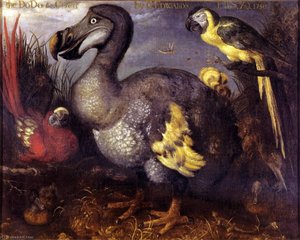
Edward's Dodo


 Read More
Hand Made Oil Reproduction
Hand-painted oil on canvas in your size and frame, made to order by our artists. ( Buy Print Buy Image)




































Pick from our preset sizes that match the artwork's original proportions.

You may enter your own dimensions to fit a specific frame or space. If your selected size does not match the original image's proportions, we will either crop the artwork or extend the painting with additional hand-painted elements. A digital mockup will be sent for your approval before production begins.
Please note that the on-screen preview does not reflect the actual cropping or extension. Only the mockup will accurately show the final composition.
While custom sizes are available, we recommend selecting a dimension from the predefined list to preserve the original proportions.
After order, ArtsDot.com team will email client for instructions and provide a mockup preview
Worldwide Delivery () in 3/4 weeks instead of standard 5 weeks. (17 August). No compromise on quality.

Free Worldwide Express Shipping

High-Quality Linen Canvas

Full Shipping Insurance

Customs Tax Refund Guarantee

True Color Matching Guarantee

60-Day Return Policy (Defects Only)

100% Money-Back Guarantee

Bulk Discount Offer
 Glass option is only available in size under 110 CM

Edward's Dodo
Reproduction Medium
Reproduction Size
-


Total Price
$ 263
Artwork Description
The Artist and His Style
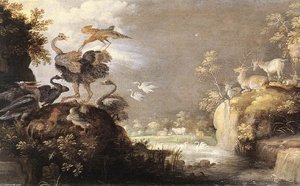
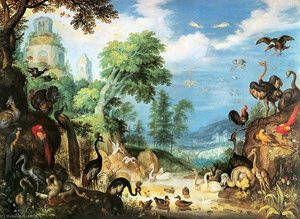
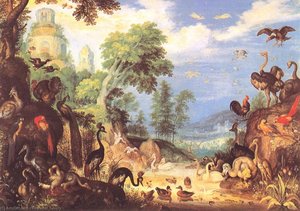
Roelant Savery was a Flemish-born Dutch Golden Age painter who was known for his landscapes and animal paintings. He was born in 1576 and died in 1639, leaving behind a legacy of beautiful and intricate artworks. Savery's style is characterized by his use of vivid colors and meticulous attention to detail, which can be seen in the Edward's Dodo painting.The Painting's History
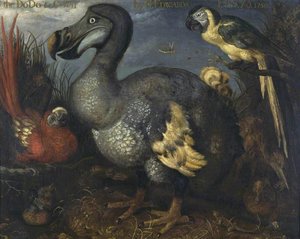
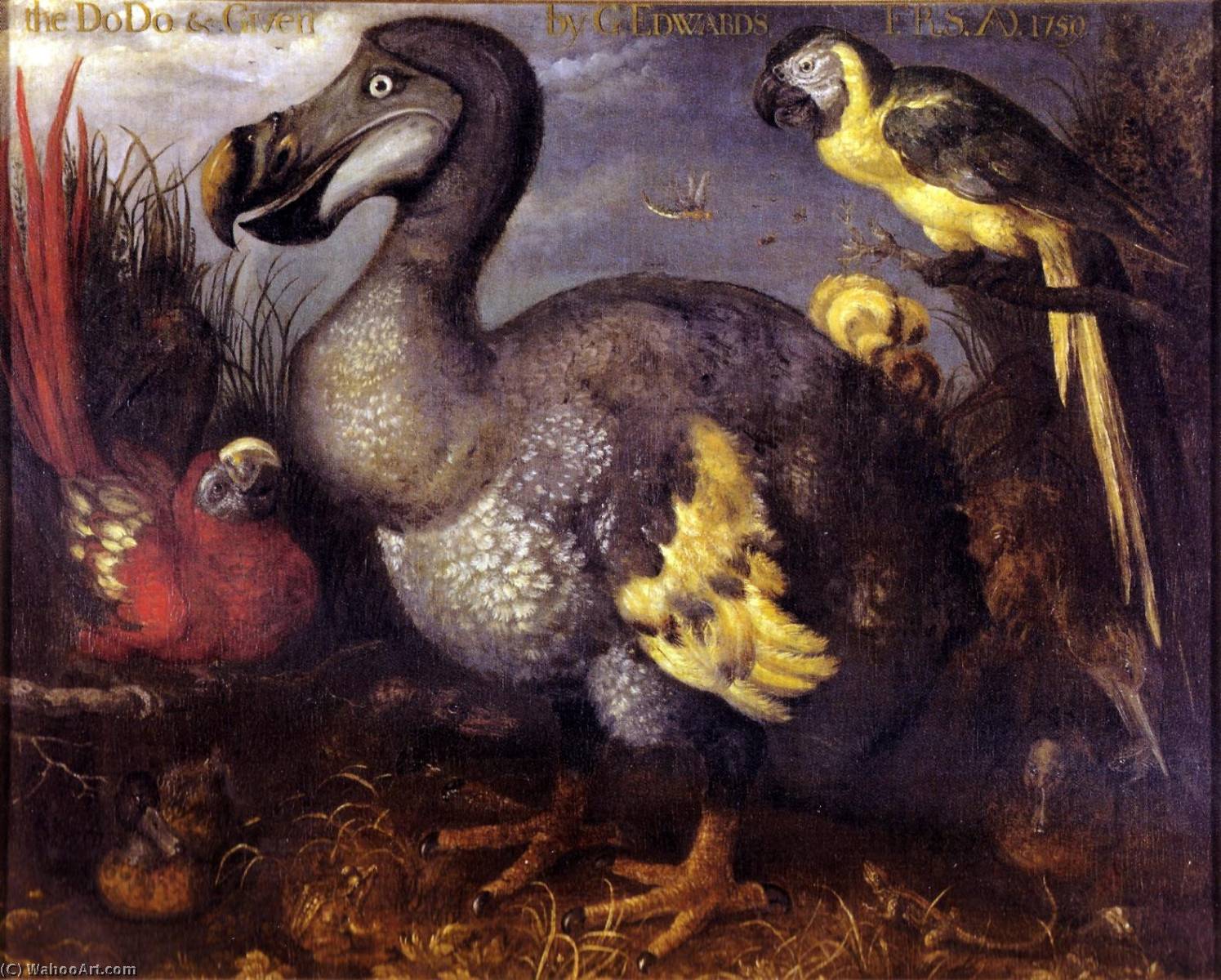
The Edward's Dodo painting is now housed in the British Museum, where it remains one of the most popular attractions. The painting was previously owned by the ornithologist George Edwards, who donated it to the museum in 1750. Today, the painting is considered a national treasure and is seen by millions of visitors each year. Key Features of the Painting:- The dodo bird is depicted with a surprised expression, adding a touch of humor to the painting
- The background of the painting includes a boat, which adds an interesting element to the composition
- The painting features a range of colors, including blues, greens, and browns, which were characteristic of Savery's style
The Edward's Dodo painting is a timeless masterpiece that continues to captivate audiences today. Its unique blend of humor, beauty, and historical significance make it a must-see for anyone interested in art or history.
Related Artworks
Artist Biography
Roelant Savery: A Flemish Master in the Dutch Golden Age
Born in Kortrijk, Belgium, around 1576 and tragically dying in Utrecht in 1639, Roelant Savery – often referred to as “de Savery” or simply Savery – stands as a compelling figure within the vibrant tapestry of the Dutch Golden Age. His life was one shaped by religious upheaval, artistic apprenticeship, and a remarkable ability to blend Flemish tradition with burgeoning Mannerist influences. More than just a painter, Savery became renowned for his distinctive illustrations, most notably his captivating depictions of the extinct dodo bird – images that continue to fascinate and inform our understanding of this unique period in art history.
Savery’s early life was profoundly impacted by the religious tensions of the time. Belonging to an Anabaptist family, he experienced the forced migration from Flanders to Haarlem around 1585, a common fate for those fleeing persecution under Spanish rule. This displacement shaped his artistic trajectory, exposing him to diverse influences and ultimately contributing to his distinctive style. His formal training began with his older brother, Jacob Savery – himself a respected painter – and the renowned Hans Bol, both masters of the Flemish tradition. These formative years instilled in him a deep appreciation for meticulous detail, rich color palettes, and a penchant for depicting scenes brimming with life and movement.
A Court Painter and Continental Explorer
Following his apprenticeship, Savery embarked on a journey that took him across Europe, culminating in a prestigious position as court painter to the emperors Rudolf II of Prague and Mathias of Vienna. This period proved pivotal, immersing him within the heart of Mannerist art – a style characterized by elongated figures, dramatic lighting, and an emphasis on symbolism and allegory. His time in Prague allowed him to study alongside some of the era’s most influential artists, absorbing their techniques and expanding his artistic horizons. He also traveled to Tyrol, dedicating himself to the detailed observation and documentation of flora, a skill that would later inform his stunning botanical illustrations.
Gillis d'Hondecoeter became Savery’s devoted pupil during this period, further solidifying the transmission of Flemish artistic principles. The influence of Hans Bol remained strong, particularly in Savery’s landscapes – characterized by their meticulous rendering of animals, plants, and architectural details. These works weren’t merely representations; they were carefully constructed narratives, often imbued with mythological or biblical themes, creating a rich visual language for the viewer.
The Utrecht Period: Landscapes, Still Lifes, and Dodos
Returning to Amsterdam in 1616, Savery established himself in Utrecht, where he quickly gained recognition as one of the city’s most successful painters. His studio became a hub of artistic activity, attracting fellow artists like Adam Willaerts and fostering a collaborative environment. The large house he acquired on Boterstraat was not just a residence; it served as a vibrant atelier, complete with a flourishing garden – a veritable living laboratory for his botanical studies and a gathering place for artistic discourse.
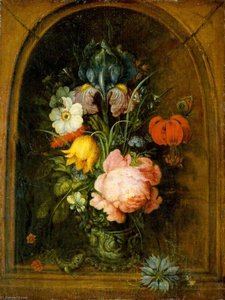
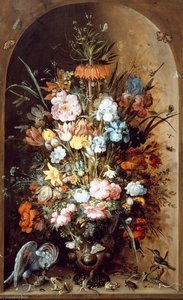
Savery’s oeuvre is remarkably diverse, encompassing meticulously rendered landscapes in the tradition of Gillis van Coninxloo, often embellished with an astonishing array of animals and plants. He was equally celebrated for his exquisite flower still lifes – elaborate arrangements presented within stone niches or on rustic tables, frequently incorporating intriguing elements like lizards and insects. However, it’s perhaps his illustrations of the dodo that have secured his enduring fame. His depictions, particularly those from 1626, are considered among the most iconic representations of this extinct bird, captivating audiences for centuries to come. These images weren't simply scientific records; they were imbued with a sense of wonder and fascination, reflecting Savery’s artistic sensibility.
Legacy and Influence
Despite his considerable success, Savery’s later life was marked by financial difficulties and personal struggles, possibly exacerbated by excessive drinking. He ultimately faced bankruptcy in 1638 and passed away shortly thereafter. However, his legacy endures through the remarkable quality of his work and his profound influence on subsequent generations of artists. His nephew, Hans Savery (known as Jan Savery), continued the family tradition, further developing the genre of animal painting and producing equally compelling dodo illustrations. Roelant Savery’s art continues to be studied and admired for its technical brilliance, its evocative atmosphere, and its unique blend of Flemish tradition and Mannerist innovation – a testament to the enduring power of his artistic vision.
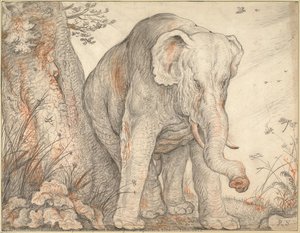
roelant savery
1576 - 1639
Quick Facts
- Artistic Movement Or Style: Flemish, Mannerist
- Artists Or Movements Influenced By This Artist: ['Roelant Roghman']
- Artists Who Influenced This Artist:
- Hans Bol
- Gillis van Coninxloo
- Date Of Birth: 1576
- Date Of Death: 1639
- Full Name: Roelant Savery
- Nationality: Dutch
- Notable Artworks:
- Het Gulden Cabinet
- Dodo Illustrations
- Place Of Birth: Kortrijk, Flanders
Related Articles

Dutch Masters: 10 Golden Age Paintings That Still Inspire |
Journey into the Dutch Golden Age! Explore 10 iconic paintings by Rembrandt, Vermeer & Hals. Discover the stories behind these Baroque masterpieces and find museum-quality art reproductions to elevate your home decor on .

Golden Age Reflections: Dutch Baroque Painting & Cultural Innovation
Explore the Dutch Golden Age of painting! Discover key artists like Vermeer & ter Borch, their innovative techniques, and the rich cultural context behind these Baroque masterpieces. Learn about collecting & appreciating this iconic art period.

Illuminating Innovation: Exploring the Dutch Golden Age of Painting
Explore the Dutch Golden Age of painting with ArtsDot. Discover Rembrandt, Vermeer & other Masters. Learn about key characteristics, iconic artworks, and lasting influence. Expert insights for collectors & enthusiasts.
Illuminating Realism: Exploring the Dutch Golden Age of Painting (1600-1700)
Explore the Dutch Golden Age of painting (1600-1700) with ArtsDot. Discover Rembrandt, Vermeer & other masters. Learn about techniques, history & find museum-quality reproductions.
Charles Leickert: Capturing the Dutch Golden Age Light – A Comprehensive Study of Technique, Context, and Legacy
Explore the captivating winter landscapes of Charles Leickert, a master of Dutch Golden Age light & atmosphere. Discover his techniques, symbolism, and lasting legacy – a comprehensive study for art enthusiasts and collectors.