 Preview
 Send
Send Share
Share
 Details

 Download
 Similars
 X-Ray
X-Ray Diaporama
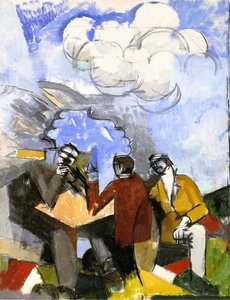
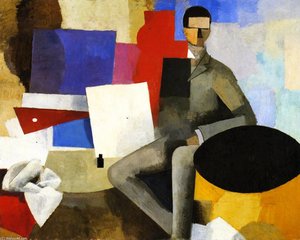
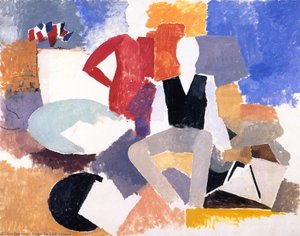
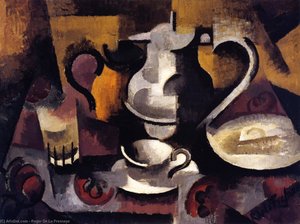
Seated Man
 Acrylic On Canvas
- WallArt
- Cubism
 1913
1913 130.0 x 165.0 cm
 Musée National d'Art Moderne Centre Georges Pompidou
 Read More
Hand Made Oil Reproduction
Hand-painted oil on canvas in your size and frame, made to order by our artists. ( Buy Print Buy Image)




P118B $10

P118H $10

P118W $10

P438Z $10

P508JH $12

P508YH $12

P805H $10

P805Z $10

P919BZ $10

P919G $10

P919XJ $10

P959ZH $10

P968JZ $12

W106C $8

W218G $10

W218JH $8

W218Y $10

W307PJ $10

W316G $10

W316PJ $8

W316Y $10

W398PJ $8

W4111J $10

W500HY $15

W500JH $15

W692G $12

W849H $8

W940BG $15

W953PJ $8




Pick from our preset sizes that match the artwork's original proportions.

You may enter your own dimensions to fit a specific frame or space. If your selected size does not match the original image's proportions, we will either crop the artwork or extend the painting with additional hand-painted elements. A digital mockup will be sent for your approval before production begins.
Please note that the on-screen preview does not reflect the actual cropping or extension. Only the mockup will accurately show the final composition.
While custom sizes are available, we recommend selecting a dimension from the predefined list to preserve the original proportions.
After order, ArtsDot.com team will email client for instructions and provide a mockup preview
Worldwide Delivery () in 3/4 weeks instead of standard 5 weeks. (17 August). No compromise on quality.

Free Worldwide Express Shipping

High-Quality Linen Canvas

Full Shipping Insurance

Customs Tax Refund Guarantee

True Color Matching Guarantee

60-Day Return Policy (Defects Only)

100% Money-Back Guarantee

Bulk Discount Offer
 Glass option is only available in size under 110 CM

Seated Man
Reproduction Medium
Reproduction Size
-


Total Price
$ 263
Artwork Description
Seated Man by Roger de La Fresnaye: A Cubist Portrait of Quiet Intensity
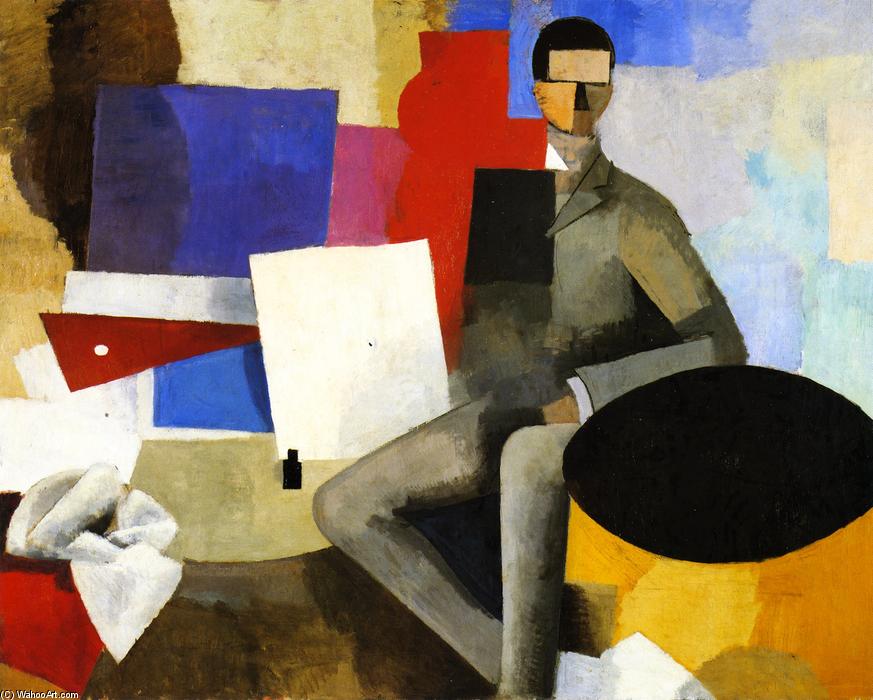
The painting “Seated Man” by Roger de La Fresnaye stands as a pivotal moment in the evolution of early 20th-century art, firmly rooted within the burgeoning movement of Cubism. Created in 1913 during Paris’s vibrant artistic milieu—a period marked by experimentation and a rejection of traditional representational conventions—this oil on canvas transcends mere depiction; it delves into the complexities of perception itself. Measuring 130 x 165 cm, the artwork currently resides within the Musée National d'Art Moderne Centre Georges Pompidou in Paris, ensuring its enduring presence as a cornerstone of modern art history.Subject Matter and Composition
At first glance, “Seated Man” presents a seemingly simple subject: a solitary figure seated comfortably in a chair. However, De La Fresnaye’s masterful technique dismantles any illusion of straightforward realism. The man's posture exudes stillness—a deliberate choice that underscores the painting’s exploration of psychological depth. His hands rest calmly on his lap, conveying an aura of contemplation and understated dignity. The backdrop is equally significant; it abandons conventional perspective in favor of fragmented planes rendered in a palette of bold hues – blues, reds, yellows, and whites – creating a visual tapestry that defies easy categorization. Scattered around the chair are books, symbolizing knowledge and intellectual curiosity, further enriching the narrative landscape of the composition. A bottle subtly positioned on the left adds an element of domestic tranquility, hinting at a moment of quiet repose.Cubist Principles: Geometric Fragmentation and Multiple Perspectives
“Seated Man” exemplifies the core tenets of Cubism, spearheaded by Pablo Picasso and Georges Braque. The artist employs geometric shapes—primarily cubes and planes—to reconstruct the subject’s form from multiple viewpoints simultaneously. This fracturing of perspective isn't merely stylistic; it reflects a philosophical preoccupation with challenging viewers’ assumptions about visual reality. De La Fresnaye skillfully manipulates overlapping planes to generate a sense of depth that transcends conventional spatial representation, inviting contemplation on how we perceive and interpret the world around us. The deliberate use of color—particularly the vibrant reds and yellows—amplifies the emotional impact of the piece, injecting energy into the otherwise serene scene.Symbolism and Emotional Resonance
Beyond its formal innovations, “Seated Man” carries symbolic weight. The chair itself represents stability and introspection, mirroring the man’s contemplative demeanor. The books symbolize intellectual pursuits and a yearning for understanding—a reflection of De La Fresnaye's own artistic sensibilities. The muted yet purposeful color scheme contributes to an atmosphere of quiet contemplation, encouraging viewers to engage with the painting on an emotional level. It speaks to themes of solitude, thoughtfulness, and perhaps even melancholy – emotions skillfully conveyed through masterful brushwork and compositional choices.Historical Context and Legacy
“Seated Man” emerged during a period of profound artistic upheaval—the dawn of Cubism—which irrevocably altered the course of Western art history. Rejecting Impressionistic notions of fleeting impressions, Cubists sought to capture the essence of objects and figures by presenting them from multiple viewpoints simultaneously. This groundbreaking approach paved the way for subsequent movements like Futurism and Surrealism, establishing Cubism as arguably the most influential artistic movement of the early 20th century. Its enduring appeal lies in its ability to provoke intellectual curiosity and emotional resonance—a testament to De La Fresnaye’s genius and a captivating glimpse into the transformative spirit of an era.- Artist: Roger de La Fresnaye
- Year Created: 1913
- Medium: Oil on Canvas
- Dimensions: 130 x 165 cm
- Location: Musée National d'Art Moderne Centre Georges Pompidou (Paris, France)
Related Artworks
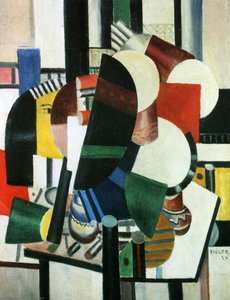
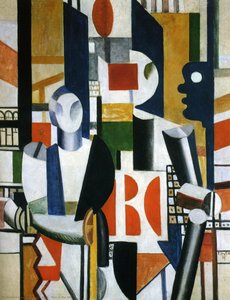
Artist Biography
A Life Painted in Prismatic Hues: The World of Roger de la Fresnaye
Roger de la Fresnaye, born into the aristocratic lineage of the La Fresnayes in 1885, was a painter whose brief but incandescent career illuminated the burgeoning landscape of early 20th-century art. His story is one of inherited privilege tempered by artistic ambition, classical training disrupted by avant-garde fervor, and ultimately, a life tragically cut short by illness. The Château de la Fresnaye in Falaise, ancestral home to his family with its long history of military service, provided an early backdrop for a life that would eventually blend tradition with radical innovation. Though steeped in the values of his upbringing, young Roger found himself drawn not to the battlefield but to the canvas, embarking on a journey that would see him navigate the complex currents of Symbolism, Cubism, and beyond. His initial education was classically grounded, yet it quickly evolved as he sought artistic instruction at the Académie Julian and later the École des Beaux-Arts in Paris – institutions where the seeds of his future stylistic explorations were sown.From Nabis Dreams to Cubist Geometry
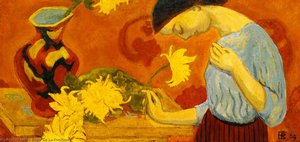
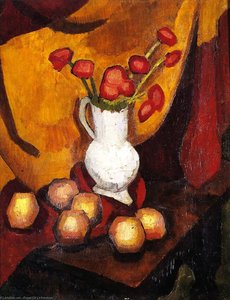
The early years of de la Fresnaye’s artistic development were profoundly shaped by the *Nabis*, a group of Post-Impressionist painters who prioritized subjective experience and symbolic meaning over strict representation. Studying under Maurice Denis and Paul Sérusier at the Académie Ranson, he absorbed their emphasis on flattened forms, decorative patterns, and evocative color palettes – qualities evident in works like Woman with Chrysanthemums. This period reveals a dreamlike quality, a stylistic echo of the Nabis’ pursuit of spiritual resonance through art. However, this initial path was not destined to be his final destination. The allure of more radical experimentation soon beckoned. Around 1912, de la Fresnaye became an integral member of the *Section d'Or*, a collective of artists deeply engaged with the revolutionary ideas of Cubism pioneered by Pablo Picasso and Georges Braque. This marked a pivotal shift in his artistic trajectory. He wasn’t merely imitating; he was responding, interpreting, and ultimately forging his own unique voice within the movement. His response to cubism was not one of strict adherence but rather an individual synthesis, infusing geometric abstraction with a vibrant chromatic sensibility that distinguished him from his peers. The Conquest of the Air, perhaps his most celebrated work, exemplifies this period – a dynamic composition brimming with prismatic colors and fragmented forms, reflecting both the influence of Robert Delaunay’s Orphism and de la Fresnaye's own distinctive vision. It is a testament to his ability to synthesize diverse influences into something wholly new.War, Illness, and a Shifting Aesthetic
The outbreak of World War I cast a long shadow over de la Fresnaye’s life and work. He enlisted in the French army, but his service was tragically curtailed by tuberculosis, forcing his discharge in 1918. The physical toll of the illness proved devastating, leaving him with diminished energy and altering the course of his artistic production. The robust, geometrically charged canvases of his Cubist period gave way to a more linear style, characterized by a delicate precision and an introspective quality. While some might view this as a retreat from innovation, it can also be seen as a natural evolution – a response to personal circumstances that demanded a different mode of expression. His later paintings reflect a quiet contemplation, a sense of fragility that resonates with the artist’s own declining health. He abandoned the spatial analysis of his cubist works for a more linear style, focusing on form and color in a new way. This shift wasn't a surrender but a re-evaluation, a search for beauty within constraint.Legacy and Lasting Influence
Roger de la Fresnaye died in 1925 at the young age of forty, leaving behind a relatively small but remarkably significant body of work. Though his career was tragically abbreviated, his contribution to the development of modern art remains undeniable. He successfully bridged the gap between the decorative sensibilities of the Nabis and the radical experimentation of Cubism, creating a unique visual language that continues to captivate audiences today. His paintings can be found in prestigious museums such as the Musée d'Art Moderne de Troyes and the Centre Pompidou in Paris, testaments to his enduring artistic merit. The record-breaking sale of La Conquête de l’Air at Christie’s in 2017 – fetching over €2.3 million – serves as a powerful affirmation of his place within the canon of modern masters. De la Fresnaye's legacy lies not only in his individual artistic achievements but also in his ability to synthesize diverse influences into a cohesive and compelling vision, leaving an indelible mark on the history of 20th-century painting. He remains a fascinating figure—a nobleman turned modernist, a soldier touched by illness, and above all, a painter who dared to explore the boundaries of form and color with both intellect and passion.Exploring De La Fresnaye’s World
Key Influences:- Maurice Denis
- Paul Sérusier
- Georges Braque
- Pablo Picasso
- Robert Delaunay
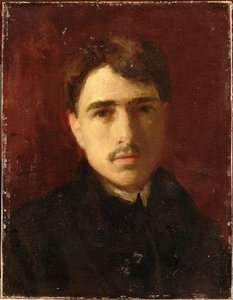
Roger de La Fresnaye
1885 - 1925 , France
Quick Facts
- Artistic Movement Or Style: Cubism, Symbolism
- Artists Or Movements Influenced By This Artist: Early 20th-century art
- Artists Who Influenced This Artist:
- Maurice Denis
- Paul Sérusier
- Robert Delaunay
- Date Of Birth: July 11, 1885
- Date Of Death: November 27, 1925
- Full Name: Roger de La Fresnaye
- Nationality: French
- Notable Artworks:
- The Conquest of the Air
- La Madelon
- Le Cuirassier
- Place Of Birth: Le Mans, France
Related Articles
Roger de la Fresnaye: Cubism, Tradition & the Search for Order in Early 20th-Century French Painting
Explore the captivating world of Roger de la Fresnaye, a pivotal French Cubist painter. Discover his unique blend of tradition & modernity, influences, and lasting legacy with ArtsDot.

Demandes Commerciales
APS ofrece reproducciones de bellas artes y encargos personalizados desde 2004. Confían en nosotros corporaciones, hoteles y coleccionistas selectos para obras de arte de calidad museística, servicio discreto y soluciones artísticas completas. ¡Póngase en contacto con nosotros para obtener un presupuesto personalizado!

Geometric Abstraction's 10 Defining Masterpieces | Art for Your Home - ArtsDot
Explore 10 defining masterpieces of Geometric Abstraction! Discover Kandinsky, Mondrian & Malevich’s iconic works. Find museum-quality art reproductions and curated decor ideas to elevate your home at ArtsDot.com.

Goya's Masterpieces: Explore 25 Iconic Paintings & Art Prints | ArtsDot
Delve into the world of Francisco Goya with ArtsDot. Explore 25 iconic paintings – from 'The Third of May' to his haunting Black Paintings. Discover the stories, techniques & emotions behind these Spanish masterpieces. Find museum-quality art reproductions for your home at ArtsDot.com!
Beyond Form & Color: Geometric Abstraction's Evolution in 20th/21st Century Art
Explore the evolution of geometric abstraction from Cubism to contemporary art. Discover key artists like Malevich & Mondrian, investment insights, and expert collecting advice at ArtsDot.