 Preview
 Send
Send Share
Share
 Details

 Download
 Similars
 X-Ray
X-Ray Diaporama
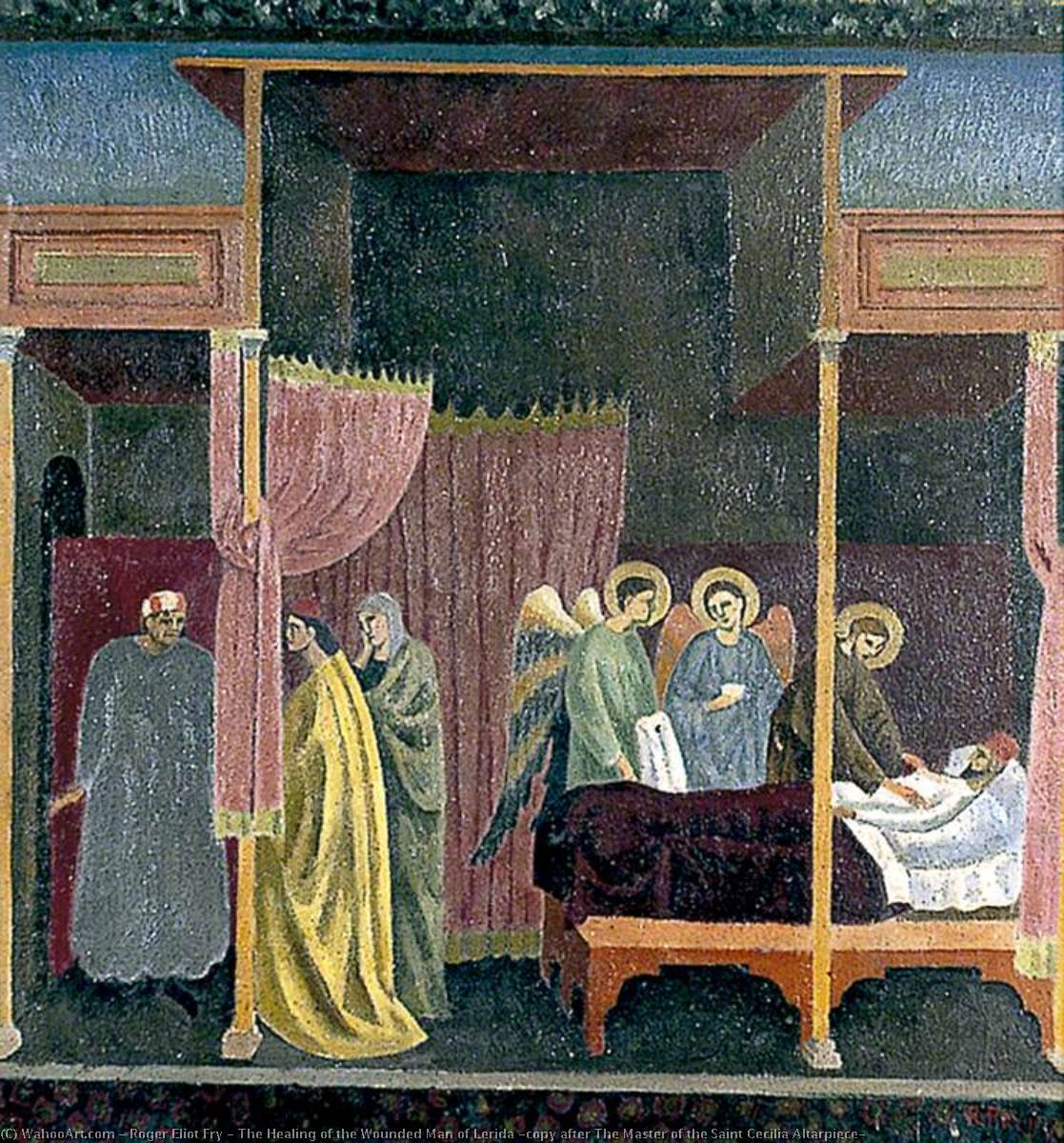
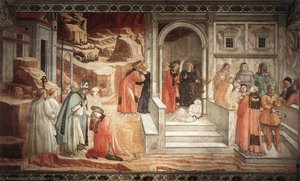
The Healing of the Wounded Man of Lerida (copy after The Master of the Saint Cecilia Altarpiece)
 Oil
Oil- WallArt
- Post-Impressionism
 1917
1917- Modern
 67.0 x 64.0 cm
 Charleston
 Read More
Giclée / Art Print
Museum-quality giclée or canvas print with fast production and flexible finish options. ( Buy Hand Made Painting Buy Image)




P118B $10

P118H $10

P118W $10

P438Z $10

P508JH $12

P508YH $12

P805H $10

P805Z $10

P919BZ $10

P919G $10

P919XJ $10

P959ZH $10

P968JZ $12

W106C $8

W218G $10

W218JH $8

W218Y $10

W307PJ $10

W316G $10

W316PJ $8

W316Y $10

W398PJ $8

W4111J $10

W500HY $15

W500JH $15

W692G $12

W849H $8

W940BG $15

W953PJ $8




Pick from our preset sizes that match the artwork's original proportions.

You may enter your own dimensions to fit a specific frame or space. If your selected size does not match the original image's proportions, we will either crop the artwork or extend the image with a mirrored or solid-fill edge. A digital mockup will be sent for your approval before production begins.
Please note that the on-screen preview does not reflect the actual cropping or extension. Only the mockup will accurately show the final composition.
While custom sizes are available, we recommend selecting a dimension from the predefined list to preserve the original proportions.
Worldwide Delivery () in 2 weeks instead of standard 4/5 weeks. (6 September)

Free Worldwide Express Shipping

High-Quality Linen Canvas

Full Shipping Insurance

Customs Tax Refund Guarantee

True Color Matching Guarantee

100-Day Return Policy (Defects Only)

100% Money-Back Guarantee

Bulk Discount Offer
 Glass option is only available in size under 110 CM

The Healing of the Wounded Man of Lerida (copy after The Master of the Saint Cecilia Altarpiece)
Giclée / Art Print
Reproduction Size
-


Total Price
$ 63
A Vision of Compassion: The Healing of the Wounded Man of Lerida
In the quiet, evocative depths of Roger Eliot Fry’s 1917 masterpiece, The Healing of the Wounded Man of Lerida, we are invited into a sacred moment of profound human vulnerability and divine intervention. This painting, a thoughtful homage to the spirit of The Master of the Saint Cecilia Altarpiece, transcends its religious subject matter to touch upon the universal themes of suffering and restoration. As the eye wanders through the composition, it encounters a scene of somber intimacy, where the weight of physical injury meets the lightness of spiritual grace. The room, captured with a sense of stillness that feels almost breathless, serves as a sanctuary for the wounded, a space where the boundaries between the earthly and the divine begin to blur.
The composition is masterfully arranged to guide the viewer’s emotional journey through the narrative of care. At the heart of the scene, the presence of figures—men standing in watchful vigil and a woman positioned near the center—creates a triangular tension that draws us toward the beds. The sight of a solitary figure resting upon one of the smaller beds evokes an immediate sense of empathy, reminding us of our own fragility. Fry utilizes the arrangement of these elements to create a rhythmic flow, where the empty beds serve as silent witnesses to the presence of both life and the potential for loss, adding a layer of contemplative depth to the domestic setting.
Technically, the work is a triumph of early 20th-century sensibility, blending a reverence for classical religious iconography with a modern, nuanced approach to light and texture. The oil medium allows for a rich, layered application that gives the skin tones and fabrics a palpable, tactile quality. There is a subtle play of shadow that breathes life into the room, casting soft glows upon the figures that suggest a flickering candlelight or a dim, heavenly radiance filtering through an unseen window. This mastery of chiaroscuro does more than just define form; it imbues the atmosphere with a sense of mystery and reverence, making the act of healing feel like a quiet miracle unfolding in real-time.
For the discerning collector or interior designer, this piece offers much more than mere decoration; it provides an emotional anchor for a room. The muted palette and the profound stillness of the subject matter make it an ideal centerpiece for spaces dedicated to reflection, such as a library, a study, or a serene sitting room. Owning a high-quality reproduction of this work means bringing a piece of art history into the modern home—a piece that speaks of resilience, the importance of care, and the enduring power of hope. It is an invitation to pause, to breathe, and to find beauty in the quietest moments of human existence.
Related Artworks

Artist Biography
A Pioneer of Modern Vision: The Life and Legacy of Roger Eliot Fry
Roger Eliot Fry, born in London on December 14th, 1866, emerged from a distinguished Quaker family steeped in intellectual rigor and social conscience. His father, Sir Edward Fry, was a respected judge and zoologist, instilling in young Roger a deep appreciation for observation and analytical thought – qualities that would profoundly shape his artistic journey. Though initially drawn to the natural sciences at Cambridge University, Fry’s true calling lay elsewhere, beckoning him towards the vibrant world of art. He embarked on studies in Paris and Italy, honing his skills as a landscape painter, yet it was not merely technical proficiency he sought but an understanding of the very essence of visual expression. This early period laid the groundwork for a career that would transcend painting itself, evolving into one of Britain’s most influential voices in art criticism and curation. Fry's upbringing, characterized by austerity and faith, fostered a work ethic and a keen sense of moral responsibility that permeated his later endeavors. His family history, rooted in the Society of Friends, instilled a commitment to progressive ideals which would inform his artistic choices and advocacy for modern movements.From Old Masters to Post-Impressionism: A Shifting Aesthetic
Fry’s initial reputation was built on scholarly expertise regarding the Old Masters. However, he soon found himself captivated by the burgeoning developments in French painting – a world of bold color, subjective experience, and radical departures from academic tradition. Recognizing the limitations of conventional artistic standards, Fry became an ardent advocate for what he termed “Post-Impressionism,” a label that would forever alter the course of British art history. In 1910, his groundbreaking exhibition, *Manet and the Post-Impressionists*, held at the Grafton Galleries in London, served as a watershed moment. Introducing artists like Cézanne, Van Gogh, Gauguin, and Matisse to a largely unsuspecting public, Fry challenged prevailing tastes and ignited a firestorm of debate. The exhibition wasn’t simply about showcasing new works; it was a deliberate attempt to redefine how art was perceived, emphasizing formal qualities – color, composition, brushwork – over narrative content or realistic representation. This emphasis on the *how* rather than the *what* proved revolutionary, shifting the focus from mimetic accuracy to emotional resonance and artistic intention. The exhibition faced considerable criticism initially, but Fry’s unwavering conviction and eloquent defense of these artists gradually won over a growing audience, paving the way for wider acceptance of modern art in Britain.The Bloomsbury Connection: Art, Life, and Intellectual Exchange
Fry's life became inextricably linked with the Bloomsbury Group, a collective of writers, artists, intellectuals, and free-thinkers who challenged Victorian social norms and championed artistic experimentation. His close relationships with Vanessa Bell, Clive Bell, Virginia Woolf, and others fostered an environment of intense intellectual exchange and creative collaboration. The group’s shared values – a rejection of materialism, a commitment to pacifism, and a belief in the importance of individual expression – profoundly influenced Fry's work and his broader artistic philosophy. His affair with Vanessa Bell, though complex and ultimately unconsummated romantically, was a source of deep emotional connection and artistic inspiration. The Bloomsbury Group provided a fertile ground for Fry’s ideas to flourish, shaping his theories on aesthetics and influencing his curatorial choices. He wasn't merely an observer within this circle; he actively participated in its debates, contributing significantly to the group’s evolving understanding of art and society.Beyond Exhibition: Omega Workshops and a Lasting Influence
Fry’s commitment to promoting modern design extended beyond gallery walls with the establishment of the Omega Workshops in 1913. This experimental collective aimed to create affordable, aesthetically pleasing objects for everyday life, blurring the boundaries between fine art and applied arts. Though short-lived, the Omega Workshops embodied Fry's belief that art should be accessible to all and integrated into every aspect of human experience. He envisioned a world where beauty wasn’t confined to museums but permeated daily existence. Throughout his career, Fry continued to write extensively on art, publishing influential essays like *Vision and Design* (1920), which articulated his theories on formal analysis and the importance of subjective perception. His emphasis on the emotional impact of color and composition continues to resonate with artists and critics today. Fry’s influence extended beyond the immediate circle of Bloomsbury, shaping generations of British painters, designers, and art historians. He left an indelible mark on the landscape of modern art, forever altering how we perceive and appreciate visual expression.A Legacy Redefined: Fry's Enduring Impact
Roger Eliot Fry died in 1934, leaving behind a complex and multifaceted legacy. While his own paintings may not be as widely recognized as those he championed, his contribution to British art is immeasurable. He was more than just a critic or curator; he was a visionary who dared to challenge convention, introduce new perspectives, and redefine the very meaning of artistic beauty. His unwavering commitment to Post-Impressionism, coupled with his eloquent defense of formal analysis, revolutionized public taste and paved the way for the acceptance of modern art in Britain. Fry’s influence continues to be felt today, inspiring artists and scholars alike to question established norms and explore the power of subjective experience. He remains a pivotal figure in the history of 20th-century art, a testament to the enduring impact of one man's vision on an entire culture.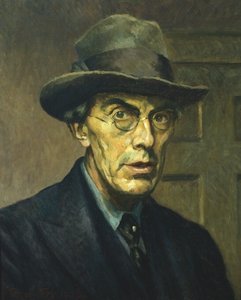
roger eliot fry
1866 - 1934
Quick Facts
- Artistic Movement Or Style: Post-Impressionism
- Artists Or Movements Influenced By This Artist:
- Bloomsbury Group
- Modern art
- Date Of Birth: December 14, 1866
- Date Of Death: September 9, 1934
- Full Name: Roger Eliot Fry
- Nationality: British
- Notable Artworks:
- Essay in Abstract Design
- Lilies
- Place Of Birth: London, England
Related Articles
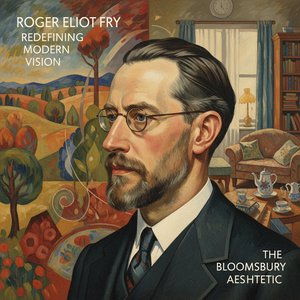
Roger Eliot Fry: Redefining Modern Vision & The Bloomsbury Aesthetic
Explore the revolutionary impact of Roger Fry on modern art & the Bloomsbury Group. Discover his pivotal role in introducing Post-Impressionism to Britain and reshaping aesthetic understanding. Learn about his exhibitions, theories, and lasting legacy.

The Enduring Legacy of Oil on Canvas: Technique, History & Aesthetic Impact
Explore the rich history & techniques of oil painting – from Renaissance masters to Impressionism. Discover pigments, layering methods, and why this timeless medium endures. Expert insights for artists & art enthusiasts.

Oil on Canvas: A Historical & Technical Exploration of a Timeless Artistic Medium
Explore the rich history & enduring techniques of oil painting on canvas. Discover the science behind its longevity, conservation practices, and contemporary relevance. Expert insights for art enthusiasts.

The Enduring Power of Painting: A Historical & Contemporary Exploration of Form and Emotion
Explore the rich history & enduring techniques of oil painting with ArtsDot. Discover masterpieces, learn about art collecting, and find authentic handmade reproductions crafted by skilled artists.

The Enduring Legacy of Oil on Canvas: Technique, History & Contemporary Practice
Explore the rich history & enduring techniques of oil painting on canvas. Discover the science behind its longevity, conservation practices, and contemporary relevance. Expert insights for art enthusiasts.