 Preview
 Send
Send Share
Share
 Details

 Download
 Similars
 X-Ray
X-Ray Diaporama
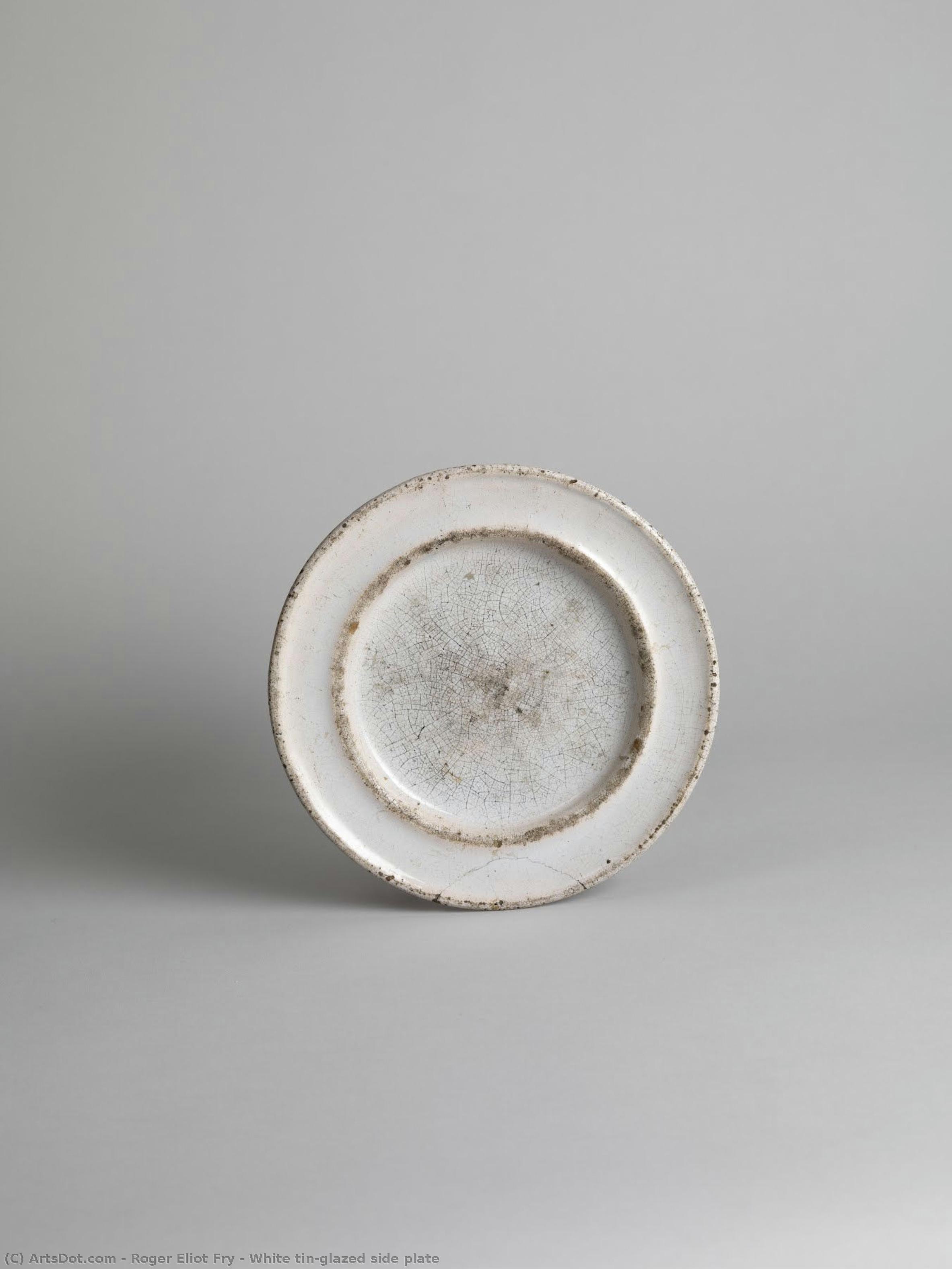
White tin-glazed side plate


 Read More
Hand Made Oil Reproduction
Hand-painted oil on canvas in your size and frame, made to order by our artists. ( Buy Print Buy Image)




P118B $10

P118H $10

P118W $10

P438Z $10

P508JH $12

P508YH $12

P805H $10

P805Z $10

P919BZ $10

P919G $10

P919XJ $10

P959ZH $10

P968JZ $12

W106C $8

W218G $10

W218JH $8

W218Y $10

W307PJ $10

W316G $10

W316PJ $8

W316Y $10

W398PJ $8

W4111J $10

W500HY $15

W500JH $15

W692G $12

W849H $8

W940BG $15

W953PJ $8




Pick from our preset sizes that match the artwork's original proportions.

You may enter your own dimensions to fit a specific frame or space. If your selected size does not match the original image's proportions, we will either crop the artwork or extend the painting with additional hand-painted elements. A digital mockup will be sent for your approval before production begins.
Please note that the on-screen preview does not reflect the actual cropping or extension. Only the mockup will accurately show the final composition.
While custom sizes are available, we recommend selecting a dimension from the predefined list to preserve the original proportions.
After order, ArtsDot.com team will email client for instructions and provide a mockup preview
Worldwide Delivery () in 3/4 weeks instead of standard 5 weeks. (16 August). No compromise on quality.

Free Worldwide Express Shipping

High-Quality Linen Canvas

Full Shipping Insurance

Customs Tax Refund Guarantee

True Color Matching Guarantee

60-Day Return Policy (Defects Only)

100% Money-Back Guarantee

Bulk Discount Offer
 Glass option is only available in size under 110 CM

White tin-glazed side plate
Reproduction Medium
Reproduction Size
-


Total Price
$ 263
Artwork Description
The Omega Workshops’ Minimalist Vision: White Tin-Glazed Side Plate
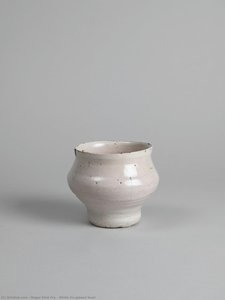
The Omega Workshops, established in London by Roger Fry amidst the burgeoning Bloomsbury Group, represented more than just a collective of artists; they embodied a radical reimagining of British art and design during the tumultuous years leading up to World War I. Their mission was ambitious – to infuse avant-garde aesthetics into domestic life and provide crucial economic support for struggling creatives. Among their many endeavors, ceramics stood out as a particularly significant focus, reflecting Fry’s unwavering belief in the transformative power of simplicity and functionality. This meticulously crafted white tin-glazed side plate exemplifies this ethos perfectly, encapsulating the spirit of the Omega movement and its enduring legacy.- Subject Matter & Form: The piece is remarkably unassuming – a single ceramic dish rendered in stark monochrome. Its circular form speaks to timelessness and balance, mirroring the geometric principles championed by Fry’s artistic companions. This deliberate reduction in visual complexity wasn't merely stylistic choice; it was a conscious rejection of opulent Victorian ornamentation, aligning with the broader desire for clarity and restraint that characterized the era.
- Style & Technique: The Omega Workshops prioritized craftsmanship alongside innovation. Fry himself mastered tin-glazing – a technique involving applying a thin layer of enamel onto earthenware to create a glossy surface. This process resulted in a subtly textured glaze, hinting at the handmade nature of the object and imbuing it with an organic quality that contrasted sharply with prevailing industrial trends.
- Historical Context: Opened on the eve of the Great War, the Workshops functioned as a bastion of pacifist resistance. Artists engaged in collaborative projects – concerts, publications, exhibitions – fostering dialogue about artistic expression and its role in shaping societal values. The monochrome dish served as a visual embodiment of this commitment to understated elegance and intellectual contemplation.
- Color Palette & Composition: Strikingly devoid of color beyond shades of grey—white and subtle tonal variations—the plate’s palette underscores Fry's fascination with minimalist aesthetics. The photograph captures the plate centrally against a neutral backdrop, emphasizing its form and texture through careful lighting. This deliberate simplicity reinforces the emotional impact of the artwork – conveying calmness and intellectual seriousness.
- Symbolism & Emotional Resonance: Beyond its practical function as tableware, the white tin-glazed side plate symbolizes Fry’s belief in the power of art to elevate everyday life. It embodies the Omega Workshops' commitment to challenging conventions and fostering a vision of beauty rooted in restraint and intellectual engagement. Like many modernist pieces, it invites contemplation on form, materiality, and the role of art within the broader human experience.
Related Artworks
Artist Biography
A Pioneer of Modern Vision: The Life and Legacy of Roger Eliot Fry
Roger Eliot Fry, born in London on December 14th, 1866, emerged from a distinguished Quaker family steeped in intellectual rigor and social conscience. His father, Sir Edward Fry, was a respected judge and zoologist, instilling in young Roger a deep appreciation for observation and analytical thought – qualities that would profoundly shape his artistic journey. Though initially drawn to the natural sciences at Cambridge University, Fry’s true calling lay elsewhere, beckoning him towards the vibrant world of art. He embarked on studies in Paris and Italy, honing his skills as a landscape painter, yet it was not merely technical proficiency he sought but an understanding of the very essence of visual expression. This early period laid the groundwork for a career that would transcend painting itself, evolving into one of Britain’s most influential voices in art criticism and curation. Fry's upbringing, characterized by austerity and faith, fostered a work ethic and a keen sense of moral responsibility that permeated his later endeavors. His family history, rooted in the Society of Friends, instilled a commitment to progressive ideals which would inform his artistic choices and advocacy for modern movements.From Old Masters to Post-Impressionism: A Shifting Aesthetic
Fry’s initial reputation was built on scholarly expertise regarding the Old Masters. However, he soon found himself captivated by the burgeoning developments in French painting – a world of bold color, subjective experience, and radical departures from academic tradition. Recognizing the limitations of conventional artistic standards, Fry became an ardent advocate for what he termed “Post-Impressionism,” a label that would forever alter the course of British art history. In 1910, his groundbreaking exhibition, *Manet and the Post-Impressionists*, held at the Grafton Galleries in London, served as a watershed moment. Introducing artists like Cézanne, Van Gogh, Gauguin, and Matisse to a largely unsuspecting public, Fry challenged prevailing tastes and ignited a firestorm of debate. The exhibition wasn’t simply about showcasing new works; it was a deliberate attempt to redefine how art was perceived, emphasizing formal qualities – color, composition, brushwork – over narrative content or realistic representation. This emphasis on the *how* rather than the *what* proved revolutionary, shifting the focus from mimetic accuracy to emotional resonance and artistic intention. The exhibition faced considerable criticism initially, but Fry’s unwavering conviction and eloquent defense of these artists gradually won over a growing audience, paving the way for wider acceptance of modern art in Britain.The Bloomsbury Connection: Art, Life, and Intellectual Exchange
Fry's life became inextricably linked with the Bloomsbury Group, a collective of writers, artists, intellectuals, and free-thinkers who challenged Victorian social norms and championed artistic experimentation. His close relationships with Vanessa Bell, Clive Bell, Virginia Woolf, and others fostered an environment of intense intellectual exchange and creative collaboration. The group’s shared values – a rejection of materialism, a commitment to pacifism, and a belief in the importance of individual expression – profoundly influenced Fry's work and his broader artistic philosophy. His affair with Vanessa Bell, though complex and ultimately unconsummated romantically, was a source of deep emotional connection and artistic inspiration. The Bloomsbury Group provided a fertile ground for Fry’s ideas to flourish, shaping his theories on aesthetics and influencing his curatorial choices. He wasn't merely an observer within this circle; he actively participated in its debates, contributing significantly to the group’s evolving understanding of art and society.Beyond Exhibition: Omega Workshops and a Lasting Influence
Fry’s commitment to promoting modern design extended beyond gallery walls with the establishment of the Omega Workshops in 1913. This experimental collective aimed to create affordable, aesthetically pleasing objects for everyday life, blurring the boundaries between fine art and applied arts. Though short-lived, the Omega Workshops embodied Fry's belief that art should be accessible to all and integrated into every aspect of human experience. He envisioned a world where beauty wasn’t confined to museums but permeated daily existence. Throughout his career, Fry continued to write extensively on art, publishing influential essays like *Vision and Design* (1920), which articulated his theories on formal analysis and the importance of subjective perception. His emphasis on the emotional impact of color and composition continues to resonate with artists and critics today. Fry’s influence extended beyond the immediate circle of Bloomsbury, shaping generations of British painters, designers, and art historians. He left an indelible mark on the landscape of modern art, forever altering how we perceive and appreciate visual expression.A Legacy Redefined: Fry's Enduring Impact
Roger Eliot Fry died in 1934, leaving behind a complex and multifaceted legacy. While his own paintings may not be as widely recognized as those he championed, his contribution to British art is immeasurable. He was more than just a critic or curator; he was a visionary who dared to challenge convention, introduce new perspectives, and redefine the very meaning of artistic beauty. His unwavering commitment to Post-Impressionism, coupled with his eloquent defense of formal analysis, revolutionized public taste and paved the way for the acceptance of modern art in Britain. Fry’s influence continues to be felt today, inspiring artists and scholars alike to question established norms and explore the power of subjective experience. He remains a pivotal figure in the history of 20th-century art, a testament to the enduring impact of one man's vision on an entire culture.
roger eliot fry
1866 - 1934
Quick Facts
- Artistic Movement Or Style: Post-Impressionism
- Artists Or Movements Influenced By This Artist:
- Bloomsbury Group
- Modern art
- Date Of Birth: December 14, 1866
- Date Of Death: September 9, 1934
- Full Name: Roger Eliot Fry
- Nationality: British
- Notable Artworks:
- Essay in Abstract Design
- Lilies
- Place Of Birth: London, England
Related Articles

White on Canvas: 10 Masterpieces & Timeless Elegance for Your Home Decor
Explore 10 iconic white paintings by Monet, Whistler & Rothko! Discover the stories behind these serene masterpieces and their impact on art history. Find museum-quality reproductions for your home decor at .

The Alchemy of Clay: A Collector's Guide to the Mastery, Texture, and Timeless Form of Ceramic Art
Discover the profound beauty of ceramic art. Our expert guide explores the alchemy of clay, texture, and glaze, offering collectors deep insights into mastering earth and fire to create timeless, sculptural masterpieces for any curated collection.

The Subtleties of White: Exploring Absence, Light & Symbolism in Art History
Explore the profound symbolism & history of white in art! From ancient purity to modern abstraction, discover how artists have used absence & light. Expert insights from ArtsDot.

Minimalist Masterpieces: 10 Artworks for Serene Home Decor | ArtsDot
Find serenity with 10 minimalist masterpieces! Explore Agnes Martin, Rothko & more. Discover the stories behind iconic abstract art, neutral palettes & calming designs. Museum-quality reproductions at ArtsDot.com – elevate your home decor today!
Luca della Robbia: Renaissance Sculpture & the Innovation of Terracotta Glazing
Discover the innovative terracotta glazing techniques of Luca della Robbia, a Renaissance master sculptor. Explore his iconic works, legacy, and collecting tips with ArtsDot.