 Preview
 Send
Send Share
Share
 Details

 Download
 Similars
 X-Ray
X-Ray Diaporama
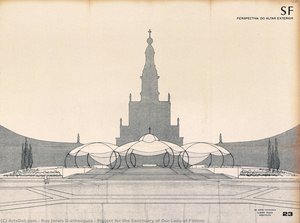
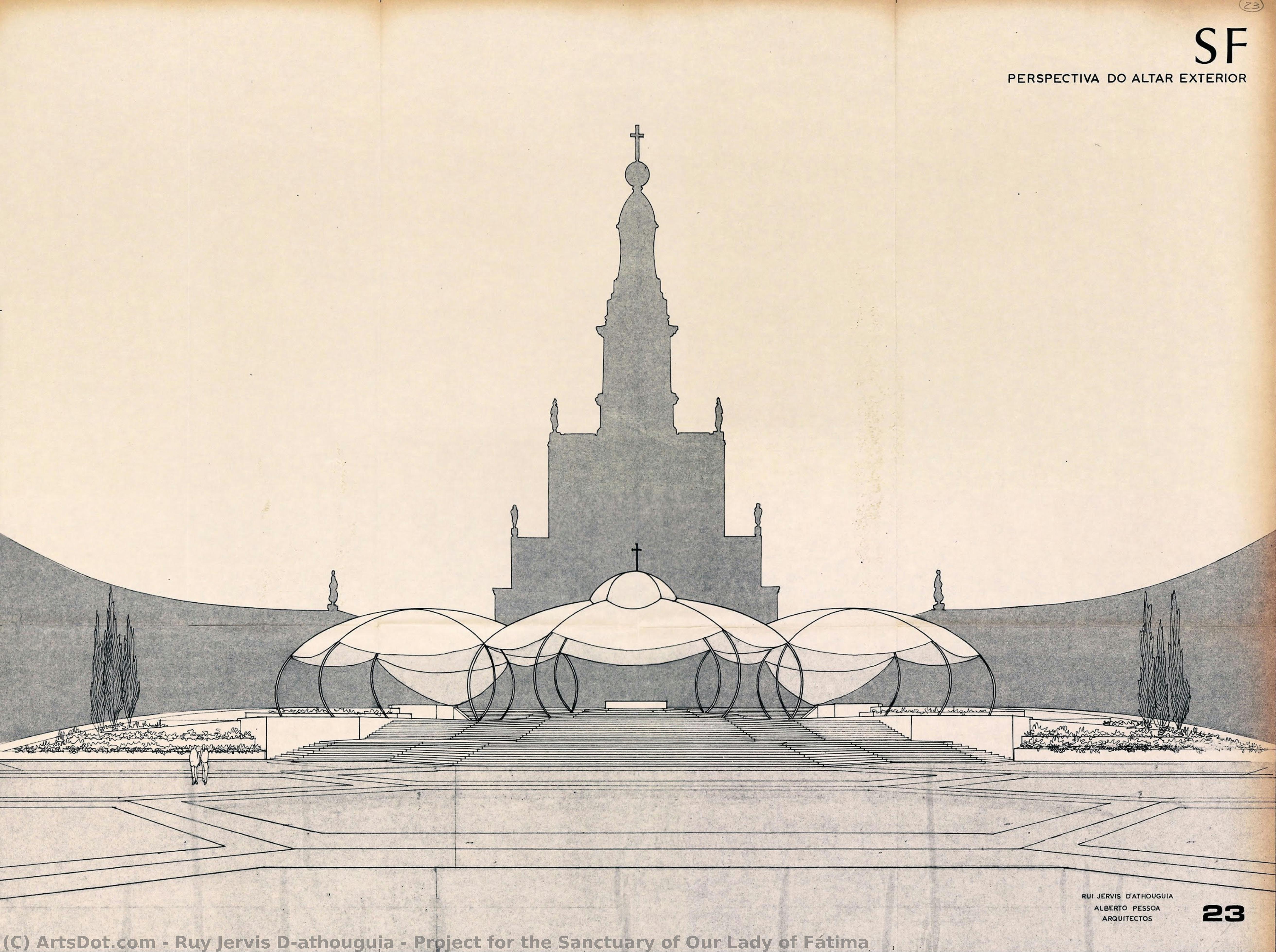
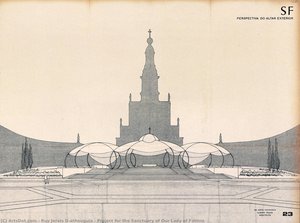
Project for the Sanctuary of Our Lady of Fátima


 Read More
Hand Made Oil Reproduction
Hand-painted oil on canvas in your size and frame, made to order by our artists. ( Buy Print Buy Image)




P118B $10

P118H $10

P118W $10

P438Z $10

P508JH $12

P508YH $12

P805H $10

P805Z $10

P919BZ $10

P919G $10

P919XJ $10

P959ZH $10

P968JZ $12

W106C $8

W218G $10

W218JH $8

W218Y $10

W307PJ $10

W316G $10

W316PJ $8

W316Y $10

W398PJ $8

W4111J $10

W500HY $15

W500JH $15

W692G $12

W849H $8

W940BG $15

W953PJ $8




Pick from our preset sizes that match the artwork's original proportions.

You may enter your own dimensions to fit a specific frame or space. If your selected size does not match the original image's proportions, we will either crop the artwork or extend the painting with additional hand-painted elements. A digital mockup will be sent for your approval before production begins.
Please note that the on-screen preview does not reflect the actual cropping or extension. Only the mockup will accurately show the final composition.
While custom sizes are available, we recommend selecting a dimension from the predefined list to preserve the original proportions.
After order, ArtsDot.com team will email client for instructions and provide a mockup preview
Worldwide Delivery () in 3/4 weeks instead of standard 5 weeks. (4 September). No compromise on quality.

Free Worldwide Express Shipping

High-Quality Linen Canvas

Full Shipping Insurance

Customs Tax Refund Guarantee

True Color Matching Guarantee

60-Day Return Policy (Defects Only)

100% Money-Back Guarantee

Bulk Discount Offer
 Glass option is only available in size under 110 CM

Project for the Sanctuary of Our Lady of Fátima
Reproduction Medium
Reproduction Size
-


Total Price
$ 263
A Vision of Devotion: The Architectural Soul of Fátima
In the delicate lines of Ruy Jervis d'Athouguia’s Project for the Sanctuary of Our Lady of Fátima, we encounter more than a mere architectural blueprint; we witness a profound dialogue between the earthly and the divine. Created in 1977, this evocative drawing serves as a window into the mind of a master who navigated the complexities of Portuguese Modernism with unparalleled grace. The composition centers on a monumental cathedral-like structure, dominated by a soaring central tower and a majestic dome that seems to reach toward the heavens. Through meticulous detail, d'Athloiguia captures the essence of a sacred space designed not just for shelter, but for spiritual transcendence.
The drawing breathes with life, as the artist populates the vast architectural expanse with small, delicate figures. These individuals, scattered throughout the plaza and near the church’s entrance, provide a vital sense of scale and human connection. Their presence transforms the cold precision of architecture into a warm, communal experience, suggesting a sanctuary where the pulse of humanity meets the stillness of prayer. For the collector or interior designer, this piece offers a captivating narrative of community and shared faith, making it a centerpiece that invites contemplation and conversation.
Modernist Precision Meets Spiritual Grandeur
Technically, the work is a masterclass in the use of line and architectural rendering. D'Athouguia employs a sophisticated level of detail to articulate the intricate textures of the stone, the curvature of the dome, and the rhythmic patterns of the cathedral’s facade. The style sits at the intersection of technical drafting and fine art, where every stroke serves both a structural purpose and an aesthetic one. There is a rhythmic quality to the way the light and shadow play across the surfaces, creating a sense of depth that pulls the viewer into the very heart of the sanctuary.
The historical context of this piece is equally compelling. Produced during a period when Portugal was navigating significant cultural shifts, d'Athouguia’s vision for Fátima represents a bridge between tradition and modernity. While the subject matter is deeply rooted in religious heritage, the execution reflects the clean, functionalist principles of the modernist movement. This duality makes the artwork exceptionally versatile; it possesses the classical dignity required for traditional settings, yet its sharp, modern clarity allows it to integrate seamlessly into contemporary, minimalist interiors.
An Invitation to Elegance and Reflection
For those seeking to curate a space of inspiration, this reproduction offers an unparalleled emotional impact. It evokes a sense of peace, stability, and awe. The sheer scale of the project, rendered with such intimacy, creates a tension that is both intellectually stimulating and emotionally soothing. Whether placed in a grand library, a quiet study, or a sophisticated gallery setting, the Project for the Sanctuary of Our Lady of Fátima acts as an anchor of sophistication.
Owning a high-quality reproduction of this work means bringing a piece of architectural history into one's personal environment. It is an opportunity to celebrate the legacy of Ruy Jervis d'Athouguia—a pioneer who understood that true architecture is not merely about building walls, but about creating the spaces where the human spirit can truly soar.
Related Artworks
Artist Biography
A Pioneer of Portuguese Modernism: The Life and Work of Ruy Jervis d’Athouguia
Ruy Jervis d'Athouguia, born in Macau in 1917, emerged as a pivotal figure in the landscape of Portuguese architecture during a period of significant transition. His life spanned a crucial era – from the waning influence of traditional styles to the burgeoning embrace of Modernism and beyond, culminating in his passing in 2006. Though rooted in the specific context of Portugal’s Estado Novo regime, Jervis d'Athouguia consistently championed principles of clarity, functionality, and a subtle elegance that distinguished his work from both overtly nationalistic trends and more flamboyant international expressions of the movement. His early education laid the foundation for a career dedicated to thoughtful design, studying architecture at the Escola de Belas Artes do Porto (EBAP) before establishing his practice in Lisbon, where he would leave an indelible mark on the city’s urban fabric.Early Influences and the Bairro das Estacas
Jervis d'Athouguia’s architectural philosophy was shaped by a deliberate rejection of prevailing stylistic dogmas. While many contemporaries sought inspiration in historical revivalism or regional vernacular forms, he turned towards the international language of Modernism, absorbing its core tenets but adapting them to the unique challenges and opportunities presented by Portugal’s social and economic realities. A defining moment in his career came with his collaboration with Formosinho Sanches on the “Bairro das Estacas” (Estacas Quarter) neighborhood in Lisbon, initiated in 1949. This project wasn't merely a housing development; it represented a bold attempt to implement the principles of the Charter of Athens – a foundational text for urban planning that advocated for functional zoning, green spaces, and improved living conditions for all citizens. The Bairro das Estacas stands as Lisbon’s first urban complex to consciously apply these ideas, demonstrating Jervis d'Athouguia’s commitment to social responsibility through architectural innovation. It was an attempt to create a new kind of urban environment, one that prioritized the needs of its inhabitants and fostered a sense of community.A Quiet Modernism: Principles and Aesthetic
Jervis d'Athouguia’s work is often described as a “quiet modernism.” He eschewed grand gestures or ostentatious displays of style, instead focusing on refined proportions, carefully considered materials, and an understated elegance that allowed the functionality of his buildings to speak for itself. His designs were characterized by clean lines, ample natural light, and a harmonious integration with their surroundings. This approach was particularly evident in his residential projects, where he sought to create comfortable, livable spaces that prioritized the well-being of the occupants. He wasn’t interested in imposing a rigid aesthetic but rather in creating buildings that responded sensitively to the specific needs of each site and client. His work consistently favored the principles of modernity, even as it resisted easy categorization within broader international trends.Beyond Housing: The Fátima Sanctuary Project and Later Works
While the Bairro das Estacas remains one of his most celebrated achievements, Jervis d'Athouguia’s portfolio encompassed a diverse range of projects. He undertook commissions for schools, commercial buildings, and notably, a significant project for the expansion of the Sanctuary of Our Lady of Fátima. This undertaking presented a unique challenge – how to reconcile the principles of Modernism with the deeply religious significance of the site. His approach was one of respectful integration, creating new structures that complemented the existing architecture while introducing contemporary design elements. This project exemplifies his ability to navigate complex cultural and historical contexts. Throughout his later career, he continued to refine his architectural language, exploring new materials and techniques while remaining true to his core principles of functionality, clarity, and understated elegance.Legacy and Historical Significance
Ruy Jervis d'Athouguia’s contribution to Portuguese architecture extends beyond the tangible structures he created. He represented a generation of architects who dared to challenge conventional norms and embrace the possibilities of Modernism while remaining deeply rooted in their own cultural context. His work served as an important counterpoint to both the overtly nationalistic tendencies of the Estado Novo regime and the more flamboyant expressions of international style.- He was a key figure in introducing the Charter of Athens to Portugal.
- His designs prioritized social responsibility and the well-being of inhabitants.
- He demonstrated a remarkable ability to reconcile Modernism with diverse cultural contexts, as seen in his work at Fátima.
ruy jervis d'athouguia
1917 - 2006 , Portugal
Quick Facts
- Artistic Movement Or Style: Modernist architecture
- Date Of Birth: 1917
- Date Of Death: 2006
- Full Name: Ruy Jervis d'Athouguia
- Nationality: Portuguese
- Notable Artworks:
- Bairro das Estacas
- Fátima Sanctuary project
- Single-family house project
- Place Of Birth: Macau, Portugal
Related Articles
The Eloquent Line: Exploring the Artistic Significance of Sketches Across Movements and Media
Explore the profound artistic significance of sketches throughout history. From Renaissance masters to modern innovators like Van Gogh & Guston, discover how these foundational works reveal technique, emotion, and vision. Learn more at ArtsDot.

Ephemeral Lines: Exploring Emotional Resonance in Ink Sketching Traditions
Explore the profound art of ink sketching! Discover techniques to express emotion, master line work, and cultivate artistic sensitivity. Learn from historical masters & unlock your creative potential.

The Nuances of Graphite: Exploring Emotional Depth & Technical Mastery in Pencil Drawing
Explore the captivating world of graphite drawing! Discover its rich history, master essential techniques like chiaroscuro, and learn how artists evoke emotion through this timeless medium. Expert insights for art enthusiasts.

The Enduring Power of Line: Exploring Themes & Techniques in Drawing Across Art History
Explore the rich history of drawing! Discover key techniques like linear perspective & iconic artists from the Renaissance to modern times. Enhance your art appreciation with ArtsDot.
British Museum Masterpieces: Explore 25 Iconic Artworks & Decor Inspiration
Journey through 25 iconic artworks at the British Museum, London! Explore masterpieces from Egyptian sculptures to Renaissance paintings & uncover their stories. Find museum-quality art reproductions and curated decor ideas on ArtsDot.com.