 Preview
 Send
Send Share
Share
 Details

 Download
 Similars
 X-Ray
X-Ray Diaporama
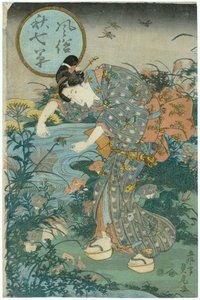
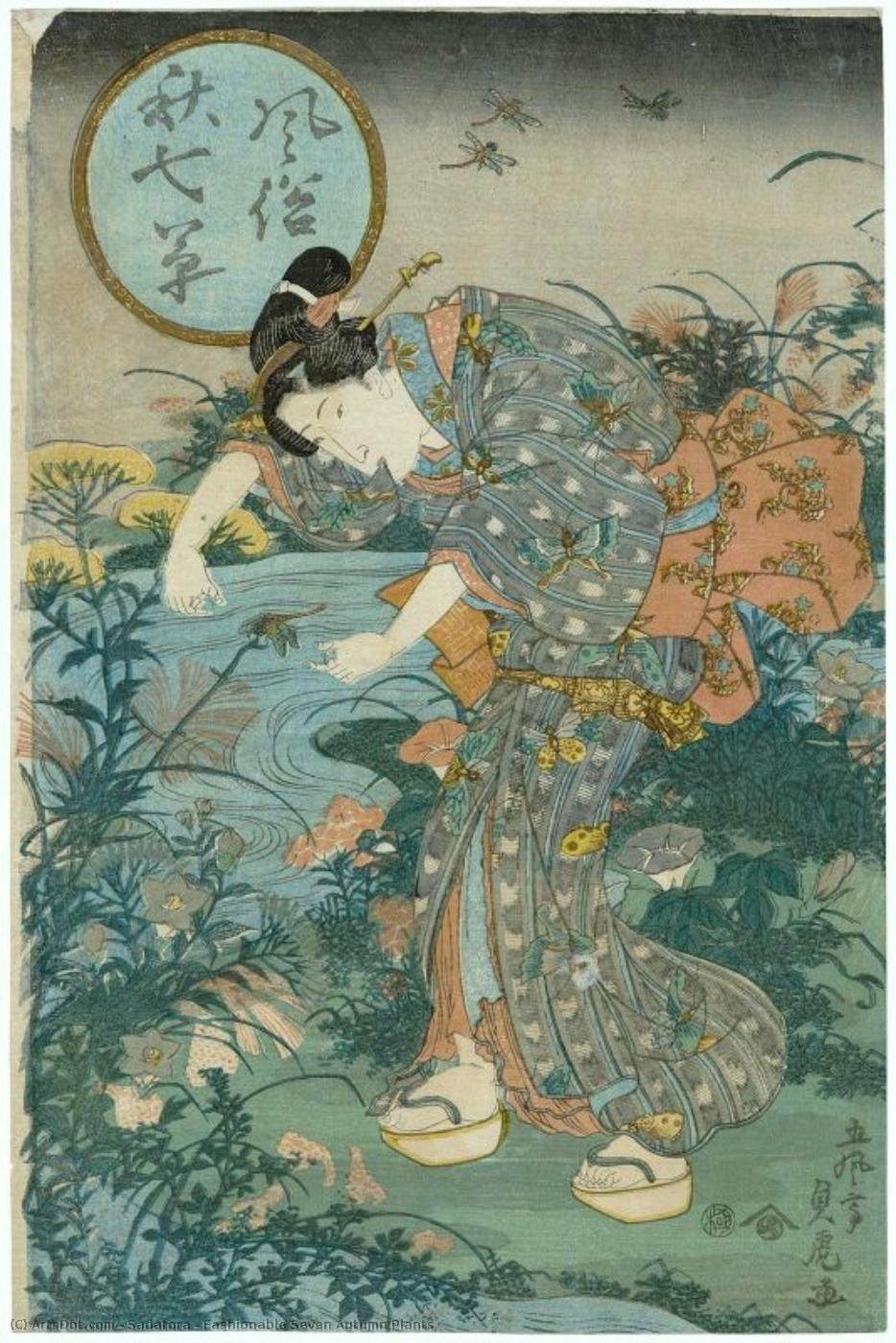
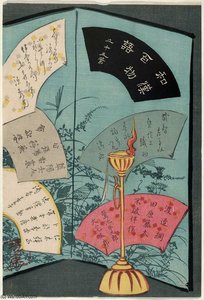
Fashionable Seven Autumn Plants

 Read More
Giclée / Art Print
Museum-quality giclée or canvas print with fast production and flexible finish options. ( Buy Hand Made Painting Buy Image)




P118B $10

P118H $10

P118W $10

P438Z $10

P508JH $12

P508YH $12

P805H $10

P805Z $10

P919BZ $10

P919G $10

P919XJ $10

P959ZH $10

P968JZ $12

W106C $8

W218G $10

W218JH $8

W218Y $10

W307PJ $10

W316G $10

W316PJ $8

W316Y $10

W398PJ $8

W4111J $10

W500HY $15

W500JH $15

W692G $12

W849H $8

W940BG $15

W953PJ $8




Pick from our preset sizes that match the artwork's original proportions.

You may enter your own dimensions to fit a specific frame or space. If your selected size does not match the original image's proportions, we will either crop the artwork or extend the image with a mirrored or solid-fill edge. A digital mockup will be sent for your approval before production begins.
Please note that the on-screen preview does not reflect the actual cropping or extension. Only the mockup will accurately show the final composition.
While custom sizes are available, we recommend selecting a dimension from the predefined list to preserve the original proportions.
Worldwide Delivery () in 2 weeks instead of standard 4/5 weeks. (22 August)

Free Worldwide Express Shipping

High-Quality Linen Canvas

Full Shipping Insurance

Customs Tax Refund Guarantee

True Color Matching Guarantee

60-Day Return Policy (Defects Only)

100% Money-Back Guarantee

Bulk Discount Offer
 Glass option is only available in size under 110 CM

Fashionable Seven Autumn Plants
Giclée / Art Print
Reproduction Size
-


Total Price
$ 63
Related Artworks
Artist Biography
Utagawa Sadatora: A Master of Edo Period Landscape and Female Portraiture
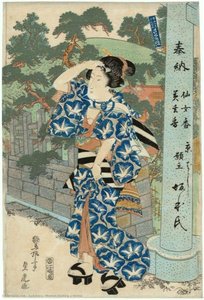
Utagawa Sadatora (c. 1825-present) stands as a captivating figure within the rich tapestry of Japanese Edo period art (1603–1867). Born around 1825 in Tokyo, he emerged from the shadow of his mentor, Utagawa Yoshitora—another celebrated designer of ukiyo-e prints—establishing himself as a distinctive voice amidst the artistic fervor of his time. Sadatora’s prolific output spanned roughly from 1818 to 1844, adopting the pseudonym Gofûtei (五風亭), signifying “Five Winds Pavilion,” reflecting his sensitivity to atmospheric conditions and natural beauty – elements that would become hallmarks of his oeuvre. ### Early Influences and Artistic Training Sadatora’s artistic journey began under Yoshitora's tutelage, absorbing foundational techniques in woodblock printing and mastering the art of capturing fleeting moments of nature and human emotion. Yoshitora himself was a pioneer in blending Western influences with traditional Japanese aesthetics, particularly evident in his depictions of landscapes infused with Impressionistic brushstrokes. This exposure undoubtedly shaped Sadatora’s artistic sensibilities, fostering an appreciation for both meticulous observation and expressive artistry. He honed his skills further studying under Hiroshige, whose masterful panoramas solidified the genre's reputation for conveying sublime vistas and capturing the spirit of the season. ### Style and Technique: Embracing Atmospheric Impressionism Sadatora distinguished himself through a remarkable ability to translate atmospheric conditions into visual splendor—a technique deeply rooted in the Edo period’s fascination with observation and artistic innovation. Unlike many of his contemporaries who adhered rigidly to established conventions, Sadatora embraced elements of Impressionism, prioritizing capturing the ephemeral qualities of light and color. This approach is vividly demonstrated in iconic prints such as “Fashionable Seven Autumn Plants,” where he skillfully renders the hues of autumnal foliage bathed in diffused sunlight—a masterful feat of tonal gradation and nuanced coloration. The artist’s meticulous attention to detail extended beyond mere representation; he imbued his compositions with symbolic resonance, reflecting Confucian ideals of harmony and contemplation. ### Notable Works and Recurring Themes Sadatora's artistic legacy rests upon a substantial body of prints that explore diverse subjects—primarily landscapes infused with seasonal symbolism and portraits depicting women engaged in graceful activities. “Women Visiting a Shrine,” exemplifies Sadatora’s penchant for portraying female figures within serene natural settings, conveying an aura of tranquility and spiritual contemplation. These images are characterized by delicate brushwork, subtle color palettes, and meticulous rendering of textures – reflecting the artist's dedication to capturing the essence of his subjects. Recurring motifs included chrysanthemums (representing nobility), maple leaves (symbolizing autumn’s beauty and impermanence), and cranes (associated with longevity and auspiciousness). His prints are treasured for their aesthetic elegance and profound philosophical undertones, cementing Sadatora’s place as one of Edo period's most accomplished artists. ### Legacy and Historical Significance Utagawa Sadatora’s contribution to Japanese art history transcends mere stylistic innovation; he embodies the spirit of a transformative era marked by intellectual curiosity and artistic experimentation. His embrace of Impressionistic principles challenged prevailing artistic norms, paving the way for future generations of printmakers to explore new expressive possibilities. Furthermore, his depictions of women—often portrayed in contemplative poses amidst landscapes—offer valuable insights into Edo period social customs and ideals concerning femininity and spirituality. Sadatora’s enduring influence can be discerned in subsequent artistic movements, demonstrating the lasting impact of his pioneering vision—a testament to his artistry as a true master of ukiyo-e and a pivotal figure in Japanese cultural heritage.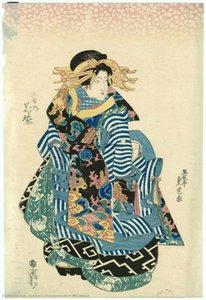
sadatora
Japan
Quick Facts
- Artistic Movement Or Style: Ukiyo-e
- Artists Or Movements Influenced By This Artist: ['']
- Artists Who Influenced This Artist: ['Utagawa Toyoshige']
- Date Of Birth: c. 1825
- Full Name: Utagawa Sadatora
- Nationality: Japanese
- Notable Artworks:
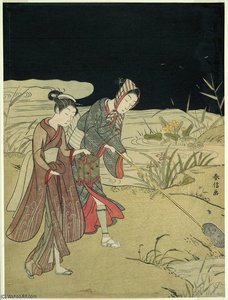
- Women Visiting a Shrine
- Fashionable Seven Autumn Plants
- Place Of Birth: Tokyo, Japan
Related Articles
The Flourishing Canvas: A Historical & Artistic Exploration of Botanical Illustration
Explore the rich history of botanical illustration! Discover key artists like Havell & Barraband, learn about scientific accuracy & aesthetic beauty. Shop museum-quality reproductions at ArtsDot.
The Flourishing Canvas: A Historical Journey Through Botanical Illustration
Explore the captivating history of botanical illustration! Discover renowned artists like Robert Havell & Mary Walcott, learn about techniques, and find museum-quality art at ArtsDot.com.
Victorian Botanical Painting: Science, Art & Aesthetic Sensibility
Explore the exquisite world of Victorian botanical art! Discover the science & artistry behind stunning floral illustrations by Gould, Muckley & more. Learn about collecting, value & investment at ArtsDot.
The Flourishing Canvas: A Historical Journey Through Botanical Illustration
Explore the captivating history of botanical illustration! Discover renowned artists like Robert Havell & Mary Walcott, learn about techniques, and find museum-quality art at ArtsDot.com.

The Evocative Detail of Nature: A History of Naturalistic Illustration
Explore the rich history of botanical illustration! Discover pioneering artists like Maria Sibylla Merian & Marianne North. Learn about scientific precision, artistic expression, and find museum-quality reproductions at ArtsDot.