 Preview
 Send
Send Share
Share
 Details

 Download
 Similars
 X-Ray
X-Ray Diaporama
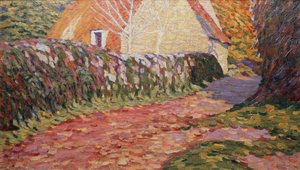
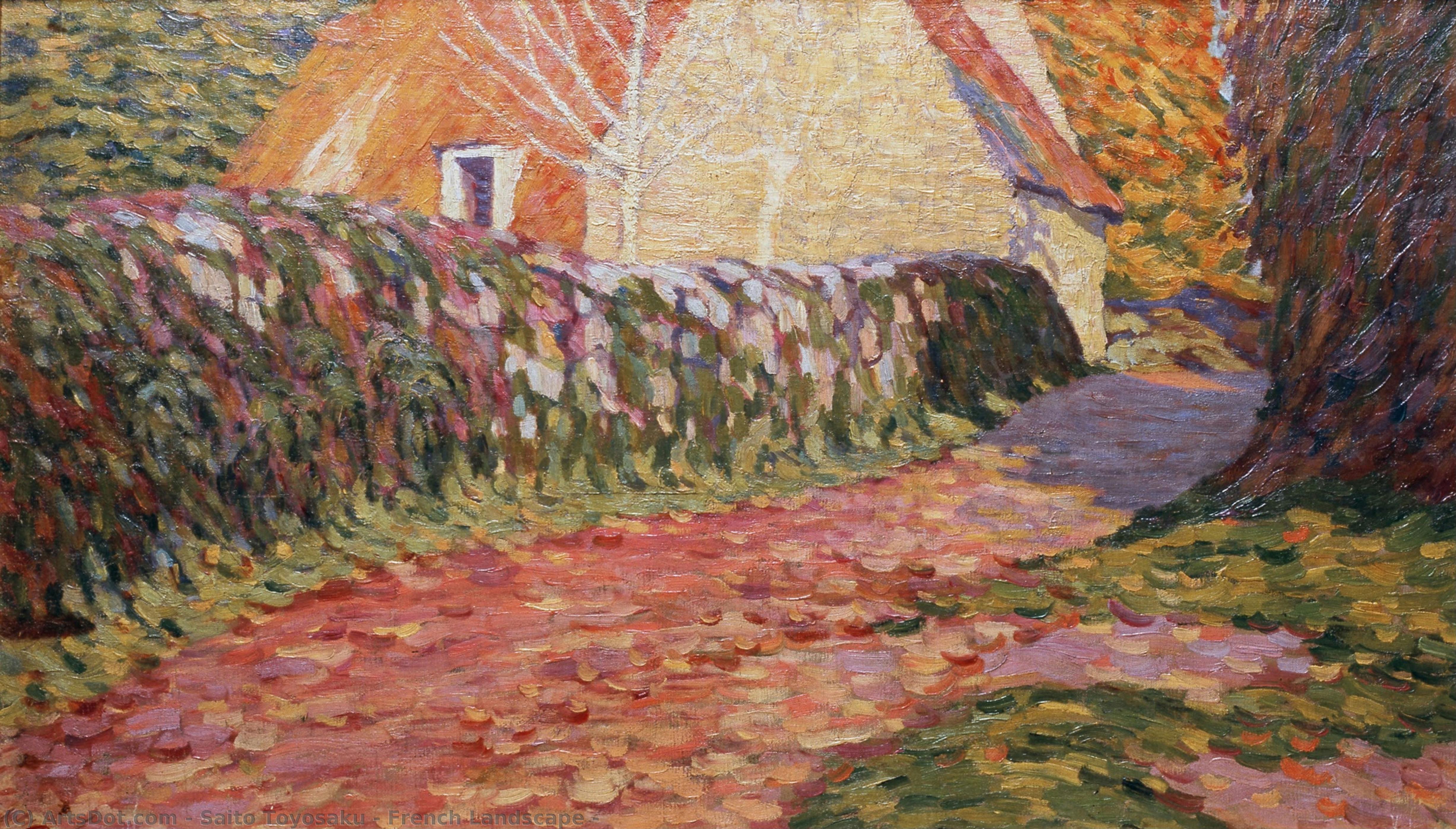
French Landscape Ⅱ
 Pointillism
 80.0 x 47.0 cm
 Read More
Hand Made Oil Reproduction
Hand-painted oil on canvas in your size and frame, made to order by our artists. ( Buy Print Buy Image)




































Pick from our preset sizes that match the artwork's original proportions.

You may enter your own dimensions to fit a specific frame or space. If your selected size does not match the original image's proportions, we will either crop the artwork or extend the painting with additional hand-painted elements. A digital mockup will be sent for your approval before production begins.
Please note that the on-screen preview does not reflect the actual cropping or extension. Only the mockup will accurately show the final composition.
While custom sizes are available, we recommend selecting a dimension from the predefined list to preserve the original proportions.
After order, ArtsDot.com team will email client for instructions and provide a mockup preview
Worldwide Delivery () in 3/4 weeks instead of standard 5 weeks. (26 August). No compromise on quality.

Free Worldwide Express Shipping

High-Quality Linen Canvas

Full Shipping Insurance

Customs Tax Refund Guarantee

True Color Matching Guarantee

60-Day Return Policy (Defects Only)

100% Money-Back Guarantee

Bulk Discount Offer
 Glass option is only available in size under 110 CM

French Landscape Ⅱ
Reproduction Medium
Reproduction Size
-


Total Price
$ 263
Artwork Description
Related Artworks

Artist Biography
The Genesis of a Masterful Vision
Saito Toyosaku, born in the vibrant heart of Tokyo in 1884, emerged as a transformative force within the burgeoning Japanese oil painting movement of the early twentieth century. Raised within a family deeply rooted in artistic tradition, his formative years were defined by an intimate connection to the natural world and a profound respect for the delicate aesthetics of his heritage. This foundation—built upon the principles of harmony, balance, and subtle gradation—would later serve as the bedrock for his revolutionary experiments with Western techniques.His journey was not merely one of technical mastery but of a spiritual quest to bridge two distinct worlds. While his formal education at the Tokyo School of Fine Arts provided him with the rigorous tools of perspective and color theory, it was his innate ability to infuse these Western methods with an Eastern sensibility that truly defined his genius. As he matured, Saito became more than just a painter; he became a pioneer, navigating the delicate intersection of tradition and modernism.
A Parisian Symphony: The Influence of Neo-Impressionism
The trajectory of Saito’s career shifted dramatically following his transformative travels to France. Arriving in Paris in 1906, he found himself immersed in the luminous atmosphere of a continent undergoing an artistic revolution. It was here that he encountered the captivating brilliance of Neo-Impressionism, a movement that would forever alter his brushwork and perception of light. Unlike the scientific and meticulous division of color practiced by masters such as Seurat or Signac, Saito adopted a more poetic approach to pointillism.He became enamored with the way light could be captured through small, vibrant dots of color, yet he infused this technique with a uniquely Japanese lyricism. Upon his return to Japan, he became a vital conduit for these new trends, introducing the rhythmic energy of French modernism to prestigious circles such as the Bunten and the Nika-kai association. His later travels to France in 1920 allowed him to further refine this style, settling there for a time to absorb the very essence of the European landscape.
Capturing the Breath of Nature
Saito’s oeuvre is most celebrated for its breathtaking landscapes, which seem to breathe with an internal, pulsating light. His compositions often transcend mere representation, aiming instead to capture the very essence of atmosphere and emotion. Whether depicting the serene, mist-covered vistas of Hakone National Park or the sun-drenched lanes of Brittany, his work possesses a remarkable luminosity that invites the viewer into a dreamlike state.His technical prowess is most evident in several defining characteristics:
- The Art of Layering: Saito utilized a sophisticated method of layering colors to create profound depth and texture, mirroring the atmospheric effects seen in European Impressionism.
- Pointillist Poetics: His use of vivid, colorful dots allowed him to reinterpret landscapes as symphonies of light, where touches of yellow and vermilion could dance atop one another to recreate a glittering afternoon sun.
- The Nika-kai Spirit: As a prominent member of the Nika-kai association, his work embodied the avant-garde spirit, pushing the boundaries of what Japanese oil painting could achieve through experimentation and dialogue with international trends.
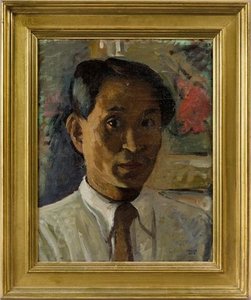
saito toyosaku
1884 - 1953 , Japan
Quick Facts
- Artistic Movement Or Style: Oil painting; Nika-kai association
- Date Of Birth: 1884
- Date Of Death: 1953
- Full Name: Saito Toyosaku
- Nationality: Japanese
- Notable Artworks: ['French Landscape Ⅱ']
- Place Of Birth: Tokyo, Japan
Related Articles

Hokusai's Masterpieces: 25 Iconic Prints & Paintings for Art Lovers | ArtsDot
Journey through Katsushika Hokusai’s 25 most iconic artworks, including *The Great Wave*. Explore the ukiyo-e master's history, style & timeless Japanese woodblock prints. Find museum-quality reproductions for your home at ArtsDot.com.

Romantic Landscapes: 10 Masterpieces for Your Home | ArtsDot
Journey through 10 Romantic landscape masterpieces by Friedrich, Turner & Cole. Explore emotional art, sublime nature scenes & iconic 19th-century paintings. Find museum-quality reproductions for your home at ArtsDot.com – discover the full collection online!

Evocations of Place: A Historical Journey Through Landscape Art
Explore the rich history of landscape art with ArtsDot. Discover renowned artists, movements like Impressionism & Romanticism, and expert guidance for collecting timeless pieces. Find your perfect serene escape today!

John Constable's Masterpieces: Explore 25 Iconic Landscapes for Your Home
Journey through John Constable's 25 most celebrated landscapes. Explore Romanticism, Dedham Vale & his masterful use of light in iconic paintings like 'Hay Wain'. Find museum-quality art reproductions and elevate your home decor on ArtsDot.com.

Serenity on Canvas: A Guide to the Timeless Beauty of Japanese Landscape Painting
Discover the serene beauty of Japanese landscape painting. From Hokusai's iconic woodblock prints to meditative sumi-e ink washes, explore a visual journey through the 'floating world' and learn how to bring this timeless Zen aesthetic into your modern home decor.