 Preview
 Send
Send Share
Share
 Details

 Download
 Similars
 X-Ray
X-Ray Diaporama
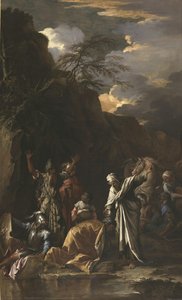
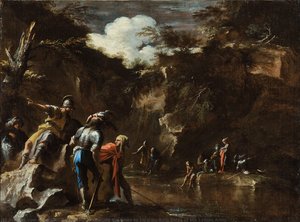
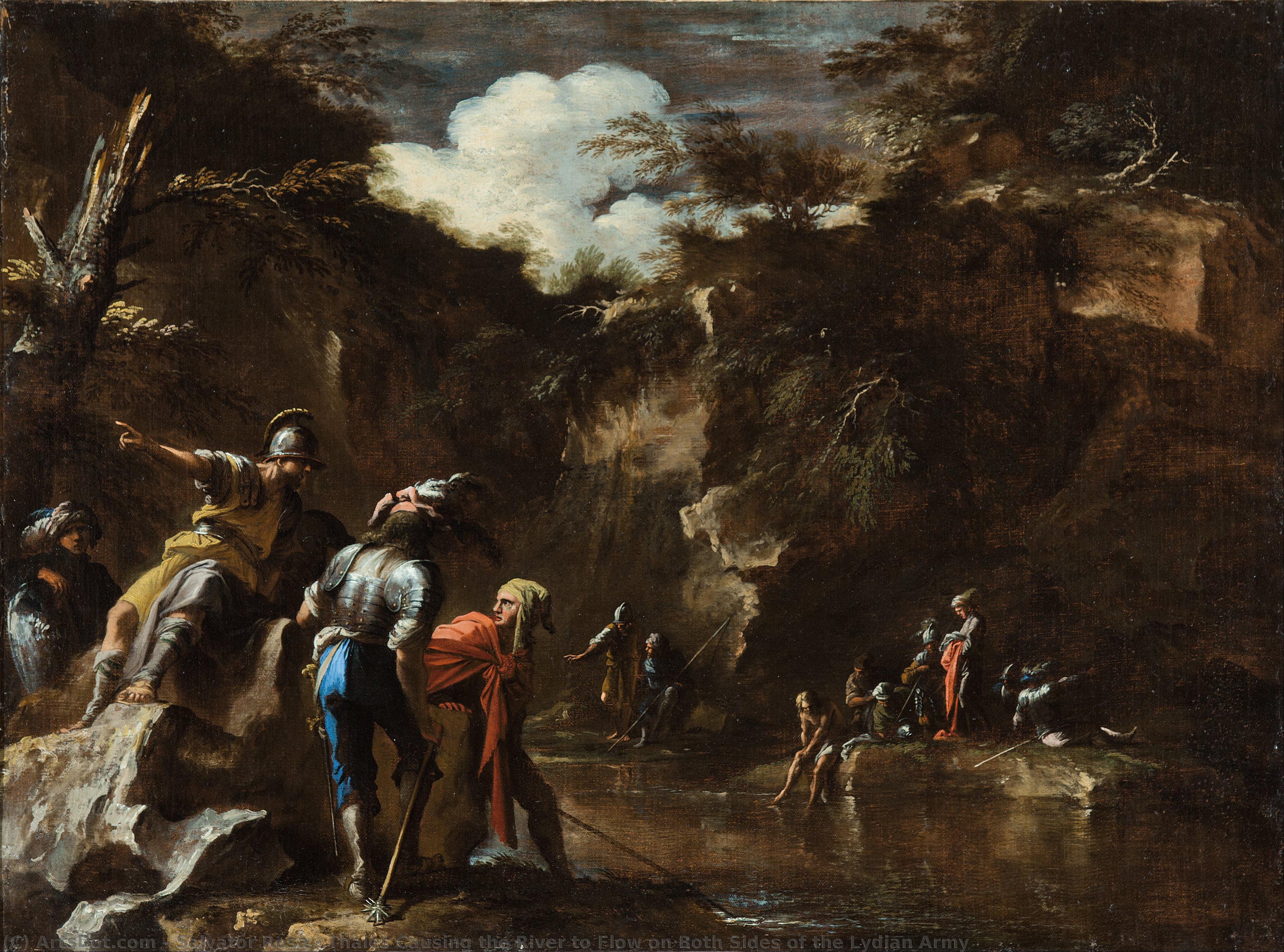
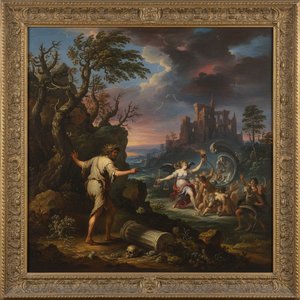
Thales Causing the River to Flow on Both Sides of the Lydian Army


 Read More
Hand Made Oil Reproduction
Hand-painted oil on canvas in your size and frame, made to order by our artists. ( Buy Print Buy Image)




P118B $10

P118H $10

P118W $10

P438Z $10

P508JH $12

P508YH $12

P805H $10

P805Z $10

P919BZ $10

P919G $10

P919XJ $10

P959ZH $10

P968JZ $12

W106C $8

W218G $10

W218JH $8

W218Y $10

W307PJ $10

W316G $10

W316PJ $8

W316Y $10

W398PJ $8

W4111J $10

W500HY $15

W500JH $15

W692G $12

W849H $8

W940BG $15

W953PJ $8




Pick from our preset sizes that match the artwork's original proportions.

You may enter your own dimensions to fit a specific frame or space. If your selected size does not match the original image's proportions, we will either crop the artwork or extend the painting with additional hand-painted elements. A digital mockup will be sent for your approval before production begins.
Please note that the on-screen preview does not reflect the actual cropping or extension. Only the mockup will accurately show the final composition.
While custom sizes are available, we recommend selecting a dimension from the predefined list to preserve the original proportions.
After order, ArtsDot.com team will email client for instructions and provide a mockup preview
Worldwide Delivery () in 3/4 weeks instead of standard 5 weeks. (17 August). No compromise on quality.

Free Worldwide Express Shipping

High-Quality Linen Canvas

Full Shipping Insurance

Customs Tax Refund Guarantee

True Color Matching Guarantee

60-Day Return Policy (Defects Only)

100% Money-Back Guarantee

Bulk Discount Offer
 Glass option is only available in size under 110 CM

Thales Causing the River to Flow on Both Sides of the Lydian Army
Reproduction Medium
Reproduction Size
-


Total Price
$ 263
Artwork Description
Salvator Rosa’s “Thales Causing the River to Flow on Both Sides of the Lydian Army” – A Baroque Vision of Mythic Narrative
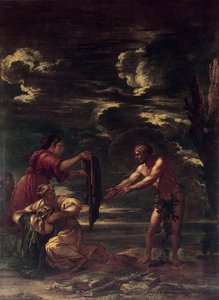
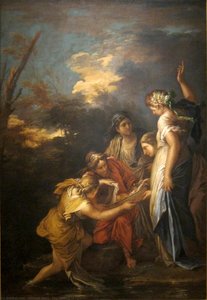
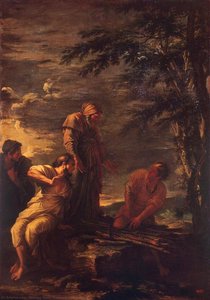
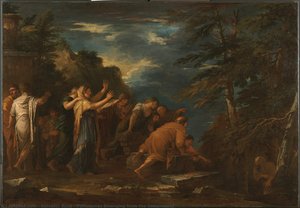
Salvator Rosa's "Thales Causing the River to Flow on Both Sides of the Lydian Army," painted around 1663-64, stands as a testament to the baroque artistic spirit—a dramatic fusion of observation and imagination that seeks to overwhelm the viewer with grandeur and emotion. Executed in oil on canvas, this monumental artwork resides within the Art Gallery of South Australia’s collection (Accession Number: 894P7), offering visitors a glimpse into a pivotal moment captured by one of Italy's most influential painters. The scene depicts a biblical tableau—the legendary tale of Thales of Miletus persuading Zeus to unleash a torrent of water upon the Lydian army, bolstering Greek forces against their Persian adversaries. Rosa’s masterful depiction isn’t merely a literal recounting of the myth; it’s an intensely theatrical rendering imbued with baroque conventions. The composition is dominated by a wide expanse of rocky terrain punctuated by a swiftly flowing river—a visual metaphor for divine intervention and decisive action. Nine figures populate the canvas, meticulously arranged to convey both spatial depth and narrative urgency. Soldiers jostle amongst themselves, attempting to gain advantage over their opponents, while Thales himself stands prominently at the river’s edge, radiating authority and channeling Zeus's power. Rosa’s technique is characterized by a rich textural surface achieved through impasto—thickly applied paint that creates palpable ridges and valleys—a hallmark of baroque painting aimed at simulating reality with heightened visual impact. The artist skillfully employs chiaroscuro—the dramatic interplay of light and shadow—to sculpt the forms of his subjects and heighten the sense of drama. Light illuminates Thales’s face, emphasizing his determination, while plunging much of the army into darkness, symbolizing vulnerability and impending defeat. Rosa's palette is muted yet vibrant, favoring earthy tones punctuated by flashes of color that draw attention to key elements within the composition. Beyond its visual splendor, “Thales Causing the River to Flow on Both Sides of the Lydian Army” resonates with profound symbolic significance. The river represents divine providence—the unpredictable force shaping human destiny—while Zeus embodies supreme power and judgment. Rosa’s portrayal underscores the importance of faith and courage in confronting adversity, presenting a heroic narrative framed within the grandeur of mythological storytelling. It's a scene designed not just to depict an event but to evoke a feeling – one of awe, apprehension, and ultimately, triumph over darkness. Rosa’s artistic legacy extends far beyond this single masterpiece. Influenced by artists like Ribera and Poussin, he championed a naturalistic approach tempered with expressive idealism—a stylistic hallmark that distinguishes him from his contemporaries. His unwavering commitment to capturing the essence of human experience solidified his position as a leading voice in baroque art, ensuring “Thales Causing the River to Flow on Both Sides of the Lydian Army” continues to inspire admiration and contemplation centuries later.Related Artworks


Artist Biography
**early life and training**
salvator rosa, an italian baroque painter, poet, and printmaker, was born in arenella, naples, on either june 20 or july 21, 1615. his mother, giulia greca rosa, was a member of one of the greek families of sicily. despite his father's wishes for him to become a lawyer or priest, salvator showed a preference for the arts from an early age.**artistic career**
salvator rosa's artistic career was marked by his unorthodox and extravagant style, which set him apart from his contemporaries. he was active in naples, rome, and florence, and his work was influenced by the naturalism of ribera and the classicism of poussin. however, he refused to be tied down by any particular style or movement.- pythagoras emerging from the underworld (kimbell art museum, fort worth, united states), one of his most famous works, showcases his unique blend of philosophical and artistic themes.
- his the baptism of the eunuch (chrysler museum of art, norfolk, united states) demonstrates his ability to infuse high drama into even minor bible stories.
**influences and legacy**
salvator rosa's work had a significant impact on the development of baroque art. his influence can be seen in the works of later artists, such as luca giordano, who continued to push the boundaries of artistic expression. **important links:** salvator rosa's profile on ArtsDot wikipedia: salvator rosa pythagoras emerging from the underworld on ArtsDot**conclusion**
salvator rosa's life and work continue to fascinate art lovers and historians alike. his unorthodox style and perpetual rebellion against the norms of his time have cemented his place in the annals of baroque art. as a painter, poet, and printmaker, he remains an enigmatic figure, and his work continues to inspire new generations of artists and art enthusiasts.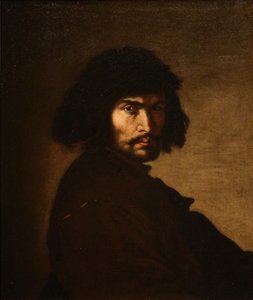
Salvator Rosa
1615 - 1673 , Italy
Quick Facts
- Artistic Movement Or Style: Baroque art
- Artists Or Movements Influenced By This Artist: ['Luca Giordano']
- Artists Who Influenced This Artist: ['José de Ribera']
- Date Of Birth: June 20, 1615
- Full Name: Salvator Rosa
- Nationality: Italian
- Notable Artworks:
- View of the Gulf of Salerno
- Study for 'Il Genio di Rosa
- Grotto with Cascades
- Place Of Birth: Arenella, Sicily
Related Articles
Salvator Rosa: A Baroque Rebel's Vision of Landscape, Allegory & the Human Condition
Explore the captivating world of Salvator Rosa, a rebellious Baroque master. Discover his dramatic landscapes, allegorical paintings & lasting influence on Romanticism. Hand-painted reproductions available at ArtsDot.
Echoes of Olympus: Mythological Narratives in Western Art Through the Ages
Explore the captivating history of mythological narratives in Western art! From ancient Greece to modern masterpieces, discover iconic artworks & symbolism. Expert analysis and high-quality reproductions at ArtsDot.

Baroque Drama: Bringing Opulence & Emotion into Contemporary Interiors
Explore the opulent world of Baroque interior design! Discover key elements, modern applications & how to bring dramatic elegance into your home with 's authentic reproductions.

The Dramatic Flourish: Exploring the Baroque Movement's Enduring Legacy in Art History
Explore the dramatic world of Baroque art! Discover iconic artists like Caravaggio & Rubens, defining techniques, and its lasting impact on art history. Expert insights for collectors & enthusiasts at ArtsDot.

Baroque Masterpieces: 10 Paintings That Defined an Era |
Journey through the drama & grandeur of Baroque art! Explore 10 masterpieces by Caravaggio, Rembrandt, Rubens & more. Discover stunning oil paintings, rich colors & timeless stories. Find museum-quality reproductions at .