 Preview
 Send
Send Share
Share
 Details

 Download
 Similars
 X-Ray
X-Ray Diaporama
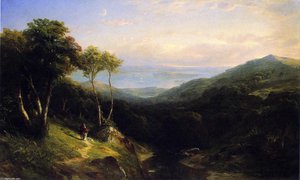
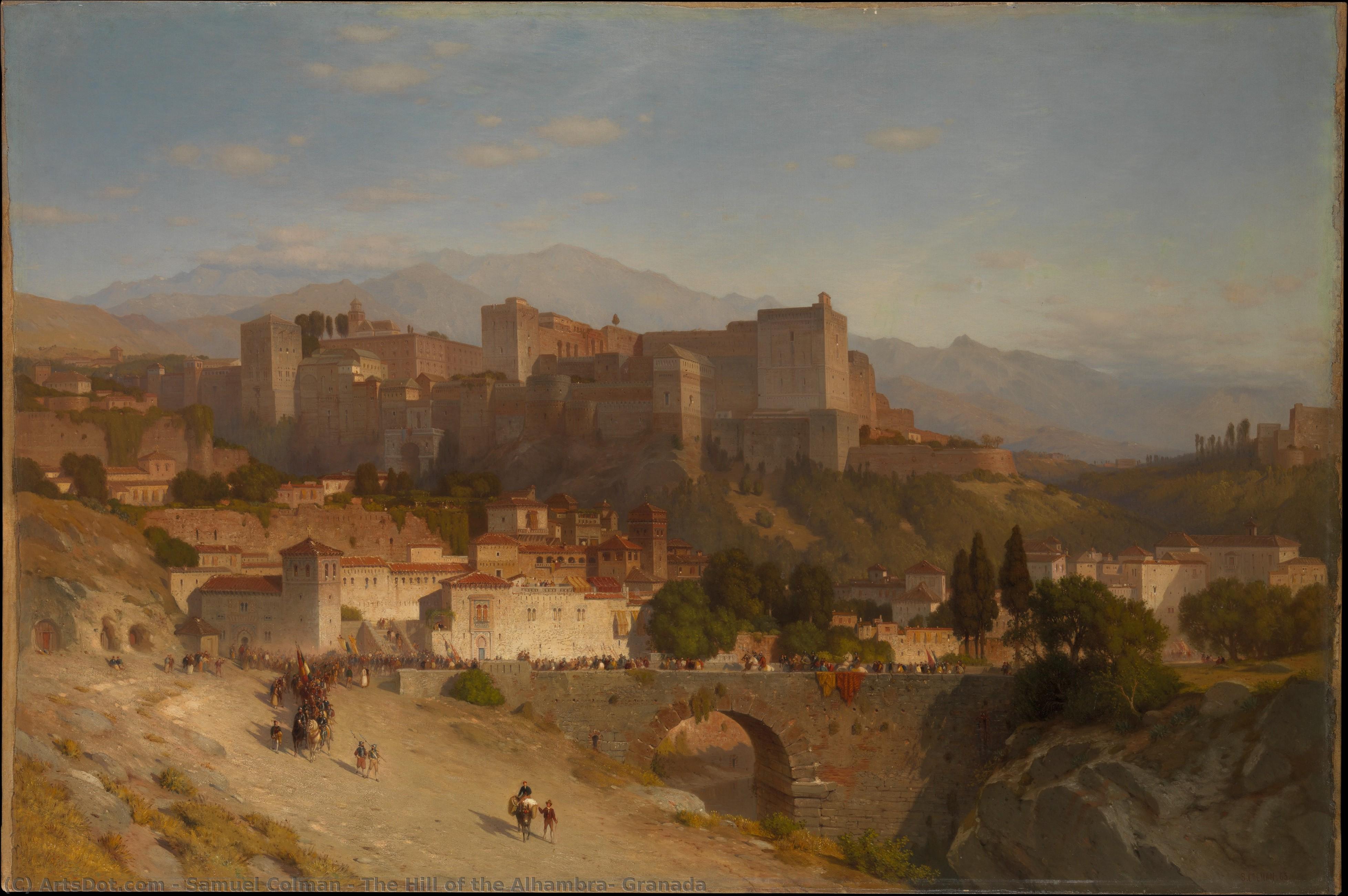
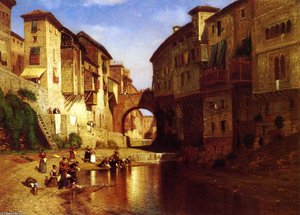
The Hill of the Alhambra, Granada
 Oil On Canvas
- WallArt
- Romantic Landscape
 1865
1865 121.0 x 184.0 cm
 Metropolitan Museum of Art
 Read More
Hand Made Oil Reproduction
Hand-painted oil on canvas in your size and frame, made to order by our artists. ( Buy Print Buy Image)




P118B $10

P118H $10

P118W $10

P438Z $10

P508JH $12

P508YH $12

P805H $10

P805Z $10

P919BZ $10

P919G $10

P919XJ $10

P959ZH $10

P968JZ $12

W106C $8

W218G $10

W218JH $8

W218Y $10

W307PJ $10

W316G $10

W316PJ $8

W316Y $10

W398PJ $8

W4111J $10

W500HY $15

W500JH $15

W692G $12

W849H $8

W940BG $15

W953PJ $8




Pick from our preset sizes that match the artwork's original proportions.

You may enter your own dimensions to fit a specific frame or space. If your selected size does not match the original image's proportions, we will either crop the artwork or extend the painting with additional hand-painted elements. A digital mockup will be sent for your approval before production begins.
Please note that the on-screen preview does not reflect the actual cropping or extension. Only the mockup will accurately show the final composition.
While custom sizes are available, we recommend selecting a dimension from the predefined list to preserve the original proportions.
After order, ArtsDot.com team will email client for instructions and provide a mockup preview
Worldwide Delivery () in 3/4 weeks instead of standard 5 weeks. (22 August). No compromise on quality.

Free Worldwide Express Shipping

High-Quality Linen Canvas

Full Shipping Insurance

Customs Tax Refund Guarantee

True Color Matching Guarantee

60-Day Return Policy (Defects Only)

100% Money-Back Guarantee

Bulk Discount Offer
 Glass option is only available in size under 110 CM

The Hill of the Alhambra, Granada
Reproduction Medium
Reproduction Size
-


Total Price
$ 263
Artwork Description
A Panoramic Vision of Moorish Majesty: Samuel Colman’s “The Hill of the Alhambra”
Samuel Colman's "The Hill of the Alhambra," painted in 1865, stands as a testament to Romantic landscape painting—a genre obsessed with capturing sublime beauty and conveying profound emotion. More than just a depiction of Granada’s iconic palace complex, it embodies an era grappling with fascination for exotic cultures and a yearning for idealized vistas. Colman's masterful execution elevates the scene beyond mere observation; he invites viewers into a contemplative experience rooted in both artistic innovation and historical awareness.Composition and Perspective: Embracing Atmospheric Depth
The canvas presents a sweeping panorama of the Alhambra, dominating the horizontal expanse with its monumental walls and towers. Colman skillfully employs perspective to create an illusion of depth—layers of buildings ascend towards the hazy sky, punctuated by strategically placed pathways that draw the eye into the composition’s core. Unlike the crisp realism favored by earlier landscape painters like Asher Durand, Colman deliberately softens edges and diffuses light, mirroring the overcast conditions prevalent in Granada at the time. This technique contributes significantly to the artwork's mood—a serene grandeur tempered by a subtle melancholy.Color Palette and Texture: Echoes of Moorish Heritage
Dominating the color palette is a muted earth tone – browns, ochres, and grays – reflecting the weathered stone of the Alhambra itself and mirroring the pervasive atmospheric haze. Colman’s brushstrokes are loose and expressive, layering pigment to build up textural surfaces that convey the grandeur of the palace complex. These visible marks of artistic labor aren't merely decorative; they imbue the painting with a palpable sense of immediacy and authenticity. The artist captures not just what he sees but also how it feels—the coolness of shade against the warmth of stone, creating an immersive visual experience for the viewer.Symbolism: Representing Cultural Legacy
The Alhambra, perched atop Gibralfaro Hill, served as a symbol of Moorish rule in Spain for centuries before its eventual Christian reconquest. Colman’s depiction underscores this historical significance—a reminder of a vibrant cultural heritage that continues to inspire awe and admiration. The palace's intricate geometric patterns and ornate decorations speak to the artistic sophistication of Islamic art, contrasting sharply with the more restrained aesthetic sensibilities of Victorian England. By placing the Alhambra within a dramatic landscape setting, Colman elevates it beyond its architectural form, transforming it into an emblem of enduring beauty and cultural richness.Romantic Landscape Ideal: Capturing Emotion Through Nature
“The Hill of the Alhambra” exemplifies the Romantic movement’s fascination with untamed landscapes and emotional response to natural grandeur. Unlike Neoclassical painters who sought order and rationality, Romantics prioritized feeling—the sublime terror and exhilaration evoked by confronting overwhelming beauty. Colman achieves this effect through masterful use of light and color, inviting viewers to contemplate the majesty of the Alhambra against the backdrop of a brooding mountainscape. It’s a painting that lingers in the mind long after viewing, prompting reflection on themes of history, culture, and the transformative power of art.- Artist: Samuel Colman
- Year: 1865
- Medium: Oil on Canvas
- Dimensions: 47 1/2 x 72 1/2 in. (120.7 x 184.2 cm)
Explore this captivating artwork at The Metropolitan Museum of Art.
Related Artworks
Artist Biography
A Life Painted in Light: The World of Samuel Colman
Samuel Colman, born in Portland, Maine, in 1832, was a figure who gracefully navigated the evolving currents of 19th-century American art. He wasn’t simply a painter; he was an explorer of mediums, a keen observer of cultures, and ultimately, a polymath whose artistic pursuits extended far beyond the canvas. His early life, steeped in the literary atmosphere of his father's bookstore in New York City, undoubtedly fostered a sensibility that would inform his later work – a sensitivity to narrative, detail, and the power of visual storytelling. While he received foundational training under Asher Durand, a cornerstone of the Hudson River School, Colman quickly began forging his own path, one characterized by an insatiable curiosity and a willingness to embrace new influences.From American Landscapes to Global Visions
Colman’s initial artistic endeavors firmly placed him within the tradition of the Hudson River School. Paintings like “Meadows and Wildflowers at Conway” (1856) exemplify this early style – meticulous depictions of the American landscape, imbued with a romantic sensibility that celebrated the nation's natural beauty. However, unlike some of his contemporaries who remained devoted to purely domestic subjects, Colman possessed an adventurous spirit that propelled him across continents. His extensive travels throughout Europe in the 1860s and early 1870s – encompassing France, Spain, Italy, Morocco, Egypt, Holland, and Algeria – proved transformative. These journeys weren’t merely sightseeing expeditions; they were immersive studies of light, color, architecture, and culture. He began to incorporate architectural elements into his paintings—cityscapes, castles, bridges—reflecting a broadening artistic vision. This shift is evident in works depicting scenes from the Mediterranean, where he masterfully captured the interplay between ancient structures and vibrant local life. Later journeys to the American West further expanded his repertoire, yielding landscapes that rivaled those of Thomas Moran in scope and dramatic impact.A Champion of Watercolor and Beyond
Colman’s contributions weren't limited to oil painting. He was a passionate advocate for watercolor, recognizing its unique potential as a fine art medium. In 1866, he co-founded the American Watercolor Society, becoming its first president and tirelessly championing the cause of this often-underappreciated technique. His skill in watercolor is remarkable; his works demonstrate a delicate balance between spontaneity and control, capturing fleeting moments of light and atmosphere with breathtaking precision. Beyond painting, Colman was also an accomplished etcher, producing popular prints that further disseminated his artistic vision. But even as he excelled in these traditional mediums, his interests continued to diversify. In the 1880s, he transitioned into interior design, collaborating with Louis Comfort Tiffany on projects for prominent figures like Samuel Clemens (Mark Twain) and Henry and Louisine Havemeyer. This foray into design showcased his innate understanding of color, form, and spatial harmony.Scholarship, Geometry, and a Lasting Legacy
In the later years of his life, Colman’s intellectual curiosity led him down increasingly unconventional paths. He amassed an impressive collection of Asian decorative objects, demonstrating a deep appreciation for non-Western art forms. More remarkably, he dedicated himself to exploring the mathematical principles underlying artistic composition, culminating in the publication of two books: “Nature's Harmonic Unity” (1912) and “Proportional Form” (1920). These works reveal a profound belief that beauty is rooted in geometric harmony – a concept that informed his own artistic practice. Samuel Colman passed away in New York City in 1920, leaving behind a rich and varied body of work. His paintings are held in major museum collections, including The Metropolitan Museum of Art and the Smithsonian American Art Museum, ensuring his place as a significant figure in American art history. He stands as a testament to the power of artistic exploration, demonstrating that true creativity knows no boundaries—whether geographical, stylistic, or disciplinary. His legacy is not simply one of beautiful paintings, but of a life lived in pursuit of beauty and understanding.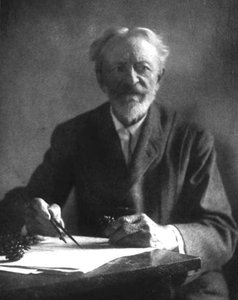
Samuel Colman
1832 - 1920 , United Kingdom
Quick Facts
- Artistic Movement Or Style: Hudson River School
- Artists Or Movements Influenced By This Artist: ['American Watercolor Society']
- Artists Who Influenced This Artist: ['Asher Durand']
- Date Of Birth: March 4, 1832
- Date Of Death: March 26, 1920
- Full Name: Samuel Colman
- Nationality: American
- Notable Artworks:
- Storm King on the Hudson
- Meadows and Wildflowers
- Ausable River
- Washing Day, Granada
- Place Of Birth: Portland, Maine
Related Articles

Romantic Landscapes: 10 Masterpieces for Your Home | ArtsDot
Journey through 10 Romantic landscape masterpieces by Friedrich, Turner & Cole. Explore emotional art, sublime nature scenes & iconic 19th-century paintings. Find museum-quality reproductions for your home at ArtsDot.com – discover the full collection online!

Evocations of Place: A Historical Journey Through Landscape Art
Explore the rich history of landscape art with ArtsDot. Discover renowned artists, movements like Impressionism & Romanticism, and expert guidance for collecting timeless pieces. Find your perfect serene escape today!

John Constable's Masterpieces: Explore 25 Iconic Landscapes for Your Home
Journey through John Constable's 25 most celebrated landscapes. Explore Romanticism, Dedham Vale & his masterful use of light in iconic paintings like 'Hay Wain'. Find museum-quality art reproductions and elevate your home decor on ArtsDot.com.
The Sublime and the Picturesque: Exploring Emotion & Nature in Romantic Landscape Painting
Explore the emotional power of Romantic landscape painting! Discover the sublime & picturesque traditions, key artists like Friedrich & Cole, and find your perfect artwork at ArtsDot.
The Sublime and the Picturesque: Exploring Emotion & Nature in Romantic Landscape Painting
Explore the emotional power of Romantic landscape painting! Discover the sublime & picturesque aesthetics, key artists like Friedrich & Cole, and lasting influence on art history. Find your perfect piece at ArtsDot.
![Moorish Mosque of Sidi Halou Tlemcin [Tlemcen], Algeria](/media/artworks/images-thumb/ad/b5/adb59b00d728845448ec3b561273a2fc.jpg)