 Preview
 Send
Send Share
Share
 Details

 Download
 Similars
 X-Ray
X-Ray Diaporama
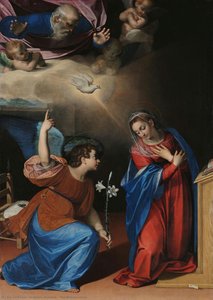
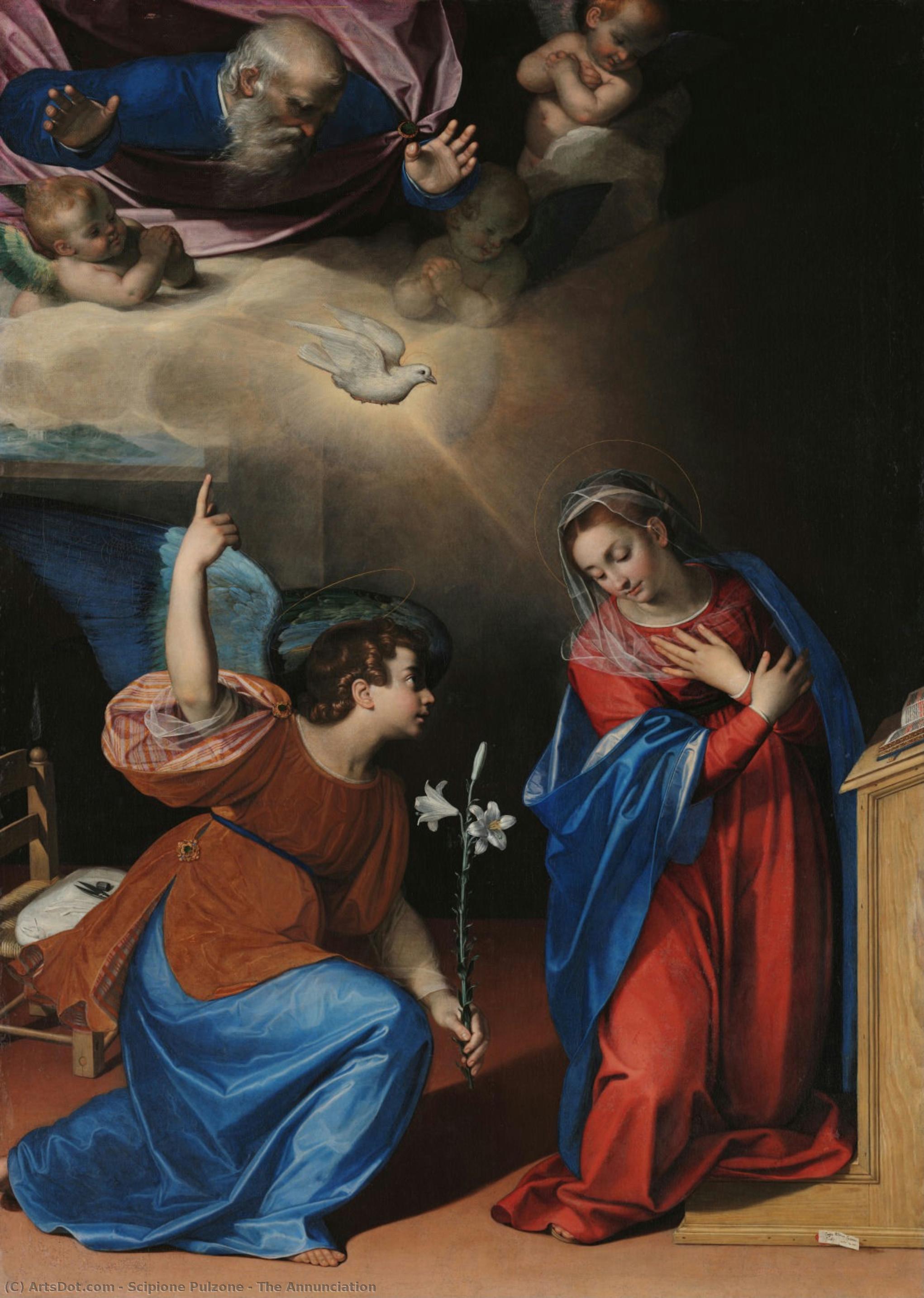
The Annunciation


 Read More
Hand Made Oil Reproduction
Hand-painted oil on canvas in your size and frame, made to order by our artists. ( Buy Print Buy Image)




P118B $10

P118H $10

P118W $10

P438Z $10

P508JH $12

P508YH $12

P805H $10

P805Z $10

P919BZ $10

P919G $10

P919XJ $10

P959ZH $10

P968JZ $12

W106C $8

W218G $10

W218JH $8

W218Y $10

W307PJ $10

W316G $10

W316PJ $8

W316Y $10

W398PJ $8

W4111J $10

W500HY $15

W500JH $15

W692G $12

W849H $8

W940BG $15

W953PJ $8




Pick from our preset sizes that match the artwork's original proportions.

You may enter your own dimensions to fit a specific frame or space. If your selected size does not match the original image's proportions, we will either crop the artwork or extend the painting with additional hand-painted elements. A digital mockup will be sent for your approval before production begins.
Please note that the on-screen preview does not reflect the actual cropping or extension. Only the mockup will accurately show the final composition.
While custom sizes are available, we recommend selecting a dimension from the predefined list to preserve the original proportions.
After order, ArtsDot.com team will email client for instructions and provide a mockup preview
Worldwide Delivery () in 3/4 weeks instead of standard 5 weeks. (16 August). No compromise on quality.

Free Worldwide Express Shipping

High-Quality Linen Canvas

Full Shipping Insurance

Customs Tax Refund Guarantee

True Color Matching Guarantee

60-Day Return Policy (Defects Only)

100% Money-Back Guarantee

Bulk Discount Offer
 Glass option is only available in size under 110 CM

The Annunciation
Reproduction Medium
Reproduction Size
-


Total Price
$ 313
Artwork Description
The Annunciation by Scipione Pulzone: A Baroque Masterpiece Illuminated
Scipione Pulzone’s “The Annunciation,” completed in 1587, stands as a testament to the fervor and grandeur of the High Renaissance's waning years and the burgeoning Baroque style. Painted during a period marked by intense religious devotion—specifically following the Council of Trent—the artwork embodies the Counter-Reformation’s desire for emotionally resonant art that reaffirmed Catholic faith. More than just a depiction of biblical narrative, it’s a carefully orchestrated visual drama designed to inspire awe and contemplation.- Subject Matter: The scene portrays Mary receiving the divine announcement from Archangel Gabriel, accompanied by John the Baptist gesturing excitedly towards a blossoming lily. This iconic image captures the pivotal moment of salvation—the incarnation of Jesus Christ—and underscores themes of purity, grace, and divine intervention.
- Style & Technique: Pulzone’s approach distinguishes itself from the prevailing Mannerist tendencies of his time. He eschewed stylized poses and distorted perspectives for a refined realism informed by observation and anatomical accuracy. The artist skillfully employs oil paints on canvas, layering colors with meticulous brushwork to achieve remarkable depth and luminosity. Notice the dramatic chiaroscuro—the interplay of light and shadow—which sculpts the figures and creates an ethereal halo effect around Gabriel’s head, emphasizing his celestial status.
- Composition & Perspective: The painting adopts a vertical orientation, directing the viewer's gaze upwards towards the central figures within a modestly sized interior space. This compositional choice reinforces the spiritual significance of the scene and contributes to its theatrical quality. Pulzone utilizes flattened perspective—characteristic of Baroque art—to heighten the sense of immediacy and create a stage-like atmosphere.
- Symbolism: Beyond the recognizable biblical characters, “The Annunciation” is replete with symbolic elements. The dove represents the Holy Spirit, descending upon Mary to bless her womb – a potent emblem of divine grace and spiritual renewal. Equally significant is the lily, positioned prominently in John the Baptist’s hand, symbolizing purity and virginity—attributes associated with Mary throughout Christian tradition.
- Historical Context: Pulzone's work reflects the artistic sensibilities of his era, responding to the urgent need for religious imagery that could galvanize faith during a time of doctrinal reform. The painting exemplifies the Baroque’s commitment to conveying emotion and grandeur through vivid color palettes, dynamic movement, and masterful illusionistic techniques—a deliberate departure from Mannerist austerity.
Related Artworks
Artist Biography
Scipione Pulzone: Life and Legacy
Early Life and Training
Scipione Pulzone (1544 – February 1, 1598), also known as Il Gaetano, was a prominent Neapolitan painter of the late Italian Renaissance. Born in Gaeta around 1550, he began his artistic journey within the workshop of Jacopino del Conte in Rome. This foundational training proved crucial to his development, shaping his early style and providing access to the vibrant Roman art scene.
Artistic Development and Style
Pulzone’s work distinguished itself from the prevailing Mannerist trends of his time. He developed a refined and detailed approach, characterized by precise rendering and a focus on naturalism. While influenced by earlier masters, he forged a unique style that blended elegance with religious fervor – particularly relevant during the period of the Counter-Reformation.
- His portraits are noted for their meticulous detail and psychological insight.
- Religious paintings often feature dramatic compositions and emotive figures.
- He skillfully balanced Renaissance ideals with emerging Baroque sensibilities.
Major Works and Achievements
Pulzone’s career spanned Naples, Florence, and Rome, resulting in a diverse body of work. Some of his most significant achievements include:
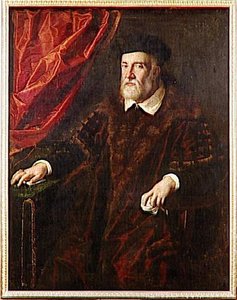
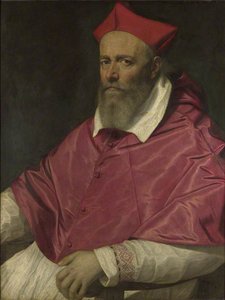
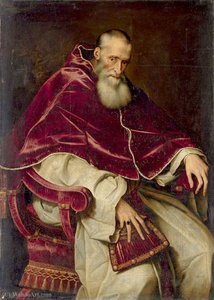
- Portraits of Prominent Figures: He painted portraits of Pope Gregory XIII, Cardinal de' Medici, Francesco I de’ Medici, Grand Duke of Tuscany, and their wives, Eleanor and Marie de’ Medici.
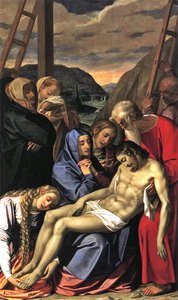
- Religious Commissions: Notable religious works include the “Assumption with the Apostles” for San Silvestro al Quirinale, a “Pietà” for the Gesù church, and a “Crucifixion” for Santa Maria in Vallicella.
- Mater Divinae Providentiae (around 1580): This painting is particularly significant as it inspired the Roman Catholic cult of devotion to Our Lady of Providence.
Influences and Legacy
Pulzone’s artistic development was shaped by several key influences:
- Jacopino del Conte: His initial teacher, providing a strong foundation in technique and composition.
- Girolamo Siciolante da Sermoneta: A significant influence on his religious paintings, particularly in terms of compositional style and emotional intensity.
Pulzone’s legacy lies in his ability to synthesize Renaissance ideals with the evolving artistic landscape of the late 16th century. He was one of the most esteemed artists active in Rome during this period, leaving behind a body of work that continues to be admired for its technical skill and expressive power.
Historical Significance
Scipione Pulzone’s art reflects the religious and political climate of the Counter-Reformation. His detailed and emotionally resonant paintings served as powerful tools for conveying Catholic doctrine and inspiring devotion. He successfully navigated the artistic demands of both secular courts and the Church, establishing himself as a versatile and highly sought-after artist.
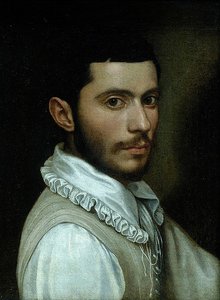
Scipione Pulzone
1550 - 1598 , Italy
Quick Facts
- Birth Date: 1544
- Birth Place: Gaeta, Italy
- Death Date: February 1, 1598
- Influenced By: Jacopino del Conte, Girolamo Siciolante da Sermoneta
- Movement: Late Italian Renaissance
- Name: Scipione Pulzone
- Nationality: Italian
- Notable Works:
- Assumption with the Apostles
- Pietà
- Crucifixion
- Mater Divinae Providentiae
Related Articles

The Dramatic Flourish: Exploring the Baroque Movement's Enduring Legacy in Art History
Explore the dramatic world of Baroque art! Discover iconic artists like Caravaggio & Rubens, defining techniques, and its lasting impact on art history. Expert insights for collectors & enthusiasts at ArtsDot.

Baroque Drama: Bringing Opulence & Emotion into Contemporary Interiors
Explore the opulent world of Baroque interior design! Discover key elements, modern applications & how to bring dramatic elegance into your home with 's authentic reproductions.

Baroque Masterpieces: 10 Paintings That Defined an Era |
Journey through the drama & grandeur of Baroque art! Explore 10 masterpieces by Caravaggio, Rembrandt, Rubens & more. Discover stunning oil paintings, rich colors & timeless stories. Find museum-quality reproductions at .

The Visceral Stage: Exploring Dramatic Narratives & Emotional Intensity in Baroque Art
Explore the dramatic world of Baroque art! Discover iconic masters like Caravaggio & Rembrandt, their techniques, and the movement's lasting impact. Expert insights for collectors & enthusiasts at ArtsDot.

The Enduring Power of Painting: A Historical & Contemporary Exploration of Form and Emotion
Explore the rich history & enduring techniques of oil painting with ArtsDot. Discover masterpieces, learn about art collecting, and find authentic handmade reproductions crafted by skilled artists.