 Preview
 Send
Send Share
Share
 Details

 Download
 Similars
 X-Ray
X-Ray Diaporama
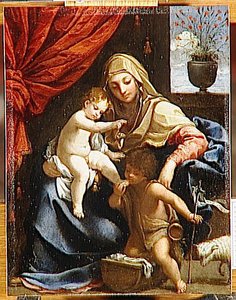
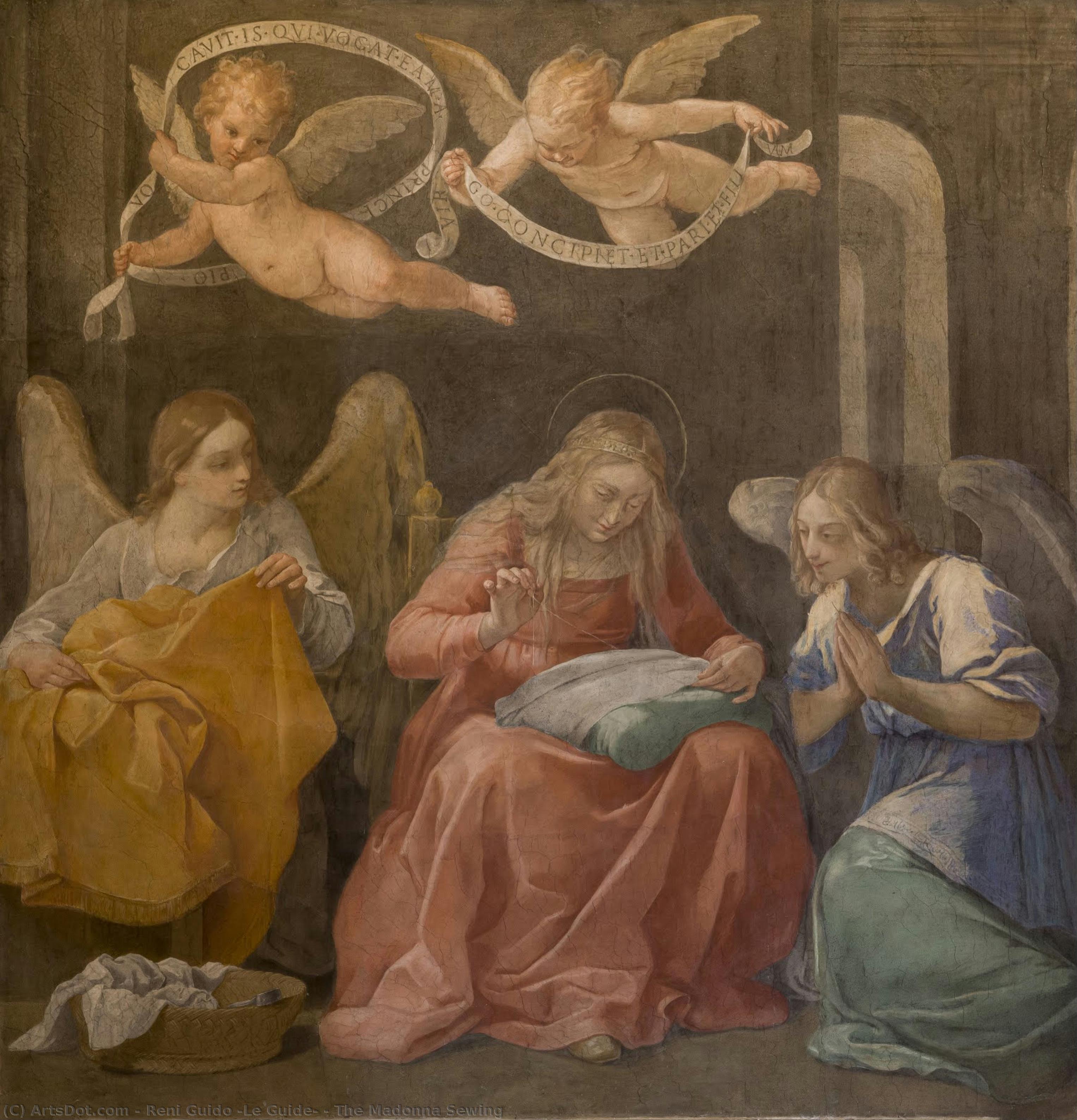
The Madonna Sewing
 Oil On Canvas
- WallArt
- Baroque
 1611
1611 210.0 x 200.0 cm
 Quirinale Palace
 Read More
Hand Made Oil Reproduction
Hand-painted oil on canvas in your size and frame, made to order by our artists. ( Buy Print Buy Image)




P118B $10

P118H $10

P118W $10

P438Z $10

P508JH $12

P508YH $12

P805H $10

P805Z $10

P919BZ $10

P919G $10

P919XJ $10

P959ZH $10

P968JZ $12

W106C $8

W218G $10

W218JH $8

W218Y $10

W307PJ $10

W316G $10

W316PJ $8

W316Y $10

W398PJ $8

W4111J $10

W500HY $15

W500JH $15

W692G $12

W849H $8

W940BG $15

W953PJ $8




Pick from our preset sizes that match the artwork's original proportions.

You may enter your own dimensions to fit a specific frame or space. If your selected size does not match the original image's proportions, we will either crop the artwork or extend the painting with additional hand-painted elements. A digital mockup will be sent for your approval before production begins.
Please note that the on-screen preview does not reflect the actual cropping or extension. Only the mockup will accurately show the final composition.
While custom sizes are available, we recommend selecting a dimension from the predefined list to preserve the original proportions.
After order, ArtsDot.com team will email client for instructions and provide a mockup preview
Worldwide Delivery () in 3/4 weeks instead of standard 5 weeks. (16 August). No compromise on quality.

Free Worldwide Express Shipping

High-Quality Linen Canvas

Full Shipping Insurance

Customs Tax Refund Guarantee

True Color Matching Guarantee

60-Day Return Policy (Defects Only)

100% Money-Back Guarantee

Bulk Discount Offer
 Glass option is only available in size under 110 CM

The Madonna Sewing
Reproduction Medium
Reproduction Size
-


Total Price
$ 313
Artwork Description
A Moment of Intimate Devotion – The Madonna Sewing by Guido Reni
Guido Reni’s “The Madonna Sewing,” painted in 1609/1611, isn't merely a religious depiction; it’s a carefully constructed tableau of domesticity imbued with profound spiritual significance. Housed within the private chapel of Pope Paul V at the Palazzo del Quirinale in Rome, this fresco immediately draws the viewer into an unexpectedly intimate scene – a young Mary, rendered with remarkable realism and a touch of gentle melancholy, bent over her lap, diligently sewing a white cloth. The initial impression is one of quiet domesticity, yet Reni masterfully layers this apparent simplicity with elements that speak to destiny and divine purpose, transforming a commonplace activity into a pivotal moment in salvation history.
Reni’s style firmly anchors the work within the Baroque period, though it retains a classical restraint. He eschews the dramatic theatricality often associated with the era, opting instead for a refined elegance characterized by balanced composition and subtle emotional depth. The figures are rendered with anatomical precision, reflecting Reni's training under Denis Calvaert, yet he imbues them with a palpable humanity – Mary’s posture suggests both concentration and a quiet sadness, while her youthful features hint at the immense responsibility she carries. The muted palette—primarily earth tones punctuated by the vibrant red of her dress—contributes to the overall sense of serenity and contemplative mood.
Technique and Materials: A Study in Oil on Fresco
“The Madonna Sewing” is executed as a fresco, a technique demanding meticulous planning and execution. Reni skillfully applied thin layers of pigment directly onto freshly laid wet plaster, creating an immediate bond between the paint and the wall. This method results in a surface that possesses a unique tactile quality – a subtle texture that speaks to the immediacy of the process. Close examination reveals the artist’s mastery of oil painting techniques, particularly evident in the smooth blending of colors and the delicate gradations of tone used to model Mary's face and drapery. The use of *sfumato*, a technique popularized by Leonardo da Vinci, is subtly present, softening outlines and creating an atmospheric haze that enhances the sense of depth and realism.
The choice of materials further underscores Reni’s artistic vision. Pigments derived from minerals and plants were carefully mixed with linseed oil to achieve the desired hues and textures. The application of gold leaf—visible in the halos surrounding Mary and the angels—adds a touch of divine splendor, elevating the scene beyond the earthly realm. The careful attention to detail extends to the depiction of the sewing implements – a needle, thread, and cloth – each rendered with remarkable accuracy and realism.
Symbolism and Historical Context: A Prophecy of Divine Purpose
Beyond its immediate visual appeal, “The Madonna Sewing” is rich in symbolic meaning. The act of sewing itself carries profound significance within the context of Christian theology, representing Mary’s role as the ‘Mother of God.’ The angels flanking the scene—one holding a scroll bearing scripture and the other presenting a cartouche adorned with symbols of predestination—underscore this divine purpose. The cartouches allude to Mary's Immaculate Conception and her destined motherhood of Christ, subtly foreshadowing the central event of Christian faith.
Painted for Pope Paul V during the height of the Counter-Reformation, the fresco served as a powerful visual affirmation of Catholic doctrine. It’s believed that Reni was commissioned to create a series of paintings for the chapel, and “The Madonna Sewing” stands as a cornerstone of this collection, embodying the ideals of piety, devotion, and artistic excellence valued by the papacy at the time. The scene's intimate setting—a private space dedicated to prayer—further emphasizes the personal nature of faith and the profound connection between Mary and her divine son.
Emotional Resonance: A Portrait of Quiet Contemplation
Ultimately, “The Madonna Sewing” transcends its historical context and religious subject matter to offer a deeply moving experience for the viewer. The painting’s quiet serenity, combined with Mary's thoughtful expression, evokes a sense of profound contemplation and spiritual resonance. It is not a scene of grand gestures or dramatic events, but rather one of subtle beauty and intimate devotion—a testament to Reni’s ability to capture the essence of human experience within the framework of religious art. The work invites us to pause, reflect, and consider the quiet moments of grace that shape our lives.
Related Artworks
Artist Biography
Guido Reni (Le Guide): Life and Legacy
Early Life and Training
Guido Reni, also known as Le Guide, was born in Bologna, Italy, in 1575. He was the only child of Daniele Reni, a musician, and Ginevra Pozzi, also from a musical family. This upbringing instilled in him an appreciation for harmony and form that would later influence his artistic style. At the young age of nine, Guido began his apprenticeship under Denis Calvaert, a Flemish painter working in Bologna. He studied alongside fellow aspiring artists Albani and Domenichino, forming a strong foundation in classical principles.
Artistic Career and Development
Reni’s artistic career spanned several Italian cities, including Rome, Naples, and his native Bologna. His early work showed the influence of Calvaert and the Carracci brothers, emphasizing anatomical accuracy and dramatic composition. However, Reni quickly developed a distinctive style characterized by its elegant classicism, refined technique, and emotional intensity. He became a dominant figure in the Bolognese School, known for its emphasis on academic training and idealized forms.
Key Influences
- Denis Calvaert: Reni’s initial teacher provided him with a strong foundation in Flemish painting techniques.
- The Carracci Family (Annibale, Agostino, Ludovico): Their emphasis on classical art and anatomical study profoundly impacted his artistic development.
- Raphael: Reni greatly admired Raphael’s gracefulness and harmonious compositions, which are evident in many of his works.
Major Works and Artistic Style
Reni's oeuvre encompasses a wide range of subjects, including religious scenes, mythological narratives, and allegorical representations. Some of his most celebrated works include:
- Apollo on the Sun Chariot (Albertina, Vienna): A dynamic drawing showcasing Reni’s mastery of Baroque style.
- Saint James the Greater: Demonstrates his skill in capturing religious fervor and human emotion.
- Atalanta and Hippomenes (Palace of Capodimonte, Naples): An example of his mythological paintings, characterized by graceful figures and dramatic storytelling.
- Saint Jerome: A testament to Reni’s ability to balance composition with emotional depth.
- Tarantella (Palace of Capodimonte, Naples): Illustrates his influence on Italian folk dance culture.
Reni's style is often described as eclectic classicism. He blended the precision of classical art with the dynamism and emotion of the Baroque period. His figures are typically idealized, possessing a serene beauty and graceful movement.
Historical Significance and Legacy
Guido Reni played a crucial role in shaping the development of High Baroque style in Italy. He influenced generations of artists with his refined technique, elegant compositions, and emotional depth. His work can be found in prominent museums worldwide, including the Palace of Capodimonte in Naples. Reni’s legacy extends beyond painting; he was also a poet and a respected intellectual figure in his time.
His art continues to inspire artists and art enthusiasts today, solidifying his place as one of the most important painters of the 17th century. His influence can be seen in subsequent Baroque artists who sought to emulate his gracefulness and emotional power.
Death
Guido Reni died in Bologna in 1642, leaving behind a rich artistic legacy that continues to captivate audiences centuries later.
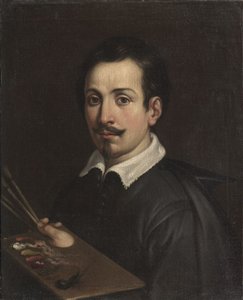
reni guido (le guide)
1575 - 1642 , Italy
Quick Facts
- Birth Date: 1575
- Birth Place: Bologna, Italy
- Death Date: 1642
- Influenced By: Denis Calvaert
- Movement: High Baroque, Bolognese School
- Name: Guido Reni (Le Guide)
- Nationality: Italian
- Notable Works:
- Apollo on the Sun Chariot
- Saint James the Greater
- Atalanta and Hippomenes
- Saint Jerome
- Tarantella
Related Articles

The Fresco as Family Legacy: Preserving Heritage Through Wall Art
Explore the rich history & enduring legacy of fresco painting. Discover how to preserve family heritage through stunning wall art. Expert insights & restoration guidance.
Guido Reni: A Study in Baroque Classicism & Artistic Perfection
Explore the life & work of Guido Reni, a master of Baroque classicism. Discover his iconic religious & mythological paintings, and understand his enduring influence on art history. Expert analysis for collectors.

The Enduring Legacy of Fresco Painting: Techniques, History & Contemporary Relevance
Explore the rich history & enduring artistry of fresco painting – from Giotto to Michelangelo! Discover techniques, conservation efforts, & modern applications. Learn how ArtsDot brings this timeless art form to your home.

The Enduring Legacy of Fresco: Technique, History & Artistic Expression Across Cultures
Explore the rich history & enduring legacy of fresco painting! Discover ancient techniques, Giotto's masterpieces, and modern applications. Expert insights for art lovers & professionals.

Art That Lives With You: The Emotional Power of a Custom Interior Fresco
Discover the emotional power & timeless beauty of custom interior frescoes. Explore history, design tips & expert guidance from – creating lasting legacies.