

 Preview
 Send
Send Share
Share
 Details

 Download
 Similars
 X-Ray
X-Ray Diaporama
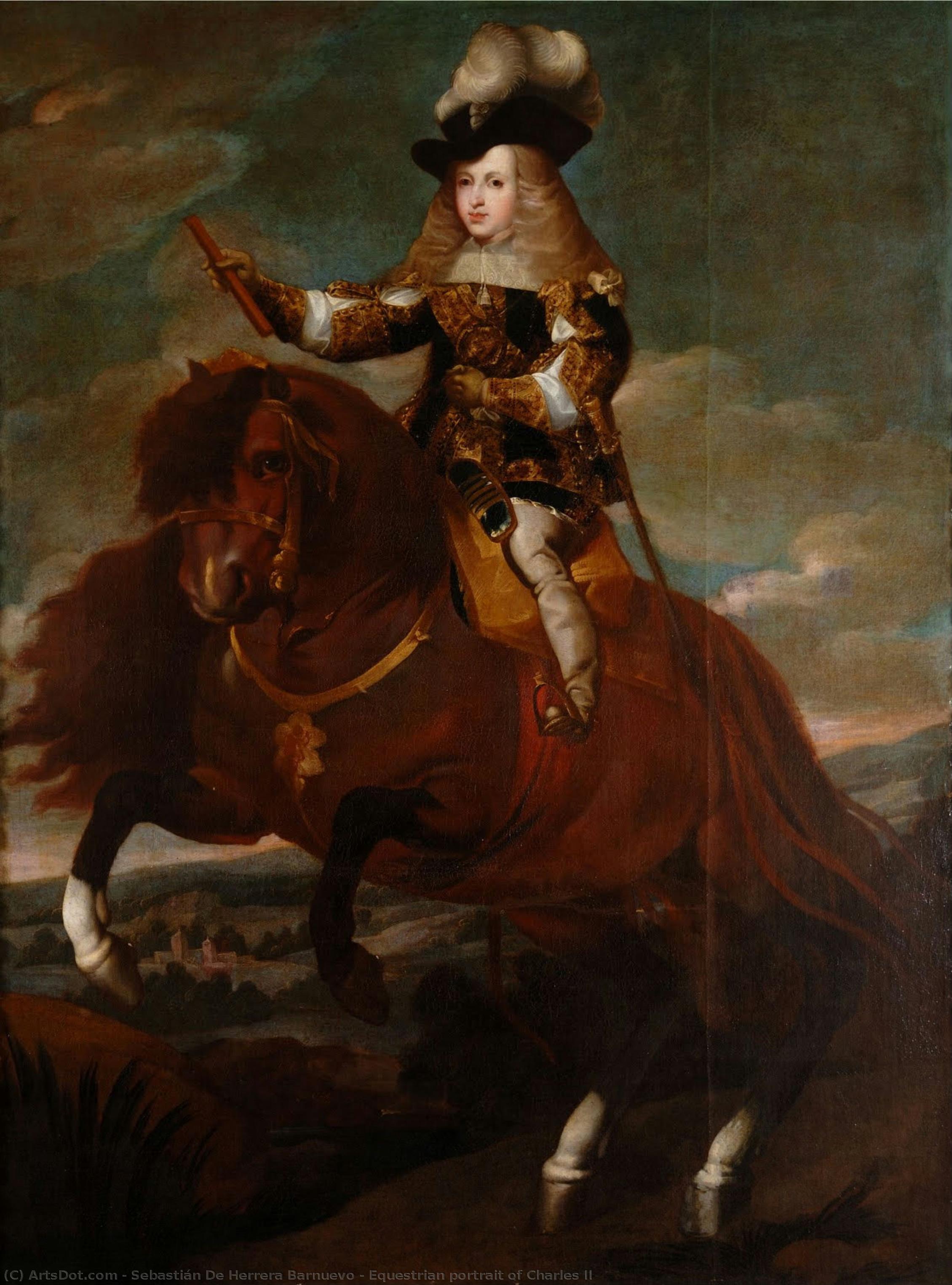
Equestrian portrait of Charles II
 147.0 x 207.0 cm
 Museum of Cádiz
 Read More
Purchase a high-resolution, enhanced digital image, far superior to the online preview.
Each file is meticulously prepared by our in-house specialists using advanced tools and expert manual retouching. We ensure every image has exceptional clarity, precise color accuracy, and fine detail.
The final file is delivered via email within 72 hours, optimized for immediate use in professional, editorial, and print environments. This is the same quality trusted by top-tier design studios, publishers, and galleries.
Digital Image
Download a high-resolution file for personal display, printing, and creative projects. ( Buy Print Buy Hand Made Painting)
Included in Every Digital Image Order
Expert Digital Delivery, Guaranteed
When you choose ArtsDot.com, you're not just getting an image - you're receiving a professionally enhanced digital artwork, crafted with precision and backed by a satisfaction guarantee. Here's everything that comes with your order, automatically:

Fast Email Delivery
Your high-resolution digital image file will be emailed to you within 72 hours of ordering - ready for immediate use.

AI-Enhanced Digital File
Your artwork is professionally optimized using advanced AI tools and manual editing, ensuring maximum detail, clarity, and color accuracy.

Free Lifetime Re-Delivery
Accidentally deleted or lost your file? No worries - we'll resend it to you anytime, free of charge.

No Import Fees - Ever
Enjoy your artwork instantly with zero customs, duties, or delivery fees - digital downloads are always tax-free.

Color Accuracy Guarantee
We ensure your digital image reflects the original colors as closely as possible using professional tools and color management.

60-Day Satisfaction Guarantee
If you're not satisfied with your digital image, we'll revise it or refund 100% within 60 days - no questions asked.

100% Money-Back Guarantee
Not satisfied? Get a full refund within 60 days of receiving your digital file - no questions asked.

Bulk Order Discounts
Buy 3 images, save 10% - Buy 5, save 15% - Buy 10+, save 20%. Great for creative projects, galleries, and agencies.
Related Artworks





Artist Biography
William Dobson: A Pioneer of English Portraiture
William Dobson, born in London on March 4th, 1611, and tragically dying just a few years later at the age of 35, remains a pivotal yet often overlooked figure in the history of English art. His life was cut short by the tumultuous events of the English Civil War, but within his brief career, Dobson established himself as one of the first truly significant native-born painters of England, laying the groundwork for future generations and demonstrating a remarkable ability to synthesize Venetian influences with emerging British artistic sensibilities. He wasn’t merely copying; he was innovating, forging a distinctly English style that challenged the prevailing norms of portraiture at the time.Early Life and Training
Dobson's early life remains somewhat shrouded in mystery, largely due to the limited surviving documentation. He was the son of William Dobson Sr., a lawyer, and his father’s involvement with Francis Bacon’s designs for Verulam House suggests an exposure to artistic design from a young age. While some accounts claim his father assisted Bacon with decorative elements, this assertion is debated by historians. Dobson received his initial training under William Peake and later, possibly, with Francis Cleyn, both established London painters. Crucially, he seems to have been deeply influenced by the work of Anthony van Dyck, the court painter to Charles I, a figure whose elegant style and masterful use of light and shadow became a cornerstone of Dobson’s own approach. The legend persists that Van Dyck himself discovered Dobson's talent in a London shop window, though this remains unverified—a testament to the enduring fascination with the artist’s early career. Dobson’s exposure to Venetian painting, particularly through the study of Titian’s works, is equally significant; he adopted the rich, luminous color palettes and dynamic compositions characteristic of the Venetian masters.The Royal Court and Wartime Portraits
Following Van Dyck's death in 1641, Dobson seized a crucial opportunity to secure royal commissions from King Charles I. He became serjeant painter to the King and groom of the privy chamber, positions that afforded him access to the most prestigious portraits of the era. During the English Civil War, Dobson established himself as a key figure at the Royalist stronghold of Oxford, producing a series of powerful and emotionally resonant portraits of leading Cavaliers – figures who embodied loyalty to the crown amidst the upheaval. These works are not simply representations of individuals; they convey a sense of dignity, resilience, and quiet determination in the face of adversity. The dramatic lighting and carefully rendered details—the textures of clothing, the expressions on faces—demonstrate Dobson’s technical skill and his ability to capture the psychological depth of his subjects.Style and Technique
Dobson's style is characterized by a remarkable balance between Venetian influence and emerging English sensibilities. He inherited from Titian a love for rich, warm colors and a masterful use of light and shadow—a technique known as chiaroscuro—but he adapted these elements to suit the tastes and conventions of his time. Unlike some of his contemporaries who slavishly imitated Van Dyck, Dobson developed a distinctly individual style, marked by a looser brushwork and a greater emphasis on texture. His portraits often possess a sense of immediacy and spontaneity that is rare in formal court paintings. He was particularly adept at capturing the subtle nuances of human expression, conveying not just outward appearance but also inner character and emotion. The influence of his training with Van Dyck is evident in the elegant poses and refined compositions of many of his portraits, yet Dobson’s work possesses a greater sense of dynamism and psychological complexity than that of his master.Legacy and Historical Significance
Despite dying prematurely at the age of 35, William Dobson left an indelible mark on English art. He is widely considered to be one of the first truly significant native-born portrait painters of England, a pioneer who helped to establish a distinctly British artistic tradition. His work influenced subsequent generations of artists, including Sir Godfrey Kneller and Anthony van Dyck’s son, Jan Van Dyck II. Dobson's emphasis on psychological realism and his masterful use of light and shadow set him apart from his contemporaries and paved the way for the development of English portraiture in the 18th century. While his life was tragically short, his artistic legacy endures as a testament to his talent, innovation, and enduring contribution to the history of art. His paintings are now housed in major museums around the world, offering viewers a rare glimpse into the life and work of this remarkable artist.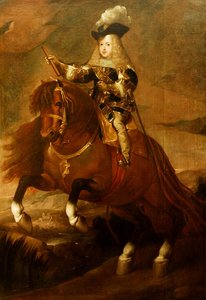
sebastián de herrera barnuevo
1611 - 1671 , Spain
Quick Facts
- Artistic Movement Or Style: Portrait painting
- Artists Or Movements Influenced By This Artist: ['John Aubrey']
- Artists Who Influenced This Artist:
- Anthony van Dyck
- Titian
- Date Of Birth: 4 March 1611
- Date Of Death: 28 October 1646
- Full Name: William Dobson
- Nationality: English
- Notable Artworks:
- Jacobus Zaffius
- Marcus Gheeraerts
- Mercury
- Place Of Birth: London, England

