



A Tapestry of Time: The Soul of Cádiz
In the sun-drenched embrace of Spain’s Atlantic coast, where the salt spray of the ocean meets the ancient stones of a city that has watched empires rise and fall, lies the Museum of Cádiz . This is not merely a repository for silent relics; it is a vibrant, breathing chronicle of human endeavor. To step through its doors is to embark on a journey that transcends centuries, moving seamlessly from the profound mysteries of the Phoenician era to the luminous canvases of the Spanish Golden Age. The museum itself acts as a bridge between worlds, housing a collection that reflects the strategic, maritime, and spiritual heart of Andalusia. For the art lover or the discerning collector, it offers a rare opportunity to witness the evolution of aesthetic sensibility, from the rugged, symbolic carvings of ancient funerary art to the delicate, emotive brushwork of the masters.
The museum’s architectural narrative is as compelling as its treasures. As visitors ascend through its three distinct levels, they experience a curated transition of human thought and expression. The ground floor serves as an intimate encounter with the deep past, where the Lady of Cádiz —a remarkable Phoenician anthropomorphic sarcophagus from the 5th century BC—stands as a silent sentinel of Gadir’s origins. These archaeological wonders, including intricate funerary monuments, provide a tactile connection to the maritime traders who first established this coastal outpost. There is a profound weight to these stones, a sense of permanence that anchors the museum in the very soil of the Iberian Peninsula, offering an unparalleled foundation for understanding the cultural layers that define the region.
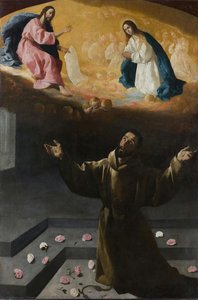
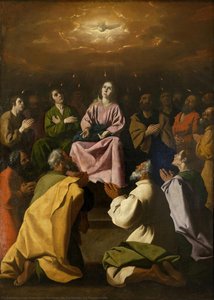
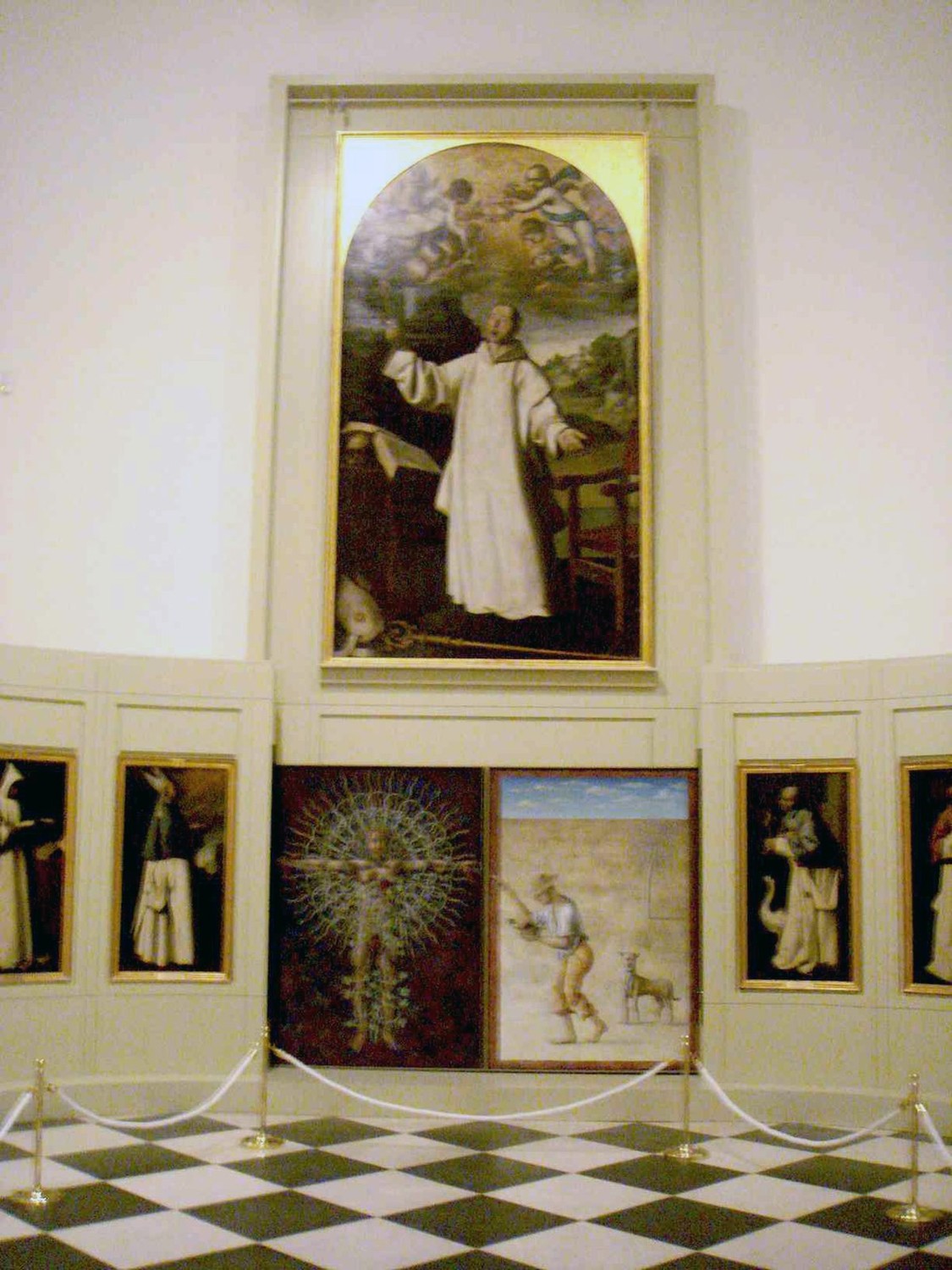
Ascending to the first floor, the atmosphere shifts from the earthy tones of archaeology to the ethereal brilliance of fine art. Here, the museum reveals its true splendor through a collection of paintings that span the 16th to the 20th centuries. The walls are graced by the dramatic mastery of Zurbarán , whose use of chiaroscuro creates a spiritual tension between light and shadow, and the serene, pious compositions of Murillo . For those captivated by the grandeur of the Baroque, the presence of works attributed to Rubens offers a window into an era of opulent movement and dynamic color. These masterpieces do more than decorate a hall; they illuminate the religious and social currents that shaped Spanish identity, making the museum an essential pilgrimage for anyone seeking to understand the profound influence of Andalusian spirituality on European art.
Beyond the canvas, the Museum of Cádiz preserves the very essence of local life through its ethnographic treasures. The second floor invites a more whimsical, yet deeply cultural, exploration, featuring the beloved Tía Norica puppets. These figures are emblematic of Costumbrism , an artistic movement dedicated to capturing the charming idiosyncrasies of local customs and traditions. This layer of the collection, paired with maritime exhibits showcasing ancient navigational tools and shipwrecks, celebrates the enduring relationship between the people of Cádiz and the sea. For the interior designer or the historian, the museum provides a rich palette of inspiration—a blend of historical gravity, maritime romance, and the festive spirit of the Cádiz Carnival that continues to resonate through the ages.