 Preview
 Send
Send Share
Share
 Details

 Download
 Similars
 X-Ray
X-Ray Diaporama
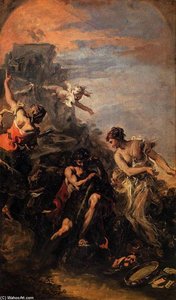
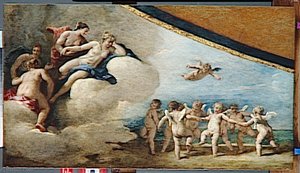
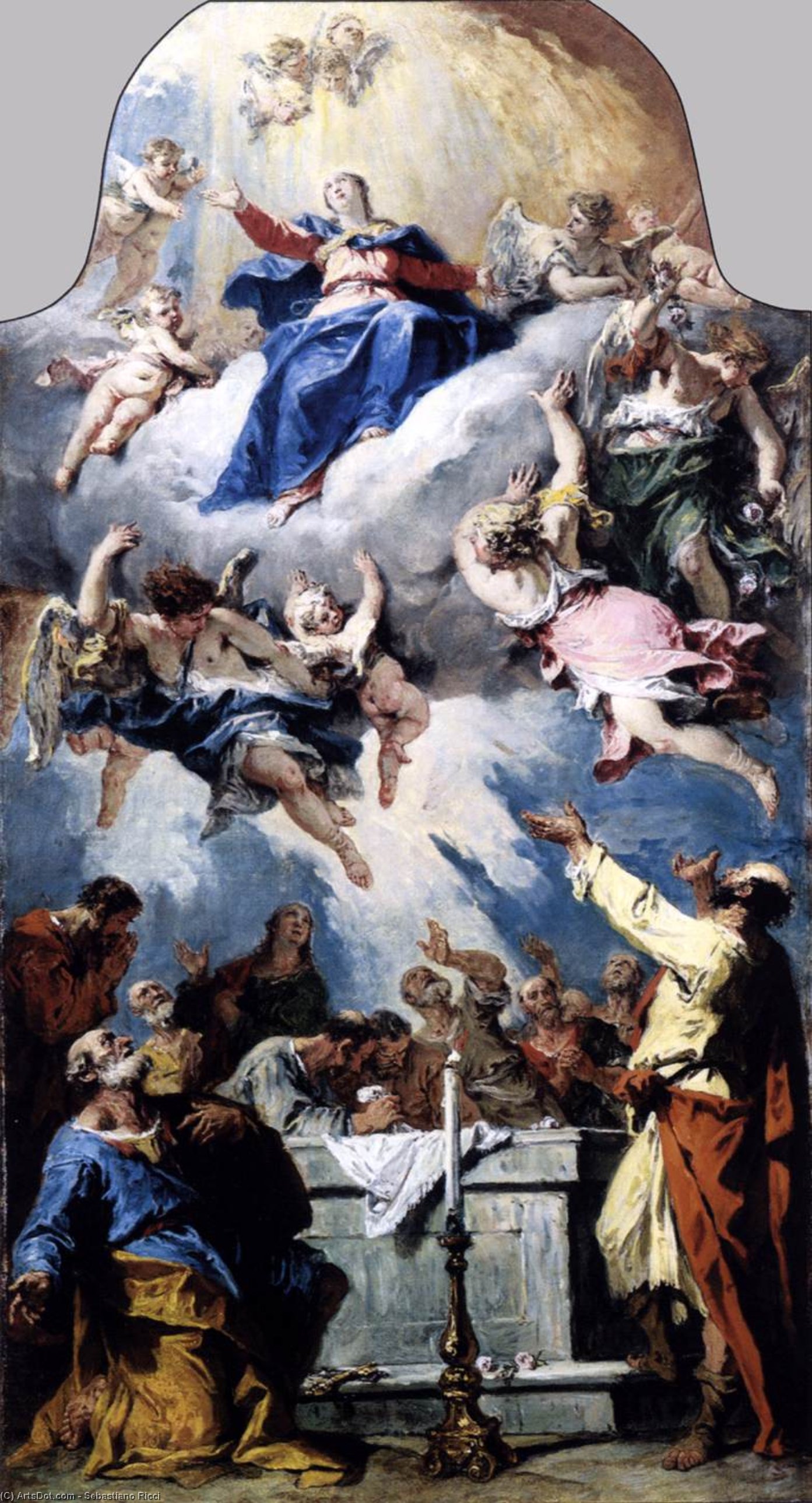
The Assumption
 Oil On Canvas
- WallArt
- Baroque
 1734
1734- Early Modern
 95.0 x 51.0 cm
 Szépmûvészeti Múzeum
 Read More
Hand Made Oil Reproduction
Hand-painted oil on canvas in your size and frame, made to order by our artists. ( Buy Print Buy Image)




P118B $10

P118H $10

P118W $10

P438Z $10

P508JH $12

P508YH $12

P805H $10

P805Z $10

P919BZ $10

P919G $10

P919XJ $10

P959ZH $10

P968JZ $12

W106C $8

W218G $10

W218JH $8

W218Y $10

W307PJ $10

W316G $10

W316PJ $8

W316Y $10

W398PJ $8

W4111J $10

W500HY $15

W500JH $15

W692G $12

W849H $8

W940BG $15

W953PJ $8




Pick from our preset sizes that match the artwork's original proportions.

You may enter your own dimensions to fit a specific frame or space. If your selected size does not match the original image's proportions, we will either crop the artwork or extend the painting with additional hand-painted elements. A digital mockup will be sent for your approval before production begins.
Please note that the on-screen preview does not reflect the actual cropping or extension. Only the mockup will accurately show the final composition.
While custom sizes are available, we recommend selecting a dimension from the predefined list to preserve the original proportions.
After order, ArtsDot.com team will email client for instructions and provide a mockup preview
Worldwide Delivery () in 3/4 weeks instead of standard 5 weeks. (17 August). No compromise on quality.

Free Worldwide Express Shipping

High-Quality Linen Canvas

Full Shipping Insurance

Customs Tax Refund Guarantee

True Color Matching Guarantee

60-Day Return Policy (Defects Only)

100% Money-Back Guarantee

Bulk Discount Offer
 Glass option is only available in size under 110 CM

The Assumption
Reproduction Medium
Reproduction Size
-


Total Price
$ 263
Artwork Description
Sebastiano Ricci: A Master of Baroque Illusionism & Rococo Grace
Sebastiano Ricci (1659-1734) stands as one of the most prominent figures in the late baroque school of Venice, a painter whose oeuvre embodies the grandeur and luminous spirit of his era. Unlike many of his contemporaries who favored sombre palettes and dramatic chiaroscuro effects, Ricci championed a distinctive style characterized by vibrant colors and masterful illusionism—a technique that captivated audiences and cemented his reputation as an innovator.
Early Life and Training Ricci’s artistic journey began at a young age. In 1671, he was apprenticed to Federico Cervelli of Venice. However, some sources claim that his first master was Sebastiano Mazzoni. Despite initial challenges—including an unplanned pregnancy resulting in imprisonment—Ricci persevered, honing his skills under influential mentors and establishing himself as a respected artist within the Venetian artistic milieu.
Notable Works and Commissions Ricci’s prolific output spanned diverse genres, from monumental frescoes to intimate portraits. Among his most celebrated achievements are ‘Bacchus and Ariadne,’ commissioned by Ferdinando Gonzaga for Palazzo Graziosi in Mantua—a painting showcasing Ricci’s mastery of the baroque style and demonstrating his ability to convey mythological narratives with breathtaking visual splendor. He also undertook significant commissions for ecclesiastical institutions, including the decoration of St Charles of Borromeo Church in Vienna, where he created a stunning altarpiece that exemplifies his meticulous attention to detail and compositional balance.
Artistic Style and Influences Ricci’s artistic style was profoundly shaped by Giovanni Gioseffo dal Sole’s influence—particularly his embrace of luminous color palettes and dynamic brushwork. He skillfully blended elements of Mannerism with Baroque conventions, creating canvases that pulsated with energy and emotion. Ricci's approach to landscape painting was equally innovative, reflecting a desire to capture the beauty of nature in ways that mirrored the grandeur of Venetian art.
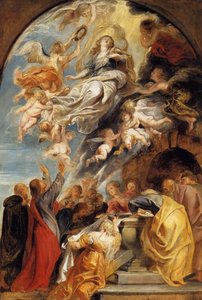
The Assumption: A Symphony of Light and Emotion Ricci’s depiction of The Assumption—painted shortly before his death in 1734 for St Charles of Borromeo Church—represents arguably his finest achievement. This monumental fresco, executed with painstaking precision and imbued with spiritual fervor, exemplifies Ricci's signature style—characterized by a masterful use of light to illuminate the central figure of Mary ascending into heaven. The composition is divided into two distinct sections: the upper portion depicts angels and cherubs engaged in an upward movement, symbolizing divine ascension; while the lower section portrays earthly figures gazing upwards with reverence and awe.
Symbolism and Technique Ricci’s artistic technique—particularly his mastery of illusionistic painting—was unparalleled. He employed techniques such as sfumato (subtle blending of colors) and glazing to create surfaces that appeared to shimmer with light, enhancing the emotional impact of his paintings. The artist's meticulous attention to detail—evident in every brushstroke—served to convey not only visual beauty but also profound spiritual meaning.
Legacy Ricci’s influence extended far beyond his lifetime, inspiring subsequent generations of Venetian artists and establishing him as a cornerstone of baroque art history. His canvases continue to captivate viewers with their luminous colors, dynamic compositions, and evocative emotional resonance—a testament to the enduring power of artistic genius.
Related Artworks

Artist Biography
biography of a vigorous and luminous painter
sebastiano ricci, an italian painter from belluno, was born on august 1, 1659, and passed away on may 15, 1734. he was a prominent figure in the late baroque school of venice, known for his grand manner fresco painting style.
early life and training
ricci's artistic journey began at a young age. in 1671, he was apprenticed to federico cervelli of venice. however, some sources claim that his first master was sebastiano mazzoni.
notable works and commissions
* bacchus and ariadne (national gallery, london, united kingdom), a painting showcasing ricci's mastery of the baroque style. * memorial to admiral sir clowdisley shovell (oil on canvas), a testament to his ability to capture the essence of a moment. * the decoration of the oratory of the madonna of the seraglio (1685-1687) in collaboration with ferdinando galli-bibiena, receiving a payment of 4,482 lira.
artistic style and influences
ricci's work was influenced by giovanni gioseffo dal sole's style during his time in bologna. his paintings often featured grand, luminous, and vigorous themes, making him a representative of the late baroque school of venice.
legacy and later life
ricci's artistic career was marked by periods of turmoil, including imprisonment and scandals. however, he continued to produce notable works, such as venus takes leave from adonis, which showcased his skill in capturing heavenly depictions. he ultimately accepted foreign patronage in london, working on a commission for lord burlington.
- view sebastiano ricci's artwork on ArtsDot.com
- explore more about the baroque school of venice and its influences on wikipedia
- discover other notable artists from the same period, such as luigi bonazza, on ArtsDot.com
important: this article is based on the available information from ArtsDot.com and may be subject to change as more data becomes available.
Sebastiano Ricci
1659 - 1734 , Italy
Quick Facts
- Artistic Movement Or Style: Late Baroque
- Artists Or Movements Influenced By This Artist: ['Marco Ricci']
- Artists Who Influenced This Artist: ['Giovanni Gioseffo dal Sole']
- Date Of Birth: August 1, 1659
- Date Of Death: May 15, 1734
- Full Name: Sebastiano Ricci
- Nationality: Italian
- Notable Artworks:
- Bacchus and Ariadne
- Venus takes leave
- Dream of Aesculapius
- Place Of Birth: Belluno, Italy
Related Articles
Sebastiano Ricci: Venetian Master of Baroque Illusionism & Rococo Grace
Explore the captivating world of Sebastiano Ricci, a leading Venetian Baroque painter renowned for his luminous frescoes & illusionistic masterpieces. Discover his life, techniques, and lasting influence on art history.

Baroque Drama: Bringing Opulence & Emotion into Contemporary Interiors
Explore the opulent world of Baroque interior design! Discover key elements, modern applications & how to bring dramatic elegance into your home with 's authentic reproductions.

The Dramatic Flourish: Exploring the Baroque Movement's Enduring Legacy in Art History
Explore the dramatic world of Baroque art! Discover iconic artists like Caravaggio & Rubens, defining techniques, and its lasting impact on art history. Expert insights for collectors & enthusiasts at ArtsDot.

Baroque Masterpieces: 10 Paintings That Defined an Era |
Journey through the drama & grandeur of Baroque art! Explore 10 masterpieces by Caravaggio, Rembrandt, Rubens & more. Discover stunning oil paintings, rich colors & timeless stories. Find museum-quality reproductions at .

The Visceral Stage: Exploring Dramatic Narratives & Emotional Intensity in Baroque Art
Explore the dramatic world of Baroque art! Discover iconic masters like Caravaggio & Rembrandt, their techniques, and the movement's lasting impact. Expert insights for collectors & enthusiasts at ArtsDot.