 Preview
 Send
Send Share
Share
 Details

 Download
 Similars
 X-Ray
X-Ray Diaporama
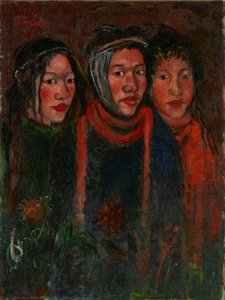
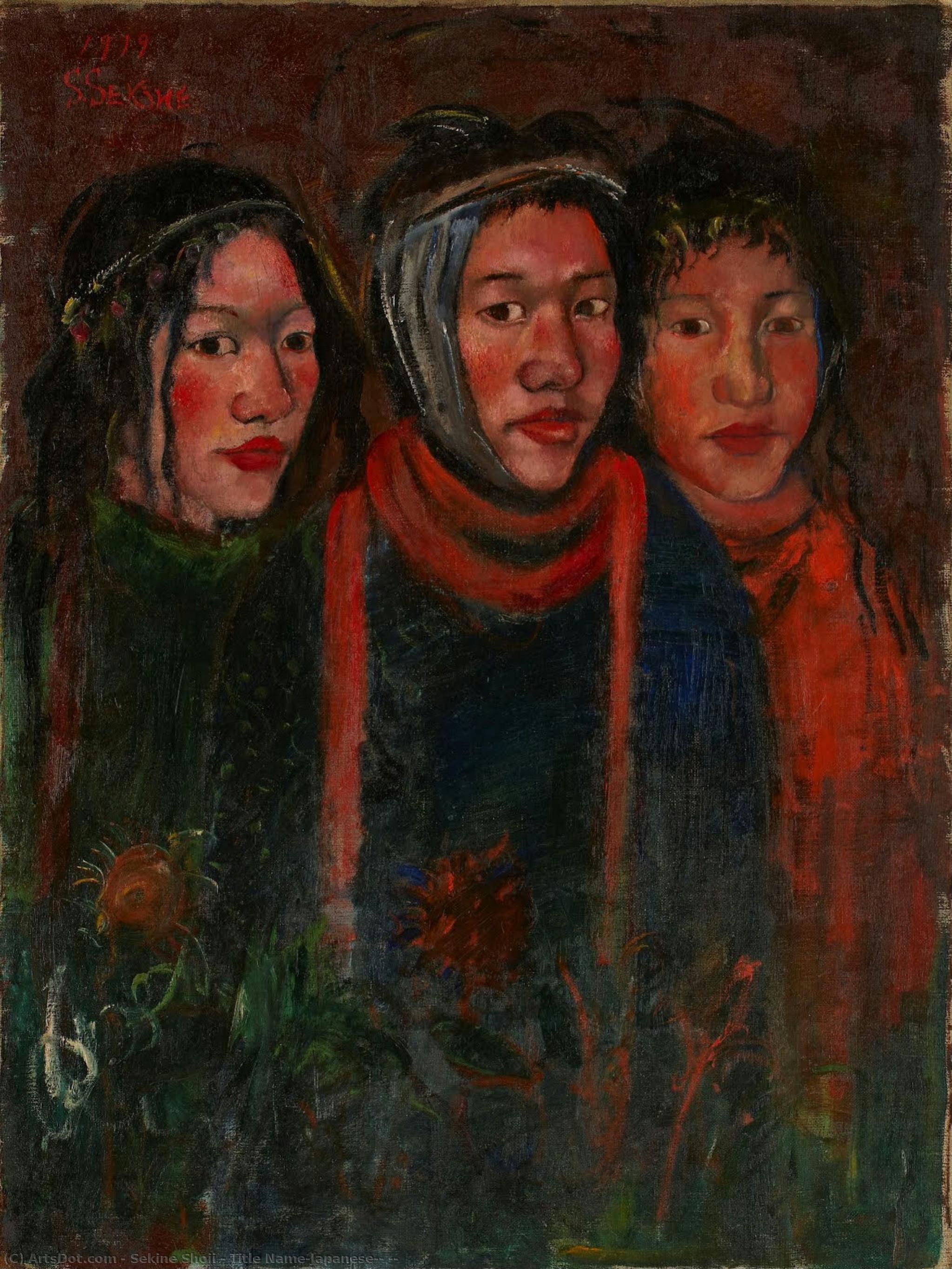
Title Name(Japanese): 三星
 Expressionism
 45.0 x 60.0 cm
 Read More
Giclée / Art Print
Museum-quality giclée or canvas print with fast production and flexible finish options. ( Buy Hand Made Painting Buy Image)




































Pick from our preset sizes that match the artwork's original proportions.

You may enter your own dimensions to fit a specific frame or space. If your selected size does not match the original image's proportions, we will either crop the artwork or extend the image with a mirrored or solid-fill edge. A digital mockup will be sent for your approval before production begins.
Please note that the on-screen preview does not reflect the actual cropping or extension. Only the mockup will accurately show the final composition.
While custom sizes are available, we recommend selecting a dimension from the predefined list to preserve the original proportions.
Worldwide Delivery () in 2 weeks instead of standard 4/5 weeks. (28 August)

Free Worldwide Express Shipping

High-Quality Linen Canvas

Full Shipping Insurance

Customs Tax Refund Guarantee

True Color Matching Guarantee

60-Day Return Policy (Defects Only)

100% Money-Back Guarantee

Bulk Discount Offer
 Glass option is only available in size under 110 CM

Title Name(Japanese): 三星
Giclée / Art Print
Reproduction Size
-


Total Price
$ 63
Related Artworks
Artist Biography
A Fleeting Flame: The Tragic Brilliance of Sekine Shoji
Sekine Shoji, a name whispered with reverence in the annals of early 20th-century Japanese art, represents a poignant story of unrealized potential and intense artistic vision. Born in 1899 in Fukushima Prefecture, Japan, his life was tragically short – barely twenty years – yet within that brief span he produced a body of work that continues to captivate and move viewers with its emotional depth and unique stylistic approach. Sekine’s story is not one of formal training or prolonged artistic development, but rather a raw, self-taught talent blossoming amidst hardship and ultimately extinguished by illness before it could fully bloom. He emerged from humble beginnings, his father working as both a wood-shingle roofer and farmer, a life marked by economic struggle that would profoundly shape the artist’s perspective. The family's relocation to Tokyo in search of better prospects placed young Sekine within a vibrant, yet challenging urban environment, setting the stage for his artistic awakening.Early Life and Artistic Beginnings
The move to Tokyo proved pivotal. While working at the Tokyo Insatsu printing company, initially in letterpress and later in design, Sekine encountered Itō Hajime (later known as Itō Shinsui), a fellow artist who would become a crucial mentor and friend. This connection introduced him to the world of art beyond his self-directed explorations. The printing company also brought him into contact with Yūki Somei, an advisor whose influence further broadened Sekine’s artistic horizons. However, it was through Kobayashi Atsushi, a colleague passionate about literature, that Sekine encountered the philosophical currents of Western thought – particularly the works of Oscar Wilde and Friedrich Nietzsche. These literary influences resonated deeply with Sekine's own rebellious spirit and sensitivity, finding expression in his diary entries and ultimately informing the emotional intensity of his paintings. His debut into the art world came remarkably early, at just sixteen years old, when his painting *Thoughts of Death* was selected for inclusion in the prestigious Nika Exhibition – a significant achievement for such a young artist.A Unique Style Forged in Emotion
Sekine Shoji’s artistic style defies easy categorization. While often associated with Expressionism due to its bold colors and emotional rawness, it also possesses a distinctly Japanese sensibility. His canvases are characterized by thick impasto – layers of paint applied so thickly they create texture and depth – and a vibrant palette dominated by deep blues, greens, and what became known as “Sekine’s vermillion,” a striking shade of red that served as his signature hue. He wasn't interested in meticulous realism; instead, he sought to convey inner states of being through distorted forms and evocative color combinations. His subjects often revolved around themes of loneliness, faith, and the human condition – reflections perhaps of his own struggles and observations of life’s hardships. *The Sorrow of Faith*, *Older Sister and Younger Brother*, and *Self-Portrait*—all accepted into the 5th Nika Exhibition in 1918 and awarded the Chogyū Prize—demonstrated a mastery of color and composition that belied his youth, establishing him as a rising star.Major Works and Lasting Legacy
Despite his tragically curtailed career, Sekine Shoji left behind a small but powerful body of work. *Boy*, painted in 1919, is arguably his most famous piece—a haunting portrait capturing a sense of vulnerability and melancholy that continues to resonate with audiences today. Other notable works include *Prayers to God* and *Three Stars*, each showcasing his unique blend of emotional intensity and technical skill. Sadly, many of Sekine’s paintings were lost during the devastation of World War II – destroyed in the earthquake and firebombing of Tokyo—making those that remain all the more precious. His impact on Japanese art is significant despite the limited number of surviving works. He is celebrated as a key figure in early 20th-century modernism, an artist who dared to explore the depths of human emotion with unflinching honesty and a distinctive visual language.Historical Significance and Rediscovery
Sekine Shoji’s story serves as a reminder of the fragility of artistic talent and the profound impact that circumstance can have on creative expression. His brief career coincided with a period of rapid social and political change in Japan, and his work reflects the anxieties and uncertainties of the era. While largely forgotten for many years after his death from tuberculosis at the age of twenty, Sekine’s art has experienced a resurgence in recent decades, thanks to increased scholarly attention and exhibitions dedicated to his life and work. The Mie Prefectural Art Museum's 2019 retrospective, featuring newly discovered works and correspondence, marked a significant milestone in re-evaluating his contribution to Japanese art history. Today, Sekine Shoji is recognized not only for his technical prowess but also for the emotional power of his paintings—a testament to the enduring legacy of a fleeting flame that burned brightly, even if all too briefly.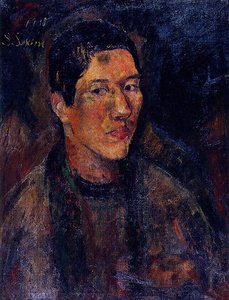
sekine shoji
1899 - 1919 , Japan
Quick Facts
- Artistic Movement Or Style: Expressionism, Portraiture
- Artists Who Influenced This Artist:
- Ito Shinsui
- Yuki Somei
- Date Of Birth: 1899
- Date Of Death: 1919
- Full Name: Sekine Shoji
- Nationality: Japanese
- Notable Artworks:
- Boy
- Three Stars
- Place Of Birth: Fukushima, Japan
Related Articles

The Enduring Legacy of Oil on Canvas: Technique, History & Aesthetic Impact
Explore the rich history & techniques of oil painting – from Renaissance masters to Impressionism. Discover pigments, layering methods, and why this timeless medium endures. Expert insights for artists & art enthusiasts.

Oil on Canvas: A Historical & Technical Exploration of a Timeless Artistic Medium
Explore the rich history & enduring techniques of oil painting on canvas. Discover the science behind its longevity, conservation practices, and contemporary relevance. Expert insights for art enthusiasts.

The Enduring Power of Painting: A Historical & Contemporary Exploration of Form and Emotion
Explore the rich history & enduring techniques of oil painting with ArtsDot. Discover masterpieces, learn about art collecting, and find authentic handmade reproductions crafted by skilled artists.
The Enduring Muse: Women as Subject & Symbol in Art History
Explore the rich history of women in art – from iconic muses to groundbreaking artists. Discover feminist movements, global perspectives & reclaim female narratives with ArtsDot.

The Enduring Legacy of Oil on Canvas: Technique, History & Contemporary Practice
Explore the rich history & enduring techniques of oil painting on canvas. Discover the science behind its longevity, conservation practices, and contemporary relevance. Expert insights for art enthusiasts.