 Preview
 Send
Send Share
Share
 Details

 Download
 Similars
 X-Ray
X-Ray Diaporama
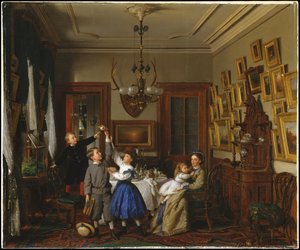
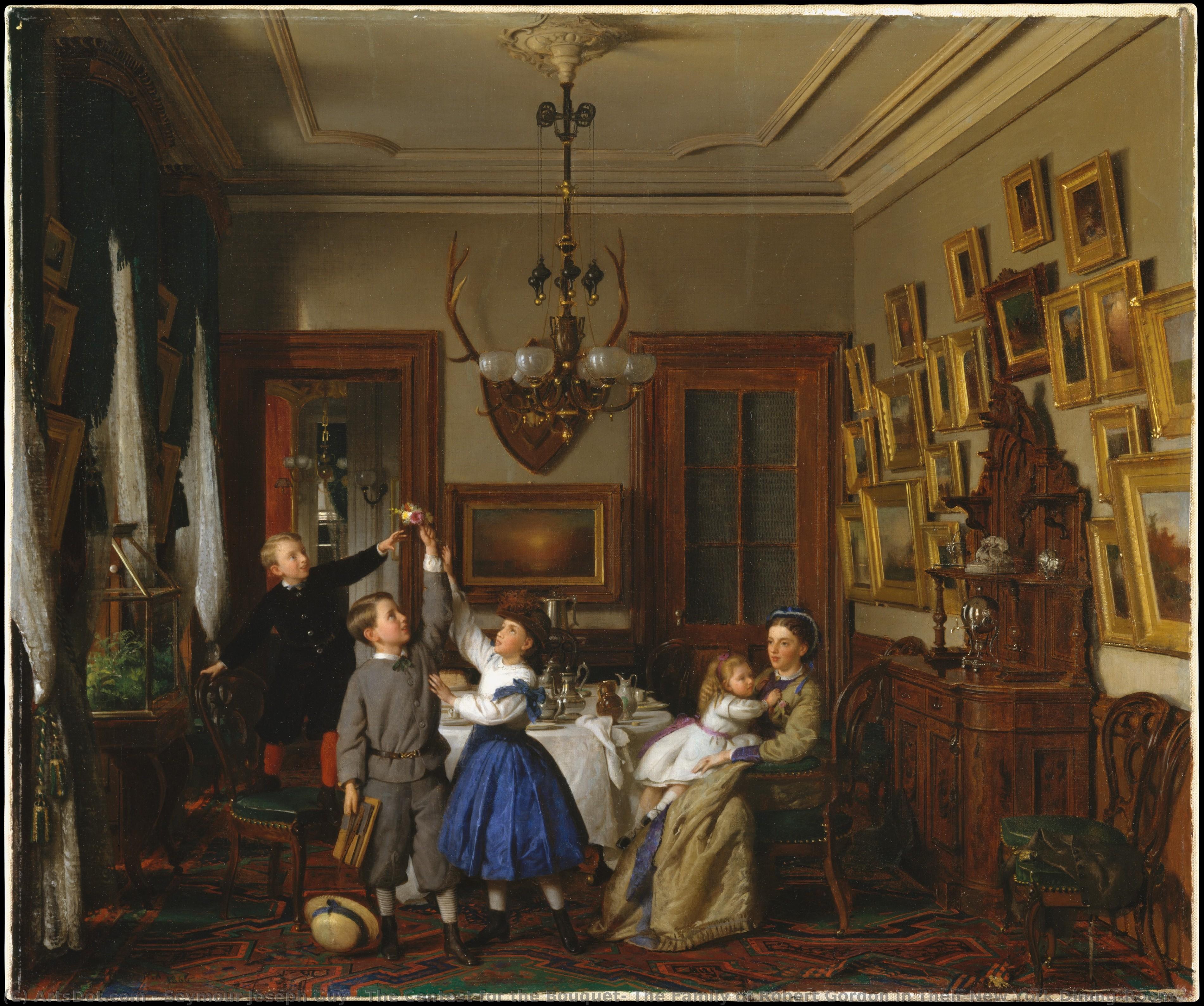
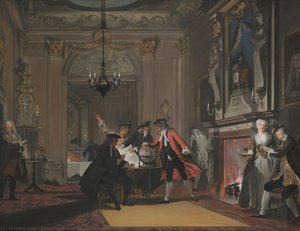
The Contest for the Bouquet: The Family of Robert Gordon in Their New York Dining-Room
 Oil On Canvas
- WallArt
- Victorian Era
 1866
1866- 19th Century
 63.0 x 75.0 cm
 Metropolitan Museum of Art
 Read More
Hand Made Oil Reproduction
Hand-painted oil on canvas in your size and frame, made to order by our artists. ( Buy Print Buy Image)




P118B $10

P118H $10

P118W $10

P438Z $10

P508JH $12

P508YH $12

P805H $10

P805Z $10

P919BZ $10

P919G $10

P919XJ $10

P959ZH $10

P968JZ $12

W106C $8

W218G $10

W218JH $8

W218Y $10

W307PJ $10

W316G $10

W316PJ $8

W316Y $10

W398PJ $8

W4111J $10

W500HY $15

W500JH $15

W692G $12

W849H $8

W940BG $15

W953PJ $8




Pick from our preset sizes that match the artwork's original proportions.

You may enter your own dimensions to fit a specific frame or space. If your selected size does not match the original image's proportions, we will either crop the artwork or extend the painting with additional hand-painted elements. A digital mockup will be sent for your approval before production begins.
Please note that the on-screen preview does not reflect the actual cropping or extension. Only the mockup will accurately show the final composition.
While custom sizes are available, we recommend selecting a dimension from the predefined list to preserve the original proportions.
After order, ArtsDot.com team will email client for instructions and provide a mockup preview
Worldwide Delivery () in 3/4 weeks instead of standard 5 weeks. (16 August). No compromise on quality.

Free Worldwide Express Shipping

High-Quality Linen Canvas

Full Shipping Insurance

Customs Tax Refund Guarantee

True Color Matching Guarantee

60-Day Return Policy (Defects Only)

100% Money-Back Guarantee

Bulk Discount Offer
 Glass option is only available in size under 110 CM

The Contest for the Bouquet: The Family of Robert Gordon in Their New York Dining-Room
Reproduction Medium
Reproduction Size
-


Total Price
$ 263
Artwork Description
A Glimpse into Victorian Domestic Bliss
This captivating scene transports us directly into the affluent drawing-room of New York City in the mid-nineteenth century. The Contest for the Bouquet: The Family of Robert Gordon in Their New York Dining-Room is more than just a portrait; it is a meticulously preserved moment of domestic life, brimming with the warmth and intricate social rituals characteristic of the Victorian era. Commissioned by the prominent financier Robert Gordon, the painting captures a family unit engaged in the delightful chaos of childhood play amidst the grandeur of their fashionable home.
The composition immediately draws the eye to the central activity: the spirited contest for a small corsage. This seemingly trivial object becomes the focal point around which the narrative energy of the piece revolves. Observe the interplay between the children—their gestures are animated, suggesting a playful rivalry tempered by familial affection. Meanwhile, the quiet solace found in the mother’s lap provides a beautiful counterpoint to the boisterous activity at the table.
The Allure of Renaissance Revival Interiors
The setting itself speaks volumes about the tastes and aspirations of the wealthy patrons of the time. The room is appointed in the fashionable Renaissance Revival style, lending an air of timeless European elegance to the American metropolis. One’s eye travels across the richly detailed sideboard, which evokes the craftsmanship of masters like Alexander Roux, suggesting a deep appreciation for historical artistry. Beyond the furniture, notice the decorative elements: the elegant chandelier casting its soft glow, the stately clock marking the passage of time, and the smaller paintings adorning the background walls. These details are crucial; they ground the ephemeral moment in a tangible, luxurious reality.
For those interested in interior design or historical ambiance, this piece offers an unparalleled study in period décor. It suggests a life lived with cultivated taste, where art and domesticity were inextricably linked.
Technique and The Artist's Touch
Executed by Seymour Joseph Guy, the painting showcases a mastery of genre scene painting popular during the Victorian age. While Guy’s career has seen a recent scholarly rediscovery, his ability to imbue figures with such palpable life remains evident. The technique allows for both broad, atmospheric strokes defining the opulent room and incredibly delicate handling in rendering the textures—the sheen on the polished wood, the soft folds of the mother's dress, and the varied tones of the children’s clothing.
The overall effect is one of vibrant narrative captured with painterly grace. It invites the viewer not merely to look, but to participate in the scene, almost hearing the laughter echoing off the high ceilings.
Symbolism of Family and Prosperity
At its heart, this artwork functions as a celebration of bourgeois prosperity and the idealized structure of the Victorian family. The gathering itself symbolizes stability and continuity—the passing down of culture and affection within a successful lineage. The bouquet, that small prize, can be read symbolically as the ephemeral nature of childhood joys, yet these moments are immortalized here for posterity. It is a poignant meditation on domestic bliss, rendered with an almost nostalgic sweetness.
Owning a reproduction of this work allows one to bring not just a painting, but a carefully curated piece of historical sentiment into your own space—a beautiful echo of 1860s New York refinement.
Related Artworks

Artist Biography
The Poignant Vision of Seymour Joseph Guy
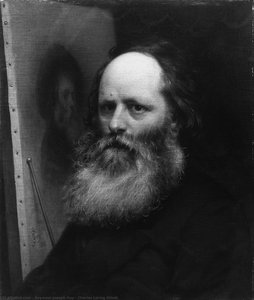
Seymour Joseph Guy (1824-1910) remains a figure shrouded in relative obscurity, yet his paintings possess an undeniable charm and offer a poignant glimpse into the idealized vision of American childhood during the Victorian era. Largely overlooked for decades after his death, Guy’s oeuvre is now experiencing a resurgence of interest thanks to meticulous scholarship and advancements in imaging technology—particularly ultraviolet fluorescence microscopy—which have revealed astonishing levels of detail previously undetectable to the Наeye. This renewed appreciation underscores not only Guy's artistic prowess but also the broader cultural context within which he operated, bridging the gap between European classical training and the burgeoning domestic sentiment of the United States.
Born in Greenwich, England, Guy’s formative years were marked by a privileged upbringing and access to exceptional tutors. His father, a barrister, instilled in him a love for classical learning and intellectual curiosity—traits that would undoubtedly shape his artistic sensibilities. While biographical details remain sparse, evidence suggests he pursued studies at Eton College and subsequently enrolled at Christ's College, Cambridge, where he earned a degree in Natural Sciences. This scientific foundation likely informed the meticulous precision found in his later works, allowing him to approach the canvas with both an artist's eye for beauty and a scientist's devotion to anatomical and environmental accuracy.
A Journey of Ambition and Artistic Evolution
Driven by ambition and a desire for creative freedom, Guy emigrated to the United States in 1853. He established himself as a portrait painter in Boston, quickly gaining recognition for his ability to capture subtle expressions of emotion and psychological nuance. However, it was his foray into genre painting—specifically depictions of children at play—that cemented his reputation as one of the foremost artists of his era. His transition from the formal rigidity of portraiture to the fluid, narrative-driven world of genre scenes allowed him to explore the intersection of realism and romanticism.
Guy’s artistic style is characterized by a remarkable blend of realism and sentimentality. He meticulously rendered landscapes and interiors with painstaking accuracy, employing techniques honed during his Cambridge years. Yet, he infused these scenes with an emotional depth that transcended mere documentation. In works such as The New Arrival (1881), one can witness his mastery of the Victorian aesthetic, capturing the tender moments of domestic life with a warmth that resonates across generations. His ability to manipulate light and shadow creates a sense of intimacy, drawing the viewer into the private, often sacred, spaces of the nineteenth-century home.
Legacy and the Mastery of Detail
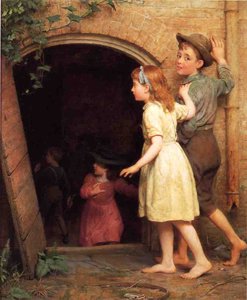
The significance of Guy's work lies in its ability to evoke nostalgia while maintaining a rigorous technical standard. Even when exploring darker or more mysterious themes, such as in The Haunted Cellar (also known as Who's Afraid), he maintains a balance between subtle unease and romantic allure. His paintings serve as historical windows, capturing the textures of Victorian fabrics, the soft glow of candlelight, and the innocent, sometimes mischievous, expressions of youth.
Today, the enduring impact of his contributions to American art can be summarized through several key elements of his mastery:
- Technical Precision: The application of scientific observation to the rendering of light, texture, and anatomical detail.
- Emotional Resonance: A unique ability to capture the psychological depth of his subjects, particularly in scenes of childhood care and domesticity.
- Genre Innovation: Elevating everyday American life into high art through a sophisticated blend of realism and sentimentality.
- Historical Preservation: Providing an invaluable visual record of 19th-century social structures, fashion, and domestic environments.
As modern technology continues to peel back the layers of his canvases, revealing hidden complexities, Seymour Joseph Guy is being rightfully repositioned in the canon of Victorian art. His works, held in major US museums, continue to enchant collectors and historians alike, standing as a testament to a life dedicated to capturing the fleeting beauty of the human experience.
seymour joseph guy
1824 - 1910 , United Kingdom
Quick Facts
- Artistic Movement Or Style: Genre Painting
- Artists Who Influenced This Artist:
- William Holman Hunt
- John Everett Millais
- Date Of Birth: 1824
- Full Name: Seymour Joseph Guy
- Nationality: British
- Notable Artworks:
- The Shepherdess
- A Boy Playing with a Kite
- Place Of Birth: Greenwich, United Kingdom
Related Articles

19th Century Masterpieces: 10 Paintings That Defined an Era | ArtsDot
Journey through 19th century art with ArtsDot! Explore 10 iconic paintings – from Monet & Renoir to Courbet – and discover the stories behind Romanticism, Realism & Impressionism. Find museum-quality reproductions for your home decor. Explore the full collection online!

The Enduring Legacy of Oil on Canvas: Technique, History & Aesthetic Impact
Explore the rich history & techniques of oil painting – from Renaissance masters to Impressionism. Discover pigments, layering methods, and why this timeless medium endures. Expert insights for artists & art enthusiasts.

Oil on Canvas: A Historical & Technical Exploration of a Timeless Artistic Medium
Explore the rich history & enduring techniques of oil painting on canvas. Discover the science behind its longevity, conservation practices, and contemporary relevance. Expert insights for art enthusiasts.

The Enduring Power of Painting: A Historical & Contemporary Exploration of Form and Emotion
Explore the rich history & enduring techniques of oil painting with ArtsDot. Discover masterpieces, learn about art collecting, and find authentic handmade reproductions crafted by skilled artists.

Evolving Portraits: Personalized Art as a Chronicle of Family Life Across Generations
Create a timeless family legacy with custom portraits! ArtsDot connects you with skilled artists for heirloom-quality paintings & prints. Explore styles, commission your unique artwork today.