

 Preview
 Send
Send Share
Share
 Details

 Download
 Similars
 X-Ray
X-Ray Diaporama
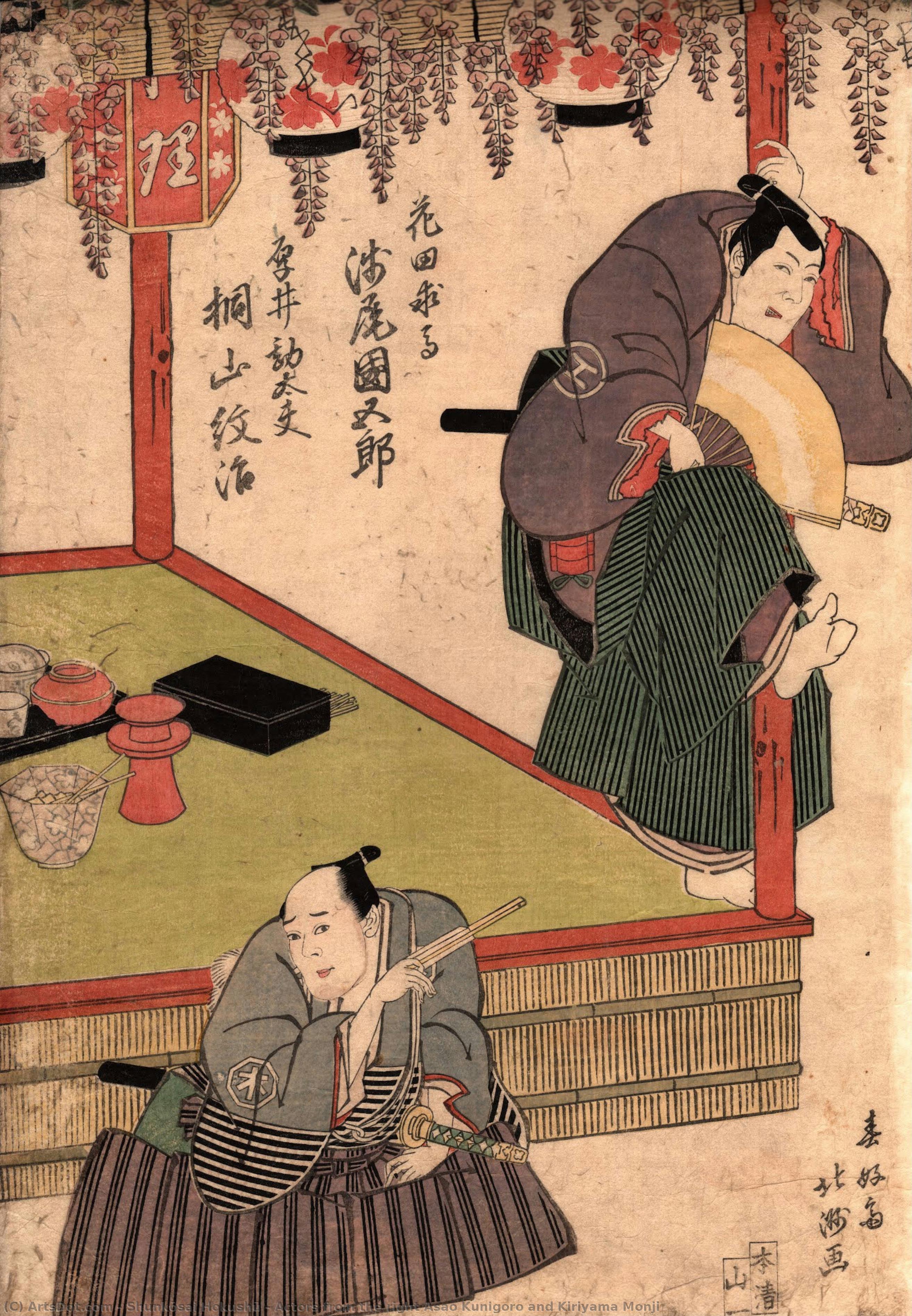
Actors from the right Asao Kunigoro and Kiriyama Monji
 Woodblock Print
- Ukiyo-e
 1822
1822- 19th Century
 38.0 x 26.0 cm
 Bujalance Collection
 Read More
Purchase a high-resolution, enhanced digital image, far superior to the online preview.
Each file is meticulously prepared by our in-house specialists using advanced tools and expert manual retouching. We ensure every image has exceptional clarity, precise color accuracy, and fine detail.
The final file is delivered via email within 72 hours, optimized for immediate use in professional, editorial, and print environments. This is the same quality trusted by top-tier design studios, publishers, and galleries.
Digital Image
Download a high-resolution file for personal display, printing, and creative projects. ( Buy Print Buy Hand Made Painting)
Included in Every Digital Image Order
Expert Digital Delivery, Guaranteed
When you choose ArtsDot.com, you're not just getting an image - you're receiving a professionally enhanced digital artwork, crafted with precision and backed by a satisfaction guarantee. Here's everything that comes with your order, automatically:

Fast Email Delivery
Your high-resolution digital image file will be emailed to you within 72 hours of ordering - ready for immediate use.

AI-Enhanced Digital File
Your artwork is professionally optimized using advanced AI tools and manual editing, ensuring maximum detail, clarity, and color accuracy.

Free Lifetime Re-Delivery
Accidentally deleted or lost your file? No worries - we'll resend it to you anytime, free of charge.

No Import Fees - Ever
Enjoy your artwork instantly with zero customs, duties, or delivery fees - digital downloads are always tax-free.

Color Accuracy Guarantee
We ensure your digital image reflects the original colors as closely as possible using professional tools and color management.

60-Day Satisfaction Guarantee
If you're not satisfied with your digital image, we'll revise it or refund 100% within 60 days - no questions asked.

100% Money-Back Guarantee
Not satisfied? Get a full refund within 60 days of receiving your digital file - no questions asked.

Bulk Order Discounts
Buy 3 images, save 10% - Buy 5, save 15% - Buy 10+, save 20%. Great for creative projects, galleries, and agencies.
Collectible Description
A Moment Frozen in Kabuki Splendor
In the delicate interplay of ink and woodblock, Shunkōsai Hokushū captures a fleeting moment of theatrical intensity that transcends the centuries. This exquisite ukiyo-e print, dating from 1822, presents us with a captivating glimpse into the heart of the Kamigata theater tradition. The scene unfolds with the rhythmic energy of a musical performance, where two actors, Asao Kunigoro and Kiriyama Monji, are caught in the midst of a profound artistic expression. One figure holds a drum, his posture suggesting the controlled tension of a performer awaiting the beat, while the other breathes life into a flute. The composition draws the viewer into the very atmosphere of the stage, where the presence of an audience lingers in the background, creating a sense of shared breath and collective anticipation.
The artistry of this piece lies not just in its subject, but in the masterful execution of the Osaka style. Unlike the more idealized and eternally youthful portraits found in the Edo school, Hokushū’s work embraces a striking realism. There is a palpable weight to the figures; one can sense the physical presence of the actors, their silhouettes possessing a grounded, human quality that reflects the true essence of the Kabuki performer. The subtle textures of their costumes and the focused intensity of their facial expressions invite the collector to look closer, discovering the meticulous detail that defines this era of Japanese printmaking.
The Soul of the Kamigata Tradition
To understand this work is to understand the cultural heartbeat of 19th-century Osaka. As a master of the kamigata-e style, Hokushū moved away from the grand landscapes and ethereal beauties of his contemporaries to focus on the raw, dramatic power of the theater. This print serves as a historical window, showcasing the unique aesthetic of the Kamigata region, where the portraits of actors were characterized by a profound psychological depth. The artist utilizes the woodblock medium to create a sense of movement and sound; though silent, the image vibrates with the imagined resonance of the flute and the sharp strike of the drum.
For the discerning art lover or interior designer, this reproduction offers more than mere decoration; it provides a narrative anchor for a sophisticated space. The piece carries an emotional gravity that can transform a room, evoking themes of heritage, discipline, and the ephemeral beauty of performance. Whether placed in a curated gallery setting or used to add a touch of historical elegance to a modern study, the artwork serves as a conversation piece that celebrates the enduring legacy of Japanese craftsmanship and the timeless allure of the dramatic arts.
Related Artworks
Artist Biography
Shunkōsai Hokushū: The Osaka Style’s Quiet Maestro
Shunkōsai Hokuchō (春曙斎 北頂), born around 1802 in Osaka, Japan, stands as a fascinating figure within the vibrant tapestry of Edo-period art history. Though overshadowed by contemporaries like Hokusai and Hiroshige—whose flamboyant landscapes captivated audiences—Hokuchō carved out a distinctive niche as a producer of *kabuki* actor prints, establishing what is now known as the Osaka style (*kamigata-e*) and leaving an indelible mark on Japanese visual culture. His legacy resides not in grand spectacle but in meticulous detail and a profound understanding of theatrical performance.- Early Life & Training: Hokuchō’s formative years were spent under the tutelage of Shunkōsai Hambei, a respected Osaka artist who instilled in him foundational skills in woodblock printing and design. While Hambei's influence is undeniable, scholarly debate persists regarding whether Hokuchō also studied with Hokusai himself—a connection that would have undoubtedly broadened his artistic horizons.
- The Osaka Style Emerges: Unlike the Edo-period’s dominant trend of producing prints in Tokyo, Hokuchō remained firmly rooted in Osaka. This geographical location fostered a unique aesthetic sensibility characterized by subdued palettes – predominantly yellows—and an unwavering focus on capturing the essence of *kabuki* actors onstage. The Osaka style prioritized conveying emotion and immediacy rather than striving for idealized representations.
- Collaborations & Patronage: Hokuchō’s artistic endeavors flourished thanks to fruitful collaborations with skilled woodblock carvers like Kasuke, one of Osaka's most celebrated artisans. These partnerships ensured the highest quality prints were produced, reflecting Hokuchō’s commitment to excellence and securing his place within Osaka’s artistic elite.
Notable Works & Artistic Technique
Hokuchō’s oeuvre is relatively modest compared to other prominent artists of his time—approximately 30 prints survive—yet each piece exemplifies the hallmarks of the Osaka style. His prints depict iconic *kabuki* performers, meticulously rendered with remarkable accuracy and sensitivity. Hokuchō skillfully employed a technique known as *tsukuri-e*, which involved carving the woodblock surface in multiple stages to achieve nuanced tonal variations – crucial for conveying the dramatic lighting effects prevalent in *kabuki* theaters. The deliberate use of yellow backgrounds served not merely as decorative element but as a symbolic representation of Osaka’s cultural identity.- Iconic Portraits: Among Hokuchō's most celebrated works are portraits of Ichikawa Ebijūrō I and Nakamura Utaemon II—performances that cemented his reputation for capturing the psychological depth of theatrical actors. These prints demonstrate Hokuchō’s ability to convey emotion through subtle facial expressions and posture.
- Osaka’s Artistic Landscape: Hokuchō's artistic output reflects Osaka’s position as a center of theatrical culture during the early 19th century. Unlike Tokyo-based artists who often catered to aristocratic tastes, Hokuchō focused on producing prints for amateur enthusiasts—a practice that ensured his work resonated deeply with the populace.
Legacy & Historical Significance
Shunkōsai Hokuchō’s contribution to Japanese art history extends beyond merely documenting theatrical performances. He established a distinct artistic tradition (*kamigata-e*) that continues to inspire artists today—a testament to his unwavering dedication to craftsmanship and aesthetic innovation. While Hokuchō may not command the same level of fame as Hokusai or Hiroshige, his quiet mastery of *tsukuri-e* and his profound understanding of theatrical emotion solidified his place as a pivotal figure in Osaka’s artistic heritage. His prints serve as invaluable windows into the cultural landscape of Edo Japan, offering insights into the passions and sensibilities of a bygone era.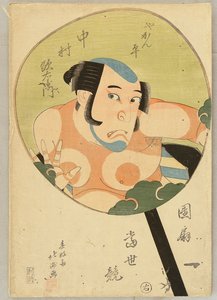
shunkōsai hokushū
1832 , Japan
Quick Facts
- Artistic Movement Or Style: Kamigata-e
- Artists Or Movements Influenced By This Artist: ['Kabuki']
- Artists Who Influenced This Artist: ['Shōkōsai Hambei']
- Date Of Death: 1832
- Full Name: Shunkōsai Hokushū
- Nationality: Japanese
- Notable Artworks:
- Actor Ichikawa Ebijuro I
- Actor Nakamura Utemon II
- Place Of Birth: Osaka, Japan

