 Preview
 Send
Send Share
Share
 Details

 Download
 Similars
 X-Ray
X-Ray Diaporama
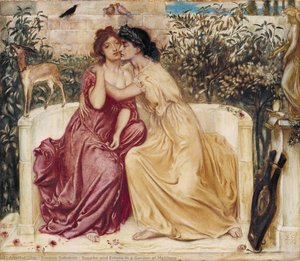
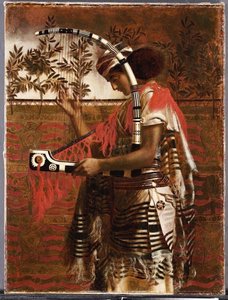
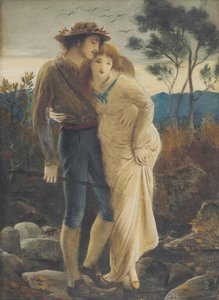
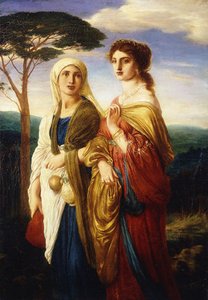
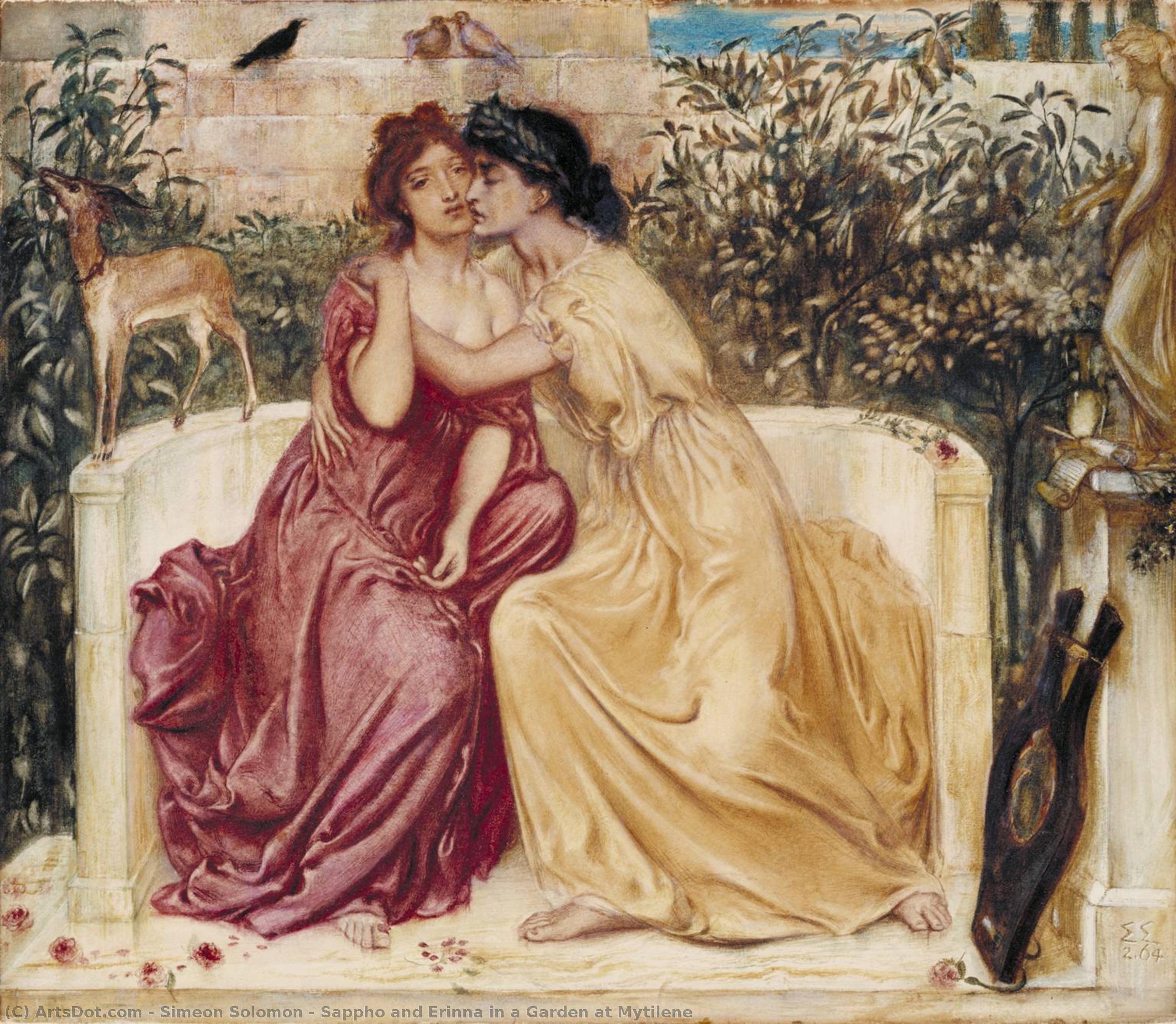
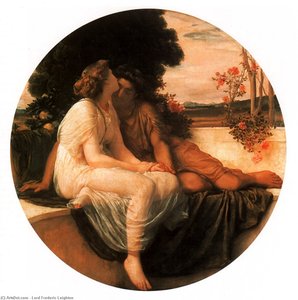
Sappho and Erinna in a Garden at Mytilene
 Acrylic On Canvas
- WallArt
- Pre-Raphaelite
 1864
1864- 19th Century
 38.0 x 33.0 cm
 Tate Britain
 Read More
Hand Made Oil Reproduction
Hand-painted oil on canvas in your size and frame, made to order by our artists. ( Buy Print Buy Image)




P118B $10

P118H $10

P118W $10

P438Z $10

P508JH $12

P508YH $12

P805H $10

P805Z $10

P919BZ $10

P919G $10

P919XJ $10

P959ZH $10

P968JZ $12

W106C $8

W218G $10

W218JH $8

W218Y $10

W307PJ $10

W316G $10

W316PJ $8

W316Y $10

W398PJ $8

W4111J $10

W500HY $15

W500JH $15

W692G $12

W849H $8

W940BG $15

W953PJ $8




Pick from our preset sizes that match the artwork's original proportions.

You may enter your own dimensions to fit a specific frame or space. If your selected size does not match the original image's proportions, we will either crop the artwork or extend the painting with additional hand-painted elements. A digital mockup will be sent for your approval before production begins.
Please note that the on-screen preview does not reflect the actual cropping or extension. Only the mockup will accurately show the final composition.
While custom sizes are available, we recommend selecting a dimension from the predefined list to preserve the original proportions.
After order, ArtsDot.com team will email client for instructions and provide a mockup preview
Worldwide Delivery () in 3/4 weeks instead of standard 5 weeks. (27 August). No compromise on quality.

Free Worldwide Express Shipping

High-Quality Linen Canvas

Full Shipping Insurance

Customs Tax Refund Guarantee

True Color Matching Guarantee

60-Day Return Policy (Defects Only)

100% Money-Back Guarantee

Bulk Discount Offer
 Glass option is only available in size under 110 CM

Sappho and Erinna in a Garden at Mytilene
Reproduction Medium
Reproduction Size
-


Total Price
$ 288
A Moment of Intimacy: Simeon Solomon’s Pre-Raphaelite Masterpiece
Simeon Solomon's “Sappho and Erinna in a Garden at Mytilene,” painted in 1864, is more than just a beautiful depiction of two women embracing; it’s a poignant encapsulation of Victorian sensibilities grappling with themes of love, desire, and the burgeoning exploration of female identity. This watercolor, now housed within the Tate Britain collection, offers a glimpse into a world where artistic expression dared to venture beyond conventional subjects, revealing a sensitive and often subversive portrayal of queer relationships within the constraints of an era defined by strict social norms.
The painting immediately draws the eye with its Pre-Raphaelite aesthetic – rich, saturated colors, meticulous detail, and a deliberate blurring of sharp lines. Solomon’s brushwork is remarkably fluid, creating a sense of movement and softness that contrasts beautifully with the solidity of the stone bench upon which Sappho and Erinna are seated. The composition itself is subtly asymmetrical, yet balanced, guiding the viewer's gaze to the central figures while incorporating elements like the deer and the doves – each imbued with symbolic weight.
The Mythic Echoes: Sappho, Erinna, and Ancient Greece
The subject matter—Sappho and Erinna—is rooted in Greek mythology. Sappho, a renowned poet from Lesbos, is celebrated for her lyrical verses exploring themes of love and beauty. Erinna, often considered her close companion, is depicted here as receiving Sappho’s embrace. The painting isn't simply a romantic scene; it’s an invocation to the spirit of Sappho, a figure who has long been associated with female desire and artistic expression. Solomon’s choice to portray them in a lush garden at Mytilene—Sappho’s birthplace—adds another layer of significance, grounding the narrative within its historical context.
The inclusion of the deer, a symbol of innocence and grace, alongside the lovers suggests a harmony between earthly passion and spiritual purity. The doves perched on the wall behind them may represent their love, with flowers and petals strewn around them – a visual metaphor for affection and beauty. A blackbird, often associated with ill omen, emerges from behind the instrument, slithering towards a flower, perhaps symbolizing a third party intruding on the lovebirds.
The Artist’s Secret: Solomon's Queer Identity
Simeon Solomon’s life was shrouded in both artistic brilliance and personal scandal. Born into a Jewish family in London in 1840, he navigated a society that often viewed his identity with suspicion and prejudice. His work frequently explored themes of Jewish identity, same-sex desire, and classical mythology—subjects considered taboo for the time. “Sappho and Erinna” is widely interpreted as a deeply personal expression of Solomon’s own experiences, using Sappho's story as a vehicle to explore his own feelings and desires. The painting can be seen as a veiled representation of queer relationships within Victorian society, offering a glimpse into a world largely hidden from public view.
The subtle details—the slightly androgynous features of the figures, the melancholic atmosphere—suggest a deliberate attempt to conceal Solomon’s identity while simultaneously conveying his emotional truth. It's a testament to his artistic skill that he could create such a beautiful and evocative image while navigating the complexities of his own life.
A Timeless Reflection: Symbolism and Emotional Resonance
“Sappho and Erinna in a Garden at Mytilene” transcends its historical context, offering a timeless reflection on love, loss, and the enduring power of human connection. The painting’s emotional resonance stems from its ability to capture a fleeting moment of intimacy—a tender embrace amidst a backdrop of beauty and mystery. The soft lighting, the delicate brushwork, and the carefully chosen symbols all contribute to a sense of quiet contemplation, inviting viewers to consider the complexities of desire and the enduring legacy of Sappho’s poetry.
Related Artworks
Artist Biography
A Life Shrouded in Beauty and Scandal: The World of Simeon Solomon
Simeon Solomon, a name whispered with both reverence and regret within the annals of Victorian art, occupies a unique and often tragic position amongst the Pre-Raphaelites. Born in London in 1840 into a prominent Jewish family – the eighth and final child of merchant Michael (Meyer) Solomon and artist Catherine (Kate) Levy – his life was one of remarkable artistic promise tragically curtailed by societal prejudice and personal demons. Unlike many of his contemporaries who enjoyed long and celebrated careers, Solomon’s trajectory was abruptly altered by scandal, yet his work continues to captivate with its delicate beauty, evocative symbolism, and poignant exploration of themes often considered taboo for the era. He wasn't merely a painter; he was a cultural mirror reflecting the complexities of Victorian England, grappling with faith, desire, and identity in a rapidly changing world.Early Influences and Artistic Development
Solomon’s artistic education began within his own family circle. His mother possessed an amateur talent for miniature painting, while his elder siblings, Abraham and Rebecca Solomon, were both established artists exhibiting at the Royal Academy. It was from them, particularly his brother Abraham, that Simeon received his initial training, learning the fundamentals of draftsmanship and composition. He formally studied at Carey’s Art Academy in 1852 before entering the prestigious Royal Academy Schools in 1856. This period proved pivotal, as it introduced him to the burgeoning Pre-Raphaelite Brotherhood through Dante Gabriel Rossetti. The encounter with Rossetti, along with friendships forged with Edward Burne-Jones and Algernon Charles Swinburne, profoundly shaped Solomon’s artistic sensibilities. He embraced their commitment to detailed realism, vibrant color palettes, and a fascination with literature, mythology, and religious narratives. Early works like *Isaac Offered* (1858) demonstrate this initial influence, showcasing a meticulous attention to detail and a dramatic narrative style characteristic of the Pre-Raphaelites. However, Solomon quickly began to forge his own path, infusing his paintings with a distinctly personal vision.Themes of Faith, Desire, and Identity
Solomon’s artistic output was remarkably diverse, encompassing biblical scenes, classical mythology, and genre paintings depicting Jewish life and rituals. He found particular inspiration in the Hebrew Bible, creating works such as *Moses* (1860) and *Shadrach, Meshach, and Abednego* (1863), which resonated with his own cultural heritage. Yet, it was his exploration of classical themes that truly set him apart. Paintings like *In the Temple of Venus* (1863) and *Bacchus* (1867) reveal a fascination with sensuality and beauty, often imbued with an undercurrent of melancholy and longing. These works also hint at Solomon’s growing interest in same-sex desire, a theme he would explore more explicitly – and dangerously – throughout his career. His association with Algernon Charles Swinburne, whose poetry celebrated unconventional love and challenged Victorian morality, undoubtedly fueled this exploration. Solomon's art became a subtle yet powerful commentary on the constraints of Victorian society, hinting at hidden passions and unspoken desires. He was one of the first artists to openly depict homoerotic themes, albeit often veiled in classical allegory or biblical narrative.Scandal, Decline, and Lasting Legacy
The year 1873 marked a devastating turning point in Solomon’s life. His arrest in a public urinal for attempting to commit sodomy brought swift and brutal consequences. Though he received a relatively light fine, the scandal shattered his reputation and effectively ended his career as a publicly exhibited artist. A subsequent arrest in Paris in 1874 led to a three-month prison sentence. Shunned by much of the art establishment, Solomon descended into alcoholism and poverty. However, despite his ostracization, he continued to create art, albeit often under difficult circumstances. He found support from a small circle of admirers – including Oscar Wilde, John Addington Symonds, and Walter Pater – who recognized his talent and collected his works in private. He spent time in the St Giles Workhouse, continuing to paint even amidst hardship. His death in 1905, resulting from complications related to alcoholism, went largely unnoticed by the wider public. In recent decades, however, there has been a growing reassessment of Solomon’s work and life. Retrospectives at the Birmingham Museum & Art Gallery (2005-6) and the Ben Uri Gallery in London (2006) have brought his art to a new audience, recognizing him as a significant figure within the Pre-Raphaelite movement and a pioneering artist who dared to challenge Victorian conventions. His paintings now reside in prominent collections such as the Victoria and Albert Museum, Wightwick Manor, and Leighton House, ensuring that his unique vision continues to inspire and provoke thought for generations to come. His story serves as a poignant reminder of the fragility of artistic freedom and the enduring power of art to transcend societal boundaries.
Simeon Solomon
1840 - 1905 , United Kingdom
Quick Facts
- Artistic Movement Or Style: Pre-Raphaelite
- Artists Who Influenced This Artist:
- Rossetti
- Burne-Jones
- Date Of Birth: 1840
- Date Of Death: 1905
- Full Name: Simeon Solomon
- Nationality: British
- Notable Artworks:
- Babylon hath been...
- Socrates and Agathodemos
- Ruth and Naomi
- Shadrach, Meshach...
- In the Temple of Venus
- The Bride, Bridegroom...
- Place Of Birth: London, UK
Related Articles
Dante Gabriel Rossetti's 25 Masterpieces: A Journey Through Victorian Art & Symbolism | ArtsDot
Explore 25 iconic artworks by Dante Gabriel Rossetti, a leading Pre-Raphaelite artist. Discover the stories behind masterpieces like 'Proserpine' & 'Beata Beatrix'. Find museum-quality art reproductions and elevate your home decor with ArtsDot.com.
Sir John Everett Millais: Pre-Raphaelite Rebellion & Victorian Narrative Detail
Explore the revolutionary art of Sir John Everett Millais & the Pre-Raphaelite Brotherhood. Discover their radical realism, symbolic narratives, and lasting impact on Victorian aesthetics. A deep dive into 19th-century masterpieces.
The Pre-Raphaelite Brotherhood: Rebellion, Romance & Medieval Revival
Explore the captivating world of the Pre-Raphaelite Brotherhood! Discover their rebellious spirit, iconic masterpieces & lasting influence on art history. Learn about Rossetti, Millais & more.
Arthur Hughes: Pre-Raphaelite Visions of Beauty & Melancholy
Explore the captivating world of Arthur Hughes (1832-1915), a leading Pre-Raphaelite painter. Discover his dreamy landscapes, poetic narratives & iconic Victorian artworks. Learn about his life, style & collecting today.
Escape into Beauty: A Curated Guide to the Dreamy World of Pre-Raphaelite Romanticism
Embark on a visual journey through Pre-Raphaelite Romanticism. Discover the vivid details, mythic narratives, and luminous colors of this iconic era, and learn how to bring this timeless, dreamy beauty into your home with museum-quality art reproductions.