 Preview
 Send
Send Share
Share
 Details

 Download
 Similars
 X-Ray
X-Ray Diaporama
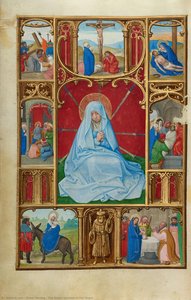
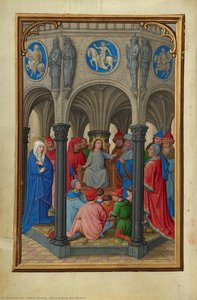
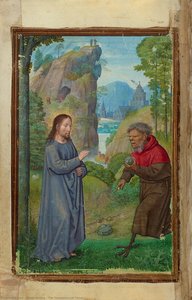
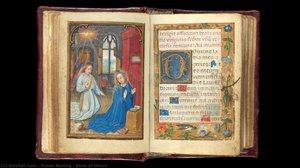
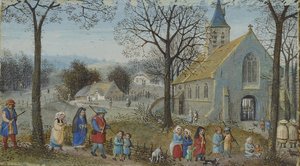
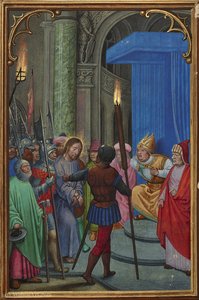
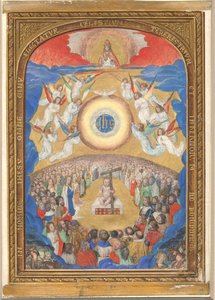
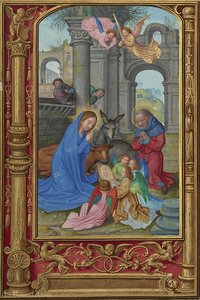
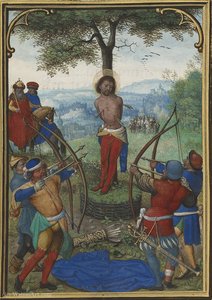
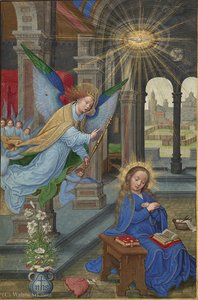
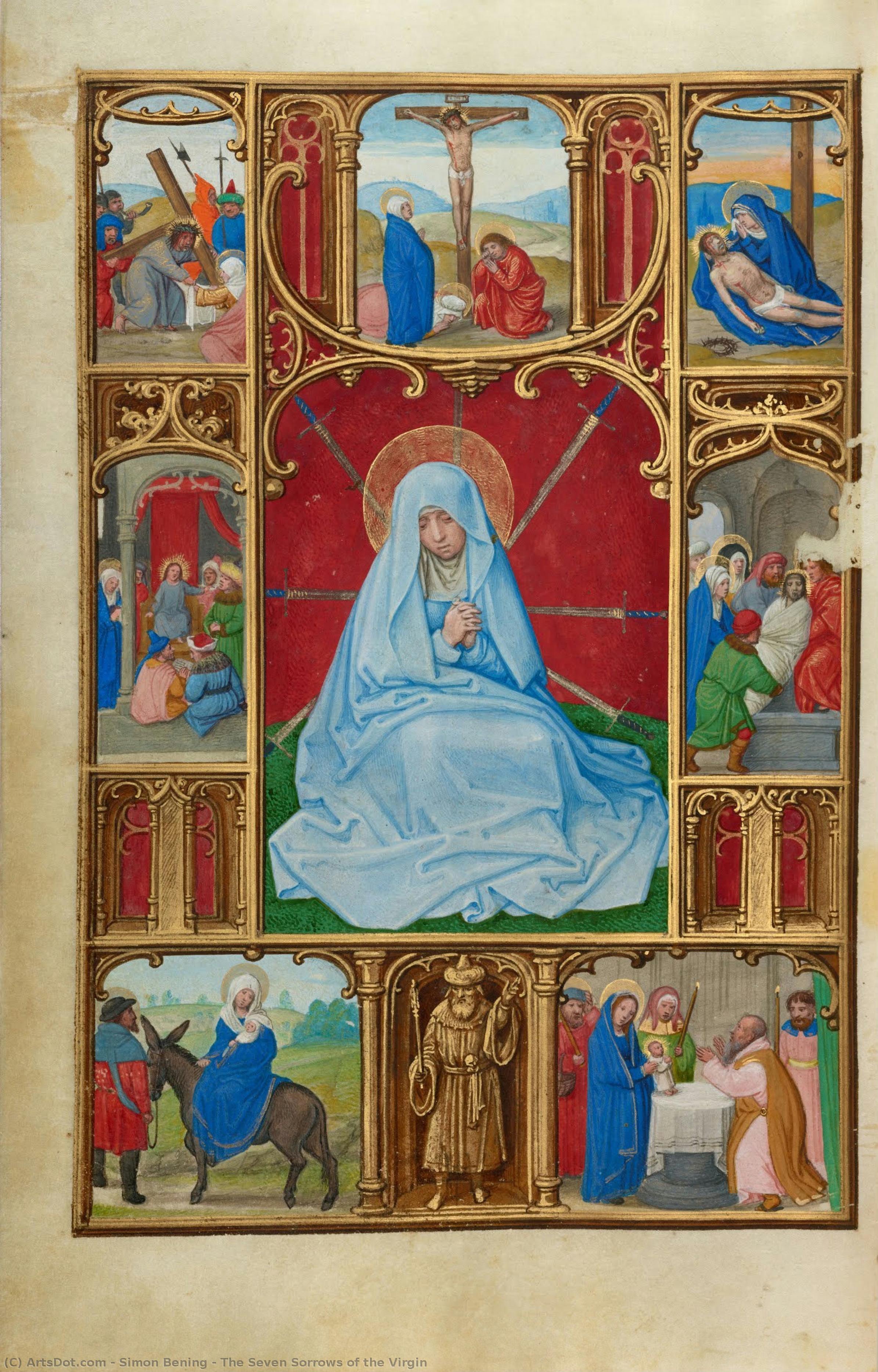
The Seven Sorrows of the Virgin
 Acrylic On Canvas
- WallArt
- High Renaissance
 1530
1530 16.0 x 11.0 cm
 J. Paul Getty Museum
 Read More
Giclée / Art Print
Museum-quality giclée or canvas print with fast production and flexible finish options. ( Buy Hand Made Painting Buy Image)




P118B $10

P118H $10

P118W $10

P438Z $10

P508JH $12

P508YH $12

P805H $10

P805Z $10

P919BZ $10

P919G $10

P919XJ $10

P959ZH $10

P968JZ $12

W106C $8

W218G $10

W218JH $8

W218Y $10

W307PJ $10

W316G $10

W316PJ $8

W316Y $10

W398PJ $8

W4111J $10

W500HY $15

W500JH $15

W692G $12

W849H $8

W940BG $15

W953PJ $8




Pick from our preset sizes that match the artwork's original proportions.

You may enter your own dimensions to fit a specific frame or space. If your selected size does not match the original image's proportions, we will either crop the artwork or extend the image with a mirrored or solid-fill edge. A digital mockup will be sent for your approval before production begins.
Please note that the on-screen preview does not reflect the actual cropping or extension. Only the mockup will accurately show the final composition.
While custom sizes are available, we recommend selecting a dimension from the predefined list to preserve the original proportions.
Worldwide Delivery () in 2 weeks instead of standard 4/5 weeks. (25 August)

Free Worldwide Express Shipping

High-Quality Linen Canvas

Full Shipping Insurance

Customs Tax Refund Guarantee

True Color Matching Guarantee

60-Day Return Policy (Defects Only)

100% Money-Back Guarantee

Bulk Discount Offer
 Glass option is only available in size under 110 CM

The Seven Sorrows of the Virgin
Giclée / Art Print
Reproduction Size
-


Total Price
$ 63
Collectible Description
A Meditation on Sorrow: Raphael’s “The Seven Sorrows of the Virgin”
Raphael Sanzio’s “The Seven Sorrows of the Virgin,” painted in 1530, stands as a testament to the enduring power of humanist ideals and artistic beauty within the turbulent landscape of Renaissance Italy. Created during Federico da Montefeltro's patronage in Urbino—a city renowned for its intellectual fervor and artistic innovation—the miniature transcends mere visual representation; it embodies a profound spiritual contemplation on Mary’s suffering endured throughout her life, specifically referencing Christ’s crucifixion and its repercussions on her soul.Style and Technique: Harmonious Detail
The painting exemplifies the High Renaissance style's hallmark – meticulous observation of detail combined with idealized proportions and balanced composition. Raphael skillfully employs sfumato, a technique pioneered by Leonardo da Vinci, to soften contours and create an ethereal luminescence that envelops Mary’s figure. Layers upon layers of translucent glaze imbue the pigments with depth and vibrancy, capturing the subtle nuances of emotion and conveying a sense of serene solemnity. The artist's masterful brushwork contributes to the overall impression of grace and refinement, reflecting the humanist preoccupation with achieving perfection in form and expression.Historical Context: Echoes of Neoplatonic Philosophy
“The Seven Sorrows” emerged from a period marked by significant intellectual currents—namely, Neoplatonism—which sought to reconcile Christian theology with Greek philosophy. This philosophical framework emphasized divine beauty as the ultimate source of goodness and truth, influencing artists like Raphael to depict Mary not merely as a pious mother but as an embodiment of spiritual purity and compassion. The painting reflects the broader Renaissance fascination with portraying human emotions authentically while elevating them to sublime levels of artistic grandeur. It’s considered part of the larger devotional tradition aimed at fostering piety and contemplation during a time of religious upheaval.Symbolism: Seven Swords, Seven Sorrows
The central image—Mary seated upon the ground, surrounded by seven swords piercing her flesh—is laden with symbolic significance. Each sword represents one of the seven sorrows experienced by Mary throughout her life: the Annunciation, Conception, Visitation, Sorrowful Departure from Jerusalem, Crucifixion, Lamentation, and Burial. These events underscore Christ’s sacrifice for humanity and evoke a palpable sense of grief and compassion within the viewer. The positioning of Mary—seated humbly on the ground—emphasizes her vulnerability and underscores the profound spiritual transformation wrought by suffering. Furthermore, the golden halo surrounding Mary symbolizes divine grace and holiness, reinforcing the painting's overarching message of faith and devotion.Emotional Impact: A Window into Sacred Sorrow
“The Seven Sorrows” transcends its formal artistry to elicit a powerful emotional response. Raphael’s depiction captures not merely sorrow but also profound empathy—a recognition of Mary’s unwavering love for God and her acceptance of suffering as an integral part of divine providence. The painting invites viewers to contemplate the human condition, acknowledging both pain and beauty within the framework of faith. Its enduring appeal lies in its ability to communicate universal themes of compassion, humility, and spiritual contemplation—qualities that continue to resonate with audiences today. It remains a poignant reminder of Mary’s unwavering devotion and serves as an inspiration for artistic expression rooted in profound moral and spiritual conviction.Related Artworks
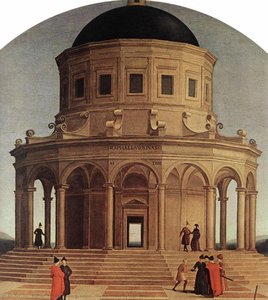
Artist Biography
Raphael: The Poet of Beauty
Raphael Sanzio, born Raffaello Santi on April 6, 1483, in Urbino, Italy, was a painter and architect whose name has become synonymous with High Renaissance grace and harmony. Though his life spanned only thirty-seven years – he died tragically young on April 6, 1520 – Raphael’s impact on Western art is immeasurable. He wasn't merely a skilled craftsman; he possessed an innate poetic sensibility, translating the ideals of humanism and Neoplatonic philosophy into breathtakingly beautiful paintings that continue to captivate audiences centuries later. His legacy rests primarily upon his “Madonnas,” those serene and luminous depictions of Mary and child, but also on monumental frescoes within the Vatican Palace and a profound influence on generations of artists who followed.Early Life and Artistic Foundations
Urbino, Raphael’s birthplace, was a vibrant center of culture during the reign of Duke Federico da Montefeltro. The Duke fostered an environment where art flourished, attracting scholars, poets, and artists from across Italy. Raphael's father, Giovanni Santi, was a painter for the court, and it was through him that young Raffaello first encountered the world of art. Giovanni instilled in his son not only technical skills but also a deep appreciation for classical literature and philosophy – crucial elements of the burgeoning humanist movement. Crucially, Giovanni introduced Raphael to the artistic circles surrounding the Duke, exposing him to the ideas of Leonardo da Vinci and other leading figures. Following his father’s death in 1494, Raphael assumed responsibility for managing his workshop, a demanding task that honed his organizational skills and further developed his artistic talent. He quickly gained recognition as a gifted painter, undertaking commissions for churches and private patrons throughout the region. His early works, such as *The Tribute Money* (circa 1503-1504), already demonstrated a remarkable command of perspective and composition, foreshadowing the stylistic innovations that would define his mature style. He spent time in Perugia from 1504 to 1507, working under the tutelage of Pietro Vannucci, better known as Perugino, absorbing the master’s techniques while simultaneously developing his own distinctive approach.The Florentine Influence and the Rise of the Madonna
In 1508, Raphael moved to Florence, a city brimming with artistic innovation at the time. He was profoundly influenced by the works of Leonardo da Vinci, Michelangelo, and Masaccio – artists who were pushing the boundaries of perspective, anatomy, and emotional expression. He spent nearly three years in Florence, producing a series of paintings that marked a significant departure from Perugino’s more restrained style. The *Entombment* (1507-1508), for example, demonstrated Raphael's growing mastery of dramatic composition and his ability to convey profound emotion through gesture and expression. It was during this period that he began to refine his signature “Madonna” cycle – a series of paintings depicting the Virgin Mary with the infant Jesus – which would become his most celebrated achievement. These Madonnas weren’t simply devotional images; they were carefully constructed narratives, imbued with classical beauty and philosophical depth.The Vatican Years: Frescoes of Grandeur
In 1509, Raphael accepted a commission from Pope Julius II to decorate the *Stanza della Segnatura* (Room of the Signatura) in the Vatican Palace. This monumental project presented Raphael with an unprecedented opportunity to showcase his artistic genius on a grand scale. Over the next several years, he created four vast frescoes that explored themes of philosophy, theology, and classical learning – reflecting the Pope’s interest in humanist scholarship. The *School of Athens* (1509-1511), perhaps his most famous work, depicts a gathering of ancient philosophers and scientists, including Plato and Aristotle, engaged in spirited debate. The fresco is not merely a historical illustration; it's a powerful allegory of human reason and intellectual inquiry, embodying the Renaissance ideal of harmonious synthesis between classical learning and Christian faith. He also completed *The Triumph of Gemini* (1509-1510) and *The Disputation of Constantine* (1510-1511), further solidifying his reputation as a master of composition, color, and psychological insight.Legacy and Lasting Influence
Raphael’s untimely death in Rome on April 6, 1520, at the age of thirty-seven, cut short a brilliant career. Despite his brief life, he left behind an extraordinary body of work that profoundly influenced generations of artists. His emphasis on clarity, harmony, and idealized beauty became hallmarks of the High Renaissance style, shaping the artistic standards of Europe for centuries to come. His influence can be seen in the works of countless painters, including those who followed him in the Baroque period. Raphael’s legacy extends beyond his individual paintings; he is remembered as a symbol of artistic perfection – “the poet of beauty” – whose art continues to inspire and uplift viewers around the world. His work remains a testament to the power of human creativity and the enduring appeal of classical ideals.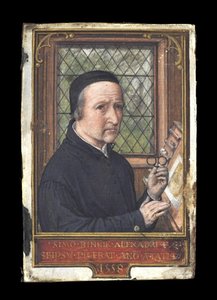
simon bening
1483 - 1561 , Belgium
Quick Facts
- Artistic Movement Or Style: High Renaissance Classicism
- Artists Or Movements Influenced By This Artist:
- European academic tradition
- Neoplatonic ideal
- Artists Who Influenced This Artist:
- Perugino
- Leonardo da Vinci
- Michelangelo
- Date Of Birth: April 6, 1483
- Date Of Death: April 6, 1520
- Full Name: Raffaello Sanzio
- Nationality: Italian
- Notable Artworks:
- Sistine Madonna
- The School of Athens
- Marriage of the Virgin
- Place Of Birth: Urbino, Italy
Related Articles
Raphael's Masterpieces: 25 Iconic Paintings & Renaissance Art for Your Home
Explore 25 breathtaking Raphael paintings! Journey through the Italian Renaissance with masterpieces like 'School of Athens' & iconic Madonnas. Find museum-quality art reproductions and elevate your home decor on ArtsDot.com.
Jacob Henricus Maris: A Master of Dutch Atmospheric Realism & the Intimate Landscape
Explore the captivating world of Jacob Henricus Maris, a leading figure of the Dutch Hague School. Discover his atmospheric landscapes, signature brushstrokes & lasting influence on 19th-century art. Learn more at ArtsDot.
Fra Angelico's Masterpieces: 25 Renaissance Paintings for Your Home | ArtsDot
Explore 25 breathtaking masterpieces by Fra Angelico, a Renaissance master. Discover the stories behind his iconic frescoes, Annunciations & religious art. Find museum-quality reproductions and elevate your home decor with ArtsDot.com.

Mary Vaux Walcott: Botanical Precision & Artistic Vision in American Conservation
Discover the exquisite botanical watercolors of Mary Vaux Walcott, celebrated as the 'Audubon of Botany.' Explore her life, art, and lasting impact on American conservation through detailed illustrations & Smithsonian contributions.
Pietro Perugino: Umbrian Master of Serenity & Precursor to Raphael's High Renaissance
Explore the life & art of Pietro Perugino, a pivotal Renaissance master and Raphael’s influential teacher. Discover his serene compositions, Sistine Chapel frescoes, and lasting legacy with ArtsDot.