 Preview
 Send
Send Share
Share
 Details

 Download
 Similars
 X-Ray
X-Ray Diaporama
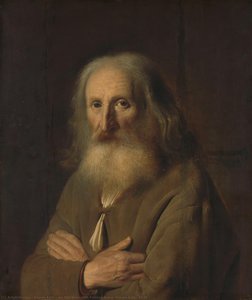
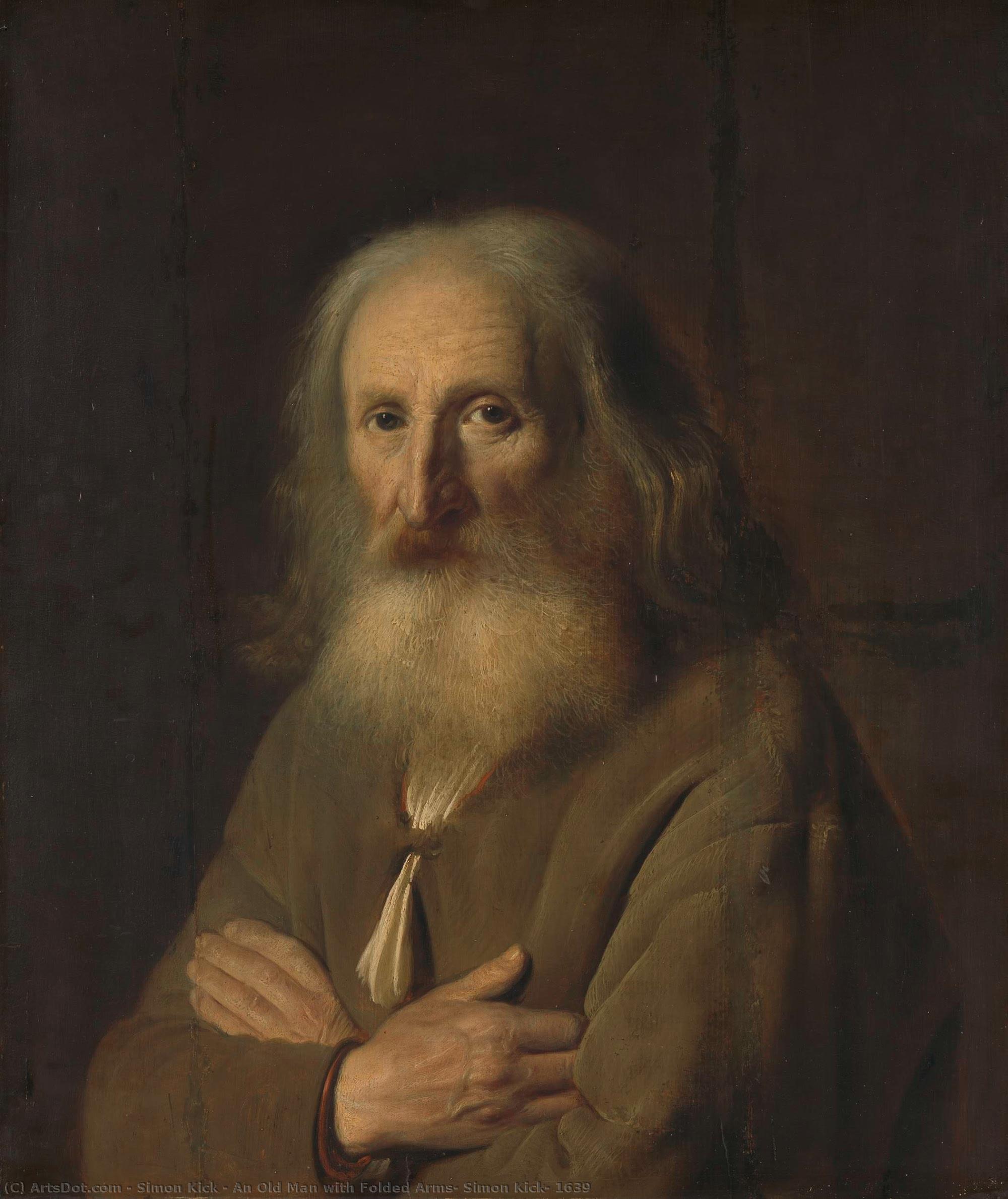
An Old Man with Folded Arms, Simon Kick, 1639


 Read More
Hand Made Oil Reproduction
Hand-painted oil on canvas in your size and frame, made to order by our artists. ( Buy Print Buy Image)




































Pick from our preset sizes that match the artwork's original proportions.

You may enter your own dimensions to fit a specific frame or space. If your selected size does not match the original image's proportions, we will either crop the artwork or extend the painting with additional hand-painted elements. A digital mockup will be sent for your approval before production begins.
Please note that the on-screen preview does not reflect the actual cropping or extension. Only the mockup will accurately show the final composition.
While custom sizes are available, we recommend selecting a dimension from the predefined list to preserve the original proportions.
After order, ArtsDot.com team will email client for instructions and provide a mockup preview
Worldwide Delivery () in 3/4 weeks instead of standard 5 weeks. (19 August). No compromise on quality.

Free Worldwide Express Shipping

High-Quality Linen Canvas

Full Shipping Insurance

Customs Tax Refund Guarantee

True Color Matching Guarantee

60-Day Return Policy (Defects Only)

100% Money-Back Guarantee

Bulk Discount Offer
 Glass option is only available in size under 110 CM

An Old Man with Folded Arms, Simon Kick, 1639
Reproduction Medium
Reproduction Size
-


Total Price
$ 263
Artwork Description
Related Artworks
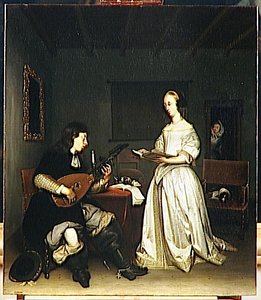
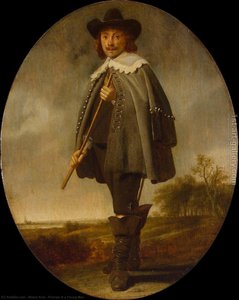
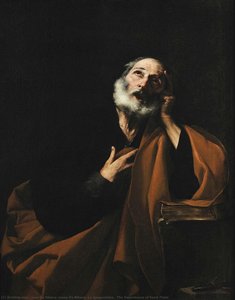
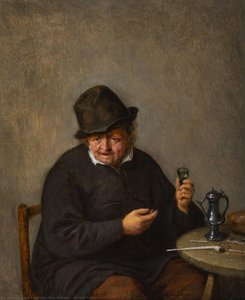
Artist Biography
A Delft Painter of Soldiers and Family: The Life and Art of Simon Kick
Simon Kick, a name perhaps less immediately recognizable than some of his Dutch Golden Age contemporaries, nevertheless occupies an important niche in the artistic landscape of 17th-century Netherlands. Born in Delft in 1603 and passing away in Amsterdam in 1652, Kick dedicated his career to capturing the world around him – primarily through insightful portraits and lively genre scenes populated with soldiers and horsemen. His was a relatively brief but productive artistic life, one deeply interwoven with familial connections that shaped both his personal journey and his creative development. He wasn’t merely an observer of his time; he was a participant in its vibrant artistic community, contributing to the flourishing art market while laying the groundwork for future generations through his son, Cornelis Kick, who would find success as a still life painter.Delft Beginnings and Intertwined Destinies
Kick’s origins were humble; his father was a varnish worker in the bustling city of Delft. However, it's the complex web of relationships he formed through marriage that truly illuminates the artistic climate of the era. On a single day, a double engagement took place that would bind two families and potentially influence their respective artistic paths. Willem Cornelisz Duyster, a fellow painter, became engaged to Simon’s sister, Margrieta, while simultaneously, Simon himself married Christina (Stijntje) Duyster – Willem's sister. This remarkable coincidence speaks volumes about the close-knit nature of Delft’s artistic circles and suggests a fertile ground for exchange of ideas and techniques between Kick and his brother-in-law. Such familial connections were common in the period, fostering collaboration and mutual support within the art world. From this union came seven children, most notably Cornelis Kick, who would carry on the family legacy as a painter specializing in still lifes.Artistic Style: Realism Tempered with Dignity
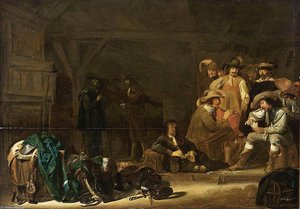
Simon Kick’s artistic style is characterized by a compelling realism and meticulous attention to detail, particularly evident in his portraits. Early works reveal the influence of Gerrit van Lievens, a prominent artist known for his masterful use of chiaroscuro – the dramatic interplay of light and shadow. This early exposure instilled in Kick a sensitivity to tonal variations and an ability to create depth and atmosphere within his compositions. While he explored various subjects throughout his career, it was his depictions of soldiers and horsemen that secured his reputation. These genre scenes reflect the military preoccupations prevalent during the Dutch Golden Age, a period marked by conflict and expansion. However, Kick’s approach wasn't simply about documenting these figures; he imbued them with a sense of quiet dignity and individual character. His portraits demonstrate a keen observational skill, capturing not only physical likeness but also conveying personality through subtle gestures and expressions. The use of muted tones and rich textures further enhances this effect, creating works that are both visually appealing and emotionally resonant.Notable Works and Lasting Influence
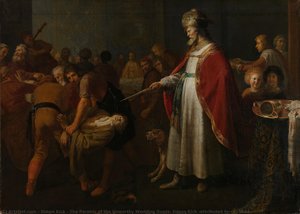
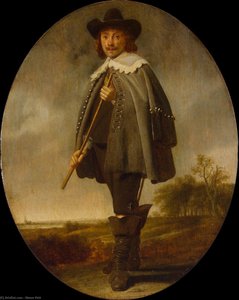
Although Kick’s *oeuvre* isn't as extensive as some of his contemporaries, several paintings stand out as representative examples of his skill and artistic vision. An Old Man with Folded Arms (1639), exemplifies his early style, showcasing the influence of Lievens and demonstrating his ability to render realistic detail with remarkable precision. The painting’s somber mood and careful attention to texture create a compelling portrait of age and contemplation. The Parable of the Unworthy Wedding Guest (c. 1644), attributed to Kick, offers insight into his narrative abilities within genre scenes, revealing a talent for storytelling through visual means. Numerous versions exist of Portrait of a Young Man, each demonstrating his proficiency in portraiture and his capacity to convey character through subtle nuances. Beyond these individual works, perhaps Kick’s most significant achievement lies in his role as the father of Cornelis Kick. By nurturing his son's artistic talent, he contributed to the continuation of the family’s legacy within Dutch art history, ensuring that the name “Kick” would remain associated with quality and craftsmanship for generations to come.A Legacy Within the Golden Age
Simon Kick’s historical significance resides in his position as a representative artist of the Dutch Golden Age and his familial connection to both Willem Duyster and Cornelis Kick. He embodies a generation of painters who contributed to the thriving art market of the 17th century, responding to the demands of a burgeoning middle class eager to acquire works that reflected their status and values. While he may not be as widely celebrated as Rembrandt or Vermeer, his paintings offer valuable insights into the artistic trends and social concerns of his time. His influence is most clearly seen in the work of his son, Cornelis Kick, whose success helped solidify the family’s place within Dutch art history. Simon Kick's legacy isn’t one of revolutionary innovation, but rather of consistent quality, thoughtful observation, and a dedication to capturing the essence of life in 17th-century Netherlands – a testament to the enduring power of realism and human connection in art.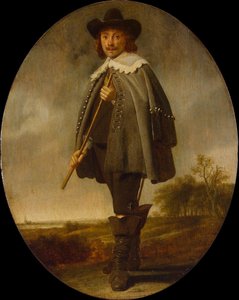
Simon Kick
1603 - 1652 , Netherlands
Quick Facts
- Artistic Movement Or Style: Dutch Golden Age, Baroque
- Artists Or Movements Influenced By This Artist: ['Cornelis Kick']
- Artists Who Influenced This Artist: ['Gerrit van Lievens']
- Date Of Birth: 1603
- Date Of Death: 1652
- Full Name: Simon Kick
- Nationality: Dutch
- Notable Artworks:
- An Old Man with Folded Arms
- The Parable of the Unworthy Guest
- Portrait of a Young Man
- Place Of Birth: Delft, Netherlands
Related Articles

Dutch Masters: 10 Golden Age Paintings That Still Inspire |
Journey into the Dutch Golden Age! Explore 10 iconic paintings by Rembrandt, Vermeer & Hals. Discover the stories behind these Baroque masterpieces and find museum-quality art reproductions to elevate your home decor on .

Golden Age Reflections: Dutch Baroque Painting & Cultural Innovation
Explore the Dutch Golden Age of painting! Discover key artists like Vermeer & ter Borch, their innovative techniques, and the rich cultural context behind these Baroque masterpieces. Learn about collecting & appreciating this iconic art period.

Illuminating Innovation: Exploring the Dutch Golden Age of Painting
Explore the Dutch Golden Age of painting with ArtsDot. Discover Rembrandt, Vermeer & other Masters. Learn about key characteristics, iconic artworks, and lasting influence. Expert insights for collectors & enthusiasts.
Illuminating Realism: Exploring the Dutch Golden Age of Painting (1600-1700)
Explore the Dutch Golden Age of painting (1600-1700) with ArtsDot. Discover Rembrandt, Vermeer & other masters. Learn about techniques, history & find museum-quality reproductions.
Illuminating a Century of Change: Artistic Expression & Societal Shifts in 17th-Century Europe
Explore the artistic brilliance of the 17th-century Dutch Golden Age & Baroque period. Discover Rembrandt, genre painting, and chiaroscuro techniques. Expert insights for art lovers & collectors.