 Preview
 Send
Send Share
Share
 Details

 Download
 Similars
 X-Ray
X-Ray Diaporama
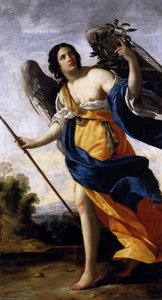
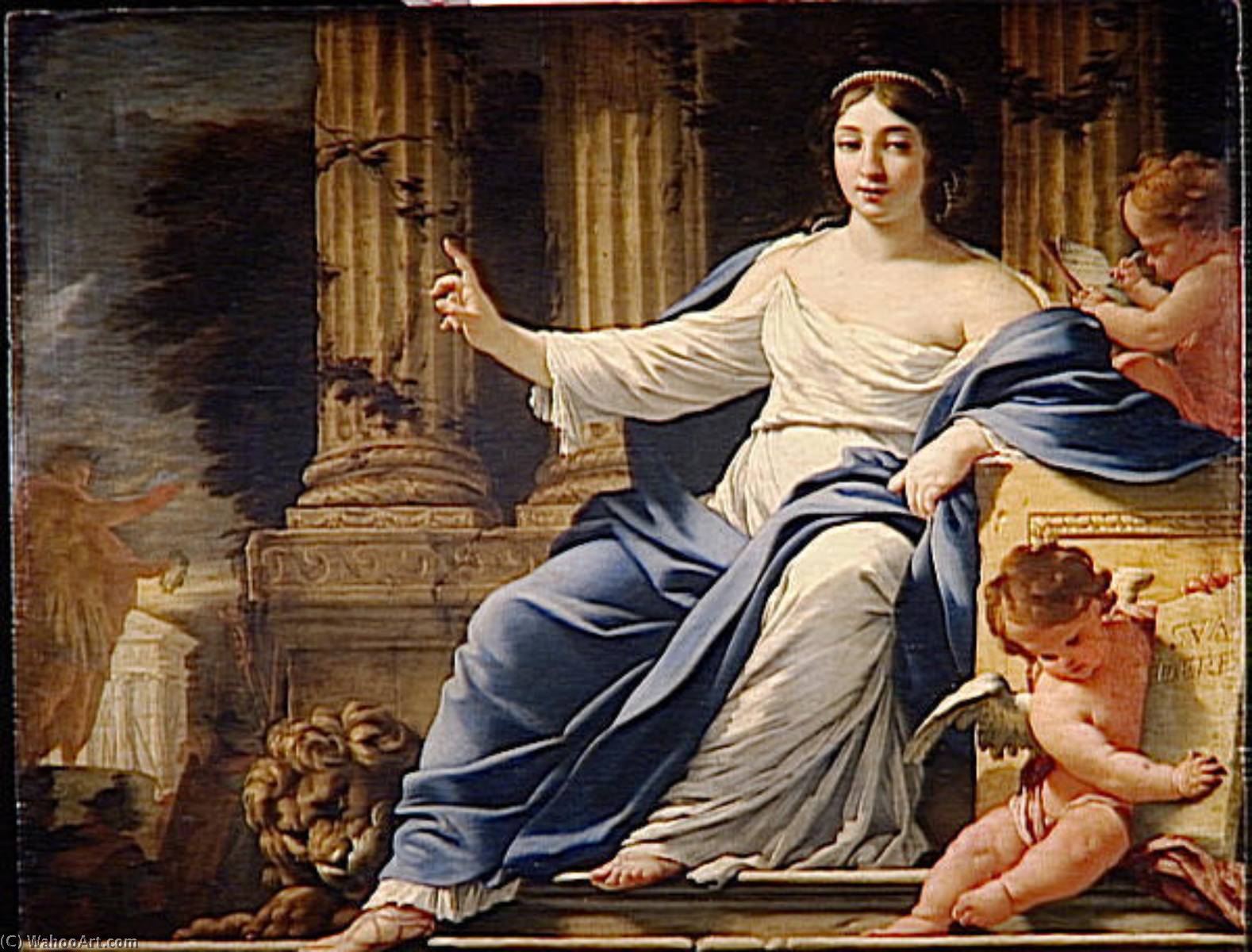
POLYMNIE, MUSE DE L'ELOQUENCE


 Read More
Hand Made Oil Reproduction
Hand-painted oil on canvas in your size and frame, made to order by our artists. ( Buy Print Buy Image)




P118B $10

P118H $10

P118W $10

P438Z $10

P508JH $12

P508YH $12

P805H $10

P805Z $10

P919BZ $10

P919G $10

P919XJ $10

P959ZH $10

P968JZ $12

W106C $8

W218G $10

W218JH $8

W218Y $10

W307PJ $10

W316G $10

W316PJ $8

W316Y $10

W398PJ $8

W4111J $10

W500HY $15

W500JH $15

W692G $12

W849H $8

W940BG $15

W953PJ $8




Pick from our preset sizes that match the artwork's original proportions.

You may enter your own dimensions to fit a specific frame or space. If your selected size does not match the original image's proportions, we will either crop the artwork or extend the painting with additional hand-painted elements. A digital mockup will be sent for your approval before production begins.
Please note that the on-screen preview does not reflect the actual cropping or extension. Only the mockup will accurately show the final composition.
While custom sizes are available, we recommend selecting a dimension from the predefined list to preserve the original proportions.
After order, ArtsDot.com team will email client for instructions and provide a mockup preview
Worldwide Delivery () in 3/4 weeks instead of standard 5 weeks. (17 August). No compromise on quality.

Free Worldwide Express Shipping

High-Quality Linen Canvas

Full Shipping Insurance

Customs Tax Refund Guarantee

True Color Matching Guarantee

60-Day Return Policy (Defects Only)

100% Money-Back Guarantee

Bulk Discount Offer
 Glass option is only available in size under 110 CM

POLYMNIE, MUSE DE L'ELOQUENCE
Reproduction Medium
Reproduction Size
-


Total Price
$ 313
Artwork Description
Simon Vouet’s *Polymnie, Muse of Eloquence*: A Baroque Masterpiece of Rhetoric and Grace
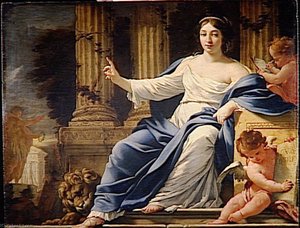
Within the hallowed halls of the Louvre resides a captivating portrait – *Polymnie, Muse of Eloquence* by Simon Vouet, a pivotal work that embodies the burgeoning spirit of the French Baroque. Painted in 1627, this oil-on-canvas masterpiece transcends mere representation; it’s an invitation into a world of intellectual pursuit, divine inspiration, and the very essence of eloquent speech. Vouet, having spent formative years immersed in the artistic fervor of Italy, masterfully translated the Italian Baroque style to France, establishing himself as the leading painter of his era.
The subject itself, Polymnie, holds a significant place within Greek mythology. She represents eloquence and persuasive speech – the power to articulate ideas with precision and beauty. Vouet’s depiction isn't simply a portrait; it’s an allegorical representation of her role as a guiding force for artists, poets, and anyone seeking mastery of language. The composition is meticulously balanced, adhering to the classical principles of symmetry and proportion that defined much of Italian art, yet infused with the dynamism and emotional intensity characteristic of the Baroque.
A Symphony of Color and Light: Technique and Style
Vouet’s technical prowess is immediately apparent. He employs a masterful blend of *sfumato*, a technique popularized by Leonardo da Vinci, to create soft transitions between colors and forms, lending an ethereal quality to the scene. The palette is dominated by cool blues and whites – reminiscent of classical marble and evoking a sense of serenity and wisdom – punctuated by warm flesh tones that draw attention to Polymnie’s face and figure. Notice how he uses light not just to illuminate, but to sculpt the form, creating a palpable sense of volume and depth.
The artist's brushwork is remarkably subtle, contributing to the painting’s polished appearance. He skillfully layered colors and employed glazing techniques to achieve luminous effects, particularly in the drapery which flows with an almost liquid grace. The architectural backdrop, rendered in muted browns and golds, provides a stately setting for Polymnie, reinforcing her status as a divine muse. The use of linear perspective creates a convincing illusion of depth, drawing the viewer into the scene.
Symbolism and Allegory: Unpacking the Layers
Beyond the immediate beauty of the portrait lies a rich tapestry of symbolism. The two cherubic figures flanking Polymnie are not merely decorative; they represent divine favor and perhaps even creative assistance – embodiments of inspiration itself. The scroll offered by one cherub symbolizes the written word, while the musician’s instrument represents the power of music to convey emotion and ideas. The lion statue at the base of the pedestal is a potent symbol of strength, guardianship, and wisdom—qualities closely associated with eloquence.
Furthermore, Polymnie's pose – seated on a throne-like structure adorned with classical motifs – speaks volumes about her elevated status. The arrangement mirrors the iconography of the *Iconologia* by Cesare Ripa, a widely influential treatise on visual symbolism that informed much of the art produced during this period. Vouet’s painting is thus deeply rooted in a tradition of allegorical representation.
A Timeless Masterpiece: Emotional Impact and Legacy
*Polymnie, Muse of Eloquence* isn't simply a beautiful painting; it’s an invitation to contemplate the power of language, the pursuit of knowledge, and the role of art in shaping human understanding. The serene expression on Polymnie’s face conveys both wisdom and grace, inviting viewers to engage with her as a symbol of intellectual and artistic excellence. Vouet's work continues to resonate today, demonstrating his mastery of technique, his profound understanding of symbolism, and his ability to capture the essence of human experience.
Reproductions of this iconic artwork offer an exceptional opportunity to bring its beauty and depth into any setting, serving as a constant reminder of the enduring power of eloquence and artistic inspiration.
Related Artworks
Artist Biography
Simon Vouet: A Pioneer of French Baroque Painting
- Born: January 9, 1590, Paris, France
- Died: June 30, 1649, Paris, France
Simon Vouet was a pivotal figure in the transition of French painting from Mannerism to the Baroque style. Born into an artistic family – his father Laurent was a painter and his brother Aubin also pursued art – Vouet received early training that laid the foundation for his future success. His grandson, Ludovico Dorigny, would continue the family’s artistic legacy.
Early Career and Italian Influences (1608-1627)
- Early Portraiture: Vouet began his career as a portraitist, demonstrating early talent.
- Travel to England (1608): At the young age of 14, he traveled to England to paint a commissioned portrait, showcasing his burgeoning reputation.
- Ottoman Empire and Venice: In 1611, Vouet joined the entourage of Baron de Sancy, French ambassador to the Ottoman Empire, again for portraiture work. This journey took him through Constantinople and then to Venice in 1612.
- Rome (1614-1627): His time in Rome proved transformative. He remained there for thirteen years, immersing himself in the vibrant artistic scene of the burgeoning Baroque period.
During his Italian sojourn, Vouet absorbed a diverse range of influences. He studied the dramatic lighting techniques pioneered by Caravaggio, embraced elements of Italian Mannerism, and meticulously analyzed the color palettes and di sotto in su (foreshortened perspective) employed by Paolo Veronese. He also drew inspiration from the works of Carracci, Guercino, Lanfranco, and Guido Reni, synthesizing these diverse styles into a unique artistic vision.
Development of Vouet’s Distinctive Style
- Election to Accademia di San Luca (1624): His success in Rome culminated in his election as president of the prestigious Accademia di San Luca, a testament to his skill and recognition within the Italian art world.
- Synthesis of Influences: Vouet’s style was characterized by its ability to absorb and distill various artistic influences. He didn't simply copy; he integrated these elements into a cohesive and distinctly Italianate Baroque aesthetic.
- Introduction of Baroque to France: Upon his return to France in 1627, Vouet played a crucial role in introducing the Italian Baroque style to French painting, significantly impacting the artistic landscape of the country.
Major Achievements and Legacy
- Premier Peintre du Roi: Vouet was appointed Premier peintre du Roi (First Painter to the King) – a position of considerable prestige and influence.
- Prolific Workshop: He maintained a large and active workshop, training numerous artists who would shape the subsequent generation of French painters.
- Notable Pupils: Among his most influential pupils were Charles Le Brun (who later organized all decorative painting at Versailles), Valentin de Boulogne, Charles Alphonse du Fresnoy, Pierre Mignard, Eustache Le Sueur, and Claude Mellan.
- Influence on French Art: Vouet’s impact extended beyond his own works; his students carried his style and techniques throughout France, establishing a distinctively Baroque school of painting. His influence is particularly evident in the grand decorative schemes commissioned by Louis XIV.
Historical Significance
Simon Vouet's legacy rests on his pivotal role as a bridge between Italian and French art. He successfully imported the dynamism and grandeur of the Italian Baroque, transforming it into a style that resonated with the tastes of the French court and aristocracy. His influence is undeniable in the development of French painting during the 17th century, and his contributions continue to be recognized by art historians today.
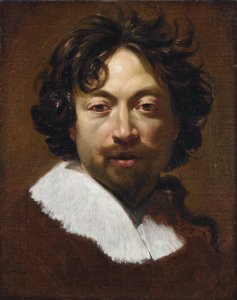
Simon Vouet
1590 - 1649 , France
Quick Facts
- Artistic Movement Or Style: Baroque painting
- Artists Or Movements Influenced By This Artist:
- Charles Le Brun
- Valentin de Boulogne
- French Baroque painting
- Artists Who Influenced This Artist:
- Caravaggio
- Paolo Veronese
- Carracci
- Guercino
- Lanfranco
- Guido Reni
- Date Of Birth: January 9, 1590
- Date Of Death: June 30, 1649
- Full Name: Simon Vouet
- Nationality: French
- Place Of Birth: Paris, France
Related Articles
Simon Vouet: A Baroque Master's Journey from Italian Influence to French Classicism
Explore the life & art of Simon Vouet, a pivotal French Baroque painter who introduced Italian styles to France. Discover his masterpieces and lasting influence on 17th-century art.

Baroque Drama: Bringing Opulence & Emotion into Contemporary Interiors
Explore the opulent world of Baroque interior design! Discover key elements, modern applications & how to bring dramatic elegance into your home with 's authentic reproductions.

The Dramatic Flourish: Exploring the Baroque Movement's Enduring Legacy in Art History
Explore the dramatic world of Baroque art! Discover iconic artists like Caravaggio & Rubens, defining techniques, and its lasting impact on art history. Expert insights for collectors & enthusiasts at ArtsDot.

Baroque Masterpieces: 10 Paintings That Defined an Era |
Journey through the drama & grandeur of Baroque art! Explore 10 masterpieces by Caravaggio, Rembrandt, Rubens & more. Discover stunning oil paintings, rich colors & timeless stories. Find museum-quality reproductions at .

The Visceral Stage: Exploring Dramatic Narratives & Emotional Intensity in Baroque Art
Explore the dramatic world of Baroque art! Discover iconic masters like Caravaggio & Rembrandt, their techniques, and the movement's lasting impact. Expert insights for collectors & enthusiasts at ArtsDot.