 Preview
 Send
Send Share
Share
 Details

 Download
 Similars
 X-Ray
X-Ray Diaporama
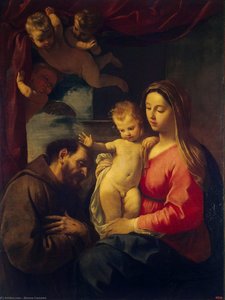
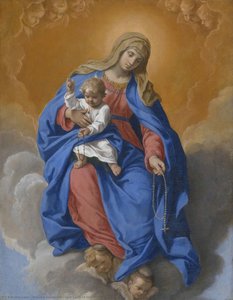
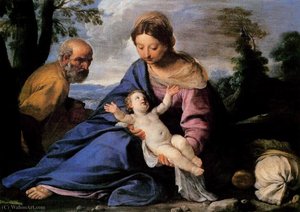
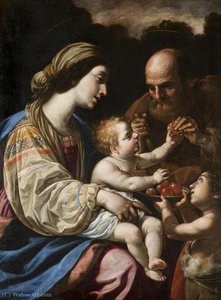
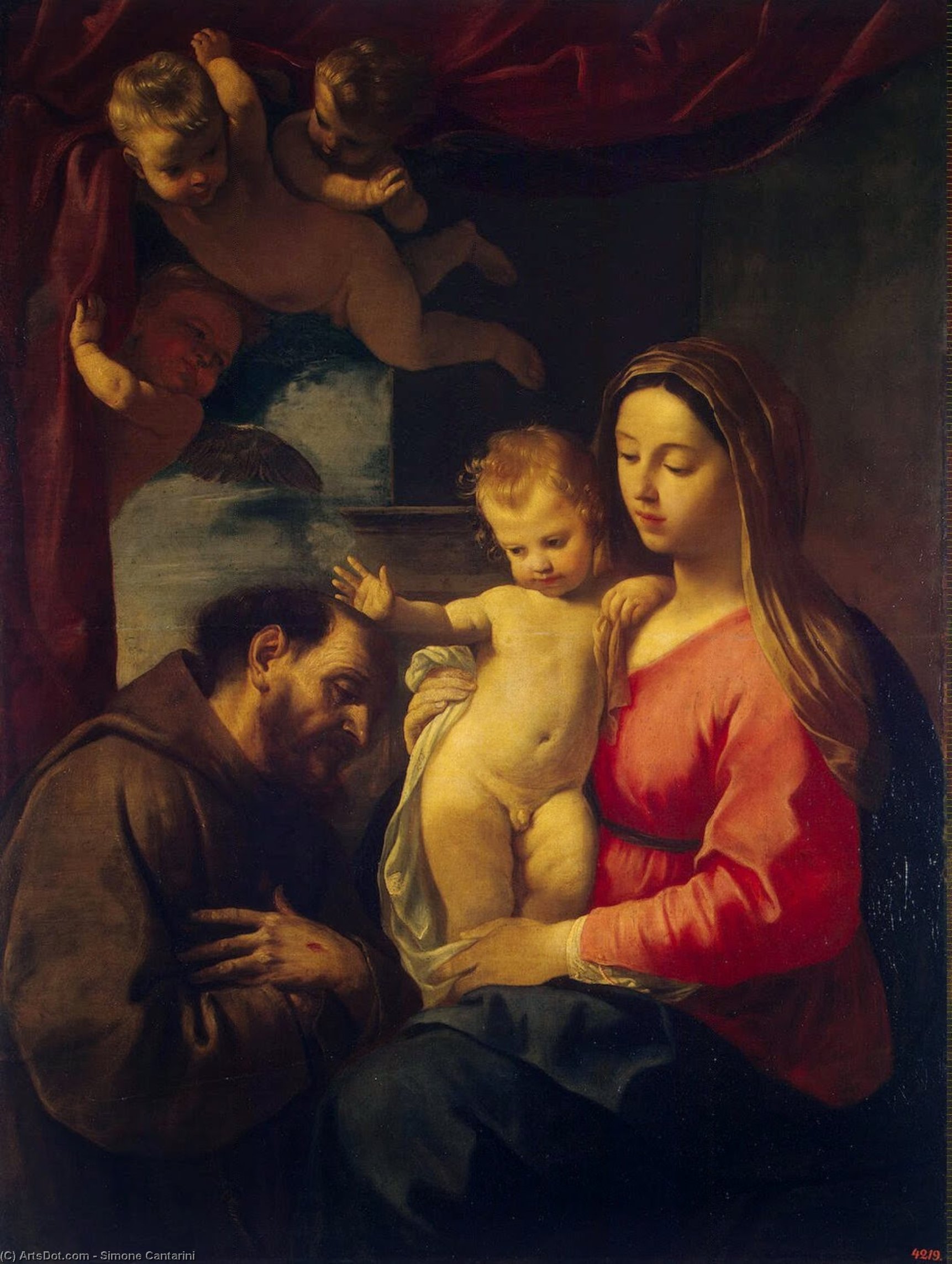
Virgin and Child with St Francis of Assisi
 Oil On Canvas
- WallArt
- Italian Baroque
 Early Modern
 151.0 x 115.0 cm
 Hermitage Museum
 Read More
Giclée / Art Print
Museum-quality giclée or canvas print with fast production and flexible finish options. ( Buy Hand Made Painting Buy Image)




P118B $10

P118H $10

P118W $10

P438Z $10

P508JH $12

P508YH $12

P805H $10

P805Z $10

P919BZ $10

P919G $10

P919XJ $10

P959ZH $10

P968JZ $12

W106C $8

W218G $10

W218JH $8

W218Y $10

W307PJ $10

W316G $10

W316PJ $8

W316Y $10

W398PJ $8

W4111J $10

W500HY $15

W500JH $15

W692G $12

W849H $8

W940BG $15

W953PJ $8




Pick from our preset sizes that match the artwork's original proportions.

You may enter your own dimensions to fit a specific frame or space. If your selected size does not match the original image's proportions, we will either crop the artwork or extend the image with a mirrored or solid-fill edge. A digital mockup will be sent for your approval before production begins.
Please note that the on-screen preview does not reflect the actual cropping or extension. Only the mockup will accurately show the final composition.
While custom sizes are available, we recommend selecting a dimension from the predefined list to preserve the original proportions.
Worldwide Delivery () in 2 weeks instead of standard 4/5 weeks. (27 August)

Free Worldwide Express Shipping

High-Quality Linen Canvas

Full Shipping Insurance

Customs Tax Refund Guarantee

True Color Matching Guarantee

60-Day Return Policy (Defects Only)

100% Money-Back Guarantee

Bulk Discount Offer
 Glass option is only available in size under 110 CM

Virgin and Child with St Francis of Assisi
Giclée / Art Print
Reproduction Size
-


Total Price
$ 63
Collectible Description
A Portrait of Baroque Synthesis
Simone Cantarini (1612 – 1648), born in Pesaro, Italy, represents a fascinating crossroads within the Italian Baroque. Often dubbed *il Pesarese*, his artistic journey was tragically cut short in Mantua at just thirty-six, leaving behind a legacy of paintings that defy easy categorization—a testament to his extraordinary ability to absorb and transform diverse influences into a singular vision.
Early Influences: Bolognese Classicism Cantarini’s formative years were spent primarily in Bologna, where he absorbed the precepts of Bolognese classicism. This tradition championed idealized forms and harmonious compositions, prioritizing clarity and restraint—a stark contrast to the turbulent emotionalism that characterized other Baroque centers.
Venetian Naturalism: Embracing Light and Color However, Cantarini’s artistic sensibilities weren't solely rooted in Bolognese ideals. He actively sought inspiration from Venice, a city renowned for its pioneering use of chiaroscuro—the dramatic interplay between light and shadow—and vibrant color palettes. Venetian painters like Giovanni Battista Tiepolo demonstrated how to imbue canvases with atmospheric depth and luminous hues, techniques that Cantarini skillfully adopted.
Caravaggism: Dramatic Intensity Perhaps the most significant influence on Cantarini’s style was Caravaggio. The Florentine painter revolutionized Baroque art by rejecting illusionistic perspective and favoring tenebrismo—a technique characterized by extreme darkness punctuated by bursts of intense illumination—to heighten emotional impact and convey psychological realism.
Notable Works: Virgin and Child with St Francis Cantarini’s most celebrated paintings include *Virgin and Child with St Francis*, a masterpiece that exemplifies his masterful synthesis of stylistic elements. The composition is meticulously balanced, reflecting Bolognese principles while simultaneously capturing the spiritual grandeur associated with Venetian naturalism and Caravaggism. Observe how Cantarini utilizes chiaroscuro to sculpt the figures—particularly Mary’s serene countenance—drawing upon Caravaggio's dramatic techniques to evoke profound contemplation.
Symbolism: Faith and Devotion The painting is laden with symbolic significance. St Francis, depicted in humble repose, embodies piety and compassion—values central to Christian faith. Mary’s posture conveys dignity and maternal tenderness, symbolizing divine grace and protection. The angels surrounding the Virgin and Child reinforce the narrative's sacred dimension.
Emotional Impact: Reverence and Tranquility Viewing *Virgin and Child with St Francis* inspires a sense of reverence and tranquility. Cantarini’s masterful brushwork—characterized by smooth, blended strokes—creates an ethereal atmosphere that invites viewers to immerse themselves in the scene's spiritual beauty. The painting transcends mere representation; it communicates an emotion—a profound connection to faith and divine love—that resonates deeply within the human spirit.
Conclusion: A Lasting Legacy Simone Cantarini’s untimely death prevented him from realizing his full potential, yet his artistic achievements endure as a beacon of Baroque innovation. His ability to fuse disparate influences into a cohesive aesthetic demonstrates the transformative power of artistic exploration—a legacy that continues to inspire artists and collectors alike.
Related Artworks


Artist Biography
A Synthesis of Styles: The Life and Art of Simone Cantarini
Simone Cantarini, born in Pesaro in 1612 and tragically lost to mysterious circumstances in Mantua in 1648, remains a compelling figure within the Italian Baroque. Often referred to as Simone da Pesaro or *il Pesarese*, his brief but intensely productive career was marked by a remarkable ability to synthesize diverse artistic influences into a uniquely personal style. He wasn’t merely echoing the masters who came before him; he was actively engaging in a dialogue with them, forging a path that blended Bolognese classicism with the vibrant naturalism emerging from Venice and the dramatic intensity of Caravaggism. Cantarini's father, Girolamo, was a prosperous merchant, providing a stable foundation for his son’s artistic pursuits, though details of Simone’s early childhood remain scarce. What is clear is that he possessed an innate talent and a relentless drive to master his craft.Formative Years: From Pesaro to Bologna
Cantarini's artistic journey began with likely tutelage under Giovanni Giacomo Pandolfi in Pesaro, absorbing the fundamentals of technique and the prevailing local aesthetic. However, it was a sojourn to Venice that truly broadened his horizons. There, he encountered the late-Mannerism of Sante Peranda and honed his draughtsmanship skills under Francesco Mingucci, immersing himself in the city’s rich artistic atmosphere. This Venetian exposure instilled within him an appreciation for color, texture, and dynamic composition – elements that would become hallmarks of his mature work. A pivotal period followed with Claudio Ridolfi, who guided Cantarini towards a deeper understanding of Venetian style and fostered an admiration for Federico Barocci's lyrical grace. Following Ridolfi’s departure, Cantarini embarked on a period of largely self-directed study, meticulously examining the works of the Carracci brothers, Orazio Gentileschi, and Giovanni Francesco Guerrieri. This independent exploration allowed him to refine his artistic vision and develop a distinctive voice. The turning point arrived with an encounter with Guido Reni’s *Madonna and Child with Saints Thomas and Jerome* in Pesaro Cathedral. Captivated by its elegance and spiritual depth, Cantarini traveled to Bologna around 1634 to study under the master himself. While he excelled within Reni's studio, particularly in etching, tensions arose due to his independent spirit and a growing critique of Reni’s later stylistic choices.A Distinctive Artistic Voice: Paintings and Prints
Cantarini quickly established himself as a painter of considerable skill and originality. Early masterpieces like *St Peter Healing the Lame Man* (Fano) already demonstrate the influence of Guido Reni, yet possess a burgeoning naturalism that sets them apart. Notable paintings such as *The Immaculate Conception with Saints* (Pinacoteca Nazionale di Bologna), *Saint Rita of Cascia* (Pesaro), and *Allegory of Painting* (National Museum, Warsaw) showcase his mastery of composition, color, and expressive figuration. His canvases are characterized by a dynamic interplay between classical form and dramatic realism, often imbued with a palpable sense of emotion. However, Cantarini’s contributions extend far beyond painting. He was an exceptionally gifted etcher, renowned for the delicacy and luminosity of his prints. He produced numerous etchings after works by Reni and others, but also created original compositions that demonstrate his technical virtuosity and artistic sensibility. These etchings played a significant role in disseminating his style and contributed to the development of printmaking techniques during the 17th century.Legacy and Shadows: A Complex Reputation
Simone Cantarini’s artistic legacy is one of innovation and synthesis. He carved out a unique space for himself within the Italian Baroque, blending diverse influences into a cohesive and compelling style. His ability to balance classical ideals with naturalistic observation, coupled with his exceptional etching skills, cemented his position as a significant figure in 17th-century art. However, his reputation was somewhat clouded by his contentious relationship with Guido Reni and reports of a scandalous death in Mantua – allegedly poisoned following a dispute over the Gonzaga collection. These stories, while adding an element of intrigue to his biography, should not overshadow his artistic achievements. While perhaps not as widely celebrated as some of his contemporaries, Cantarini’s work profoundly influenced later generations of Italian artists through its innovative style and technical mastery. He remains a testament to the power of individual vision and the enduring allure of Baroque art. His paintings and etchings continue to captivate viewers with their beauty, drama, and emotional depth, ensuring that his artistic voice will resonate for years to come.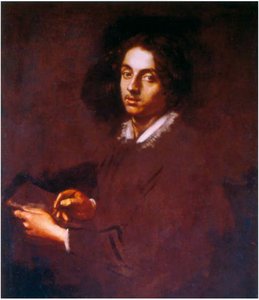
Simone Cantarini
1612 - 1648 , Italy
Quick Facts
- Artistic Movement Or Style: Baroque, Classicism
- Artists Or Movements Influenced By This Artist: ['Later Italian artists']
- Artists Who Influenced This Artist:
- Guido Reni
- Claudio Ridolfi
- Federico Barocci
- Carracci
- Orazio Gentileschi
- Date Of Birth: August 21, 1612
- Date Of Death: October 15, 1648
- Full Name: Simone Cantarini
- Nationality: Italian
- Notable Artworks:
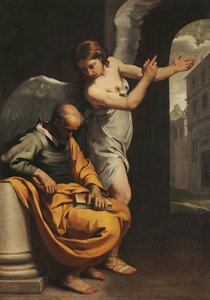
- St Peter Healing the Lame Man
- Immaculate Conception w/ Saints
- Saint Rita of Cascia
- Allegory of Painting
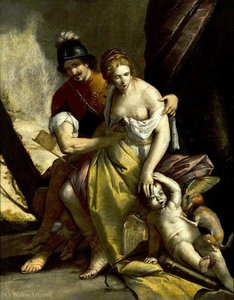
- Mars and Venus
- Holy Family
- Place Of Birth: Pesaro, Italy
Related Articles
Francis Bacon's Masterpieces: Exploring 25 Iconic Paintings | ArtsDot
Delve into the haunting world of Francis Bacon with ArtsDot. Explore 25 iconic paintings, from his visceral portraits to powerful triptychs. Discover the stories behind these masterpieces & find museum-quality art reproductions for your home. Explore the full collection online!

El Greco's Masterpieces: Explore 25 Iconic Paintings & Spiritual Visions | ArtsDot
Journey through El Greco's 25 most iconic paintings! Explore the spiritual depth & dramatic beauty of this Spanish Renaissance master. Discover art history, techniques & find museum-quality reproductions for your home at ArtsDot.com.

Giclée Prints: Archival Quality & Aesthetic Nuances for the Discerning Collector
Explore the world of giclée prints with ArtsDot. Learn about archival quality, aesthetic nuances & investment potential. Expert guidance for discerning art collectors seeking museum-quality reproductions and lasting value.
The Dramatic Flourish: Exploring Themes of Power, Faith & Emotion in Baroque Artworks
Explore the dramatic world of Baroque art! Discover masters like Zurbarán & the powerful influence of religious zeal on painting techniques. Expert insights for collectors and enthusiasts.

The Dramatic Flourish: Exploring the Baroque Movement's Enduring Legacy in Art History
Explore the dramatic world of Baroque art! Discover iconic artists like Caravaggio & Rubens, defining techniques, and its lasting impact on art history. Expert insights for collectors & enthusiasts at ArtsDot.