 Preview
 Send
Send Share
Share
 Details

 Download
 Similars
 X-Ray
X-Ray Diaporama
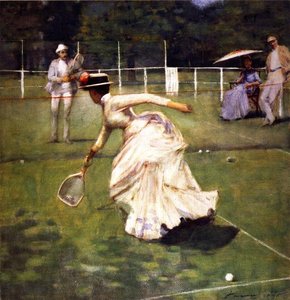
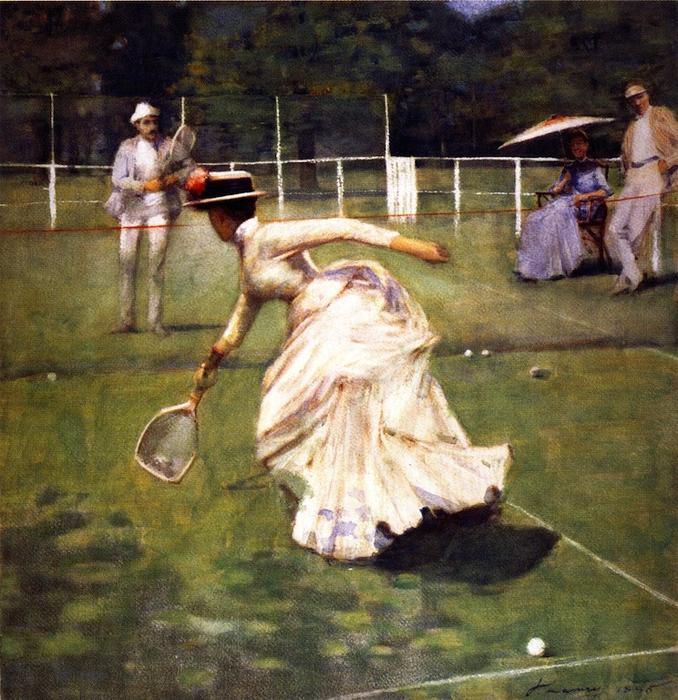
A Rally
 Acrylic On Canvas
- WallArt
- Scottish Impressionism
 1885
1885- 19th Century
 Kelvingrove Art Gallery and Museum
 Read More
Hand Made Oil Reproduction
Hand-painted oil on canvas in your size and frame, made to order by our artists. ( Buy Print Buy Image)




P118B $10

P118H $10

P118W $10

P438Z $10

P508JH $12

P508YH $12

P805H $10

P805Z $10

P919BZ $10

P919G $10

P919XJ $10

P959ZH $10

P968JZ $12

W106C $8

W218G $10

W218JH $8

W218Y $10

W307PJ $10

W316G $10

W316PJ $8

W316Y $10

W398PJ $8

W4111J $10

W500HY $15

W500JH $15

W692G $12

W849H $8

W940BG $15

W953PJ $8




Pick from our preset sizes that match the artwork's original proportions.

You may enter your own dimensions to fit a specific frame or space. If your selected size does not match the original image's proportions, we will either crop the artwork or extend the painting with additional hand-painted elements. A digital mockup will be sent for your approval before production begins.
Please note that the on-screen preview does not reflect the actual cropping or extension. Only the mockup will accurately show the final composition.
While custom sizes are available, we recommend selecting a dimension from the predefined list to preserve the original proportions.
After order, ArtsDot.com team will email client for instructions and provide a mockup preview
Worldwide Delivery () in 3/4 weeks instead of standard 5 weeks. (16 August). No compromise on quality.

Free Worldwide Express Shipping

High-Quality Linen Canvas

Full Shipping Insurance

Customs Tax Refund Guarantee

True Color Matching Guarantee

60-Day Return Policy (Defects Only)

100% Money-Back Guarantee

Bulk Discount Offer
 Glass option is only available in size under 110 CM

A Rally
Reproduction Medium
Reproduction Size
-


Total Price
$ 263
Artwork Description
A Moment Frozen in Time: Sir John Lavery’s “A Rally”
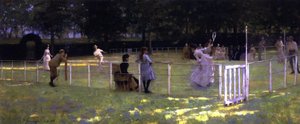
Sir John Lavery's watercolor, "A Rally," offers more than just a depiction of a tennis match; it’s a captivating snapshot of Edwardian society and the burgeoning leisure culture of late 19th-century Britain. Painted in 1885, this work transcends its subject matter to become a study in light, movement, and social interaction – hallmarks of Lavery's distinctive style. The scene unfolds on a verdant lawn, bathed in the soft glow of afternoon sunlight, immediately establishing an atmosphere of relaxed elegance. The composition is carefully balanced, drawing the eye through the players engaged in their spirited contest, towards the subtly shaded background of spectators and supporting figures.
Lavery’s technique is remarkably fluid and impressionistic. He masterfully captures the fleeting effects of light and shadow with loose, expressive brushstrokes. Notice how he uses color not to represent reality precisely, but rather to evoke mood and atmosphere – the vibrant greens of the court contrasting with the cooler tones of the sky and the figures in the background. The watercolor medium lends itself perfectly to this effect, allowing for a delicate layering of washes that creates a luminous quality. The artist’s attention to detail is evident in the rendering of the players' clothing, the texture of the grass, and the subtle expressions on their faces, all rendered with a confident yet approachable hand.
Lavery: A Portraitist of His Age
Sir John Lavery (1856-1941) was a pivotal figure in British art during a period of immense social and artistic change. Born in Belfast, his early life was marked by tragedy – the loss of both parents at a young age. This experience instilled in him a keen understanding of human emotion and resilience, qualities that would profoundly influence his work. Initially trained in Glasgow, Lavery’s time there exposed him to the Scottish Colourists, particularly Joseph Crawhall II, whose emphasis on vibrant color and direct observation shaped his artistic development. He later spent considerable time in Paris, immersing himself in the innovative currents of Impressionism and Post-Impressionism, absorbing techniques from artists like Whistler and Monet.
Returning to Britain, Lavery quickly established himself as a leading portraitist, capturing the spirit of Edwardian society with remarkable skill. However, he was equally adept at depicting scenes of leisure and social life – as evidenced by “A Rally.” His ability to seamlessly blend formal portraiture with informal snapshots of contemporary life made him one of the most sought-after artists of his time. He wasn’t simply recording events; he was actively participating in and documenting the evolving cultural landscape.
Symbolism and Social Commentary
“A Rally” is not merely a record of a tennis match; it's imbued with subtle social commentary. The game itself, a relatively new pastime at the time, represented a shift towards leisure and recreation – a departure from the rigid formality of Victorian society. Lavery’s choice to depict a group of young men and women engaged in this activity speaks volumes about the changing roles of women and the growing emphasis on physical pursuits for both sexes. The presence of spectators suggests a public event, highlighting the increasing social visibility of leisure activities.
Furthermore, the composition itself contributes to the painting’s symbolic weight. The carefully arranged figures, bathed in golden light, evoke a sense of harmony and refinement – qualities highly valued within Edwardian society. The tennis court, with its neatly manicured lawn and surrounding seating, represents an idealized version of suburban life, reflecting the aspirations of the upper and middle classes.
A Timeless Masterpiece: Reproduction Possibilities
ArtsDot offers meticulously crafted hand-painted reproductions of Sir John Lavery’s “A Rally,” allowing you to bring this captivating artwork into your home or office. Our skilled artists replicate Lavery's signature style with exceptional accuracy, capturing the painting’s luminous quality and evocative atmosphere. We offer a range of sizes and framing options to suit your individual taste and décor. Whether you are an art collector, interior designer, or simply someone who appreciates fine art, our reproduction provides a beautiful and authentic representation of this iconic work – a timeless testament to Lavery's artistic genius and the spirit of his age.
Related Artworks
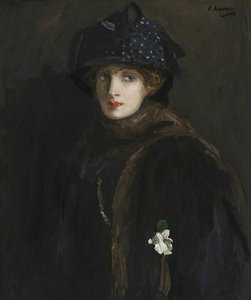
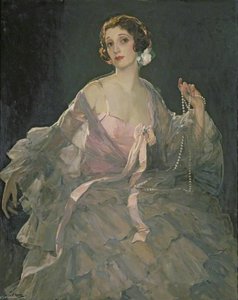
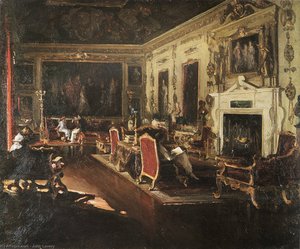
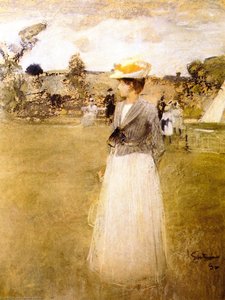
Artist Biography
A Life Immersed in Portraiture and Society
Sir John Lavery, born in Belfast in 1856, was a painter who effortlessly captured the spirit of his age – an era defined by both opulent Edwardian society and the somber realities of wartime. His journey from humble beginnings to becoming one of Britain’s most sought-after portraitists is a testament to his talent, ambition, and ability to navigate the complex social currents of his time. Orphaned early in life, Lavery found himself transplanted to Scotland, where he received foundational training at Haldane Academy in Glasgow during the 1870s. This initial exposure ignited a passion that would lead him to further studies at the Académie Julian in Paris in the early 1880s, immersing him in the heart of European artistic innovation.
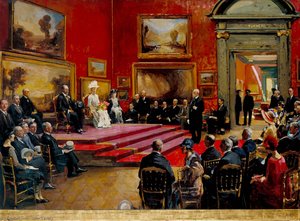
Upon his return to Glasgow, Lavery quickly became associated with the influential Glasgow School movement, absorbing its aesthetic principles and forging connections that would shape his early development. A pivotal moment arrived in 1888 when he secured a prestigious commission: painting Queen Victoria’s state visit to the Glasgow International Exhibition. This marked a turning point, catapulting him into the orbit of high society and prompting a move to London shortly thereafter. The commission wasn't merely a professional triumph; it signaled Lavery’s arrival as a painter capable of capturing not just likeness but also the grandeur and authority of his subjects.
Influences and Artistic Development
Lavery’s artistic sensibilities were profoundly shaped by several key influences, most notably James McNeill Whistler. He admired Whistler's emphasis on tonal harmony, atmospheric effects, and a refined aesthetic sensibility – qualities that would become hallmarks of Lavery’s own style. The influence is visible in the delicate brushwork and subtle color palettes found throughout his oeuvre. Beyond Whistler, Lavery absorbed lessons from French Impressionism, incorporating elements of its broken color and emphasis on capturing fleeting moments of light. However, he never fully embraced Impressionism's radical departure from traditional form; instead, he synthesized these influences into a uniquely personal style that balanced elegance with modernity.
His early work often featured scenes of everyday life and landscapes, but it was his mastery of portraiture that truly established his reputation. Lavery possessed an exceptional ability to capture the essence of his sitters – their personality, social standing, and inner lives – on canvas. He skillfully blended Impressionistic techniques with a keen eye for detail, creating portraits that were both aesthetically pleasing and psychologically insightful. He wasn’t simply recording appearances; he was interpreting character.
Wartime Depictions and National Recognition
The outbreak of World War I brought a new dimension to Lavery's artistic practice. Like William Orpen, he was appointed an official war artist, tasked with documenting the conflict. However, persistent ill-health and a harrowing car accident – a consequence of a Zeppelin bombing raid – prevented him from serving on the Western Front. Undeterred, Lavery focused his attention on scenes within Britain, capturing the atmosphere of wartime life through depictions of boats, aeroplanes, and airships. These works offer a unique perspective on the war effort, focusing not on the horrors of trench warfare but on the technological advancements and logistical challenges that defined the conflict on the home front.
Following the war, Lavery’s contributions were formally recognized with a knighthood in 1921 and election to the Royal Academy. His life became increasingly intertwined with the social and political elite, particularly the Asquith family. He spent considerable time at their Thames-side residence, creating portraits and idyllic scenes that offered glimpses into their privileged world. He also found himself drawn into the turbulent events surrounding Irish independence, providing his London home as a neutral ground for crucial treaty negotiations.
Legacy and Lasting Impact
Sir John Lavery’s legacy extends beyond his impressive body of work. He was a charismatic figure who moved effortlessly between artistic circles and high society, becoming a symbol of the era's cultural dynamism. His portraits remain highly prized for their elegance, technical skill, and insightful characterizations. Notably, his allegorical figure of Ireland appeared on Irish banknotes from 1928 until 1975 – a testament to his enduring national significance.
Lavery’s artistic style, characterized by its blend of Impressionistic techniques and meticulous detail, continues to inspire artists today. His ability to capture the essence of his subjects, combined with his mastery of light and color, ensures that his work will continue to captivate audiences for generations to come. He was a painter who not only documented his time but also helped define it, leaving an indelible mark on British art history.
Key Characteristics of His Art
- Impressionistic Techniques: Incorporated elements of Impressionism in his work, particularly in his use of light and color.
- Portraiture Expertise: Known for capturing both physical likeness and psychological depth in his portraits.
- Key Themes: Portraits, society scenes, wartime depictions, landscapes.
- Elegant Style: His paintings are often characterized by their elegance, vibrancy, and refined aesthetic sensibility.
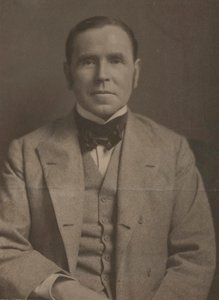
Sir John Lavery
1856 - 1941 , Ireland
Quick Facts
- Artistic Movement Or Style: Impressionism, Portraiture
- Artists Who Influenced This Artist: ['James McNeill Whistler']
- Date Of Birth: 1856
- Date Of Death: 1941
- Full Name: Sir John Lavery
- Nationality: Irish
- Notable Artworks:
- Mrs Lavery
- Michael Collins
- Summer on the River
- Place Of Birth: Belfast, Ireland
Related Articles

Watercolor Wonders: 10 Masterpieces That Redefined Art History | ArtsDot
Journey through 10 legendary watercolor masterpieces by Sargent, Turner & Homer! Explore iconic landscapes, portraits & floral art that redefined history. Find museum-quality reproductions and curated decor ideas at ArtsDot.com.

Ephemeral Visions: Exploring the Artistic Legacy & Contemporary Practice of Watercolor Painting
Explore the captivating world of watercolor painting! Discover its rich history, essential techniques, influential artists & collecting tips. A comprehensive guide for art enthusiasts from ArtsDot.

Ephemeral Visions: Exploring the History & Emotional Resonance of Watercolor Painting
Explore the captivating history of watercolor painting, from ancient techniques to modern masters like Kandinsky & Blake. Discover essential artists, collecting tips & the emotional power of this luminous medium. Expert insights for art enthusiasts.

Ephemeral Visions: Exploring the Artistic Legacy & Nuances of Watercolor Painting
Explore the captivating world of watercolor painting! Discover its rich history, essential techniques, influential artists & collecting tips from art experts. A comprehensive guide for enthusiasts.
The Enduring Appeal of Watercolor: History, Techniques & Contemporary Practice
Explore the captivating world of watercolor painting! Discover its rich history, essential techniques, influential artists, and collecting tips. A comprehensive guide for art enthusiasts.