 Preview
 Send
Send Share
Share
 Details

 Download
 Similars
 X-Ray
X-Ray Diaporama
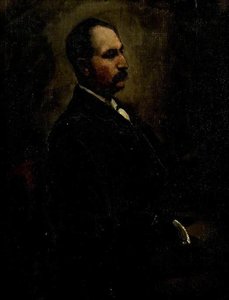
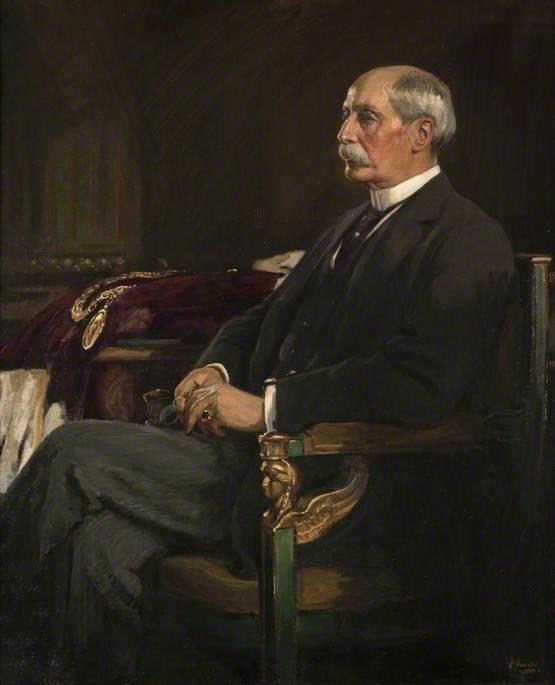
Sir James Watson Stewart, Lord Provost of Glasgow


 Read More
Giclée / Art Print
Museum-quality giclée or canvas print with fast production and flexible finish options. ( Buy Hand Made Painting Buy Image)




P118B $10

P118H $10

P118W $10

P438Z $10

P508JH $12

P508YH $12

P805H $10

P805Z $10

P919BZ $10

P919G $10

P919XJ $10

P959ZH $10

P968JZ $12

W106C $8

W218G $10

W218JH $8

W218Y $10

W307PJ $10

W316G $10

W316PJ $8

W316Y $10

W398PJ $8

W4111J $10

W500HY $15

W500JH $15

W692G $12

W849H $8

W940BG $15

W953PJ $8




Pick from our preset sizes that match the artwork's original proportions.

You may enter your own dimensions to fit a specific frame or space. If your selected size does not match the original image's proportions, we will either crop the artwork or extend the image with a mirrored or solid-fill edge. A digital mockup will be sent for your approval before production begins.
Please note that the on-screen preview does not reflect the actual cropping or extension. Only the mockup will accurately show the final composition.
While custom sizes are available, we recommend selecting a dimension from the predefined list to preserve the original proportions.
Worldwide Delivery () in 2 weeks instead of standard 4/5 weeks. (28 August)

Free Worldwide Express Shipping

High-Quality Linen Canvas

Full Shipping Insurance

Customs Tax Refund Guarantee

True Color Matching Guarantee

60-Day Return Policy (Defects Only)

100% Money-Back Guarantee

Bulk Discount Offer
 Glass option is only available in size under 110 CM

Sir James Watson Stewart, Lord Provost of Glasgow
Giclée / Art Print
Reproduction Size
-


Total Price
$ 63
A Portrait of Victorian Dignity: Sir James Watson Stewart, Lord Provost of Glasgow
John Lavery’s “Sir James Watson Stewart, Lord Provost of Glasgow” is more than just a portrait; it's a meticulously crafted window into the heart of 1920s Scottish society. Painted in 1921, this oil-on-canvas masterpiece captures not merely the likeness of a prominent public figure but also his inherent gravitas and quiet authority. Lavery, a master of capturing the nuances of human character, skillfully employs a palette of rich browns, deep greens, and subtle blues to evoke a sense of both formality and warmth – a testament to the subject’s position and personality.
The composition itself is carefully considered. Watson sits in an armchair, his hands clasped together in a gesture of dignified repose. His gaze, direct yet not confrontational, suggests a man accustomed to leadership and responsible governance. The background, subtly rendered with a muted couch and another chair, provides context without distracting from the central figure. Notice the meticulous detail lavished upon Watson’s attire – the tailored suit, the crisp tie, the subtle sheen of his shoes – all indicative of his status and the era he represents. Lavery's brushwork is remarkably smooth, creating a sense of depth and texture that draws the viewer into the scene.
The Glasgow School and its Patronage
Lavery’s work is inextricably linked to the Glasgow School movement, an artistic collective that flourished in Scotland during the late 19th and early 20th centuries. This group, characterized by a focus on depicting local life and landscapes with a distinctive realism, drew inspiration from both Impressionism and Japanese art. Lavery, as a key figure within this school, often collaborated with wealthy patrons like William Burrell, who provided crucial financial support and commissioned numerous portraits. The portrait of Sir James Watson Stewart exemplifies this patronage – a collaboration between artist and subject, resulting in a work that reflects both their sensibilities.
The context of the time is vital to understanding the painting’s significance. Sir James Watson Stewart served as Lord Provost of Glasgow from 1917 to 1920, a period marked by significant social and political upheaval following World War I. His role as a leader during this transformative era underscores the importance of civic duty and stability – themes subtly conveyed through Lavery’s portrayal.
Symbolism and Emotional Resonance
Beyond its realistic depiction, the portrait is laden with symbolic meaning. Watson's posture, his hands clasped together, speaks to a sense of responsibility and contemplation. The lighting, carefully orchestrated by Lavery, casts a gentle glow upon the subject’s face, highlighting his features and conveying an air of quiet dignity. The muted color palette contributes to this atmosphere of restrained elegance, suggesting a man who values tradition and stability.
Furthermore, the portrait can be interpreted as a celebration of Victorian ideals – order, respectability, and civic virtue. However, Lavery’s skill lies in imbuing these qualities with a human warmth, preventing the image from becoming overly stylized or sentimental. The viewer is left not just with a likeness of a man but with a sense of his character, his position, and the era he represents.
Collecting and Reproducing a Masterpiece
“Sir James Watson Stewart, Lord Provost of Glasgow” remains a compelling example of John Lavery’s artistic prowess. Reproductions offer an accessible way to appreciate this significant work of art, bringing its beauty and historical context into any setting. When selecting a reproduction, consider the quality of materials and printing techniques – ensuring that the colors accurately reflect those in the original painting. The artwork is available for purchase through various reputable sources, including online galleries specializing in fine art reproductions.
Further research into Sir James Watson Stewart’s life and career provides valuable context for appreciating Lavery's portrait. Resources such as the Art UK database (link) and Wikipedia entries offer detailed biographical information, while online searches reveal additional insights into the Glasgow School movement and Lavery’s artistic legacy.
Related Artworks
Artist Biography
A Life Immersed in Portraiture and Society
Sir John Lavery, born in Belfast in 1856, was a painter who effortlessly captured the spirit of his age – an era defined by both opulent Edwardian society and the somber realities of wartime. His journey from humble beginnings to becoming one of Britain’s most sought-after portraitists is a testament to his talent, ambition, and ability to navigate the complex social currents of his time. Orphaned early in life, Lavery found himself transplanted to Scotland, where he received foundational training at Haldane Academy in Glasgow during the 1870s. This initial exposure ignited a passion that would lead him to further studies at the Académie Julian in Paris in the early 1880s, immersing him in the heart of European artistic innovation.
Upon his return to Glasgow, Lavery quickly became associated with the influential Glasgow School movement, absorbing its aesthetic principles and forging connections that would shape his early development. A pivotal moment arrived in 1888 when he secured a prestigious commission: painting Queen Victoria’s state visit to the Glasgow International Exhibition. This marked a turning point, catapulting him into the orbit of high society and prompting a move to London shortly thereafter. The commission wasn't merely a professional triumph; it signaled Lavery’s arrival as a painter capable of capturing not just likeness but also the grandeur and authority of his subjects.
Influences and Artistic Development
Lavery’s artistic sensibilities were profoundly shaped by several key influences, most notably James McNeill Whistler. He admired Whistler's emphasis on tonal harmony, atmospheric effects, and a refined aesthetic sensibility – qualities that would become hallmarks of Lavery’s own style. The influence is visible in the delicate brushwork and subtle color palettes found throughout his oeuvre. Beyond Whistler, Lavery absorbed lessons from French Impressionism, incorporating elements of its broken color and emphasis on capturing fleeting moments of light. However, he never fully embraced Impressionism's radical departure from traditional form; instead, he synthesized these influences into a uniquely personal style that balanced elegance with modernity.
His early work often featured scenes of everyday life and landscapes, but it was his mastery of portraiture that truly established his reputation. Lavery possessed an exceptional ability to capture the essence of his sitters – their personality, social standing, and inner lives – on canvas. He skillfully blended Impressionistic techniques with a keen eye for detail, creating portraits that were both aesthetically pleasing and psychologically insightful. He wasn’t simply recording appearances; he was interpreting character.
Wartime Depictions and National Recognition
The outbreak of World War I brought a new dimension to Lavery's artistic practice. Like William Orpen, he was appointed an official war artist, tasked with documenting the conflict. However, persistent ill-health and a harrowing car accident – a consequence of a Zeppelin bombing raid – prevented him from serving on the Western Front. Undeterred, Lavery focused his attention on scenes within Britain, capturing the atmosphere of wartime life through depictions of boats, aeroplanes, and airships. These works offer a unique perspective on the war effort, focusing not on the horrors of trench warfare but on the technological advancements and logistical challenges that defined the conflict on the home front.
Following the war, Lavery’s contributions were formally recognized with a knighthood in 1921 and election to the Royal Academy. His life became increasingly intertwined with the social and political elite, particularly the Asquith family. He spent considerable time at their Thames-side residence, creating portraits and idyllic scenes that offered glimpses into their privileged world. He also found himself drawn into the turbulent events surrounding Irish independence, providing his London home as a neutral ground for crucial treaty negotiations.
Legacy and Lasting Impact
Sir John Lavery’s legacy extends beyond his impressive body of work. He was a charismatic figure who moved effortlessly between artistic circles and high society, becoming a symbol of the era's cultural dynamism. His portraits remain highly prized for their elegance, technical skill, and insightful characterizations. Notably, his allegorical figure of Ireland appeared on Irish banknotes from 1928 until 1975 – a testament to his enduring national significance.
Lavery’s artistic style, characterized by its blend of Impressionistic techniques and meticulous detail, continues to inspire artists today. His ability to capture the essence of his subjects, combined with his mastery of light and color, ensures that his work will continue to captivate audiences for generations to come. He was a painter who not only documented his time but also helped define it, leaving an indelible mark on British art history.
Key Characteristics of His Art
- Impressionistic Techniques: Incorporated elements of Impressionism in his work, particularly in his use of light and color.
- Portraiture Expertise: Known for capturing both physical likeness and psychological depth in his portraits.
- Key Themes: Portraits, society scenes, wartime depictions, landscapes.
- Elegant Style: His paintings are often characterized by their elegance, vibrancy, and refined aesthetic sensibility.
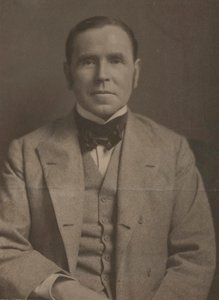
Sir John Lavery
1856 - 1941 , Ireland
Quick Facts
- Artistic Movement Or Style: Impressionism, Portraiture
- Artists Who Influenced This Artist: ['James McNeill Whistler']
- Date Of Birth: 1856
- Date Of Death: 1941
- Full Name: Sir John Lavery
- Nationality: Irish
- Notable Artworks:
- Mrs Lavery
- Michael Collins
- Summer on the River
- Place Of Birth: Belfast, Ireland
Related Articles

The Enduring Legacy of Oil on Canvas: Technique, History & Aesthetic Impact
Explore the rich history & techniques of oil painting – from Renaissance masters to Impressionism. Discover pigments, layering methods, and why this timeless medium endures. Expert insights for artists & art enthusiasts.
Sir John Lavery: A Study in Scottish Impressionism & the Portraiture of a Generation
Explore the life & art of Sir John Lavery, a master of Scottish Impressionism and renowned portraitist. Discover his captivating works, Irish heritage, and lasting legacy with ArtsDot.

Oil on Canvas: A Historical & Technical Exploration of a Timeless Artistic Medium
Explore the rich history & enduring techniques of oil painting on canvas. Discover the science behind its longevity, conservation practices, and contemporary relevance. Expert insights for art enthusiasts.

The Enduring Power of Painting: A Historical & Contemporary Exploration of Form and Emotion
Explore the rich history & enduring techniques of oil painting with ArtsDot. Discover masterpieces, learn about art collecting, and find authentic handmade reproductions crafted by skilled artists.

The Enduring Legacy of Oil on Canvas: Technique, History & Contemporary Practice
Explore the rich history & enduring techniques of oil painting on canvas. Discover the science behind its longevity, conservation practices, and contemporary relevance. Expert insights for art enthusiasts.