 Preview
 Send
Send Share
Share
 Details

 Download
 Similars
 X-Ray
X-Ray Diaporama
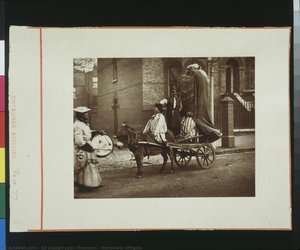
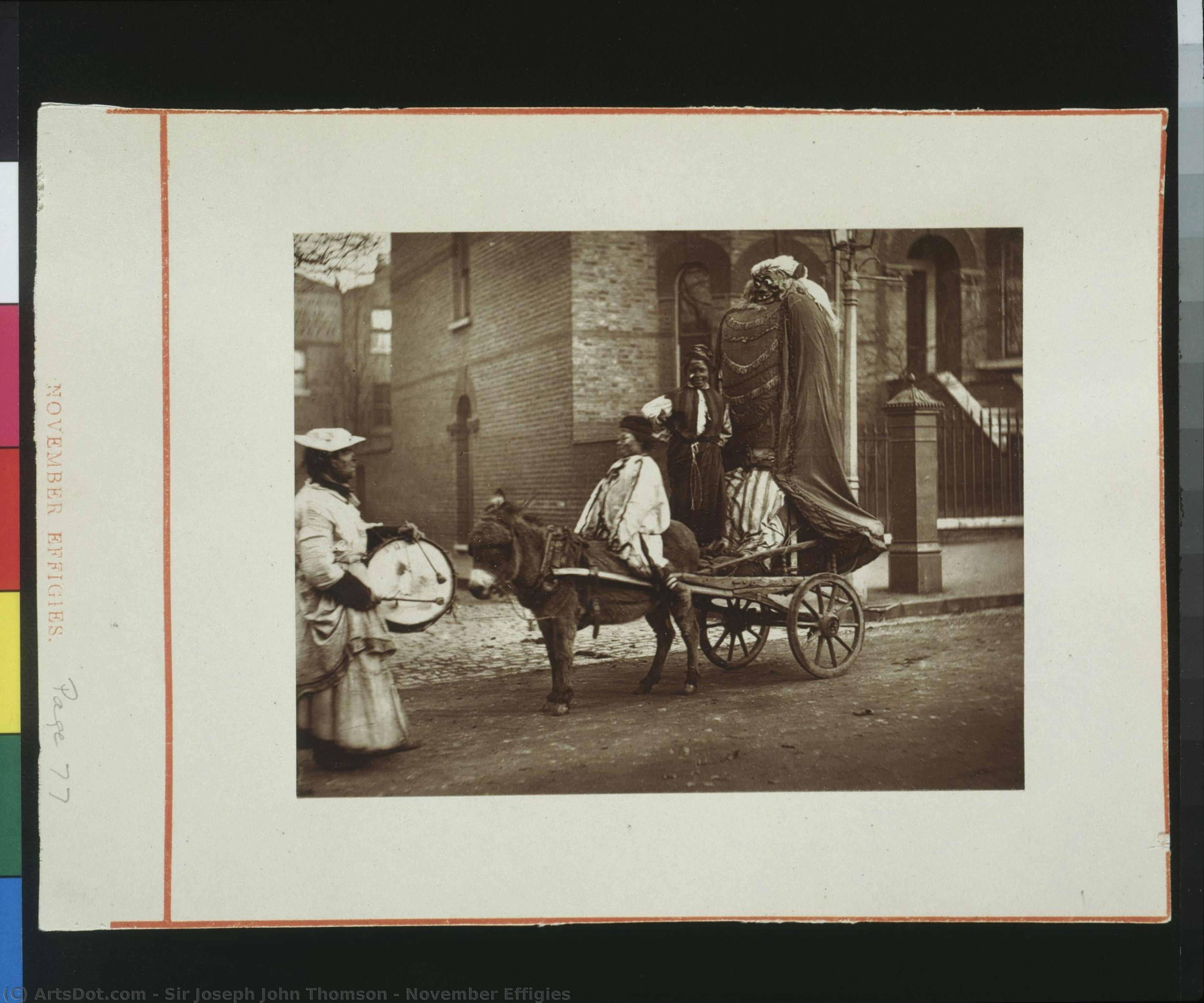
November Effigies


 Read More
Hand Made Oil Reproduction
Hand-painted oil on canvas in your size and frame, made to order by our artists. ( Buy Print Buy Image)




P118B $10

P118H $10

P118W $10

P438Z $10

P508JH $12

P508YH $12

P805H $10

P805Z $10

P919BZ $10

P919G $10

P919XJ $10

P959ZH $10

P968JZ $12

W106C $8

W218G $10

W218JH $8

W218Y $10

W307PJ $10

W316G $10

W316PJ $8

W316Y $10

W398PJ $8

W4111J $10

W500HY $15

W500JH $15

W692G $12

W849H $8

W940BG $15

W953PJ $8




Pick from our preset sizes that match the artwork's original proportions.

You may enter your own dimensions to fit a specific frame or space. If your selected size does not match the original image's proportions, we will either crop the artwork or extend the painting with additional hand-painted elements. A digital mockup will be sent for your approval before production begins.
Please note that the on-screen preview does not reflect the actual cropping or extension. Only the mockup will accurately show the final composition.
While custom sizes are available, we recommend selecting a dimension from the predefined list to preserve the original proportions.
After order, ArtsDot.com team will email client for instructions and provide a mockup preview
Worldwide Delivery () in 3/4 weeks instead of standard 5 weeks. (16 August). No compromise on quality.

Free Worldwide Express Shipping

High-Quality Linen Canvas

Full Shipping Insurance

Customs Tax Refund Guarantee

True Color Matching Guarantee

60-Day Return Policy (Defects Only)

100% Money-Back Guarantee

Bulk Discount Offer
 Glass option is only available in size under 110 CM

November Effigies
Reproduction Medium
Reproduction Size
-


Total Price
$ 263
Artwork Description
A Window Into Victorian Life: Examining Sir Joseph John Thomson’s “November Effigies”
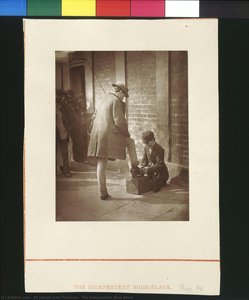
“November Effigies,” painted by Sir Joseph John Thomson in 1878, transcends the simple depiction of a horse-drawn carriage and its occupants. It's more than just a snapshot of Victorian England; it’s a carefully constructed tableau that speaks volumes about societal norms, romantic ideals, and the artist’s profound engagement with his surroundings.
Thomson, a physicist celebrated for discovering the electron – arguably one of the most fundamental particles in matter – possessed an equally remarkable talent for visual storytelling. Unlike many artists of his era focused solely on grand narratives or idealized beauty, Thomson approached painting with meticulous observation and a desire to capture authentic human experience. This dual legacy informs “November Effigies,” demonstrating that scientific curiosity didn’t preclude artistic sensitivity.
Style and Technique: Impressionistic Hints Amidst Realism
While predominantly rooted in realism—evident in the detailed rendering of the carriage, the clothing of its passengers, and the cobblestone street—the painting subtly incorporates elements characteristic of Impressionism. Thomson skillfully employs loose brushstrokes and dappled light to convey a sense of atmosphere and immediacy. This technique wasn’t entirely revolutionary at the time, but it represented a deliberate departure from academic conventions that favored smooth surfaces and precise shading.
- Brushwork: Loose, textured strokes create depth and movement, capturing the fleeting effects of sunlight on the pavement.
- Color Palette: The muted tones—primarily browns, greys, and ochres—reflect the autumnal season depicted in the title, contributing to a melancholic mood.
- Composition: The carriage dominates the central space, drawing the viewer’s eye inwards while the figures positioned around it provide context and narrative detail.
Historical Context: Victorian Society Under Observation
“November Effigies” emerges from a period defined by rapid industrialization, social stratification, and evolving conceptions of courtship rituals. Victorian society placed immense importance on appearances and propriety, particularly for women. Thomson’s depiction captures this preoccupation with status and decorum—the woman holding the umbrella embodies elegance and refinement, while her companion carries a handbag symbolizing practicality and domestic responsibility.
Furthermore, the painting reflects anxieties surrounding mortality and remembrance during Victorian times. The “effigies” alluded to in the title likely refer to funerary monuments or memorials – a poignant reminder of the passage of time and the fragility of human existence. Thomson’s artistic choices serve not only to document a scene but also to engage with broader cultural concerns.
Symbolism: Beyond Surface Appearances
The carriage itself symbolizes social mobility and aspiration, representing the desire to ascend the social hierarchy. The woman with the umbrella represents femininity, grace, and protection—qualities considered essential for upholding Victorian ideals of female virtue. Even the muted color palette contributes to a symbolic resonance, conveying sadness and contemplation.
Thomson’s masterful use of light and shadow enhances these symbolic interpretations, creating an emotional landscape that invites viewers to ponder themes of beauty, loss, and the enduring legacy of bygone eras. “November Effigies” remains a testament to Thomson's ability to transform observation into art—a captivating glimpse into Victorian life filtered through the lens of scientific intellect and artistic empathy.
Related Artworks
Artist Biography
A Dual Legacy: Sir Joseph John Thomson – Scientist and Social Observer
Sir Joseph John Thomson, a name synonymous with the electron and groundbreaking advancements in physics, was also a keen observer of Victorian society, wielding his camera with an eye for detail and a commitment to documenting the lives unfolding around him. Born on December 18, 1856, in Cheetham Hill near Manchester, England, Thomson’s path wasn't one solely dedicated to scientific pursuit; it was a fascinating intersection of rigorous experimentation and compassionate social commentary. His early education at the University of Cambridge laid the foundation for his scientific brilliance, earning him a scholarship in mathematics and ultimately leading to his fellowship within the Royal Society. However, even as he delved into the mysteries of cathode rays, another passion began to blossom – photography. This wasn’t merely a hobby; it was a means of engaging with the realities of Victorian England, capturing its complexities, hardships, and vibrant street life.The Unveiling of the Electron and a World Transformed
Thomson's scientific legacy is monumental. In 1897, through meticulous experimentation with cathode rays, he revealed that these beams were not waves, as previously believed, but composed of tiny, negatively charged particles – what we now know as electrons. This discovery fundamentally altered the understanding of atomic structure, dismantling the long-held belief in the indivisibility of atoms and opening up entirely new avenues of scientific inquiry. His calculations demonstrated that these electrons possessed a remarkably large charge-to-mass ratio, far smaller than anything previously imagined. The implications were profound, reshaping the landscape of physics and earning him the Nobel Prize in Physics in 1906. This breakthrough wasn’t an isolated event; it was the culmination of years of dedicated research, driven by a relentless curiosity and a commitment to empirical evidence. It paved the way for further advancements in atomic theory and laid the groundwork for much of modern physics.Through the Lens: Documenting Victorian Life
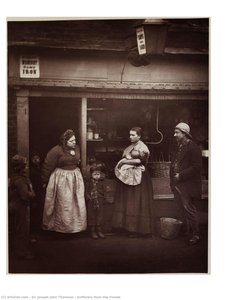
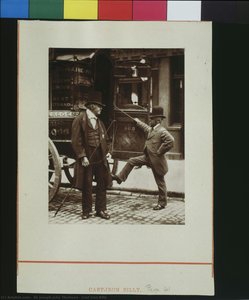
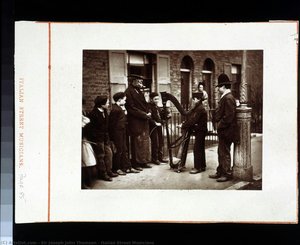
Parallel to his scientific endeavors, Thomson developed a profound passion for photography, transforming himself into a dedicated social documentarian. He wasn’t content with simply recording images; he actively sought to portray the lives of ordinary people – street performers captivating audiences, laborers enduring harsh conditions, and those marginalized by society. His photographs offer an intimate glimpse into Victorian England, revealing both its grandeur and its grim underbelly. Works like Italian Street Musicians (1878) capture a fleeting moment of joy and artistry amidst the urban landscape, while images such as Sufferers from the Floods bear witness to the devastating impact of natural disasters on vulnerable communities. Cast Iron Billy, with its striking portraiture, freezes a single moment in time, inviting viewers to contemplate the story behind the subject’s gaze. His photographic style is characterized by realism and a documentary approach, eschewing artistic embellishment in favor of honest representation. He favored albumen prints, which contributed to the grainy texture and historical feel of his images, enhancing their sense of authenticity.Influences, Legacy, and Enduring Significance
While primarily celebrated as a scientist, Thomson’s photographic work indirectly influenced artists interested in social realism and documentary photography. His commitment to portraying everyday life with honesty and empathy resonated with those seeking to capture the realities of their time. Artists like Henryk Siemiradzki and Max Klinger were inspired by the implications of his scientific discoveries, exploring themes of modernity and human existence within their own artistic practices. Thomson’s legacy extends far beyond the confines of physics; he demonstrated the power of observation and documentation in both science and art. His work continues to be exhibited in museums and collections worldwide, offering invaluable insights into Victorian society and inspiring generations of scientists and artists alike. He exemplified a rare synthesis of intellectual rigor and human compassion, leaving behind a dual legacy that continues to resonate today. He died in 1940, but his contributions continue to shape our understanding of the world around us – both the invisible realm of subatomic particles and the visible tapestry of human experience.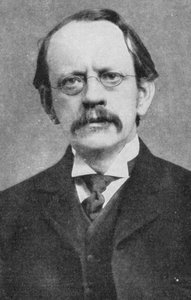
Sir Joseph John Thomson
1856 - 1940 , United Kingdom
Quick Facts
- Artistic Movement Or Style: Social documentary photography
- Artists Or Movements Influenced By This Artist:
- Henryk Siemiradzki
- Max Klinger
- Date Of Birth: December 18, 1856
- Date Of Death: 1940
- Full Name: Sir Joseph John Thomson
- Nationality: British
- Notable Artworks:
- Italian Street Musicians
- Cast Iron Billy
- November Effigies
- Place Of Birth: Cheetham Hill, UK
Related Articles

Monochrome Visions: Exploring the Aesthetic & Historical Significance of Black & White Photography
Explore the rich history & artistic power of black and white photography. From early techniques to iconic masters like Ansel Adams, discover why monochrome continues to captivate art lovers today. Expert insights for collectors.

Beyond the Lens: Photography's Enduring Influence on Modern & Contemporary Art
Explore photography's pivotal role in shaping modern & contemporary art. Discover key movements, influential artists like Stieglitz, and expert collecting advice from ArtsDot.

Dark Masterpieces: 10 Iconic Paintings Dominated by Black Tones |
Explore 10 iconic paintings dominated by black tones, from Rembrandt’s chiaroscuro to Goya's dark expressions. Discover the stories behind these masterpieces & find museum-quality art reproductions for your home at .

Witnessing History Through Lens & Light: Documentary Photography's Enduring Legacy
Explore the powerful history of documentary photography – from its origins to contemporary masters like Gordon Parks & W. Eugene Smith. Discover how this art form shapes our understanding of society and witness pivotal moments in time.

Pictorialism: A Search for Artistic Photography's Soul – Aesthetics, Techniques & Legacy
Explore the captivating world of Pictorialism – a pivotal movement that transformed photography into fine art. Discover key artists like Stieglitz & Käsebier, techniques, and collecting tips from experts.