 Preview
 Send
Send Share
Share
 Details

 Download
 Similars
 X-Ray
X-Ray Diaporama
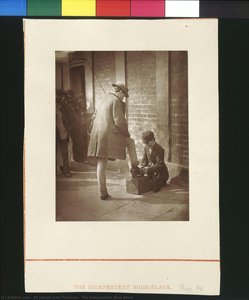
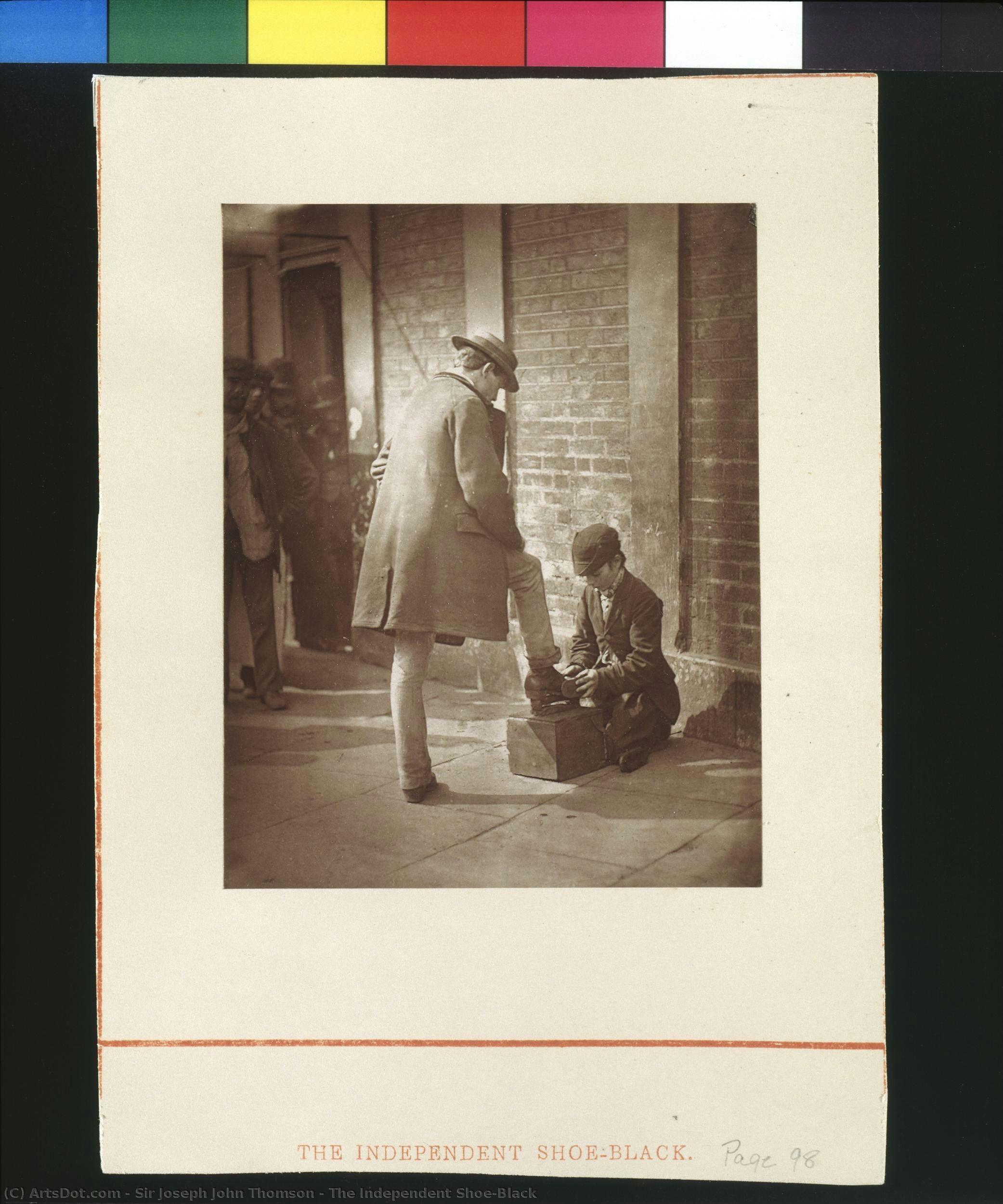
The Independent Shoe-Black


 Read More
Hand Made Oil Reproduction
Hand-painted oil on canvas in your size and frame, made to order by our artists. ( Buy Print Buy Image)




P118B $10

P118H $10

P118W $10

P438Z $10

P508JH $12

P508YH $12

P805H $10

P805Z $10

P919BZ $10

P919G $10

P919XJ $10

P959ZH $10

P968JZ $12

W106C $8

W218G $10

W218JH $8

W218Y $10

W307PJ $10

W316G $10

W316PJ $8

W316Y $10

W398PJ $8

W4111J $10

W500HY $15

W500JH $15

W692G $12

W849H $8

W940BG $15

W953PJ $8




Pick from our preset sizes that match the artwork's original proportions.

You may enter your own dimensions to fit a specific frame or space. If your selected size does not match the original image's proportions, we will either crop the artwork or extend the painting with additional hand-painted elements. A digital mockup will be sent for your approval before production begins.
Please note that the on-screen preview does not reflect the actual cropping or extension. Only the mockup will accurately show the final composition.
While custom sizes are available, we recommend selecting a dimension from the predefined list to preserve the original proportions.
After order, ArtsDot.com team will email client for instructions and provide a mockup preview
Worldwide Delivery () in 3/4 weeks instead of standard 5 weeks. (17 August). No compromise on quality.

Free Worldwide Express Shipping

High-Quality Linen Canvas

Full Shipping Insurance

Customs Tax Refund Guarantee

True Color Matching Guarantee

60-Day Return Policy (Defects Only)

100% Money-Back Guarantee

Bulk Discount Offer
 Glass option is only available in size under 110 CM

The Independent Shoe-Black
Reproduction Medium
Reproduction Size
-


Total Price
$ 263
Artwork Description
A Snapshot of Victorian Grit: John Thomson’s “The Independent Shoe-Black”
John Thomson's 1877 photograph, "The Independent Shoe-Black," isn’t merely a depiction of a street scene; it’s a poignant window into the realities of late Victorian London. Captured with his signature use of the Woodburytype process – a technique prized for its rich tonal range and archival quality – the image freezes a fleeting moment of urban life, revealing a world of hardship, resilience, and simmering social tensions. The composition is deceptively simple: two men occupy the foreground, one a young boy diligently polishing shoes beneath the watchful gaze of a customer. Yet, within this seemingly straightforward tableau lies a complex narrative about class, labor, and the precarious existence of countless individuals navigating the crowded streets of the burgeoning metropolis.
Thomson, a Scottish-born photographer who spent formative years documenting life in China before returning to England, possessed a keen eye for social observation. Unlike many photographers of his era focused on grand landscapes or formal portraits, Thomson sought to capture the everyday lives of ordinary people – often those marginalized by society. “Street Life in London,” the series to which this photograph belongs, was groundbreaking for its unflinching portrayal of poverty and labor, challenging prevailing Victorian notions of respectability and progress. The image’s power resides not just in its technical execution but also in Thomson's deliberate choice of subject matter and his willingness to expose the often-unseen realities of urban existence.
The Mechanics of Memory: Woodburytype and Atmospheric Depth
The Woodburytype process, developed by William Henry Fox Talbot, was a key element in Thomson’s approach. Unlike daguerreotypes or calotypes, which produced unique images, the Woodburytype allowed for multiple prints from a single negative, making it a more commercially viable option. Crucially, it imparted a distinctive, slightly muted quality to the final image – a rich purple-brown hue that lends “The Independent Shoe-Black” its evocative atmosphere. Thomson skillfully manipulated light and shadow, creating a sense of depth and immediacy. The blurred background, populated with indistinct figures and passing carriages, draws the viewer’s attention to the central interaction between the boy and his customer, while simultaneously conveying the bustling energy of the street.
Notice the subtle details: the worn leather shoes, the boy's focused expression, the simple tools of his trade. These elements speak volumes about his dedication and the demanding nature of his work. The photograph isn’t romanticized; it presents a scene of honest labor under challenging circumstances. The slightly grainy texture of the print further enhances the sense of authenticity, suggesting that this is not a staged tableau but a genuine moment captured on paper.
Symbolism in the Street: Class and Labor
Beyond its technical merits, “The Independent Shoe-Black” carries significant symbolic weight. The boy’s position as an "independent" boot-black – operating outside the organized brigades – highlights the precariousness of his livelihood. He's subject to the whims of customers and the potential harassment of police officers, a stark reminder of the vulnerability faced by those working on the fringes of Victorian society. The interaction between the boy and the customer represents a brief exchange of value, a small transaction within a larger system of economic inequality.
Furthermore, the image subtly critiques the prevailing social order. The policeman’s action – kicking away the boy's box – embodies the indifference and often brutal enforcement of Victorian law towards those deemed unworthy or undesirable. The photograph serves as a visual indictment of a system that prioritized wealth and status while neglecting the needs of its most vulnerable citizens. It is a powerful reminder of the human cost of industrialization and urbanization.
A Timeless Portrait: Reproduction and Emotional Resonance
Today, “The Independent Shoe-Black” continues to resonate with viewers across generations. Reproductions, like this one offered by ArtsDot.com, allow us to appreciate Thomson’s artistry and engage with the complexities of Victorian London in a tangible way. The photograph's enduring appeal lies not only in its historical significance but also in its ability to evoke empathy and provoke reflection on issues of social justice and economic inequality that remain relevant today. It is a testament to the power of photography as a tool for documenting reality, challenging assumptions, and fostering understanding.
Consider how this image might complement your interior design aesthetic – a touch of historical grit juxtaposed with contemporary style. Its evocative atmosphere and poignant subject matter make it a compelling addition to any collection or space, prompting conversation and reminding us of the enduring human stories embedded within our shared history.
Related Artworks
Artist Biography
A Dual Legacy: Sir Joseph John Thomson – Scientist and Social Observer
Sir Joseph John Thomson, a name synonymous with the electron and groundbreaking advancements in physics, was also a keen observer of Victorian society, wielding his camera with an eye for detail and a commitment to documenting the lives unfolding around him. Born on December 18, 1856, in Cheetham Hill near Manchester, England, Thomson’s path wasn't one solely dedicated to scientific pursuit; it was a fascinating intersection of rigorous experimentation and compassionate social commentary. His early education at the University of Cambridge laid the foundation for his scientific brilliance, earning him a scholarship in mathematics and ultimately leading to his fellowship within the Royal Society. However, even as he delved into the mysteries of cathode rays, another passion began to blossom – photography. This wasn’t merely a hobby; it was a means of engaging with the realities of Victorian England, capturing its complexities, hardships, and vibrant street life.The Unveiling of the Electron and a World Transformed
Thomson's scientific legacy is monumental. In 1897, through meticulous experimentation with cathode rays, he revealed that these beams were not waves, as previously believed, but composed of tiny, negatively charged particles – what we now know as electrons. This discovery fundamentally altered the understanding of atomic structure, dismantling the long-held belief in the indivisibility of atoms and opening up entirely new avenues of scientific inquiry. His calculations demonstrated that these electrons possessed a remarkably large charge-to-mass ratio, far smaller than anything previously imagined. The implications were profound, reshaping the landscape of physics and earning him the Nobel Prize in Physics in 1906. This breakthrough wasn’t an isolated event; it was the culmination of years of dedicated research, driven by a relentless curiosity and a commitment to empirical evidence. It paved the way for further advancements in atomic theory and laid the groundwork for much of modern physics.Through the Lens: Documenting Victorian Life
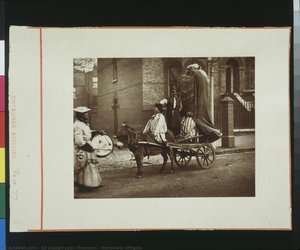
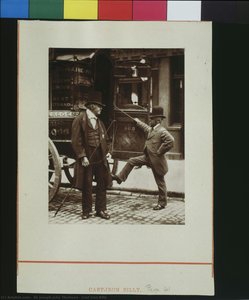
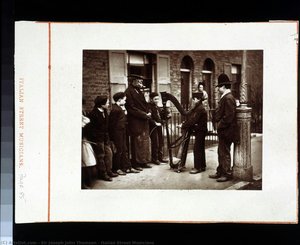
Parallel to his scientific endeavors, Thomson developed a profound passion for photography, transforming himself into a dedicated social documentarian. He wasn’t content with simply recording images; he actively sought to portray the lives of ordinary people – street performers captivating audiences, laborers enduring harsh conditions, and those marginalized by society. His photographs offer an intimate glimpse into Victorian England, revealing both its grandeur and its grim underbelly. Works like Italian Street Musicians (1878) capture a fleeting moment of joy and artistry amidst the urban landscape, while images such as Sufferers from the Floods bear witness to the devastating impact of natural disasters on vulnerable communities. Cast Iron Billy, with its striking portraiture, freezes a single moment in time, inviting viewers to contemplate the story behind the subject’s gaze. His photographic style is characterized by realism and a documentary approach, eschewing artistic embellishment in favor of honest representation. He favored albumen prints, which contributed to the grainy texture and historical feel of his images, enhancing their sense of authenticity.Influences, Legacy, and Enduring Significance
While primarily celebrated as a scientist, Thomson’s photographic work indirectly influenced artists interested in social realism and documentary photography. His commitment to portraying everyday life with honesty and empathy resonated with those seeking to capture the realities of their time. Artists like Henryk Siemiradzki and Max Klinger were inspired by the implications of his scientific discoveries, exploring themes of modernity and human existence within their own artistic practices. Thomson’s legacy extends far beyond the confines of physics; he demonstrated the power of observation and documentation in both science and art. His work continues to be exhibited in museums and collections worldwide, offering invaluable insights into Victorian society and inspiring generations of scientists and artists alike. He exemplified a rare synthesis of intellectual rigor and human compassion, leaving behind a dual legacy that continues to resonate today. He died in 1940, but his contributions continue to shape our understanding of the world around us – both the invisible realm of subatomic particles and the visible tapestry of human experience.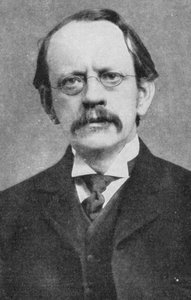
Sir Joseph John Thomson
1856 - 1940 , United Kingdom
Quick Facts
- Artistic Movement Or Style: Social documentary photography
- Artists Or Movements Influenced By This Artist:
- Henryk Siemiradzki
- Max Klinger
- Date Of Birth: December 18, 1856
- Date Of Death: 1940
- Full Name: Sir Joseph John Thomson
- Nationality: British
- Notable Artworks:
- Italian Street Musicians
- Cast Iron Billy
- November Effigies
- Place Of Birth: Cheetham Hill, UK
Related Articles

Monochrome Visions: Exploring the Aesthetic & Historical Significance of Black & White Photography
Explore the rich history & artistic power of black and white photography. From early techniques to iconic masters like Ansel Adams, discover why monochrome continues to captivate art lovers today. Expert insights for collectors.
Beyond the Lens: Photography's Enduring Influence on Modern & Contemporary Art
Explore photography's pivotal role in shaping modern & contemporary art. Discover key movements, influential artists like Stieglitz, and expert collecting advice from ArtsDot.

Witnessing History Through Lens & Light: Documentary Photography's Enduring Legacy
Explore the powerful history of documentary photography – from its origins to contemporary masters like Gordon Parks & W. Eugene Smith. Discover how this art form shapes our understanding of society and witness pivotal moments in time.

Dark Masterpieces: 10 Iconic Paintings Dominated by Black Tones |
Explore 10 iconic paintings dominated by black tones, from Rembrandt’s chiaroscuro to Goya's dark expressions. Discover the stories behind these masterpieces & find museum-quality art reproductions for your home at .

Pictorialism: A Search for Artistic Photography's Soul – Aesthetics, Techniques & Legacy
Explore the captivating world of Pictorialism – a pivotal movement that transformed photography into fine art. Discover key artists like Stieglitz & Käsebier, techniques, and collecting tips from experts.