 Preview
 Send
Send Share
Share
 Details

 Download
 Similars
 X-Ray
X-Ray Diaporama
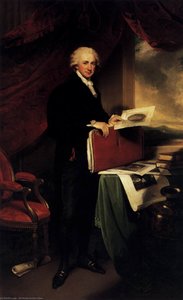
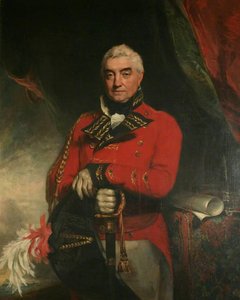
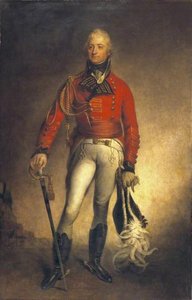
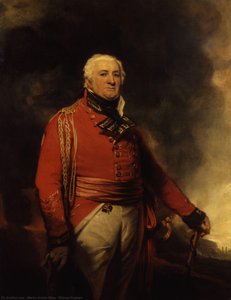
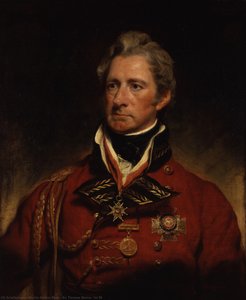
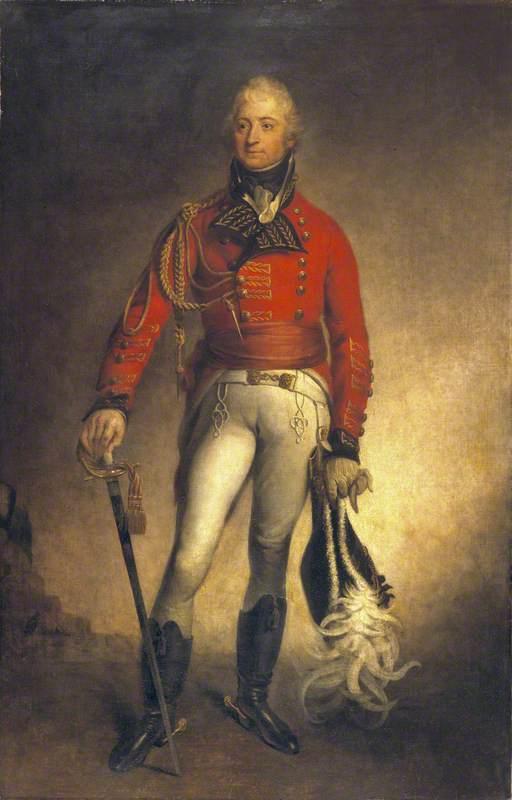
Lieutenant General Sir Thomas Picton


 Read More
Hand Made Oil Reproduction
Hand-painted oil on canvas in your size and frame, made to order by our artists. ( Buy Print Buy Image)




P118B $10

P118H $10

P118W $10

P438Z $10

P508JH $12

P508YH $12

P805H $10

P805Z $10

P919BZ $10

P919G $10

P919XJ $10

P959ZH $10

P968JZ $12

W106C $8

W218G $10

W218JH $8

W218Y $10

W307PJ $10

W316G $10

W316PJ $8

W316Y $10

W398PJ $8

W4111J $10

W500HY $15

W500JH $15

W692G $12

W849H $8

W940BG $15

W953PJ $8




Pick from our preset sizes that match the artwork's original proportions.

You may enter your own dimensions to fit a specific frame or space. If your selected size does not match the original image's proportions, we will either crop the artwork or extend the painting with additional hand-painted elements. A digital mockup will be sent for your approval before production begins.
Please note that the on-screen preview does not reflect the actual cropping or extension. Only the mockup will accurately show the final composition.
While custom sizes are available, we recommend selecting a dimension from the predefined list to preserve the original proportions.
After order, ArtsDot.com team will email client for instructions and provide a mockup preview
Worldwide Delivery () in 3/4 weeks instead of standard 5 weeks. (16 August). No compromise on quality.

Free Worldwide Express Shipping

High-Quality Linen Canvas

Full Shipping Insurance

Customs Tax Refund Guarantee

True Color Matching Guarantee

60-Day Return Policy (Defects Only)

100% Money-Back Guarantee

Bulk Discount Offer
 Glass option is only available in size under 110 CM

Lieutenant General Sir Thomas Picton
Reproduction Medium
Reproduction Size
-


Total Price
$ 263
Artwork Description
A Portrait of Courage: Sir Martin Archer Shee’s Reverent Depiction of Lieutenant General Sir Thomas Picton
Lieutenant General Sir Thomas Picton (1758–1815), painted by Sir Martin Archer Shee in 1812, stands as a testament to the Romantic era's fascination with heroism and commemoration. This striking portrait resides within the collection of Amgueddfa Cymru – National Museum Wales, offering viewers an intimate glimpse into the visage of a military leader who commanded respect both on the battlefield and beyond. Shee’s masterful execution captures not merely physical likeness but also embodies Picton's character—a man defined by unwavering resolve and devotion to duty.Style and Technique: Romantic Idealization
Shee’s artistic approach aligns perfectly with the stylistic conventions of Romanticism, prioritizing emotional expression over strict realism. The painting eschews photographic accuracy in favor of idealized representation, reflecting a broader trend during the period to elevate individuals deemed noble or virtuous. Shee skillfully employs oil paint on canvas—a technique favored by artists striving for luminous color and textural depth—to achieve this effect. Careful layering of glazes builds up subtle gradations of tone, creating an atmosphere of solemn grandeur that underscores Picton’s dignified bearing. The artist meticulously renders the folds of Picton's scarlet coat with painstaking detail, highlighting its opulent materiality and symbolizing his status as a commanding officer.Historical Context: Napoleonic Era Valor
Picton’s prominence stems from his distinguished service during the Napoleonic Wars, specifically his leadership of British forces in Egypt and Syria. He spearheaded the siege of Acre in 1813-14, securing a crucial victory against Ottoman resistance—a pivotal moment in bolstering Britain's position on the Mediterranean front. Shee’s portrait commemorates this triumph, serving as a visual record of Picton’s bravery and strategic acumen. The painting was commissioned shortly after Picton’s return from active duty, reflecting the nation’s desire to honor its military heroes and solidify their legacy.Symbolism: Dignity and Remembrance
Beyond mere likeness, Shee imbues the portrait with symbolic significance. Picton's gaze is direct and unwavering, conveying a sense of composure amidst potential adversity—a characteristic associated with courage and moral fortitude. The sword held at Picton’s side symbolizes his martial prowess and represents the defense of Britain’s interests against external threats. Furthermore, the subdued background contributes to the overall mood of solemn contemplation, prompting viewers to reflect on Picton's contribution to history and the enduring values he embodies.Emotional Impact: Reverence for Leadership
The painting evokes a profound sense of reverence for leadership—a sentiment deeply rooted in Romantic ideals. Shee’s depiction captures not just Picton’s physical appearance but also his inner spirit, conveying an aura of dignity and conviction. The artwork invites contemplation on themes of honor, duty, and sacrifice—qualities celebrated throughout the Romantic era as expressions of noble character. It stands as a powerful reminder of Britain's military achievements during its formative years and serves as an enduring symbol of courage and resilience.Related Artworks
Artist Biography
A Dubliner’s Ascent: The Life and Art of Sir Martin Archer Shee
Born in the vibrant city of Dublin on December 23rd, 1769, Sir Martin Archer Shee emerged as a pivotal figure in 19th-century British art. His journey was not simply that of a talented portraitist, but also of an administrator dedicated to shaping the artistic landscape of his time. Initially met with familial disapproval – his merchant father deemed painting an unsuitable profession for a man of their standing – young Martin’s passion proved unyielding. He began his studies at the Royal Dublin Society, laying the foundation for a career that would ultimately lead him to the heart of London's art world and the presidency of the Royal Academy. A crucial introduction by Edmund Burke in 1788 to Joshua Reynolds opened doors to the Royal Academy Schools, marking a turning point in Shee’s artistic development. Early works like “Head of an Old Man” and “Portrait of a Gentleman,” exhibited in 1789, signaled the arrival of a promising new talent, one poised to capture the essence of his era through brush and canvas.The Brush and the Bureau: A Dual Path to Prominence
Shee’s career blossomed steadily throughout the late 18th and early 19th centuries. He quickly established himself as a sought-after portraitist, skillfully capturing the likenesses of prominent figures with an elegance and sensitivity that resonated deeply with his clientele. In 1798 he was elected an associate of the Royal Academy, a testament to his growing reputation, followed by full membership just two years later in 1800 – a remarkable ascent for an artist of his age. However, Shee’s ambitions extended beyond the purely artistic realm. He possessed a keen interest in the administration of the art world, believing that artists had a responsibility not only to create but also to shape the future of their discipline. This dedication culminated in his election as President of the Royal Academy in 1830, succeeding Sir Thomas Lawrence. For over two decades, he served as a powerful advocate for artists and a staunch defender of academic standards, guiding the institution through a period of significant change and ensuring its continued vitality. His presidency was characterized by stability and a commitment to fostering artistic excellence within Britain.A Neoclassical Vision: Style and Subject Matter
While celebrated primarily as a portraitist, Shee’s *oeuvre* extended beyond capturing individual likenesses. He ventured into historical and literary subjects, demonstrating versatility and intellectual depth. Among his most renowned works are “Belisarius” (1826), a powerful depiction of the exiled Roman general that speaks to themes of injustice and resilience; portraits of Queen Victoria and King George IV – testaments to his status as a royal painter; and paintings inspired by classical literature, revealing a deep engagement with the intellectual currents of his time. His style is characterized by a refined neoclassical sensibility, influenced by Reynolds and other masters of the era. Shee’s portraits are notable for their meticulous detail, subtle modeling, and psychological insight. He possessed an ability to convey not just physical resemblance but also something of the sitter's character and inner life. His paintings weren’t merely representations; they were interpretations, imbued with a sense of dignity and grace.Legacy and Lasting Influence
Sir Martin Archer Shee passed away on August 13th, 1850, in Brighton, leaving behind a legacy as both an accomplished artist and a dedicated administrator. He was buried in the western extension of St Nicholas’ Churchyard, though his headstone has since been moved to the perimeter of the site. His personal life was marked by a happy marriage to Mary Power, with whom he had six children – three sons who became successful barristers and three daughters. Interestingly, his descendant George Archer-Shee inspired Terence Rattigan's poignant play, “The Winslow Boy,” adding another layer to the family’s historical significance. Shee’s influence extended beyond his direct artistic output; as President of the Royal Academy, he played a crucial role in shaping the direction of British art during a period of significant change. He championed academic training while also acknowledging the importance of innovation and experimentation. His commitment to both tradition and progress helped to ensure the continued vitality of the British art scene. Today, his works are held in prestigious collections such as the Royal Academy of Arts, offering enduring glimpses into a bygone era and celebrating the talent of a remarkable artist who dedicated his life to the pursuit of beauty and the advancement of art.Further Exploration
- Explore more works by Sir Martin Archer Shee at: https://ArtsDot.com/@/sir-martin-archer-shee
- Discover the Royal Academy of Arts collection at: /en/art/show/art-d3cf6h-en/
- Learn more about Shee’s life and works on Wikipedia: https://en.wikipedia.org/wiki/martin_archer_shee
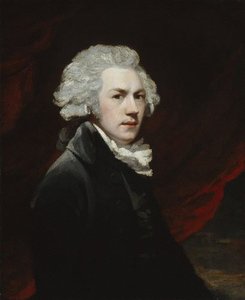
Sir Martin Archer Shee
1769 - 1850 , Ireland
Quick Facts
- Artistic Movement Or Style: Neoclassical
- Artists Who Influenced This Artist: ['Joshua Reynolds']
- Date Of Birth: 1769
- Date Of Death: 1850
- Full Name: Sir Martin Archer Shee
- Nationality: Irish
- Notable Artworks:
- Belisarius
- Mr. Storer
- Prospero and Miranda
- Place Of Birth: Dublin, Ireland
Related Articles
Sir Joshua Reynolds' Masterpieces: 25 Portraits of Power & Refinement | ArtsDot
Explore 25 captivating portraits by Sir Joshua Reynolds, a master of British art. Discover stories behind his iconic paintings, elegant style & historical influence. Find museum-quality reproductions and elevate your home decor on ArtsDot.com.

Sir Alfred Munnings' Masterpieces: 25 Paintings That Define Equine Art | ArtsDot
Explore 25 iconic Sir Alfred Munnings paintings! Discover the beauty of British Impressionism, equine art & rural England. Find museum-quality reproductions and elevate your home decor with ArtsDot. Explore the full collection online.
William Owen: A Poetic Vision of War & Landscape in British Modernism
Explore the poignant war poetry of Wilfred Owen, a key figure in British Modernism. Discover his innovative style, themes of loss & camaraderie, and lasting impact on 20th-century literature. Analysis & historical context included.
Sir George Clausen: Capturing Edwardian Life & British Impressionism's Nuances
Explore the luminous world of Sir George Clausen, a leading British Impressionist painter. Discover his captivating scenes of Edwardian life, rural England & poignant war art. Learn about his legacy and find high-quality reproductions at ArtsDot.
Sir Joshua Reynolds: Shaping British Art Through Grand Style & Societal Portraiture
Explore the life & work of Sir Joshua Reynolds, a master of British portraiture and founder of the Royal Academy. Discover his 'Grand Style,' techniques, and lasting influence on art history. Learn more at ArtsDot.