 Preview
 Send
Send Share
Share
 Details

 Download
 Similars
 X-Ray
X-Ray Diaporama
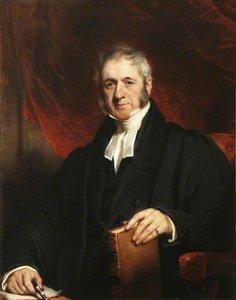
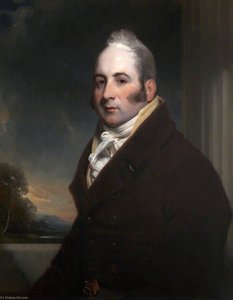
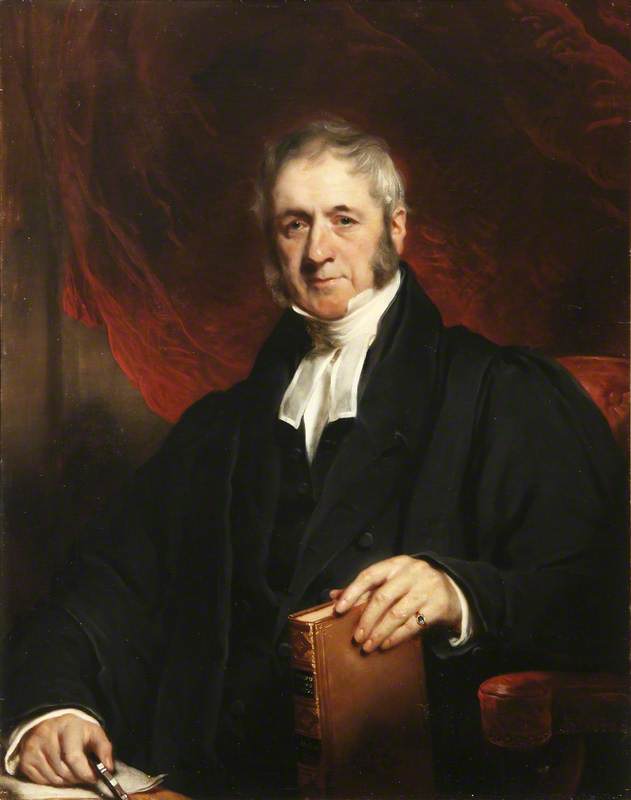
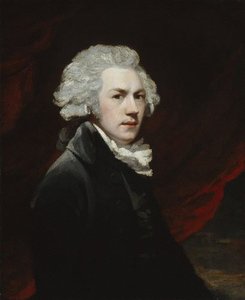
Charles Wightwick (c.1778–1861)
 Oil On Canvas
- WallArt
- Neoclassical
 91.0 x 71.0 cm
 Pembroke College
 Read More
Hand Made Oil Reproduction
Hand-painted oil on canvas in your size and frame, made to order by our artists. ( Buy Print Buy Image)




P118B $10

P118H $10

P118W $10

P438Z $10

P508JH $12

P508YH $12

P805H $10

P805Z $10

P919BZ $10

P919G $10

P919XJ $10

P959ZH $10

P968JZ $12

W106C $8

W218G $10

W218JH $8

W218Y $10

W307PJ $10

W316G $10

W316PJ $8

W316Y $10

W398PJ $8

W4111J $10

W500HY $15

W500JH $15

W692G $12

W849H $8

W940BG $15

W953PJ $8




Pick from our preset sizes that match the artwork's original proportions.

You may enter your own dimensions to fit a specific frame or space. If your selected size does not match the original image's proportions, we will either crop the artwork or extend the painting with additional hand-painted elements. A digital mockup will be sent for your approval before production begins.
Please note that the on-screen preview does not reflect the actual cropping or extension. Only the mockup will accurately show the final composition.
While custom sizes are available, we recommend selecting a dimension from the predefined list to preserve the original proportions.
After order, ArtsDot.com team will email client for instructions and provide a mockup preview
Worldwide Delivery () in 3/4 weeks instead of standard 5 weeks. (17 August). No compromise on quality.

Free Worldwide Express Shipping

High-Quality Linen Canvas

Full Shipping Insurance

Customs Tax Refund Guarantee

True Color Matching Guarantee

60-Day Return Policy (Defects Only)

100% Money-Back Guarantee

Bulk Discount Offer
 Glass option is only available in size under 110 CM

Charles Wightwick (c.1778–1861)
Reproduction Medium
Reproduction Size
-


Total Price
$ 263
Artwork Description
A Portrait of Refinement: Charles Wightwick by Martin Archer Shee
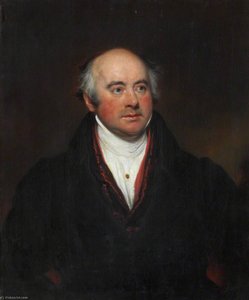
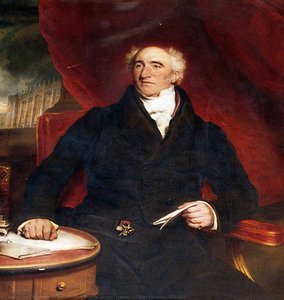
Martin Archer Shee’s “Charles Wightwick (c.1778–1861)” is more than simply a likeness; it's a carefully constructed tableau of Georgian elegance and quiet intellectualism, offering a captivating glimpse into the social fabric of early 19th-century Britain. Painted around 1800, this portrait exemplifies Shee’s signature neoclassical style – characterized by its refined modeling, subtle tonal shifts, and an almost palpable sense of dignified composure. The subject himself, Charles Wightwick, is presented with a measured restraint that speaks volumes about the era's emphasis on decorum and social standing.
The composition immediately draws the eye to Wightwick’s posture – seated in a comfortable chair, his hands clasped together in a gesture of thoughtful contemplation. His attire, meticulously rendered with rich fabrics and subtle details like the lace cravat and velvet waistcoat, speaks volumes about his wealth and status. The muted palette—dominated by deep browns, creams, and hints of crimson from the draped curtains – creates an atmosphere of understated luxury and quiet sophistication. Shee masterfully employs chiaroscuro, using light and shadow to sculpt Wightwick’s form and imbue the scene with a sense of depth and realism.
The Painter's Hand: Technique and Style
Shee’s technical prowess is evident in every brushstroke. He demonstrates an exceptional ability to capture texture – from the smooth sheen of Wightwick’s coat to the delicate folds of the drapery. The artist’s attention to detail extends beyond mere representation; he subtly conveys Wightwick's personality through his gaze, a hint of melancholy and quiet self-awareness that transcends the formality of the pose. The use of oil paint allows for layering and blending, creating a luminous quality that is particularly noticeable in the highlights on Wightwick’s face and hands.
Notably, Shee's style aligns with the Neoclassical movement, which sought to revive the artistic principles of ancient Greece and Rome. This influence is reflected in the portrait’s balanced composition, idealized forms, and emphasis on moral virtue – qualities highly valued during the period. The background, featuring a rich red curtain, adds a touch of theatricality while simultaneously grounding the scene within a domestic setting.
A Window into an Era: Historical Context
To fully appreciate “Charles Wightwick,” it’s essential to consider the historical context in which it was created. The early 19th century was a time of significant social and political change, marked by the rise of the British Empire and the burgeoning middle class. Portraits like this one served as important markers of status and identity, documenting an individual's position within society. The subject’s attire and demeanor reflect the values and expectations of the era – emphasizing respectability, restraint, and intellectual pursuits.
Martin Archer Shee himself was a pivotal figure in British art during this period. He wasn’t merely a portrait painter; he was also an administrator at the Royal Academy, actively shaping the artistic landscape of London. His career spanned several decades, encompassing both painting and administrative roles, reflecting his diverse talents and ambitions.
Symbolism and Emotional Resonance
Beyond its technical merits, “Charles Wightwick” resonates with a subtle emotional depth. The subject’s contemplative gaze invites viewers to contemplate his inner world – perhaps reflecting on the responsibilities of his station or the quiet pleasures of intellectual engagement. The book resting in the foreground subtly suggests a thirst for knowledge and a commitment to learning—a hallmark of the era's educated elite.
This portrait is not simply a representation of a man; it’s an invitation to step back in time and witness a moment of quiet dignity within a world of social formality. It remains a testament to Shee’s skill as a painter and his ability to capture the essence of human character with remarkable subtlety and grace.
Related Artworks

Artist Biography
A Dubliner’s Ascent: The Life and Art of Sir Martin Archer Shee
Born in the vibrant city of Dublin on December 23rd, 1769, Sir Martin Archer Shee emerged as a pivotal figure in 19th-century British art. His journey was not simply that of a talented portraitist, but also of an administrator dedicated to shaping the artistic landscape of his time. Initially met with familial disapproval – his merchant father deemed painting an unsuitable profession for a man of their standing – young Martin’s passion proved unyielding. He began his studies at the Royal Dublin Society, laying the foundation for a career that would ultimately lead him to the heart of London's art world and the presidency of the Royal Academy. A crucial introduction by Edmund Burke in 1788 to Joshua Reynolds opened doors to the Royal Academy Schools, marking a turning point in Shee’s artistic development. Early works like “Head of an Old Man” and “Portrait of a Gentleman,” exhibited in 1789, signaled the arrival of a promising new talent, one poised to capture the essence of his era through brush and canvas.The Brush and the Bureau: A Dual Path to Prominence
Shee’s career blossomed steadily throughout the late 18th and early 19th centuries. He quickly established himself as a sought-after portraitist, skillfully capturing the likenesses of prominent figures with an elegance and sensitivity that resonated deeply with his clientele. In 1798 he was elected an associate of the Royal Academy, a testament to his growing reputation, followed by full membership just two years later in 1800 – a remarkable ascent for an artist of his age. However, Shee’s ambitions extended beyond the purely artistic realm. He possessed a keen interest in the administration of the art world, believing that artists had a responsibility not only to create but also to shape the future of their discipline. This dedication culminated in his election as President of the Royal Academy in 1830, succeeding Sir Thomas Lawrence. For over two decades, he served as a powerful advocate for artists and a staunch defender of academic standards, guiding the institution through a period of significant change and ensuring its continued vitality. His presidency was characterized by stability and a commitment to fostering artistic excellence within Britain.A Neoclassical Vision: Style and Subject Matter
While celebrated primarily as a portraitist, Shee’s *oeuvre* extended beyond capturing individual likenesses. He ventured into historical and literary subjects, demonstrating versatility and intellectual depth. Among his most renowned works are “Belisarius” (1826), a powerful depiction of the exiled Roman general that speaks to themes of injustice and resilience; portraits of Queen Victoria and King George IV – testaments to his status as a royal painter; and paintings inspired by classical literature, revealing a deep engagement with the intellectual currents of his time. His style is characterized by a refined neoclassical sensibility, influenced by Reynolds and other masters of the era. Shee’s portraits are notable for their meticulous detail, subtle modeling, and psychological insight. He possessed an ability to convey not just physical resemblance but also something of the sitter's character and inner life. His paintings weren’t merely representations; they were interpretations, imbued with a sense of dignity and grace.Legacy and Lasting Influence
Sir Martin Archer Shee passed away on August 13th, 1850, in Brighton, leaving behind a legacy as both an accomplished artist and a dedicated administrator. He was buried in the western extension of St Nicholas’ Churchyard, though his headstone has since been moved to the perimeter of the site. His personal life was marked by a happy marriage to Mary Power, with whom he had six children – three sons who became successful barristers and three daughters. Interestingly, his descendant George Archer-Shee inspired Terence Rattigan's poignant play, “The Winslow Boy,” adding another layer to the family’s historical significance. Shee’s influence extended beyond his direct artistic output; as President of the Royal Academy, he played a crucial role in shaping the direction of British art during a period of significant change. He championed academic training while also acknowledging the importance of innovation and experimentation. His commitment to both tradition and progress helped to ensure the continued vitality of the British art scene. Today, his works are held in prestigious collections such as the Royal Academy of Arts, offering enduring glimpses into a bygone era and celebrating the talent of a remarkable artist who dedicated his life to the pursuit of beauty and the advancement of art.Further Exploration
- Explore more works by Sir Martin Archer Shee at: https://ArtsDot.com/@/sir-martin-archer-shee
- Discover the Royal Academy of Arts collection at: /en/art/show/art-d3cf6h-en/
- Learn more about Shee’s life and works on Wikipedia: https://en.wikipedia.org/wiki/martin_archer_shee
Sir Martin Archer Shee
1769 - 1850 , Ireland
Quick Facts
- Artistic Movement Or Style: Neoclassical
- Artists Who Influenced This Artist: ['Joshua Reynolds']
- Date Of Birth: 1769
- Date Of Death: 1850
- Full Name: Sir Martin Archer Shee
- Nationality: Irish
- Notable Artworks:
- Belisarius
- Mr. Storer
- Prospero and Miranda
- Place Of Birth: Dublin, Ireland
Related Articles
Charles Martin Hardie: A Pioneer of Colour Woodcut & British Printmaking Revival
Discover Charles Martin Hardie (1858-1916), a pivotal Scottish artist renowned for his evocative portraits and pioneering colour woodcut technique. Explore his life, work, and lasting influence on British printmaking.
British Museum Masterpieces: Explore 25 Iconic Artworks & Decor Inspiration
Journey through 25 iconic artworks at the British Museum, London! Explore masterpieces from Egyptian sculptures to Renaissance paintings & uncover their stories. Find museum-quality art reproductions and curated decor ideas on ArtsDot.com.
Charles Robert Leslie: Navigating Romantic Ideals & Academic Tradition
Explore the life & art of Charles Robert Leslie, a key figure bridging Romantic ideals with Victorian academic tradition. Discover his captivating portraits, literary scenes, and enduring legacy as Constable’s biographer.
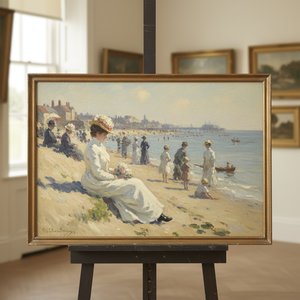
Philip Wilson Steer: Capturing Modern Life & British Impressionism's Essence
Explore the life & art of Philip Wilson Steer, a leading British Impressionist painter. Discover his coastal scenes, influences, and legacy. Expert analysis & high-quality reproductions at ArtsDot.
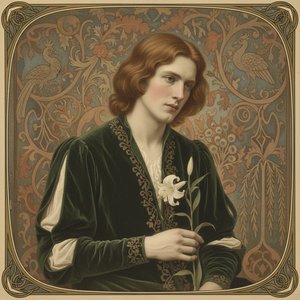
Charles Haslewood Shannon: A Study in Aestheticism, Symbolism & Fin-de-Siècle Portraiture
Explore the captivating portraits of Charles Haslewood Shannon, a leading figure of Aestheticism & Symbolism. Discover his classic style, influences, and lasting legacy in British art. View artworks & learn more.