 Preview
 Send
Send Share
Share
 Details

 Download
 Similars
 X-Ray
X-Ray Diaporama
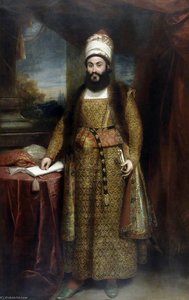
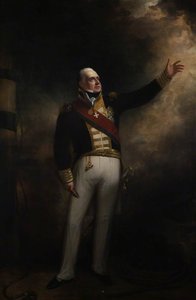
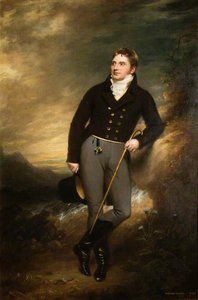
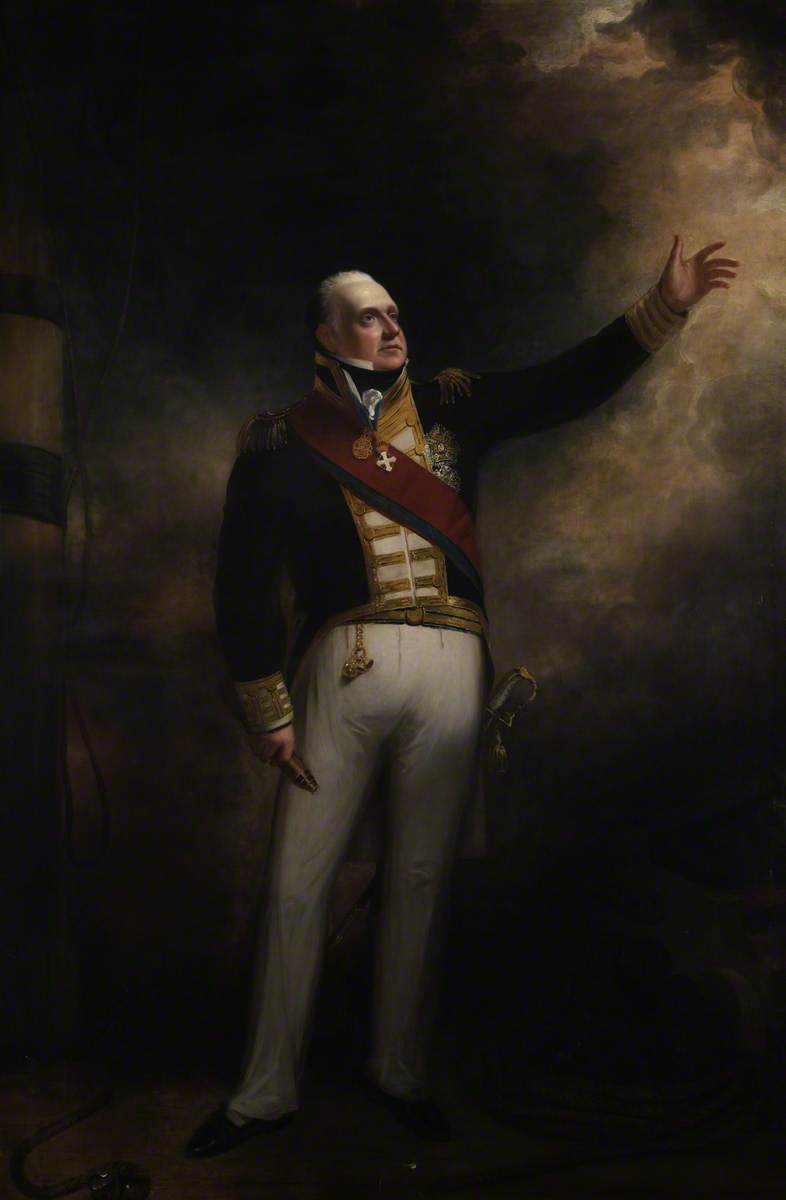
Admiral Edward Pellew (1757–1833), 1st Viscount Exmouth
 Acrylic On Canvas
- WallArt
- Neoclassical Portraiture
 1817
1817 272.0 x 180.0 cm
 British Library
 Read More
Hand Made Oil Reproduction
Hand-painted oil on canvas in your size and frame, made to order by our artists. ( Buy Print Buy Image)




P118B $10

P118H $10

P118W $10

P438Z $10

P508JH $12

P508YH $12

P805H $10

P805Z $10

P919BZ $10

P919G $10

P919XJ $10

P959ZH $10

P968JZ $12

W106C $8

W218G $10

W218JH $8

W218Y $10

W307PJ $10

W316G $10

W316PJ $8

W316Y $10

W398PJ $8

W4111J $10

W500HY $15

W500JH $15

W692G $12

W849H $8

W940BG $15

W953PJ $8




Pick from our preset sizes that match the artwork's original proportions.

You may enter your own dimensions to fit a specific frame or space. If your selected size does not match the original image's proportions, we will either crop the artwork or extend the painting with additional hand-painted elements. A digital mockup will be sent for your approval before production begins.
Please note that the on-screen preview does not reflect the actual cropping or extension. Only the mockup will accurately show the final composition.
While custom sizes are available, we recommend selecting a dimension from the predefined list to preserve the original proportions.
After order, ArtsDot.com team will email client for instructions and provide a mockup preview
Worldwide Delivery () in 3/4 weeks instead of standard 5 weeks. (16 August). No compromise on quality.

Free Worldwide Express Shipping

High-Quality Linen Canvas

Full Shipping Insurance

Customs Tax Refund Guarantee

True Color Matching Guarantee

60-Day Return Policy (Defects Only)

100% Money-Back Guarantee

Bulk Discount Offer
 Glass option is only available in size under 110 CM

Admiral Edward Pellew (1757–1833), 1st Viscount Exmouth
Reproduction Medium
Reproduction Size
-


Total Price
$ 263
Artwork Description
A Portrait of Command: William Beechey’s Vision of a Sea Hero
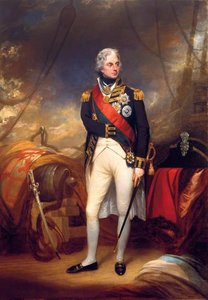
William Beechey's captivating portrait of Admiral Edward Pellew, painted in 1817, transcends the simple depiction of a naval officer. It is a meticulously crafted tableau vivant—a moment frozen in time that speaks volumes about the man, his achievements, and the era’s fascination with military prowess and aristocratic grandeur. The painting isn't merely a likeness; it’s an embodiment of Pellew’s character: resolute, commanding, yet subtly hinting at the complexities beneath the surface of a celebrated figure.
Beechey, a prominent portraitist of his time, expertly employed the conventions of the British Royal Academy style. The composition is classically balanced, with Pellew positioned centrally against a dark, almost theatrical backdrop—a deliberate choice that draws all attention to the subject and emphasizes his importance. His posture exudes authority; he stands tall, hand raised as if issuing orders or gesturing towards an unseen horizon. The meticulous rendering of his uniform – the rich fabrics, the gleaming buttons, the intricate sash – speaks to both his rank and the wealth associated with naval command. The inclusion of two figures in the background—a man on the left and a figure further back on the right—adds a layer of narrative intrigue, suggesting a scene unfolding beyond the immediate portrait, perhaps a moment of strategic planning or a celebratory gathering following a successful campaign.
The Admiral’s Legacy: A Figure Forged in Battle
Edward Pellew was no ordinary admiral; he was a legend. Born into Cornish gentry, his early life was marked by tragedy and a restless spirit. He entered the Royal Navy at just fourteen, quickly demonstrating a remarkable aptitude for leadership and bravery. His most famous exploit occurred during the Second Barbary War in 1815 when, leading a small British force, he decisively defeated Algiers, liberating over three thousand Christian slaves held captive by the Dey of Algiers. This daring action cemented his reputation as a formidable commander and earned him the title “The Lion of Algiers.”
The painting itself reflects this heroic narrative. The dark background subtly alludes to the tumultuous events surrounding Pellew’s campaign in North Africa – the smoke, the flames—a visual echo of the battles fought and won. The inclusion of a ship's rigging and cannon further reinforces his maritime identity and underscores his role as a protector of British interests and freedom.
A Masterful Execution: Beechey’s Technique
Beechey was renowned for his ability to capture the likenesses of his subjects with remarkable accuracy and detail. This portrait is a testament to his skill, showcasing his mastery of light and shadow, as well as his meticulous attention to texture and fabric. The use of mezzotint—a printmaking technique that produces rich tonal variations—allows Beechey to create a remarkably nuanced image, capturing the subtle nuances of Pellew’s expression and the sheen of his uniform. The painting's overall effect is one of quiet dignity and understated power.
Symbolism and Emotional Resonance
Beyond its technical brilliance, the portrait holds deeper symbolic meaning. Pellew’s raised hand, a gesture both commanding and slightly vulnerable, suggests a man burdened by responsibility yet unwavering in his resolve. The overall composition evokes a sense of timelessness—a portrait not just of a specific individual but of an era defined by naval power, imperial ambition, and the romantic ideal of the heroic explorer. Reproductions of this iconic image offer a window into the past, inviting viewers to contemplate the life and legacy of a remarkable man who left an indelible mark on British history.
Related Artworks
Artist Biography
Early Life and Artistic Beginnings
Sir William Beechey, born December 12, 1753, in the quaint Oxfordshire town of Burford, embarked on a life that would see him become a prominent figure in British portraiture. His early years were marked by tragedy; both his parents passed away while he was still young, leaving his upbringing to the care of his uncle, Samuel Beechey, a solicitor. Initially destined for a legal career, young William’s heart lay elsewhere—in the captivating world of art. Despite his uncle's aspirations, Beechey gravitated towards painting, an inclination that ultimately led him to London and admission into the Royal Academy Schools in 1772. This marked a pivotal moment, placing him within the orbit of established artists and setting the stage for his artistic development. His early training likely benefited from the guidance of Johan Zoffany, though concrete evidence remains elusive, shaping his initial style towards small-scale full-length portraits and intimate conversation pieces reminiscent of Zoffany’s own work.A Rising Star: Norwich and London
Beechey's artistic journey took him to Norwich in 1782, where he established a foothold as a portraitist among the region’s gentry. He secured commissions for portraits of prominent figures like John Wodehouse, and notably contributed four works to the collection of civic portraits at St Andrew’s Hall—a testament to his growing reputation. However, London beckoned, and in 1787 he returned to the capital, determined to make his mark on a larger stage. The late 1780s saw Beechey steadily gaining recognition, exhibiting works that showcased his developing skill and refined technique. A turning point arrived with his portrait of John Douglas, Bishop of Carlisle, exhibited in 1789—a work that garnered considerable attention and solidified his position within the London art scene. He skillfully navigated the conventions of the time, drawing inspiration from masters like Joshua Reynolds while forging a style uniquely his own.Royal Patronage and National Recognition
The year 1793 proved transformative for Beechey. Through a fortunate turn of events—a disgruntled sitter bringing his portrait to the attention of King George III and Queen Charlotte—Beechey found himself appointed as Queen Charlotte’s official portrait painter. This royal endorsement catapulted him into the upper echelons of artistic society, opening doors to a stream of prestigious commissions. He was elected an associate member of the Royal Academy that same year, further cementing his status. The following year brought even greater acclaim; in 1798, he painted *George III and the Prince of Wales Reviewing Troops*, a large-scale composition that earned him a knighthood and full membership to the Royal Academy. Though tragically lost in the 1992 Windsor Castle fire, this work exemplified Beechey’s ability to handle grand historical scenes alongside his more intimate portraiture. His success during this period was not merely artistic; it was deeply intertwined with the social and political landscape of Britain, reflecting a growing national pride and a flourishing aristocratic culture.Style, Legacy, and Lasting Influence
Beechey’s style is characterized by its refined elegance, subtle coloring, and meticulous attention to detail. He favored neoclassical compositions, often depicting his sitters in graceful poses reminiscent of classical sculpture. While not a radical innovator like some of his contemporaries—such as Thomas Lawrence—his consistent quality and ability to capture the likeness and character of his subjects earned him widespread acclaim. His portraits possess a dignified restraint, avoiding excessive drama or flamboyant flourishes. This approach appealed particularly to the royal family and the upper classes, who valued decorum and understated elegance. Despite some criticism leveled by Samuel Redgrave in 1890—who found Beechey’s work lacking in grace and his drapery somewhat clumsy—Beechey maintained a respectable position among British portraitists. His works continue to be celebrated for their technical skill and insightful portrayals of prominent figures from the late 18th and early 19th centuries, including Lord Nelson, John Kemble, and Sarah Siddons. His legacy endures not only through his paintings but also as a testament to the enduring power of portraiture in capturing the spirit of an era.Family and Further Contributions
Beechey’s personal life was marked by both joy and sorrow. He married Mary Ann Jones in 1778, and following her death, he wed Anne Phyllis Jessop, a successful miniature painter, in 1793. Through these unions, he fathered several children who also pursued artistic careers. His sons, Henry William Beechey—a painter and explorer—and Frederick William Beechey—a naval officer, geographer, and writer—carried on the family tradition of creative endeavor. Beechey’s influence extended beyond his own paintings; he was known for his generosity towards aspiring artists, particularly John Constable, whom he mentored. He retired to Hampstead in 1836, where he passed away in 1839, leaving behind a rich artistic legacy that continues to captivate and inspire. His contributions to British art remain significant, offering valuable insights into the lives and times of those who shaped the nation’s history.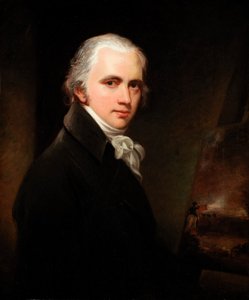
Sir William Beechey
1753 - 1839 , United Kingdom
Quick Facts
- Artistic Movement Or Style: Portraiture, Neoclassical
- Artists Who Influenced This Artist:
- Johan Zoffany
- Joshua Reynolds
- Date Of Birth: December 12, 1753
- Date Of Death: January 28, 1839
- Full Name: Sir William Beechey
- Nationality: British
- Notable Artworks:
- Duchess of York Portrait
- George III Reviewing Troops
- Place Of Birth: Burford, UK
Related Articles
Edward Hopper's Masterpieces: 25 Iconic Paintings & Their Enduring Legacy | ArtsDot
Explore 25 iconic Edward Hopper paintings & their stories. Discover American realism, urban loneliness, and timeless beauty through his masterpieces. Find museum-quality art reproductions & curated decor ideas at ArtsDot.com.
Sir William Beechey: Portraiture, Patronage & Shaping Georgian Society
Explore the life & art of Sir William Beechey, a leading British portraitist of the Georgian era. Discover his royal commissions, aristocratic subjects, and lasting influence on 18th-century painting. Learn more at ArtsDot.
Arthur William Devis: A Provincial Eye on Georgian Life & Naval History
Explore the life & work of Arthur William Devis (1762-1822), a key figure in Georgian portraiture and naval history painting. Discover his intimate 'conversation pieces' and captivating depictions of colonial India. Learn more at ArtsDot.
Penry Williams: Evoking Welsh Nostalgia Through Impressionistic Landscapes
Explore the captivating world of Penry Williams (1802-1885), a Welsh artist renowned for his evocative Impressionistic landscapes and scenes of Italy. Discover his life, style & legacy with ArtsDot.
Christopher Williams: Deconstructing Representation & Materiality in Contemporary Art
Explore the groundbreaking work of Christopher Williams, a pivotal figure in contemporary art. This analysis delves into his deconstruction of representation, materiality, and institutional critique – essential reading for serious collectors.