 Preview
 Send
Send Share
Share
 Details

 Download
 Similars
 X-Ray
X-Ray Diaporama
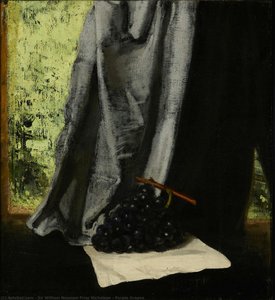
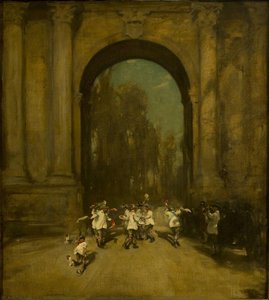
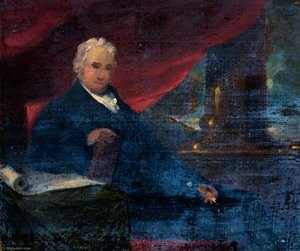
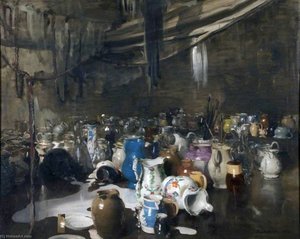
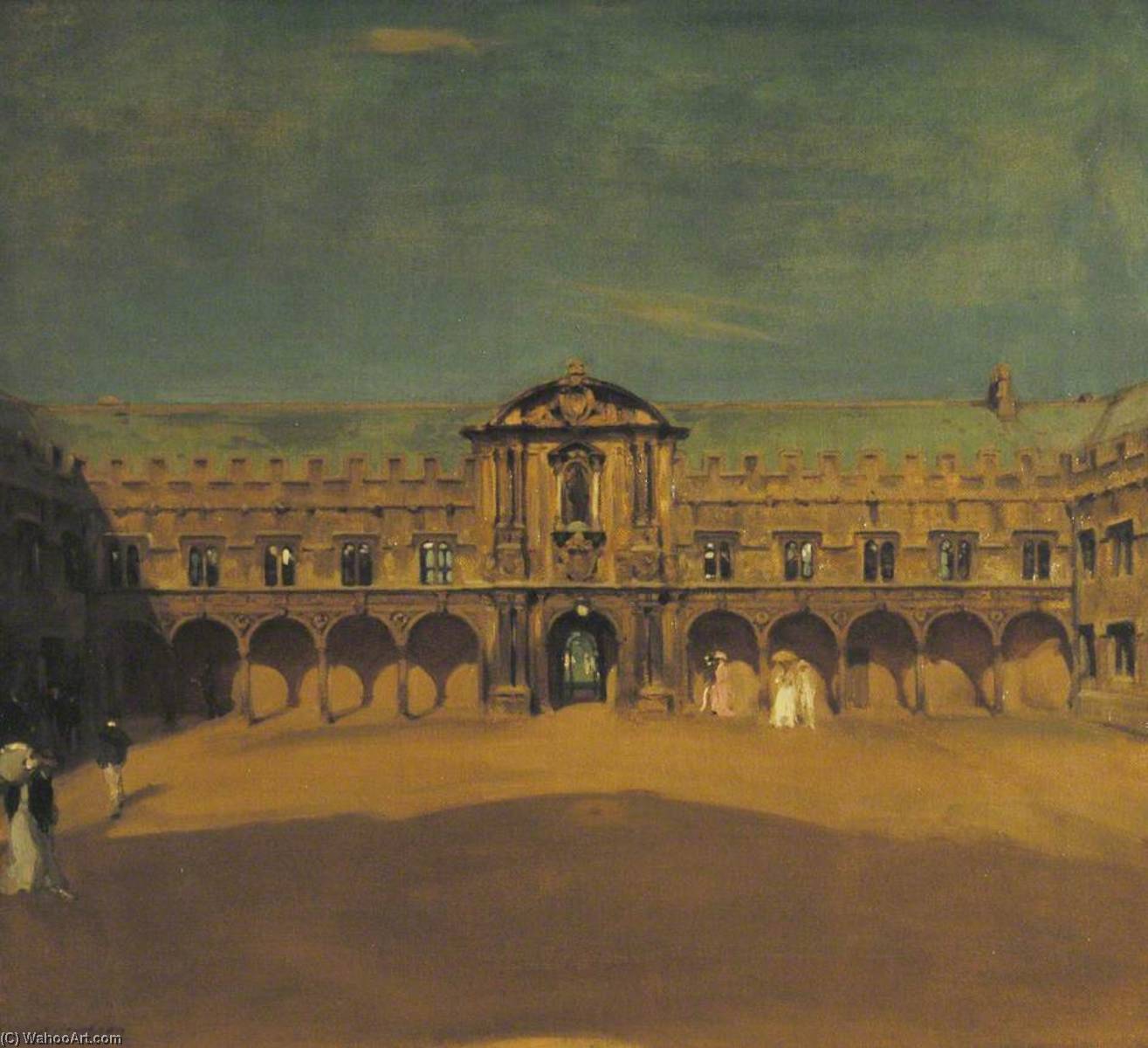
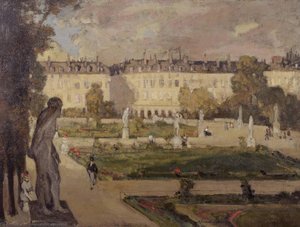
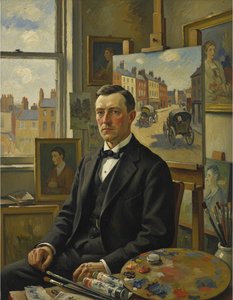
A Quad (c.1900)
 Oil On Canvas
- WallArt
 1900
1900- 19th Century
 52.0 x 57.0 cm
 st John's College
 Read More
Hand Made Oil Reproduction
Hand-painted oil on canvas in your size and frame, made to order by our artists. ( Buy Print Buy Image)




P118B $10

P118H $10

P118W $10

P438Z $10

P508JH $12

P508YH $12

P805H $10

P805Z $10

P919BZ $10

P919G $10

P919XJ $10

P959ZH $10

P968JZ $12

W106C $8

W218G $10

W218JH $8

W218Y $10

W307PJ $10

W316G $10

W316PJ $8

W316Y $10

W398PJ $8

W4111J $10

W500HY $15

W500JH $15

W692G $12

W849H $8

W940BG $15

W953PJ $8




Pick from our preset sizes that match the artwork's original proportions.

You may enter your own dimensions to fit a specific frame or space. If your selected size does not match the original image's proportions, we will either crop the artwork or extend the painting with additional hand-painted elements. A digital mockup will be sent for your approval before production begins.
Please note that the on-screen preview does not reflect the actual cropping or extension. Only the mockup will accurately show the final composition.
While custom sizes are available, we recommend selecting a dimension from the predefined list to preserve the original proportions.
After order, ArtsDot.com team will email client for instructions and provide a mockup preview
Worldwide Delivery () in 3/4 weeks instead of standard 5 weeks. (17 August). No compromise on quality.

Free Worldwide Express Shipping

High-Quality Linen Canvas

Full Shipping Insurance

Customs Tax Refund Guarantee

True Color Matching Guarantee

60-Day Return Policy (Defects Only)

100% Money-Back Guarantee

Bulk Discount Offer
 Glass option is only available in size under 110 CM

A Quad (c.1900)
Reproduction Medium
Reproduction Size
-


Total Price
$ 263
Artwork Description
A Quad (c.1900): A Monumental Vision of British Landscape
Sir William Nicholson’s “A Quad” stands as an arresting testament to the burgeoning landscape movement of early 20th century Britain, capturing a dramatic vista of Dartmoor National Park with breathtaking precision and emotional resonance. Painted around 1900, this monumental canvas exemplifies Nicholson's masterful command of Impressionistic principles blended seamlessly with Symbolist influences—a stylistic fusion that distinguishes it from its contemporaries.
The painting depicts a vast expanse of moorland under a turbulent sky ablaze with hues of crimson and ochre. Nicholson skillfully employs loose brushstrokes to convey the dynamism of the weather, mirroring the rugged beauty of Dartmoor’s terrain. Foreground elements—rolling hillsides dotted with heather—are rendered in muted tones, creating depth and perspective that draws the viewer into the scene. However, it is the sky itself – dominated by swirling clouds – which commands attention, conveying a palpable sense of atmospheric drama.
- Style: Impressionistic Landscape
- Technique: Oil on Canvas; Impasto Texture
- Historical Context: Dartmoor landscape painting gained prominence during the Aesthetic Movement, reflecting a fascination with untamed nature and Romantic ideals.
Beyond its aesthetic merits, “A Quad” resonates with deeper symbolic significance. Nicholson’s deliberate use of color—particularly the fiery reds—suggests passion and energy, mirroring the primal forces shaping Dartmoor's environment. The composition itself emphasizes grandeur and solitude, inviting contemplation on humanity’s relationship with the natural world. It speaks to a yearning for escape from urban pressures and an appreciation for the sublime beauty found in untouched wilderness.
Nicholson’s artistic partnership with Mabel Pryde profoundly shaped his creative vision. Together they established the Pryde Studio, fostering innovation and experimentation within British art circles. This collaborative spirit is evident in “A Quad,” where Nicholson's meticulous observation of Dartmoor combined with Pryde’s encouragement to push boundaries resulted in a truly unforgettable artwork.
About Sir William Nicholson
Born in Newark-on-Trent in 1872, Sir William Nicholson (1872–1949) was a British painter whose career spanned diverse mediums and styles. His father, an engineer and Conservative MP, instilled discipline alongside an appreciation for artistic pursuits—a duality that profoundly influenced his artistic development.
Early training under Hubert von Herkomer honed Nicholson’s technical skills while introducing him to Mabel Pryde, whom he married and with whom he formed a lifelong creative partnership. This collaboration propelled them to establish the Pryde Studio, nurturing innovation and fostering dialogue within British art.
Nicholson's artistic output encompassed portraits, landscapes, woodcuts, and decorative murals—each reflecting his unwavering commitment to exploring themes of emotion, memory, and human experience. His enduring legacy resides in his ability to capture the essence of his subjects with remarkable sensitivity and stylistic brilliance.
Connections to Other Artists
Nicholson’s artistic trajectory intersected with that of fellow British painters who championed landscape painting during the Aesthetic Movement. Notably, John Kyffin Williams—a Welsh artist celebrated for capturing Dartmoor's ethereal beauty—shared Nicholson’s fascination with portraying untamed landscapes using bold impasto technique.
Furthermore, Frank Brangwyn’s monumental murals and dramatic depictions of exotic locales mirrored Nicholson’s ambition to convey grandeur and emotional intensity. These artists collectively contributed to shaping the artistic landscape of their time, reflecting a shared desire to engage viewers on both an aesthetic and intellectual level.
Further Exploration
The Sir William Dunn School of Pathology—a pioneering institution dedicated to immunology research—represents a contrasting facet of Nicholson’s cultural milieu. Founded in Oxford, it exemplifies the scientific advancements that underpinned Victorian society and fostered dialogue between art and science.
Similarly, “A Quad” embodies the spirit of artistic experimentation championed by figures like Sir William Blake Richmond—a Pre-Raphaelite painter who sought to infuse his canvases with symbolic meaning. These artists’ endeavors underscore the multifaceted nature of British culture during the Edwardian era.
Related Artworks
Artist Biography
Early Life and Artistic Beginnings
Sir William Newzam Prior Nicholson, born in Newark-on-Trent in 1872, emerged from a background that blended industrial pragmatism with artistic sensibility. His father, a successful engineer and Conservative MP, instilled a sense of discipline, while his mother’s lineage connected him to the aesthetic traditions of Oxfordshire. From a young age, Nicholson displayed an aptitude for art, nurtured by lessons from William Cubley, a local painter who himself traced his artistic roots back to Sir Joshua Reynolds. This early exposure laid the foundation for a career that would span diverse mediums and styles. A brief stint at Hubert von Herkomer’s art school proved pivotal, not only for honing his skills but also for introducing him to Mabel Pryde, who would become his wife and an essential collaborator in his burgeoning artistic journey. It was through Mabel that he met her brother, James Pryde, a partnership that would soon revolutionize the world of graphic design.The Beggarstaffs and a Revolution in Poster Art
The collaboration between William Nicholson and James Pryde, known as “J. & W. Beggarstaff,” marked a turning point in British visual culture. Rejecting the prevailing ornate aesthetic of Victorian posters, they embraced a bold simplicity characterized by striking silhouettes, flat planes of color, and a deliberate rejection of traditional perspective. Their designs weren’t merely advertisements; they were statements—powerful, graphic compositions that captured the public's imagination. Posters for productions like Don Quixote and publications such as Harper’s Magazine became instantly recognizable, influencing a generation of artists and designers. This period wasn’t simply about commercial art; it was about redefining visual communication itself. The Beggarstaffs’ work challenged conventions, paving the way for modern graphic design and establishing Nicholson's reputation as an innovator. Their impact resonated far beyond the realm of posters, influencing illustration and even painting with its emphasis on strong form and deliberate composition.From Woodcuts to Portraits: A Developing Style
Following the dissolution of the Beggarstaff partnership, Nicholson embarked on a period of stylistic exploration. He turned his attention to woodcut and wood-engraving, techniques that allowed him to further refine his mastery of line and form. Encouraged by the influential James McNeill Whistler, he embraced these methods, producing intricate and evocative prints that showcased his growing artistic maturity. These works demonstrated a remarkable ability to capture essence with minimal detail, a quality that would become a hallmark of his style. Simultaneously, Nicholson began to establish himself as a portrait painter, receiving commissions from prominent figures of the era. His portraits weren’t merely likenesses; they were insightful studies of character, revealing the inner lives of his subjects through subtle nuances of expression and pose. Works like *Lady in Furs, Mme. P.* exemplify this skill, capturing not just physical appearance but also a sense of personality and social standing.Still Life, Landscape, and Lasting Legacy
In the later stages of his career, Nicholson increasingly focused on still life and landscape painting. His still lifes, such as *The Lowestoft Bowl*, are celebrated for their exquisite attention to detail, harmonious color palettes, and a quiet sense of intimacy. He imbued everyday objects with a poetic quality, elevating them beyond mere representation to become symbols of beauty and contemplation. His landscapes, often depicting scenes from his travels in Spain and Italy, reveal a sensitivity to light and atmosphere, capturing the essence of place with remarkable skill. Throughout his life, Nicholson remained a versatile artist, constantly experimenting with new techniques and approaches. He authored children’s books, designed for the theatre, and continued to produce prints alongside his paintings. Sir William Nicholson's influence extends beyond his own prolific output; he inspired generations of artists with his commitment to craftsmanship, his innovative spirit, and his ability to find beauty in the ordinary. His work remains a testament to the power of art to illuminate the human experience and transform our perception of the world around us. He died in 1949, leaving behind a rich artistic legacy that continues to captivate and inspire today.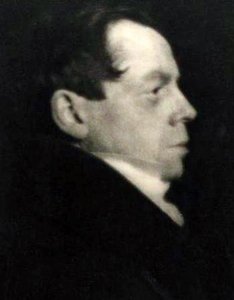
Sir William Nicholson
1872 - 1949 , United Kingdom
Quick Facts
- Artistic Movement Or Style: Still life, portraiture
- Artists Who Influenced This Artist:
- James Pryde
- Whistler
- Date Of Birth: February 5, 1872
- Date Of Death: May 16, 1949
- Full Name: Sir William Newzam Prior Nicholson
- Nationality: British
- Notable Artworks:
- Lady in Furs
- The Lowestoft Bowl
- Plaza de toros, Malaga
- Place Of Birth: Newark, United Kingdom
Related Articles
Sir William Nicholson: A Study in Post-Impressionist Portraiture & Decorative Modernism
Explore the life & work of Sir William Nicholson, a pivotal British Post-Impressionist painter. Discover his striking portraits, innovative woodcuts, and lasting influence on early 20th-century art. Expert insights for collectors.

Cézanne's Masterpieces: 25 Iconic Artworks to Transform Your Space
Journey through 25 iconic artworks by Paul Cézanne – a master of Impressionism and Post-Impressionism. Explore his landscapes, still lifes, and the stories behind these timeless masterpieces. Discover museum-quality reproductions & curated decor at ArtsDot.com.

Beyond the Horizon: 10 Landscape Masterpieces for Your Home Decor
Journey through 10 breathtaking landscape paintings by Monet, Van Gogh & more! Explore iconic artworks, artistic techniques & find inspiration for your home decor. Museum-quality reproductions at ArtsDot.com. Discover all masterpieces on ArtsDot.com
Robert Bevan: Pioneering British Post-Impressionism & the Camden Town Group's Intimate Vision
Explore the life & work of Robert Bevan, a pioneer of British Post-Impressionism and founding member of the Camden Town Group. Discover his vibrant landscapes and lasting impact on early 20th-century art.

Evocations of Place: A Historical Journey Through Landscape Art
Explore the rich history of landscape art with ArtsDot. Discover renowned artists, movements like Impressionism & tonalism, and expert guidance for collecting timeless pieces. Find your perfect serene escape today!