

 Preview
 Send
Send Share
Share
 Details

 Download
 Similars
 X-Ray
X-Ray Diaporama
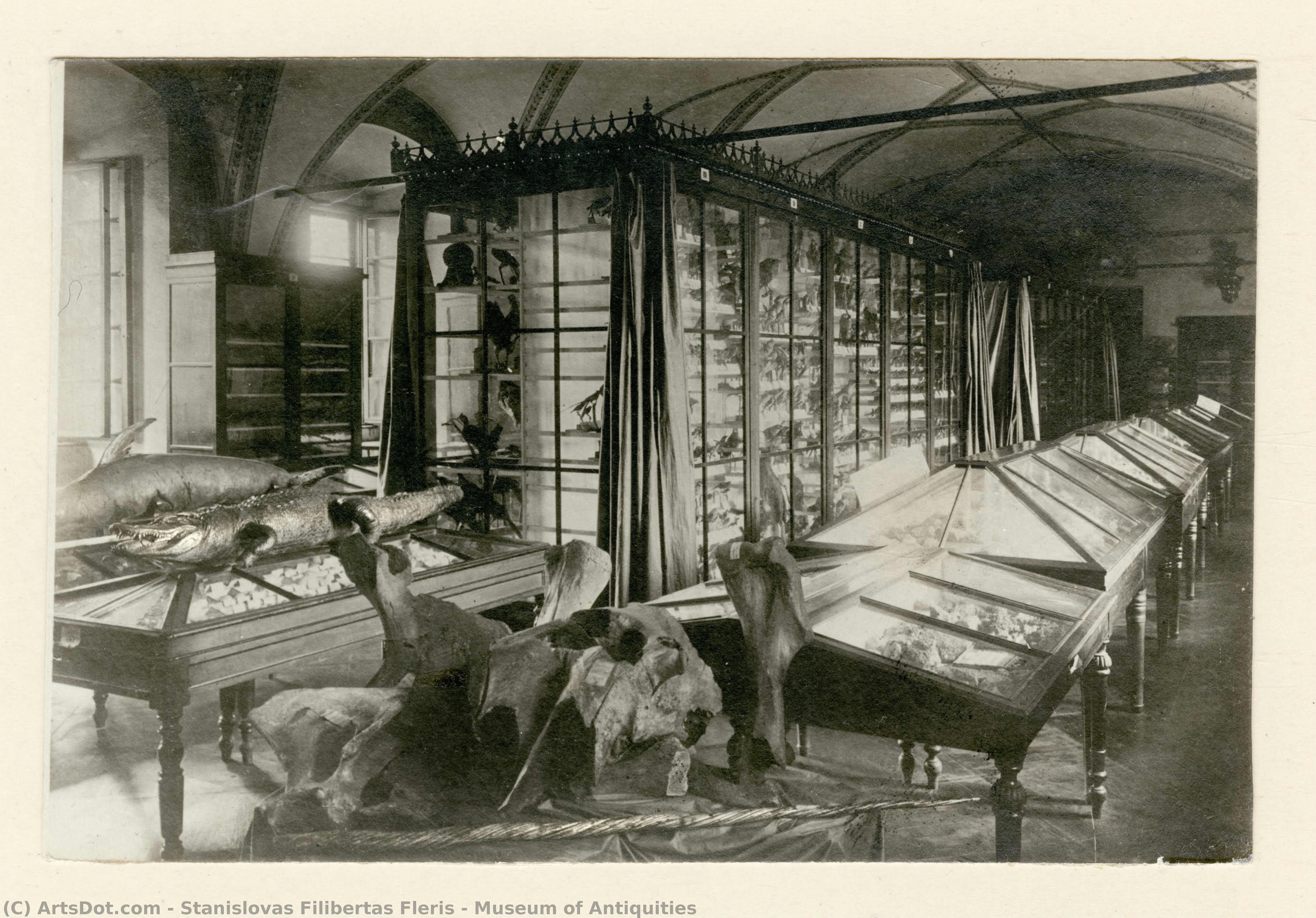
Museum of Antiquities


 Read More
Hand Made Oil Reproduction
Hand-painted oil on canvas in your size and frame, made to order by our artists. ( Buy Print Buy Image)




































Pick from our preset sizes that match the artwork's original proportions.

You may enter your own dimensions to fit a specific frame or space. If your selected size does not match the original image's proportions, we will either crop the artwork or extend the painting with additional hand-painted elements. A digital mockup will be sent for your approval before production begins.
Please note that the on-screen preview does not reflect the actual cropping or extension. Only the mockup will accurately show the final composition.
While custom sizes are available, we recommend selecting a dimension from the predefined list to preserve the original proportions.
After order, ArtsDot.com team will email client for instructions and provide a mockup preview
Worldwide Delivery () in 3/4 weeks instead of standard 5 weeks. (3 September). No compromise on quality.

Free Worldwide Express Shipping

High-Quality Linen Canvas

Full Shipping Insurance

Customs Tax Refund Guarantee

True Color Matching Guarantee

60-Day Return Policy (Defects Only)

100% Money-Back Guarantee

Bulk Discount Offer
 Glass option is only available in size under 110 CM

Museum of Antiquities
Reproduction Medium
Reproduction Size
-


Total Price
$ 263
Related Artworks

Artist Biography
A Visionary of Light and Lens: The Life of Stanislovas Filibertas Fleris
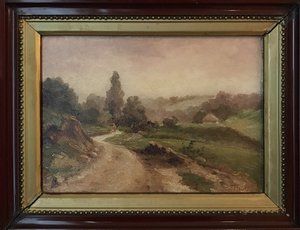
In the twilight of the nineteenth century, as the borders of Eastern Europe pulsed with cultural transformation, a singular talent emerged from the landscapes near Vilnius to capture the very soul of a changing era. Stanislovas Filibertas Fleris, known also by his Polish name Stanisław Filibert Fleury, was far more than a mere chronicler of scenery; he was a pioneer who bridged the gap between the traditional fine arts and the burgeoning magic of modern technology. Born in 1858, Fleris possessed an innate ability to perceive the world through two distinct yet harmonious lenses: the delicate, expressive brushstroke of a painter and the precise, capturing eye of a photographer. His journey began with formal training at the Vilnius drawing school between 1874 and 1878, where he mastered the foundational elements of composition and light that would later define his multifaceted career.
The essence of Fleris’s artistry lay in his profound connection to his homeland. His early works, rooted in meticulous pen drawings and watercolors, served as a love letter to the architectural grandeur and natural serenity of Vilnius. As he matured, his style began to absorb the rhythmic elegance of the Art Nouveau movement, characterized by organic motifs and flowing lines that lent a lyrical, almost dreamlike quality to his landscapes. Yet, even as he embraced these decorative flourishes, he remained anchored in a deep realism. This duality allowed him to document the historical weight of Vilnius's vistas while simultaneously infusing them with a modern, stylistic vitality that resonated with the artistic sensibilities of Europe.
The Convergence of Painting and Photography
Perhaps the most remarkable chapter of Fleris’s life was his role as a pioneer of stereoscopic photography. Recognizing the transformative potential of the camera, he sought formal instruction from Alexander Strauss, a move that would forever alter his creative trajectory. By 1884, he had established his own photo studio in Vilnius, which he would eventually lead as owner for decades. Through this medium, Fleris did not merely take pictures; he constructed immersive experiences. His work with stereoscopic images—which provided a sense of three-dimensional depth—allowed viewers to step into the streets, markets, and fairs of Vilnius as if they were walking through them personally.
His photographic repertoire was incredibly diverse, ranging from the intimate to the monumental:
- Urban Chronicles: He captured the bustling energy of St. Casimir's Fair in Lukiškės Square and the quiet dignity of architectural monuments.
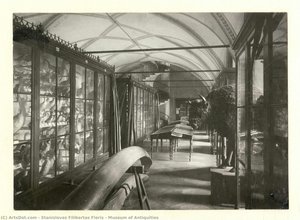
- Scientific and Cultural Documentation: Fleris utilized his lens to document scientific specimens, including taxidermy exhibits at the Museum of Antiquities, and even illustrated historical books.
- Portraiture: His ability to capture human character is evidenced by his portraits of notable figures, including the legendary Lithuanian painter Mikalojus Konstantinas Čiurlionis.
- Artistic Experimentation: In a beautiful display of his multidisciplinary nature, he often applied watercolor washes directly onto his photographs, blurring the boundary between mechanical reproduction and fine art.
Legacy of a Multidisciplinary Master
Beyond the canvas and the darkroom, Fleris was an entrepreneur and a contributor to the industrial fabric of his time. In 1904, he founded Lithuania's first zinc company, demonstrating a technical curiosity that extended into the realm of manufacturing and lithography. This spirit of innovation—the drive to create something new from raw materials—was present in everything he touched, from his "live paintings" used for hall decorations to his production of the first zinc printing plates in the region.
As a member of the Vilnius Art Society from 1908, Fleris helped foster a community of creators, ensuring that the artistic pulse of the city remained strong through numerous exhibitions. Though he passed away in Vilnius in 1915, his legacy remains etched in the visual history of Lithuania and Poland. He left behind a dual heritage: a collection of paintings that celebrate the romanticism of the landscape, and a photographic archive that serves as an irreplaceable window into a vanished world. To look upon the work of Stanislovas Filibertas Fleris is to witness the birth of a modern visual language, where the precision of science meets the passion of art.
stanislovas filibertas fleris
1858 - 1915 , Lithuania
Quick Facts
- Artistic Movement Or Style: Art Nouveau
- Artists Or Movements Influenced By This Artist: ['Lithuanian Art']
- Artists Who Influenced This Artist: ['Alexander Strauss']
- Date Of Birth: August 22, 1858
- Full Name: Stanislavas Filibertas Fleris
- Nationality: Polish
- Notable Artworks: ['Museum of Antiquities']
- Place Of Birth: Near Vilnius, Lithuania
Related Articles

Pictorialism: A Search for Artistic Photography's Soul – Aesthetics, Techniques & Legacy
Explore the captivating world of Pictorialism – a pivotal movement that transformed photography into fine art. Discover key artists like Stieglitz & Käsebier, techniques, and collecting tips from experts.

Giclée Prints: Archival Quality & Aesthetic Nuances for the Discerning Collector
Explore the world of giclée prints with ArtsDot. Learn about archival quality, aesthetic nuances & investment potential. Expert guidance for discerning art collectors seeking museum-quality reproductions and lasting value.

Monochrome Visions: Exploring the Aesthetic & Historical Significance of Black & White Photography
Explore the rich history & artistic power of black and white photography. From early techniques to iconic masters like Ansel Adams, discover why monochrome continues to captivate art lovers today. Expert insights for collectors.
Beyond the Lens: Photography's Enduring Influence on Modern & Contemporary Art
Explore photography's pivotal role in shaping modern & contemporary art. Discover key movements, influential artists like Stieglitz, and expert collecting advice from ArtsDot.

Echoes of Time: Exploring the Enduring Appeal & Historical Context of Vintage Art Prints
Explore the captivating world of vintage art prints! Discover their history, collecting tips & enduring appeal. Expert insights on chromolithography and building a legacy collection with ArtsDot.

