 Preview
 Send
Send Share
Share
 Details

 Download
 Similars
 X-Ray
X-Ray Diaporama
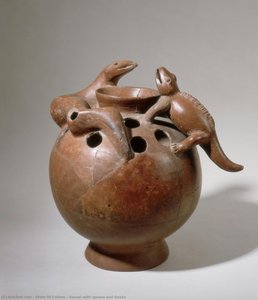
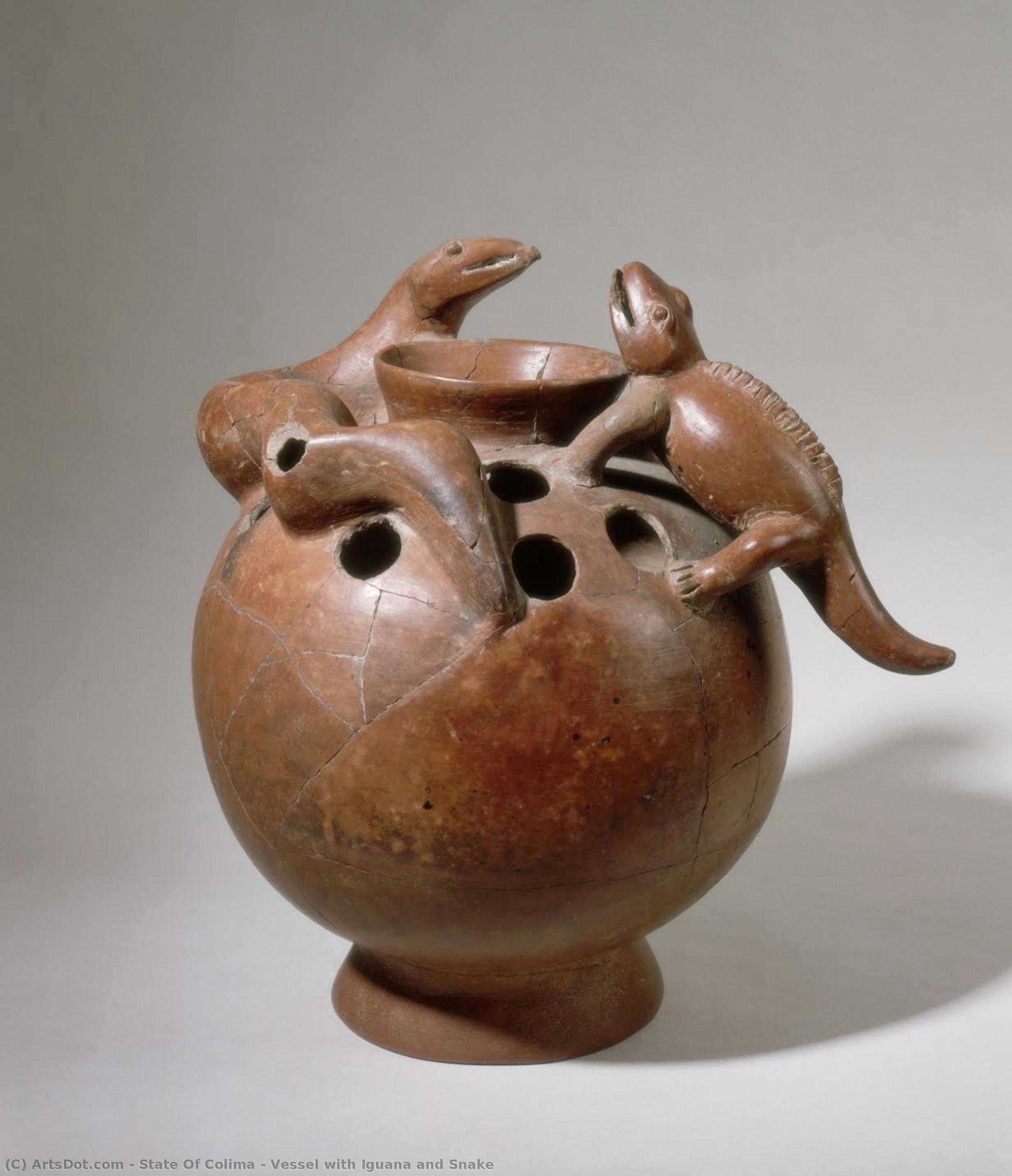
Vessel with Iguana and Snake


 Read More
Hand Made Oil Reproduction
Hand-painted oil on canvas in your size and frame, made to order by our artists. ( Buy Print Buy Image)




P118B $10

P118H $10

P118W $10

P438Z $10

P508JH $12

P508YH $12

P805H $10

P805Z $10

P919BZ $10

P919G $10

P919XJ $10

P959ZH $10

P968JZ $12

W106C $8

W218G $10

W218JH $8

W218Y $10

W307PJ $10

W316G $10

W316PJ $8

W316Y $10

W398PJ $8

W4111J $10

W500HY $15

W500JH $15

W692G $12

W849H $8

W940BG $15

W953PJ $8




Pick from our preset sizes that match the artwork's original proportions.

You may enter your own dimensions to fit a specific frame or space. If your selected size does not match the original image's proportions, we will either crop the artwork or extend the painting with additional hand-painted elements. A digital mockup will be sent for your approval before production begins.
Please note that the on-screen preview does not reflect the actual cropping or extension. Only the mockup will accurately show the final composition.
While custom sizes are available, we recommend selecting a dimension from the predefined list to preserve the original proportions.
After order, ArtsDot.com team will email client for instructions and provide a mockup preview
Worldwide Delivery () in 3/4 weeks instead of standard 5 weeks. (17 August). No compromise on quality.

Free Worldwide Express Shipping

High-Quality Linen Canvas

Full Shipping Insurance

Customs Tax Refund Guarantee

True Color Matching Guarantee

60-Day Return Policy (Defects Only)

100% Money-Back Guarantee

Bulk Discount Offer
 Glass option is only available in size under 110 CM

Vessel with Iguana and Snake
Reproduction Medium
Reproduction Size
-


Total Price
$ 263
Related Artworks

Artist Biography
The Ceramic Legacy of Colima: Echoes of a Pacific Coast Culture
The name “state of colima” evokes more than just a geographical location in western Mexico; it represents a vibrant, ancient artistic tradition deeply intertwined with the natural world and the rhythms of life on the central Pacific coast. While pinpointing a singular artist is impossible – the ceramic art attributed to "state of colima" stems from a collective cultural practice flourishing roughly between 1858 and 1917 – we can explore the remarkable legacy of this region’s potters, whose creations offer a compelling glimpse into Pre-Columbian beliefs and daily life. The state itself, though small in size and population, has long been recognized for its exceptional standards of living alongside complex social realities, a duality perhaps reflected in the often-enigmatic nature of its art.
A Culture Rooted in Clay
The ceramic tradition of Colima is not simply about crafting beautiful objects; it’s about embodying a worldview. These weren't merely decorative pieces but integral components of funerary rituals and likely, everyday life. The region’s volcanic landscape provided the rich clay that formed the foundation of this artistry, while the surrounding environment – lush forests, abundant wildlife, and the Pacific Ocean – served as an endless source of inspiration. The figures produced are remarkably diverse, depicting humans engaged in various activities, animals both realistic and fantastical, and a fascinating array of composite creatures. What sets Colima ceramics apart is their exceptional realism and attention to detail. Unlike many ancient art forms focused on idealized representations or divine beings, these sculptures often portray everyday scenes with a striking sense of immediacy.
Motifs of Life and the Afterlife
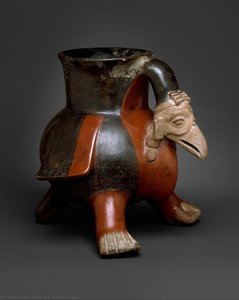
Among the most recognizable features of Colima pottery are the frequent depictions of iguanas and snakes. These animals weren’t chosen arbitrarily; they held significant symbolic weight within the culture. The iguana, for example, may have represented fertility, regeneration, or a connection to the earth, while snakes were often associated with water, transformation, and healing. Vessels shaped like these creatures, such as the exquisite “Vessel with Iguana and Snake,” demonstrate not only technical skill but also a deep understanding of animal anatomy and behavior. The intricate carvings and carefully applied paint – typically red and black slips – brought these figures to life, imbuing them with a sense of vitality. Beyond iguanas and snakes, dogs, birds, turtles (like the example housed in the Metropolitan Museum of Art), and human figures are common subjects. Many sculptures feature pregnant women, suggesting a reverence for motherhood and the continuation of life. The presence of spouts on many vessels indicates their practical use as containers for liquids, perhaps offerings or provisions for the afterlife.
Techniques and Materials
Colima potters employed sophisticated techniques to create their works. The clay itself, often orange or brown in hue, was carefully selected and prepared. Sculptures were typically hand-modeled using coiling and beating methods, allowing for a remarkable degree of control over form and detail. The figures were then burnished – rubbed with smooth stones or other abrasive materials – to create a luminous surface. Incisions were used to delineate features, often revealing the contrasting grey clay beneath the surface layer. The application of red and black paint, derived from local minerals, added further depth and complexity to the designs. These techniques required considerable skill and knowledge, passed down through generations of artisans.
Historical Significance and Enduring Impact
While much remains unknown about the specific beliefs and practices of the Colima people, their ceramic art provides invaluable insights into their culture. The discovery of numerous sculptures in shaft tombs – deep burial structures used over many generations – suggests a complex funerary tradition centered around providing for the deceased in the afterlife. The realism and attention to detail evident in these figures set them apart from other Pre-Columbian art forms, offering a unique perspective on ancient Mexican life. Today, Colima ceramics are highly prized by collectors and museums worldwide, serving as a testament to the enduring legacy of this remarkable culture. The tradition continues to influence contemporary Mexican folk art, ensuring that the echoes of Colima’s artistic spirit resonate through time.

state of colima
1858 - 1917 , Mexico
Quick Facts
- Artistic Movement Or Style: Ceramic Art
- Date Of Birth: 1858
- Date Of Death: 1917
- Full Name: State of Colima
- Nationality: Mexican
- Notable Artworks: ['Vessel with Iguana and Snake']
- Place Of Birth: Colima, Mexico
Related Articles

Animalia: Exploring the Enduring Presence of Animals in Art & Interior Design
Explore the rich history of animal symbolism in art, from ancient mythology to modern masterpieces. Discover how animals have inspired artists for centuries and learn how to incorporate these powerful motifs into your home décor.
The Alchemy of Clay: A Collector's Guide to the Mastery, Texture, and Timeless Form of Ceramic Art
Discover the profound beauty of ceramic art. Our expert guide explores the alchemy of clay, texture, and glaze, offering collectors deep insights into mastering earth and fire to create timeless, sculptural masterpieces for any curated collection.
Beastly Brushstrokes: A Historical Journey Through Animal Painting & Aesthetic Movements
Explore the rich history of animal painting across cultures & movements. Discover iconic artists, symbolism, collecting trends & expert art consultation at ArtsDot.com.

Level Up Your Art: Transform Personal Photos into High-Octane Action Anime Masterpieces with AI-Driven Oil Painting
Transform your favorite photos into high-octane action anime masterpieces. Using proprietary AI and master artists, we turn digital memories into hand-painted oil on canvas legacies. Experience the perfect fusion of pop culture energy and timeless fine artistry at ArtsDot.com.
Revolution on Canvas: Exploring the Socio-Political Power & Artistic Legacy of Mexican Muralism
Explore the powerful world of Mexican muralism! Discover Diego Rivera, Frida Kahlo & Orozco's revolutionary art, social impact & lasting legacy. Expert insights & high-quality reproductions at ArtsDot.