 Preview
 Send
Send Share
Share
 Details

 Download
 Similars
 X-Ray
X-Ray Diaporama
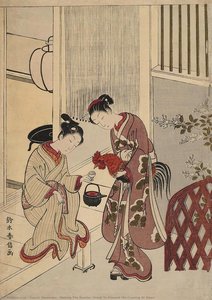
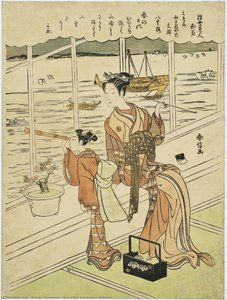
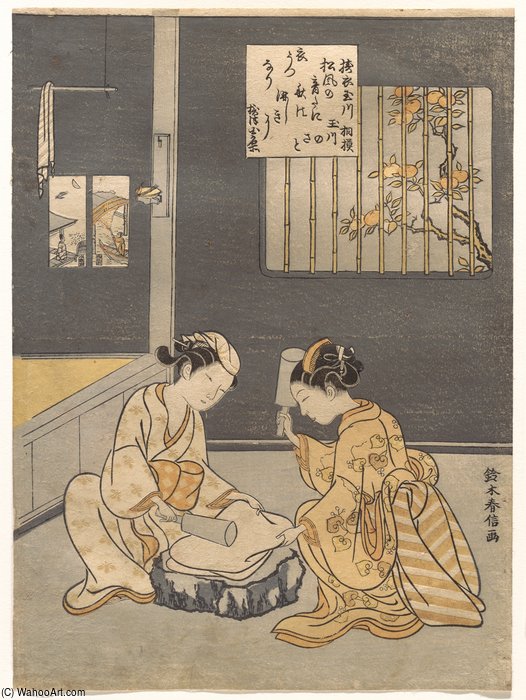
Fulling Cloth At The Jewel River

 Read More
Hand Made Oil Reproduction
Hand-painted oil on canvas in your size and frame, made to order by our artists. ( Buy Print Buy Image)




P118B $10

P118H $10

P118W $10

P438Z $10

P508JH $12

P508YH $12

P805H $10

P805Z $10

P919BZ $10

P919G $10

P919XJ $10

P959ZH $10

P968JZ $12

W106C $8

W218G $10

W218JH $8

W218Y $10

W307PJ $10

W316G $10

W316PJ $8

W316Y $10

W398PJ $8

W4111J $10

W500HY $15

W500JH $15

W692G $12

W849H $8

W940BG $15

W953PJ $8




Pick from our preset sizes that match the artwork's original proportions.

You may enter your own dimensions to fit a specific frame or space. If your selected size does not match the original image's proportions, we will either crop the artwork or extend the painting with additional hand-painted elements. A digital mockup will be sent for your approval before production begins.
Please note that the on-screen preview does not reflect the actual cropping or extension. Only the mockup will accurately show the final composition.
While custom sizes are available, we recommend selecting a dimension from the predefined list to preserve the original proportions.
After order, ArtsDot.com team will email client for instructions and provide a mockup preview
Worldwide Delivery () in 3/4 weeks instead of standard 5 weeks. (22 August). No compromise on quality.

Free Worldwide Express Shipping

High-Quality Linen Canvas

Full Shipping Insurance

Customs Tax Refund Guarantee

True Color Matching Guarantee

60-Day Return Policy (Defects Only)

100% Money-Back Guarantee

Bulk Discount Offer
 Glass option is only available in size under 110 CM

Fulling Cloth At The Jewel River
Reproduction Medium
Reproduction Size
-


Total Price
$ 288
Artwork Description
A Moment of Refinement: Exploring Suzuki Harunobu’s ‘Fulling Cloth At The Jewel River’
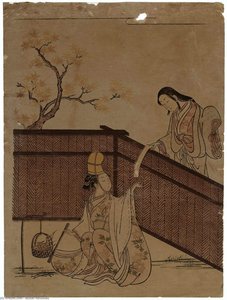
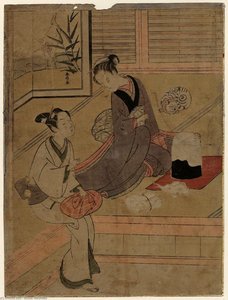
- Subject & Composition: This exquisite Ukiyo-e woodblock print captures a serene domestic scene – two women meticulously engaged in the labor of fulling cloth by the banks of the Jewel River. Harunobu masterfully centers the composition around these figures, creating an intimate and balanced view within a traditionally styled room. The inclusion of details like the bamboo screen window and delicate floral arrangement adds depth and visual interest, framing the central activity with understated elegance.
- Artistic Style & Technique: Suzuki Harunobu was a pivotal figure in the development of nishiki-e – “pictures of the floating world” known for their rich brocade-like colors. This print exemplifies his innovative technique, utilizing multiple woodblocks to layer inks and achieve subtle gradations and textures. The lines are bold yet refined, defining shapes with precision while maintaining a characteristic flatness typical of the Edo period style. Geometric forms – rectangles for architectural elements, circles for vessels – are skillfully balanced with the stylized rendering of figures and natural motifs.
Historical Context & Symbolism in Edo Period Japan
- A Flourishing Era: Created during the Edo period (1603-1868), a time of relative peace and economic growth in Japan, this artwork reflects the rising merchant class’s appreciation for refined culture and daily life. Ukiyo-e prints like ‘Fulling Cloth At The Jewel River’ were accessible forms of art, enjoyed by a broad audience.
- Symbolic Resonance: Beyond its depiction of a practical task, the scene carries symbolic weight. Fulling cloth – cleaning and softening fabric – represents diligence and domestic virtue. The setting near the “Jewel River” suggests purity and tranquility. The overall atmosphere evokes ideals of hospitality, social interaction, and the pursuit of aesthetic pleasure—values highly prized during this era.
Emotional Impact & Aesthetic Appeal
- A Sense of Calm: Harunobu’s masterful use of color – a muted yet rich palette – and composition creates a sense of calm contemplation. The print invites viewers to step into this peaceful moment, appreciating the beauty in everyday activities.
- Timeless Elegance: The meticulous detail in depicting kimono fabrics and decorative elements contributes to an overall feeling of elegance and tradition. This artwork is not merely a representation of a scene; it’s a celebration of Japanese artistry and cultural values, making it a captivating addition to any collection or interior space.
Related Artworks

Artist Biography
early life and influences
suzuki harunobu, a japanese designer of woodblock print art in the ukiyo-e style, was born in 1725. little is known about his early life, but it is believed he grew up in kyoto. his work shows evidence of influences from many artists, including torii kiyomitsu, ishikawa toyonobu, the kawamata school, and the kanō school. however, the strongest influence upon harunobu was the painter and printmaker nishikawa sukenobu, who may have been harunobu's direct teacher.artistic career
harunobu began his career in the style of the torii school, creating many works that were skillful but not innovative. however, with his involvement with a group of literati samurai, he tackled new formats and styles. in 1764, harunobu was chosen to aid these samurai in their amateur efforts to create e-goyomi (calendars). these calendar prints would be the first nishiki-e (brocade prints), with harunobu experimenting with better woods for the woodblocks and using more expensive colors.notable works and innovations
- suzuki harunobu's "brocade prints" led to full-color production becoming standard, with ten or more blocks used to create each print.
- his use of multiple separate woodblocks in the creation of a single image was an innovation that depended on using notches and wedges to hold the paper in place.
- harunobu's prints were popular with the chōnin class, who had become wealthy enough to afford to decorate their homes with them.
legacy
suzuki harunobu's work was central to forming the west's perception of japanese art in the late 19th century. his influence can be seen in the landscapes of hokusai and hiroshige, which were popularized during the japonisme trend.- view suzuki harunobu's artworks on ArtsDot
- read more about suzuki harunobu on wikipedia
- explore ukiyo-e art on ArtsDot
notable paintings and artists
- utagawa hiroshige's kyoka tokaido series, seki (view on ArtsDot)
- miyagawa isshō's shimabara courtesans exorcizing demons (view on ArtsDot)
- utagawa kuniyoshi's a votive tablet with masks of kabuki actors at face value (view on ArtsDot)
museums and collections
- indianapolis museum of art (indianapolis, united states)
- fukuoka city museum (fukuoka, japan)
Suzuki Harunobu
1725 - 1770 , Japan
Quick Facts
- Artistic Movement Or Style: Ukiyo-e, Nishiki-e
- Artists Or Movements Influenced By This Artist:
- Hokusai
- Hiroshige
- Artists Who Influenced This Artist: ['Nishikawa Sukenobu']
- Date Of Birth: 1725?
- Date Of Death: 1770
- Full Name: Suzuki Harunobu
- Nationality: Japanese
- Notable Artworks:
- Herons Et Roseaux
- Young Woman Jumping...
- Place Of Birth: Edo (Tokyo), Japan
Related Articles

Hokusai's Masterpieces: 25 Iconic Prints & Paintings for Art Lovers | ArtsDot
Journey through Katsushika Hokusai’s 25 most iconic artworks, including *The Great Wave*. Explore the ukiyo-e master's history, style & timeless Japanese woodblock prints. Find museum-quality reproductions for your home at ArtsDot.com.
Suzuki Harunobu: Pioneering Ukiyo-e & the Refinement of Edo Period Printmaking
Discover the revolutionary world of Suzuki Harunobu, a pioneer of ukiyo-e printmaking. Explore his exquisite nishiki-e techniques, diverse subjects & lasting impact on Japanese art history. Learn more at ArtsDot.

Ukiyo-e: Exploring Japan's Floating World & Enduring Artistic Legacy
Explore the captivating world of Ukiyo-e – Japan's iconic woodblock prints! Discover masters like Hokusai & Hiroshige, learn about Edo period culture, and find expert art collecting guidance at ArtsDot.

Floating World: The Captivating Art and Legacy of Japanese Ukiyo-e
Explore the profound beauty of Japanese Ukiyo-e. Discover the history, masters like Hokusai, and the enduring legacy of the 'Floating World' through an expert art-historical lens.
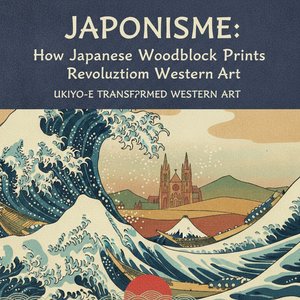
Japonisme: How Japanese Woodblock Prints Revolutionized Western Art
Explore the profound impact of Japonisme on Western art. Discover how Japanese ukiyo-e woodblock prints revolutionized perspective, color, and composition for masters like Monet and Van Gogh, forever changing the course of modern art history.