 Preview
 Send
Send Share
Share
 Details

 Download
 Similars
 X-Ray
X-Ray Diaporama
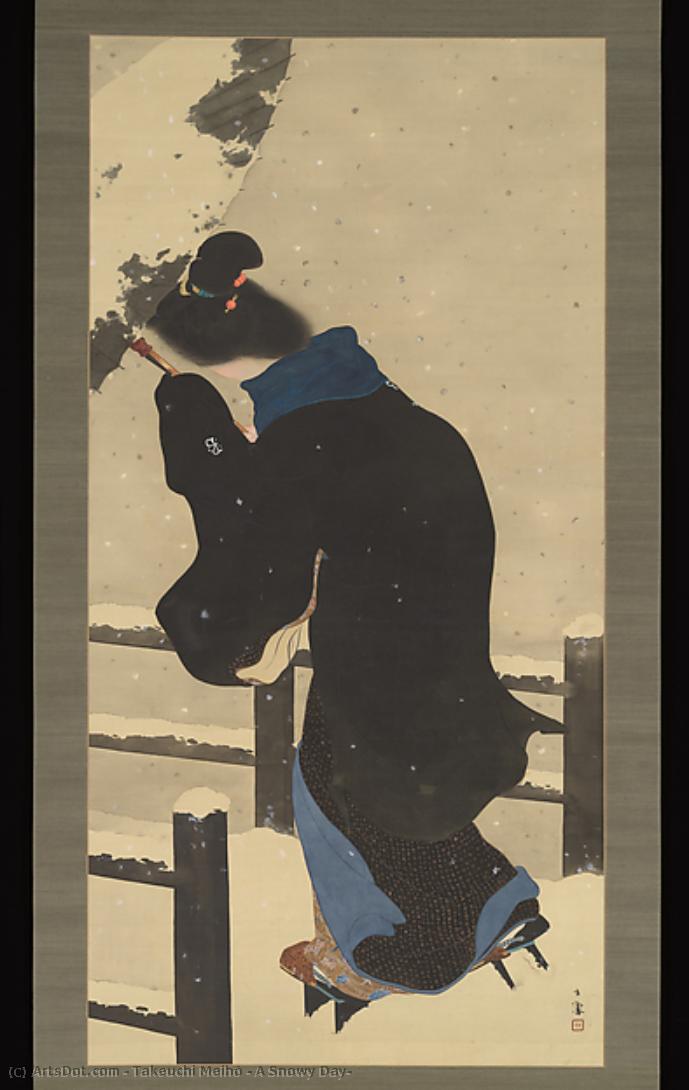
A Snowy Day


 Read More
Hand Made Oil Reproduction
Hand-painted oil on canvas in your size and frame, made to order by our artists. ( Buy Print Buy Image)




































Pick from our preset sizes that match the artwork's original proportions.

You may enter your own dimensions to fit a specific frame or space. If your selected size does not match the original image's proportions, we will either crop the artwork or extend the painting with additional hand-painted elements. A digital mockup will be sent for your approval before production begins.
Please note that the on-screen preview does not reflect the actual cropping or extension. Only the mockup will accurately show the final composition.
While custom sizes are available, we recommend selecting a dimension from the predefined list to preserve the original proportions.
After order, ArtsDot.com team will email client for instructions and provide a mockup preview
Worldwide Delivery () in 3/4 weeks instead of standard 5 weeks. (26 August). No compromise on quality.

Free Worldwide Express Shipping

High-Quality Linen Canvas

Full Shipping Insurance

Customs Tax Refund Guarantee

True Color Matching Guarantee

60-Day Return Policy (Defects Only)

100% Money-Back Guarantee

Bulk Discount Offer
 Glass option is only available in size under 110 CM

A Snowy Day
Reproduction Medium
Reproduction Size
-


Total Price
$ 263
Artwork Description
Related Artworks
Artist Biography
Vincent van Gogh: A Life Painted in Light and Shadow
Vincent van Gogh, a name synonymous with passionate intensity and groundbreaking artistic vision, remains one of the most recognizable figures in art history. Born in 1853 in Groot-Zundert, Netherlands, his life was tragically short – just 37 years – yet within that brief span, he produced over 860 paintings, etchings, and drawings, each imbued with a raw emotionality and an unprecedented use of color that would profoundly influence the course of modern art. His story is not simply one of artistic genius, but also of personal struggle, mental illness, and a relentless pursuit of capturing the essence of the world around him.
Van Gogh’s early life offered little indication of his future as an artist. He worked in various roles – as an art dealer, a teacher, and even a missionary – demonstrating a restless spirit and a desire to connect with humanity. These experiences, particularly his time working amongst impoverished miners in Belgium, instilled within him a deep empathy for the marginalized and a fascination with the lives of ordinary people. It was during this period that he began to seriously pursue art, initially drawing inspiration from Dutch masters like Rembrandt and Millet, focusing on scenes of rural life and laborers.
His artistic development took a dramatic turn in 1886 when he moved to Paris, immersing himself in the vibrant Impressionist and Post-Impressionist scene. He encountered artists such as Toulouse-Lautrec, Émile Bernard, and Paul Gauguin, absorbing their techniques and experimenting with new approaches to color and brushwork. Gauguin’s influence was particularly significant; Van Gogh adopted Gauguin's use of bold colors and simplified forms, but infused his work with a far greater emotional intensity. This period saw the emergence of his iconic *Sunflowers* series – vibrant still lifes that capture both the beauty and the fleeting nature of life – and the beginnings of his exploration of landscapes.
The Yellow House Years: Arles and Artistic Turmoil
In 1888, Van Gogh moved to Arles in southern France, seeking a haven for artistic creation and a place to establish an “artists’ colony.” He envisioned a space where artists could live and work together, fostering collaboration and mutual inspiration. The Yellow House, which he famously described as "a little yellow house," became the center of this ambition. However, his time in Arles was marked by increasing mental instability and profound loneliness. He struggled to find collaborators willing to share his vision, and his relationships with those who did were often fraught with tension.
Despite his inner turmoil, Van Gogh produced some of his most powerful and evocative works during this period, including *The Yellow House*, *Bedroom in Arles*, and the celebrated *Sunflowers* series. He experimented with techniques such as impasto – applying paint thickly to create a textured surface – and employed vibrant colors to convey intense emotions. His letters to his brother Theo provide invaluable insights into his artistic process and his psychological state, revealing a man grappling with profound anxieties and a desperate need for connection.
Post-Arles: Saint-Rémy and Auvers
Following a severe mental breakdown in December 1888, Van Gogh voluntarily admitted himself to the Saint-Paul-de-Mausole asylum near Saint-Rémy. During his time at the asylum, he continued to paint prolifically, producing works such as *The Starry Night*, *Wheatfield with Crows*, and numerous self-portraits that offer a poignant reflection on his isolation and suffering. These paintings are characterized by swirling brushstrokes, intense colors, and a sense of turbulent emotion – a direct expression of his inner world.
In May 1890, Van Gogh moved to Auvers-sur-Oise, a village north of Paris, where he was cared for by Dr. Paul Gachet, a physician and amateur painter. Despite the support of Dr. Gachet, Van Gogh’s mental state remained fragile. He continued to paint with feverish intensity, producing works such as *The Church at Auvers* and *Self-Portrait with Bandaged Ear*. Tragically, on July 27, 1890, he shot himself in the chest and died two days later, leaving behind a legacy of unfinished masterpieces and an enduring fascination for art lovers worldwide.
Legacy and Influence
Vincent van Gogh’s life and work were largely unrecognized during his lifetime. He sold only one painting – *The Red Vineyard* – and received little critical acclaim until after his death. However, in the 20th century, his unique style and emotional intensity gained widespread recognition, establishing him as a pivotal figure in the development of modern art. His influence can be seen in the works of countless artists who followed, including Expressionists like Edvard Munch and Wassily Kandinsky.
Today, Van Gogh’s paintings are among the most valuable and beloved in the world, displayed in museums around the globe. His story continues to resonate with audiences, reminding us of the power of art to express profound emotions, the challenges of mental illness, and the enduring human need for connection and meaning. His legacy is not just one of artistic brilliance, but also a testament to the transformative potential of creativity and the importance of embracing vulnerability.
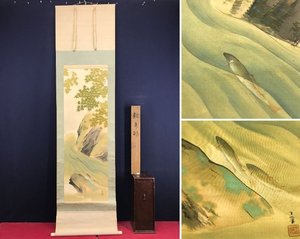
takeuchi meihō 竹内鳴鳳
1888 - 1945 , Japan
Quick Facts
- Artistic Movement Or Style: Post-Impressionism
- Artists Or Movements Influenced By This Artist:
- Expressionism
- Post-Impressionism
- Artists Who Influenced This Artist:
- Jean-Baptiste-Camille Corot
- Émile Bernard
- Date Of Birth: March 30, 1853
- Date Of Death: July 29, 1890
- Full Name: Vincent Willem van Gogh
- Nationality: Dutch
- Notable Artworks:
- Sunflowers
- Bedroom in Arles
- Starry Night
- Wheatfield with Crows
- Place Of Birth: Ghent, Belgium
Related Articles
The Beauty of Ink Wash: Discover Serene & Soulful Art for Your Home
Discover the tranquil beauty of ink wash painting. Explore how Sumi-e and monochrome landscapes bring Zen-inspired serenity and soulful elegance to your home decor through expert curation and timeless East Asian aesthetics.
Ephemeral Expressions: Exploring the Nuances of Ink on Paper Through History & Contemporary Art
Explore the captivating world of ink wash painting – from its ancient origins to contemporary masters. Discover techniques, symbolism & conservation insights with ArtsDot.com.

Serenity on Canvas: A Guide to the Timeless Beauty of Japanese Landscape Painting
Discover the serene beauty of Japanese landscape painting. From Hokusai's iconic woodblock prints to meditative sumi-e ink washes, explore a visual journey through the 'floating world' and learn how to bring this timeless Zen aesthetic into your modern home decor.

Hokusai's Masterpieces: 25 Iconic Prints & Paintings for Art Lovers | ArtsDot
Journey through Katsushika Hokusai’s 25 most iconic artworks, including *The Great Wave*. Explore the ukiyo-e master's history, style & timeless Japanese woodblock prints. Find museum-quality reproductions for your home at ArtsDot.com.
Ephemeral Lines: Exploring Emotional Resonance in Ink Sketching Traditions
Explore the profound art of ink sketching! Discover techniques to express emotion, master line work, and cultivate artistic sensitivity. Learn from historical masters & unlock your creative potential.