 Send
Send Share
Share
 Details

 Download
 Similars
 Diaporama
Sake cup with sugoroku board game design (Supplemental)


 Read More
Hand Made Oil Reproduction
Hand-painted oil on canvas in your size and frame, made to order by our artists. ( Buy Print Buy Image)




































Pick from our preset sizes that match the artwork's original proportions.

You may enter your own dimensions to fit a specific frame or space. If your selected size does not match the original image's proportions, we will either crop the artwork or extend the painting with additional hand-painted elements. A digital mockup will be sent for your approval before production begins.
Please note that the on-screen preview does not reflect the actual cropping or extension. Only the mockup will accurately show the final composition.
While custom sizes are available, we recommend selecting a dimension from the predefined list to preserve the original proportions.
After order, ArtsDot.com team will email client for instructions and provide a mockup preview
Worldwide Delivery () in 3/4 weeks instead of standard 5 weeks. (26 August). No compromise on quality.

Free Worldwide Express Shipping

High-Quality Linen Canvas

Full Shipping Insurance

Customs Tax Refund Guarantee

True Color Matching Guarantee

60-Day Return Policy (Defects Only)

100% Money-Back Guarantee

Bulk Discount Offer
 Glass option is only available in size under 110 CM

Sake cup with sugoroku board game design (Supplemental)
Reproduction Medium
Reproduction Size
-


Total Price
$ 263
Artwork Description
A Miniature Universe in Vermilion and Gold
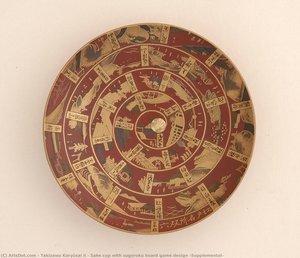
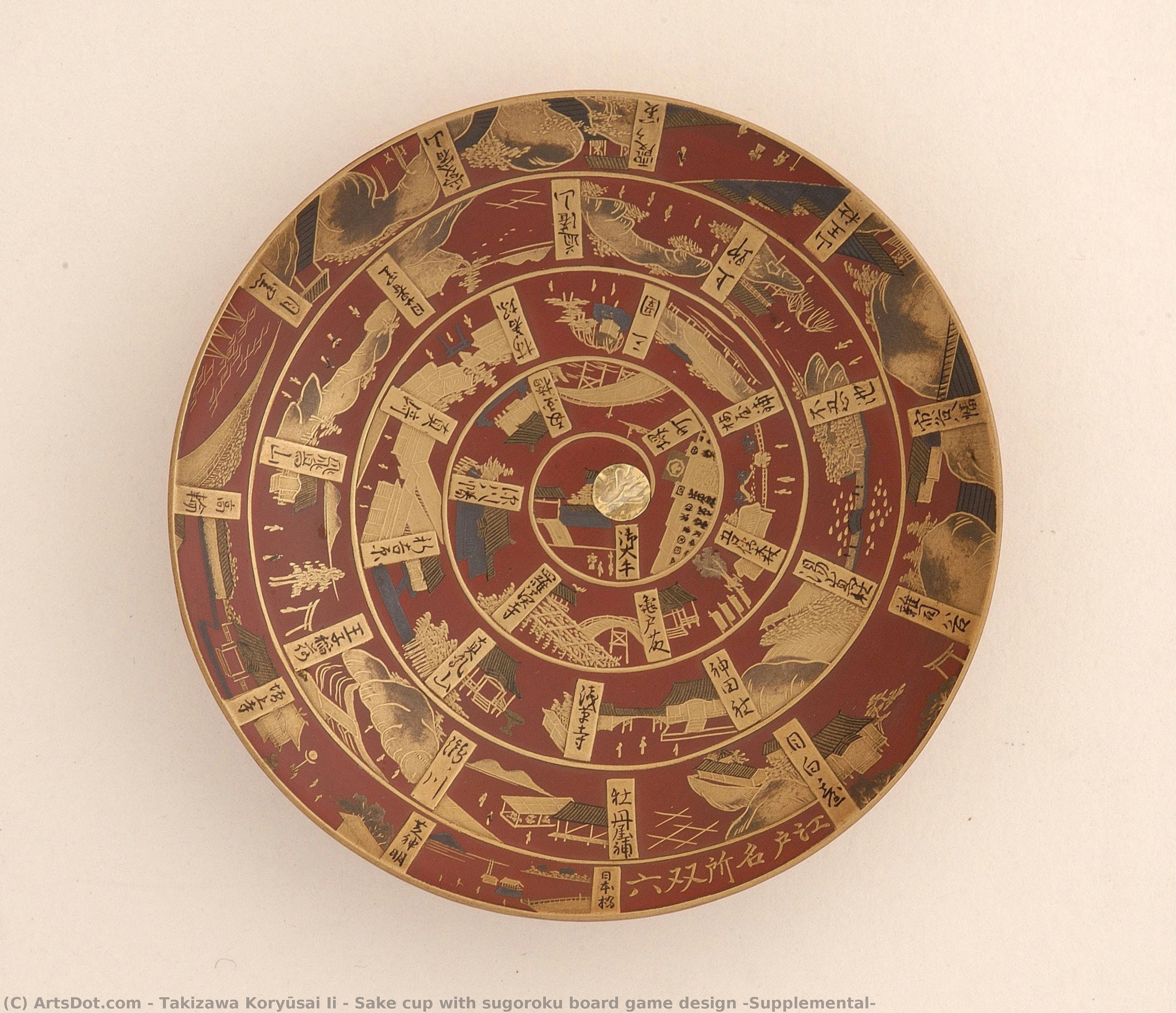
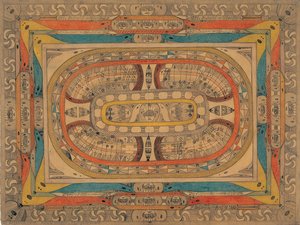
In the quiet intimacy of an Edo-period tea ceremony, few objects command attention quite like this exquisite sake cup, a masterpiece of 19th-century Japanese craftsmanship. At first glance, the eye is drawn to the vibrant, lustrous vermilion lacquer that serves as the canvas for a breathtakingly complex narrative. This is not merely a vessel for wine, but a portable window into the heart of old Tokyo. The design features a rare and captivating sugoroku—a traditional Japanese board game—spiraling across the surface in a rhythmic, hypnotic motion. As one rotates the cup, a miniature journey unfolds, tracing the legendary landmarks of Edo, from the bustling energy of the Nihonbashi Bridge to the imposing majesty of the Ote-mon Gate at Edo Castle.
The artistry is achieved through the meticulous technique of hira maki-e, or flat sprinkled metal decoration. This method allows the artist, Kōryūsai, to layer fine gold dust onto the wet lacquer, creating a subtle yet brilliant relief that catches the light with every movement. The interplay between the deep red base and the shimmering gold highlights creates a sense of depth and motion, making the depicted cityscape feel alive. Each tiny detail—the curve of a bridge, the silhouette of a gate—is rendered with a precision that speaks to the profound patience required by the master lacquerware artists of this era.
The Legacy of Takizawa Koryūsai II
To understand the soul of this piece, one must look to its creator, Takizawa Koryūsai II. A descendant of a respected lineage of printmakers and a student of the legendary Katsukawa Shunshō, Koryūsai II brought the delicate sensibilities of ukiyo-e woodblock printing to the medium of lacquerware. While his career remains shrouded in the beautiful mysteries of history, his influence is undeniable. He possessed an unparalleled ability to capture the "floating world"—the fleeting moments of beauty, urban life, and seasonal change that defined the Edo period.
In this sake cup, we see the convergence of two great Japanese traditions: the narrative storytelling of ukiyo-e and the tactile luxury of maki-e. The artist does not merely decorate a surface; he maps a cultural identity. For the modern collector or interior designer, this piece represents more than just an antique aesthetic; it is a profound connection to a lost era of urban elegance. Whether displayed as a focal point in a curated collection or used to inspire a sophisticated, Zen-inspired interior, this reproduction serves as a timeless tribute to the meticulous spirit of Japanese decorative arts.
Related Artworks
Artist Biography
Takizawa Koryūsai II: A Delicate Master of Edo Ukiyo-e
Takizawa Koryūsai II (1756 – 1810) stands as a testament to the refined beauty and meticulous craftsmanship that characterized the Edo period’s artistic landscape. Born in Tokyo, he emerged from a lineage steeped in artistic tradition, inheriting the legacy of his father, Takizawa Koryūsai I, who himself was a respected printmaker. Influenced profoundly by the towering figure of Katsukawa Shunshō, Koryūsai II honed his skills under Shunshō’s tutelage, absorbing the stylistic principles that would define his distinctive oeuvre.- Early Life and Training: Koryūsai II’s formative years were spent mastering the techniques of woodblock printing – a cornerstone of Edo-era art – alongside Shunshō’s studio. This immersive experience instilled in him an unwavering dedication to precision and detail, qualities that would permeate his subsequent artistic endeavors. Shunshō's emphasis on capturing fleeting moments of beauty and emotion undoubtedly shaped Koryūsai II’s approach to composition and subject matter.
- Notable Works and Artistic Style: Koryūsai II excelled in portraying scenes from Kabuki theatre, depicting actors with remarkable accuracy and expressive dynamism. However, his true brilliance shone through in landscapes—particularly those infused with subtle tonal gradations and evocative atmospheric effects—demonstrating a deep understanding of Japanese aesthetics. Perhaps most captivating are his depictions of women, rendered with exquisite delicacy and imbued with an ethereal grace that reflects the idealized beauty prevalent during the Edo period.
Technique and Innovation: The Art of Maki-e
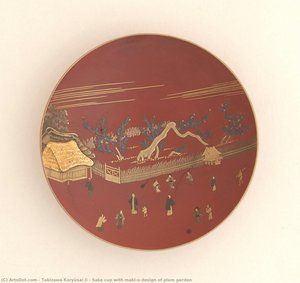
Koryūsai II’s artistic vision extended beyond conventional woodblock printing; he embraced innovative techniques like *maki-e*, a gilding process that elevates prints to breathtaking levels of visual splendor. This painstaking method involved applying thin layers of lacquer infused with gold leaf, resulting in shimmering surfaces that captured the luminescence of natural light and conveyed an unparalleled sense of luxury. As evidenced by works such as “Sake Cup with Maki-e Design of Plum Garden,” Koryūsai II skillfully blended traditional printing methods with cutting-edge gilding techniques—a hallmark of his artistic innovation.- Influence of Katsukawa Shunshō: Shunshō’s influence extended beyond stylistic guidance; he championed a philosophy centered on capturing the essence of human emotion and portraying subjects with profound psychological depth. Koryūsai II absorbed these principles, striving to imbue his prints with similar emotional resonance.
- Legacy and Significance: Koryūsai II’s contribution to ukiyo-e art is undeniable—he solidified the genre's reputation for capturing fleeting beauty and elevating artistic expression. His meticulous attention to detail, combined with his masterful command of *maki-e*, established him as one of Edo’s foremost printmakers, securing his place in art history.
Exploring Further: The World of Ukiyo-e
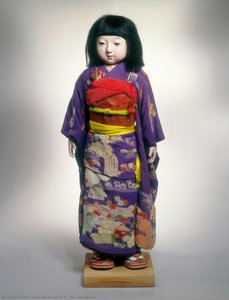
To appreciate Koryūsai II's artistic achievements fully, it is essential to delve into the broader context of ukiyo-e—the “pictures of the floating world.” This vibrant art movement flourished during the Edo period (1603–1868), reflecting the social and cultural dynamism of Japan at the time. Artists like Hokusai and Hiroshige similarly explored themes of nature, theatre, and everyday life, utilizing woodblock printing to disseminate images widely throughout society. Examining these artists’ techniques and philosophies illuminates the intellectual currents that propelled ukiyo-e into its golden age.- Notable Prints: Among Koryūsai II's celebrated works are “Miss Hiroshima,” showcasing a captivating portrayal of female beauty, and “Sake Cup with Sugoroku Board Game Design,” demonstrating his versatility in capturing both decorative motifs and narrative scenes. These prints serve as enduring reminders of Koryūsai II’s artistic prowess and the aesthetic ideals of his era.
Resources for Further Study
For a deeper understanding of Takizawa Koryūsai II's life and work, consider visiting ArtsDot.com to examine reproductions of his prints and gain insights into the techniques employed during the Edo period. Furthermore, exploring resources on ukiyo-e art movement will enrich your appreciation for this pivotal chapter in Japanese artistic history.
takizawa koryūsai ii
1756 - 1810 , Japan
Quick Facts
- Artistic Movement Or Style: Ukiyo-e
- Artists Or Movements Influenced By This Artist: Hokusai
- Artists Who Influenced This Artist: Katsukawa Shunshō
- Date Of Birth: Tokyo, Japan (1756)
- Full Name: Takizawa Koryūsai II
- Nationality: Japanese
- Notable Artworks:
- Sake cup with sugoroku board game design (Supplemental)
- Miss Hiroshima
- Sake cup with maki-e design of plum garden
- Place Of Birth: Tokyo
Related Articles

Hokusai's Masterpieces: 25 Iconic Prints & Paintings for Art Lovers | ArtsDot
Journey through Katsushika Hokusai’s 25 most iconic artworks, including *The Great Wave*. Explore the ukiyo-e master's history, style & timeless Japanese woodblock prints. Find museum-quality reproductions for your home at ArtsDot.com.
Golden Glow: How to Use Metallic Gold Artworks to Elevate Your Home Decor with Timeless Luxury
Discover how to elevate your home with the timeless elegance of metallic gold artworks. From sculptural metal pieces to gilded oil paintings, learn expert interior design tips for integrating luxurious gold accents into your space with sophistication and grace.
The Allure of Gold in Art History: Symbolism, Technique & Cultural Significance
Explore the rich history of gold in art! Discover symbolism, techniques & cultural significance from ancient civilizations to Klimt's masterpieces. Expert insights for collectors at ArtsDot.
Suzuki Harunobu: Pioneering Ukiyo-e & the Refinement of Edo Period Printmaking
Discover the revolutionary world of Suzuki Harunobu, a pioneer of ukiyo-e printmaking. Explore his exquisite nishiki-e techniques, diverse subjects & lasting impact on Japanese art history. Learn more at ArtsDot.
Ukiyo-e: Exploring Japan's Floating World & Enduring Artistic Legacy
Explore the captivating world of Ukiyo-e – Japan's iconic woodblock prints! Discover masters like Hokusai & Hiroshige, learn about Edo period culture, and find expert art collecting guidance at ArtsDot.