 Preview
 Send
Send Share
Share
 Details

 Download
 Similars
 X-Ray
X-Ray Diaporama
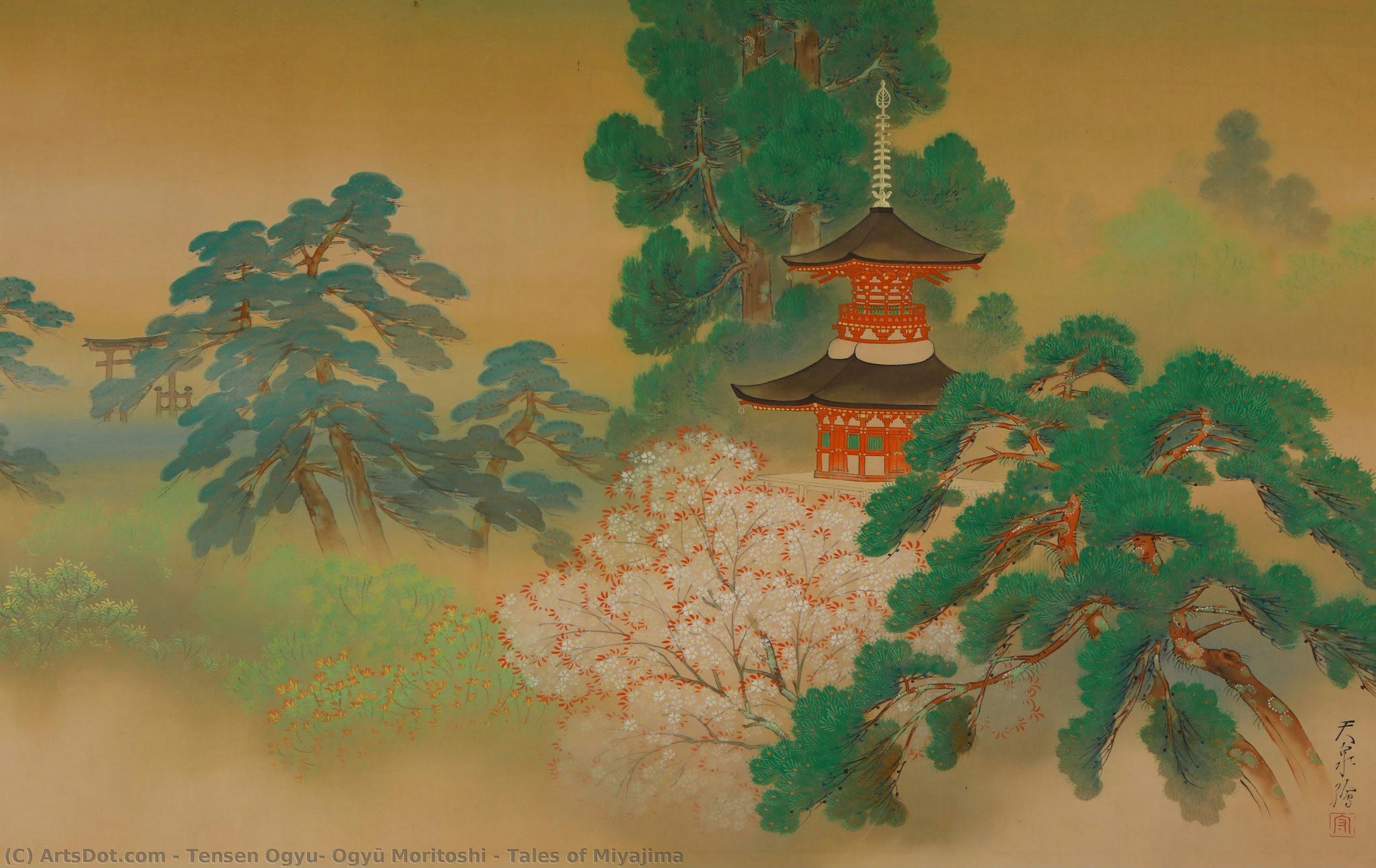
Tales of Miyajima
 54.0 x 85.0 cm
 Read More
Hand Made Oil Reproduction
Hand-painted oil on canvas in your size and frame, made to order by our artists. ( Buy Print Buy Image)




































Pick from our preset sizes that match the artwork's original proportions.

You may enter your own dimensions to fit a specific frame or space. If your selected size does not match the original image's proportions, we will either crop the artwork or extend the painting with additional hand-painted elements. A digital mockup will be sent for your approval before production begins.
Please note that the on-screen preview does not reflect the actual cropping or extension. Only the mockup will accurately show the final composition.
While custom sizes are available, we recommend selecting a dimension from the predefined list to preserve the original proportions.
After order, ArtsDot.com team will email client for instructions and provide a mockup preview
Worldwide Delivery () in 3/4 weeks instead of standard 5 weeks. (26 August). No compromise on quality.

Free Worldwide Express Shipping

High-Quality Linen Canvas

Full Shipping Insurance

Customs Tax Refund Guarantee

True Color Matching Guarantee

60-Day Return Policy (Defects Only)

100% Money-Back Guarantee

Bulk Discount Offer
 Glass option is only available in size under 110 CM

Tales of Miyajima
Reproduction Medium
Reproduction Size
-


Total Price
$ 263
Artwork Description
Related Artworks

Artist Biography
Early Life and Artistic Beginnings
Tensen Ogyu, born Ōgyū Moritoshi on April 28, 1882, in the tranquil city of Nihonmatsu, Fukushima Prefecture, Japan, embarked on a path that would see him become a pivotal figure in early 20th-century Japanese painting. His origins lay within a family deeply rooted in Shinto priesthood—a heritage that instilled in him an early reverence for nature and tradition, qualities that would profoundly shape his artistic vision. Though not initially destined for the world of art, Ogyu’s innate talent soon became undeniable, leading him to pursue formal training after completing his local schooling. This decision marked a turning point, setting him on a course toward mastering the delicate nuances of *nihonga*, or Japanese-style painting. He entered the prestigious Tokyo School of Fine Arts and quickly distinguished himself as a dedicated student under the tutelage of Hashimoto Gahō, one of the last great masters of the Kanō school—a lineage steeped in centuries of artistic excellence.The Influence of Hashimoto Gahō and the Kanō Tradition
Hashimoto Gahō’s influence on Ogyu was transformative. The Kanō school, renowned for its dynamic compositions, refined brushwork, and symbolic use of color, provided a solid foundation for Ogyu's developing style. Gahō emphasized not merely technical proficiency but also the importance of capturing the essence of the subject matter—a spiritual resonance that transcended mere representation. This emphasis resonated deeply with Ogyu’s own sensibilities, nurtured by his upbringing within the Shinto faith. He absorbed the Kanō school's techniques, particularly its use of color washes to evoke atmosphere and mood, but he wasn’t content simply to replicate past styles. Ogyu sought to infuse traditional methods with a contemporary sensibility, creating works that were both deeply rooted in Japanese heritage and uniquely his own. His early paintings already hinted at the lyrical landscapes and serene compositions that would become hallmarks of his mature work.Miyajima and the Development of a Signature Style
Ogyu’s artistic journey truly blossomed with his repeated depictions of Miyajima Island, located in Hiroshima Bay. The iconic floating torii gate of Itsukushima Shrine became a recurring motif—a symbol of spiritual power, natural beauty, and the harmonious relationship between humanity and the divine. He didn't simply paint *pictures* of Miyajima; he captured its very soul. His canvases shimmered with atmospheric effects, utilizing delicate color washes to convey the changing light and moods of the island throughout the seasons. The pagoda structures, often nestled amongst lush foliage, added a sense of tranquility and timelessness. These paintings weren’t merely landscapes but meditations on Japanese identity, spirituality, and the enduring power of nature. He became particularly known for his series “Tales of Miyajima”, showcasing his mastery of color and composition.Recognition and International Acclaim
Ogyu's talent did not go unnoticed within Japan’s burgeoning art world. He gained recognition through participation in prestigious exhibitions like the inaugural Bunten in 1907, where he received first prize—a testament to his exceptional skill and artistic vision. Subsequent shows, including the Teiten and Nitten, further solidified his reputation, earning him numerous awards throughout his career. His works were often commissioned by the Imperial Court, a significant honor that underscored his standing as a leading artist of his time. Beyond Japan’s borders, Ogyu's art found international recognition when he represented his country in the art competitions at both the 1932 and 1936 Summer Olympics—a rare opportunity for Japanese artists to showcase their talents on a global stage. He also served as the first secretary-general of the Fukuyō Art Society, actively mentoring younger artists and contributing to the growth of Japan’s artistic community.Legacy and Historical Significance
Tensen Ogyu passed away on October 9, 1947, leaving behind a rich legacy that continues to inspire. He bridged the gap between traditional Japanese painting techniques and modern sensibilities, creating works that were both deeply rooted in heritage and uniquely expressive of his own artistic vision. His iconic depictions of Miyajima remain powerful symbols of Japan’s cultural identity and spiritual landscape. Ogyu's influence can be seen in the work of subsequent generations of *nihonga* painters who sought to balance tradition with innovation. Today, his paintings are held in esteemed collections around the world, including the Rijksmuseum, ensuring that his artistic vision continues to captivate and inspire audiences for years to come. He stands as a testament to the enduring power of art to capture not just what we see, but what we *feel*—a profound connection to nature, spirituality, and the beauty of the Japanese aesthetic tradition.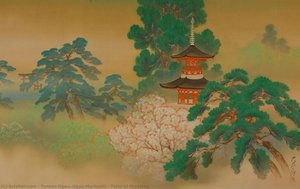
tensen ogyu, ogyū moritoshi
1882 - 1947 , Japan
Quick Facts
- Artistic Movement Or Style: Nihonga, Kanō school
- Artists Who Influenced This Artist: ['Hashimoto Gahō']
- Date Of Birth: April 28, 1882
- Date Of Death: October 9, 1947
- Full Name: Tensen Ogyu
- Nationality: Japanese
- Notable Artworks: ['Tales of Miyajima']
- Place Of Birth: Nihonmatsu, Japan
Related Articles

Hokusai's Masterpieces: 25 Iconic Prints & Paintings for Art Lovers | ArtsDot
Journey through Katsushika Hokusai’s 25 most iconic artworks, including *The Great Wave*. Explore the ukiyo-e master's history, style & timeless Japanese woodblock prints. Find museum-quality reproductions for your home at ArtsDot.com.

Romantic Landscapes: 10 Masterpieces for Your Home | ArtsDot
Journey through 10 Romantic landscape masterpieces by Friedrich, Turner & Cole. Explore emotional art, sublime nature scenes & iconic 19th-century paintings. Find museum-quality reproductions for your home at ArtsDot.com – discover the full collection online!

Evocations of Place: A Historical Journey Through Landscape Art
Explore the rich history of landscape art with ArtsDot. Discover renowned artists, movements like Impressionism & Romanticism, and expert guidance for collecting timeless pieces. Find your perfect serene escape today!

John Constable's Masterpieces: Explore 25 Iconic Landscapes for Your Home
Journey through John Constable's 25 most celebrated landscapes. Explore Romanticism, Dedham Vale & his masterful use of light in iconic paintings like 'Hay Wain'. Find museum-quality art reproductions and elevate your home decor on ArtsDot.com.
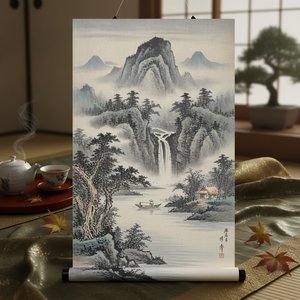
Serenity on Canvas: A Guide to the Timeless Beauty of Japanese Landscape Painting
Discover the serene beauty of Japanese landscape painting. From Hokusai's iconic woodblock prints to meditative sumi-e ink washes, explore a visual journey through the 'floating world' and learn how to bring this timeless Zen aesthetic into your modern home decor.