 Preview
 Send
Send Share
Share
 Details

 Download
 Similars
 X-Ray
X-Ray Diaporama
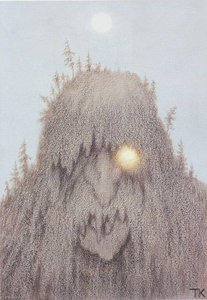
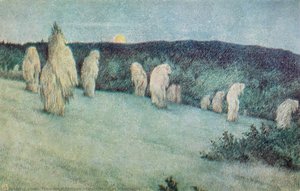
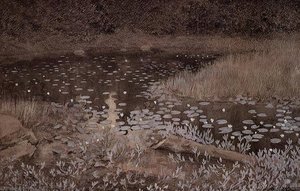
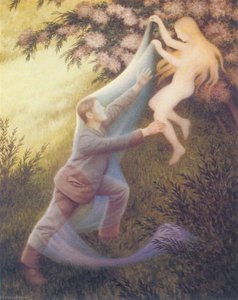
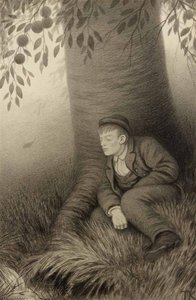
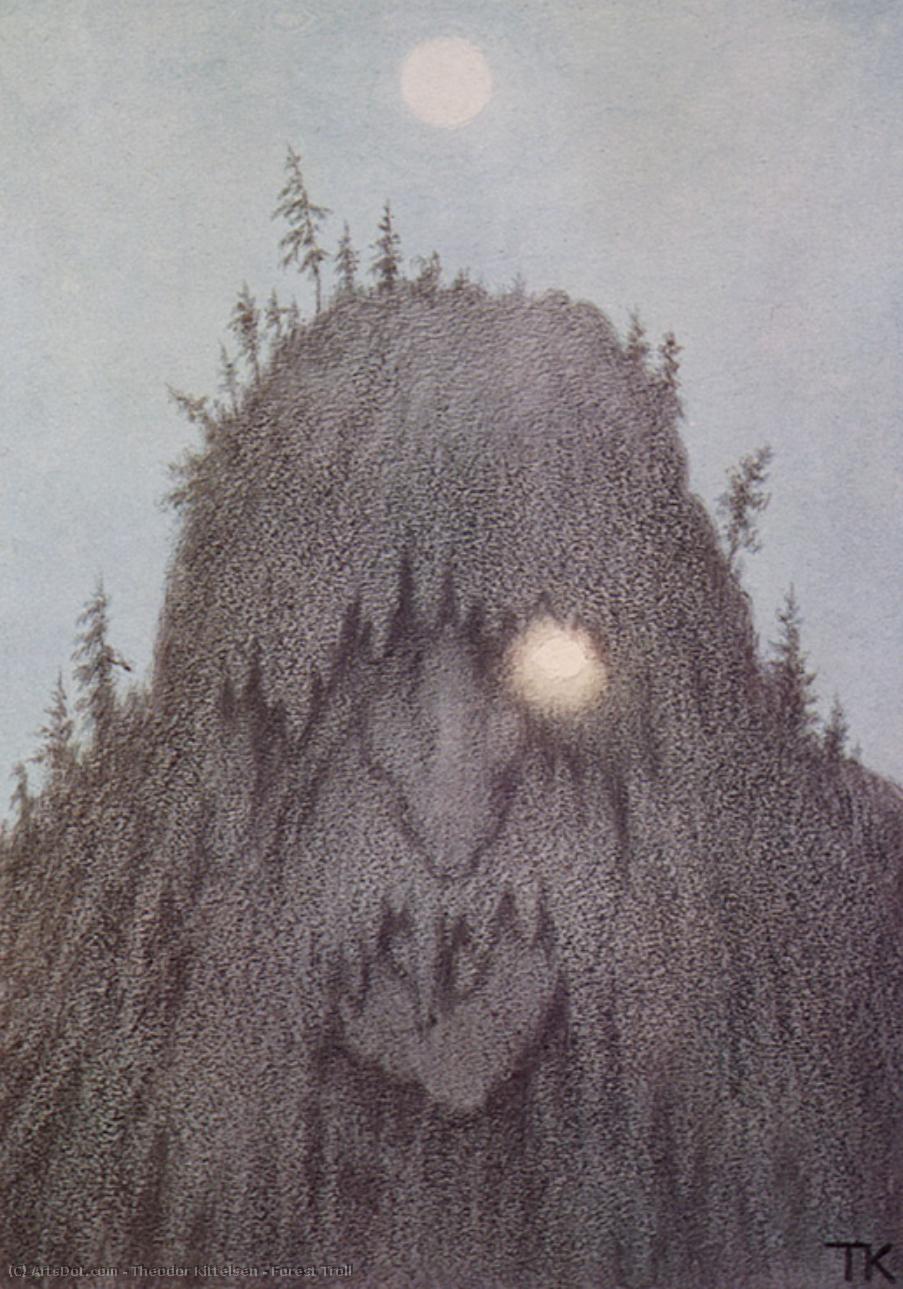
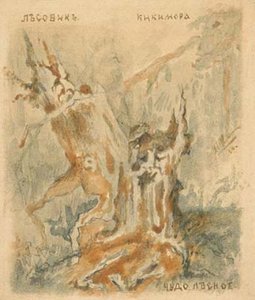
Forest Troll
 Acrylic
- WallArt
- Neo-Romantic Symbolism
 1906
1906 36.0 x 28.0 cm
 National Gallery
 Read More
Hand Made Oil Reproduction
Hand-painted oil on canvas in your size and frame, made to order by our artists. ( Buy Print Buy Image)




P118B $10

P118H $10

P118W $10

P438Z $10

P508JH $12

P508YH $12

P805H $10

P805Z $10

P919BZ $10

P919G $10

P919XJ $10

P959ZH $10

P968JZ $12

W106C $8

W218G $10

W218JH $8

W218Y $10

W307PJ $10

W316G $10

W316PJ $8

W316Y $10

W398PJ $8

W4111J $10

W500HY $15

W500JH $15

W692G $12

W849H $8

W940BG $15

W953PJ $8




Pick from our preset sizes that match the artwork's original proportions.

You may enter your own dimensions to fit a specific frame or space. If your selected size does not match the original image's proportions, we will either crop the artwork or extend the painting with additional hand-painted elements. A digital mockup will be sent for your approval before production begins.
Please note that the on-screen preview does not reflect the actual cropping or extension. Only the mockup will accurately show the final composition.
While custom sizes are available, we recommend selecting a dimension from the predefined list to preserve the original proportions.
After order, ArtsDot.com team will email client for instructions and provide a mockup preview
Worldwide Delivery () in 3/4 weeks instead of standard 5 weeks. (16 August). No compromise on quality.

Free Worldwide Express Shipping

High-Quality Linen Canvas

Full Shipping Insurance

Customs Tax Refund Guarantee

True Color Matching Guarantee

60-Day Return Policy (Defects Only)

100% Money-Back Guarantee

Bulk Discount Offer
 Glass option is only available in size under 110 CM

Forest Troll
Reproduction Medium
Reproduction Size
-


Total Price
$ 263
Related Artworks
Artist Biography
Theodor Kittelsen: A Visionary of Norwegian Folklore and Landscape
Theodor Severin Kittelsen (1857-1914) stands as one of Norway’s most cherished artistic figures, a painter whose distinctive style—characterized by neo-romanticism blended with naïve realism—captured the spirit of his era and cemented his place in national folklore. Born in Kragerø, Telemark County, Kittelsen's early life was marked by hardship following his father’s untimely death, leaving his family struggling financially. Despite these challenges, his artistic talent shone through remarkably young, discovering him at eleven years old when apprenticed to a watchmaker—a pragmatic step necessitated by circumstance but foreshadowing an enduring passion for visual expression. His formative artistic education began at Wilhelm von Hannö’s drawing school in Christiania (now Oslo), fueled by generous financial support from Diderich Maria Aall, who recognized Kittelsen's potential and championed his ambitions. This patronage enabled him to pursue further studies in Munich, where he honed his skills amidst influential artistic currents. However, the shifting economic realities of the time forced Kittelsen to earn a living as a draftsman for German newspapers and magazines—a period that instilled in him a disciplined approach to artistry and exposed him to diverse perspectives. A pivotal moment arrived in 1882 when Kittelsen received a state scholarship to study in Paris, immersing himself in Impressionist techniques and broadening his artistic horizons. Returning to Norway in 1887, he found inspiration in the breathtaking Norwegian landscape—particularly the Lofoten Islands—where he resided with his sister and brother-in-law at Skomvær Lighthouse. This experience profoundly impacted his oeuvre, fostering a contemplative spirit and inspiring him to weave narratives into his paintings alongside evocative prose. His collaboration with Peter Christen Asbjørnsen and Jørgen Moe revolutionized Norwegian illustration, bringing the timeless tales of Norse folklore to life in stunning monochrome graphite drawings imbued with palpable emotion. These illustrations—particularly “Fairy Dream” (1909)—became iconic representations of Norwegian artistic heritage and continue to captivate audiences today. Kittelsen’s work was recognized by the Royal Norwegian Order of St. Olav in 1908, acknowledging his contribution to Norwegian culture. Yet, despite acclaim, he faced personal difficulties culminating in the sale of Lauvlia—his beloved artist studio—in 1910 due to failing health. He received a final artist’s stipend in 1911 but succumbed to poverty in Jeløya in 1914, leaving behind a legacy of unforgettable images and profound artistic vision.- Style: Neo-Romanticism blended with Naïve Realism
- Notable Works: “Forest’s Wintergarden,” “Fairy Dream,” “In the Waiting Room,” Illustrations of Asbjørnsen & Moe folktales
- Influences: Romantic Landscape Painting, Symbolism
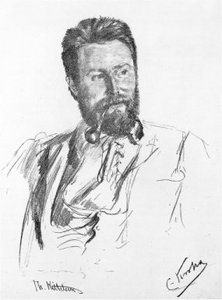
Theodor Kittelsen
1857 - 1914
Quick Facts
- Artistic Movement Or Style: Neo-Romanticism
- Artists Or Movements Influenced By This Artist: ['Scandinavian Art']
- Artists Who Influenced This Artist: ['Wilhelm von Hannö']
- Date Of Birth: 1857
- Date Of Death: 1914
- Full Name: Theodor Severin Kittelsen
- Nationality: Norwegian
- Notable Artworks:
- Forest’s Wintergarden
- Fairy Dream
- In the Waiting Room
- Place Of Birth: Kragerø, Norway
Related Articles
The Enchanted Canopy: Exploring Forests in Art History – From Romantic Idealization to Ecological Consciousness
Explore the rich history of forests in art! Discover Romantic masterpieces by Friedrich & Monet, Symbolist depths, and contemporary visions. Find inspiration & quality reproductions at ArtsDot.
Neo-Classicism's Greatest Hits: 10 Masterpieces for Your Home |
Journey through Neo-Classicism's finest! Explore 10 iconic masterpieces by David, Ingres & Canova. Discover art history, techniques & timeless beauty – perfect for inspiring your home decor. Find museum-quality reproductions at
Nature’s Sanctuary: Curating Enchanting Forest Artworks to Transform Your Home into a Serene Woodland Retreat
Transform your home into a serene woodland retreat with enchanting forest artworks. Discover museum-quality oil reproductions and custom landscape commissions designed to bring the peaceful beauty of nature indoors.
The Evocative Brushstroke: Exploring Emotion, Individuality & the Sublime in Romanticism's Artistic Landscape
Explore the passionate world of Romanticism! Discover masterpieces by Friedrich & Goya, delve into the sublime, and understand the movement's lasting impact on art history. Expert analysis & insights at ArtsDot.

Bring the Forest Home: An Elegant Buyer's Guide to Transforming Your Space with Enchanting Woodland Art
Create a serene sanctuary in your new home with enchanting woodland art. Explore our guide to forest landscapes, from Impressionist masterpieces to custom oil paintings of your wedding memories. Discover hand-painted treasures at ArtsDot.com to bring nature's peace to your space.