 Preview
 Send
Send Share
Share
 Details

 Download
 Similars
 X-Ray
X-Ray Diaporama
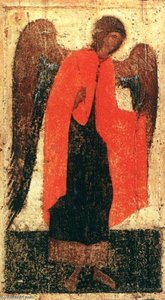
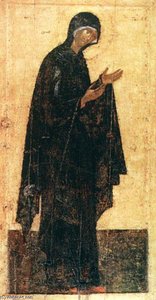
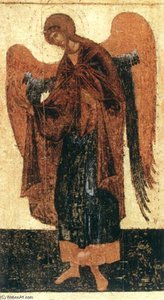
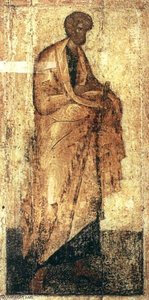
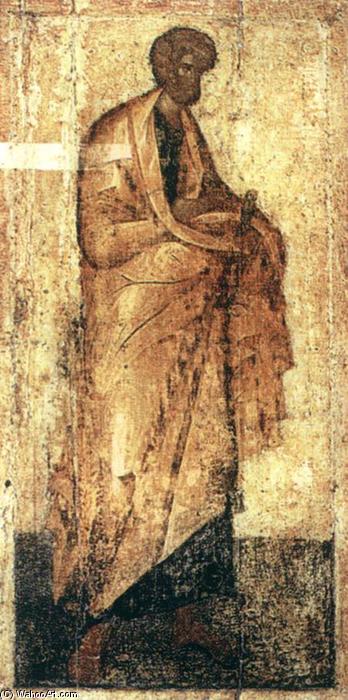
Icon from the Deësis Tier (8)


 Read More
Hand Made Oil Reproduction
Hand-painted oil on canvas in your size and frame, made to order by our artists. ( Buy Print Buy Image)




































Pick from our preset sizes that match the artwork's original proportions.

You may enter your own dimensions to fit a specific frame or space. If your selected size does not match the original image's proportions, we will either crop the artwork or extend the painting with additional hand-painted elements. A digital mockup will be sent for your approval before production begins.
Please note that the on-screen preview does not reflect the actual cropping or extension. Only the mockup will accurately show the final composition.
While custom sizes are available, we recommend selecting a dimension from the predefined list to preserve the original proportions.
After order, ArtsDot.com team will email client for instructions and provide a mockup preview
Worldwide Delivery () in 3/4 weeks instead of standard 5 weeks. (16 August). No compromise on quality.

Free Worldwide Express Shipping

High-Quality Linen Canvas

Full Shipping Insurance

Customs Tax Refund Guarantee

True Color Matching Guarantee

60-Day Return Policy (Defects Only)

100% Money-Back Guarantee

Bulk Discount Offer
 Glass option is only available in size under 110 CM

Icon from the Deësis Tier (8)
Reproduction Medium
Reproduction Size
-


Total Price
$ 263
Related Artworks
Artist Biography
A Luminary of Byzantium: The Life and Legacy of Theophanes the Greek
The name Theophanes the Greek evokes a world steeped in incense, shimmering gold leaf, and profound spiritual contemplation. Born in Constantinople around 1340, though often associated with Greece due to his later activities, Theophanes was a pivotal figure bridging the final flourishing of Byzantine art with the burgeoning traditions of Russia. His life, while shrouded in some mystery, represents a remarkable journey – one that carried the essence of Byzantine iconography northward and profoundly impacted religious painting for centuries to come. Unlike many artists of his era whose names remain lost to time, Theophanes’ legacy is secured through surviving masterpieces and historical accounts detailing his exceptional skill and innovative approach. He wasn't merely a painter; he was a spiritual architect, crafting images intended not simply as beautiful objects but as portals to the divine.From Constantinople to Novgorod: A Journey of Artistic Influence
The political turmoil of the late 14th century likely prompted Theophanes’ relocation from Constantinople. The Ottoman Empire's growing power threatened the Byzantine capital, and skilled artisans were increasingly sought after by rulers in neighboring lands. Around 1395, he arrived in Novgorod, a powerful city-state within Russia, along with Andrei Rublev, another iconic figure of Russian Orthodox art. This partnership proved transformative for the development of Russian iconography. While details about their collaborative projects are scarce, it’s clear that Theophanes' influence on Rublev was substantial. He is documented as having worked extensively on frescoes and icons for churches throughout Novgorod, including the Church of the Transfiguration of Our Savior on Ilyina Street and the Cathedral of the Annunciation in the Kremlin. His presence marked a turning point; he introduced a new level of dynamism, psychological depth, and sophisticated composition to Russian religious art, moving away from earlier, more static styles. Theophanes’ ability to convey emotion through subtle gestures and expressive faces was particularly groundbreaking.The Master's Technique: Innovation in Form and Color
Theophanes the Greek distinguished himself not only through his artistic vision but also through his mastery of technique. He is credited with refining the use of *tempera* paint, achieving a remarkable luminosity and depth of color that had not been seen before in Russian iconography. His brushwork was characterized by its precision and fluidity, allowing him to create figures that seemed both ethereal and powerfully grounded. A key innovation was his skillful manipulation of light and shadow – using highlights to emphasize the spiritual essence of his subjects and creating a sense of inner radiance. He also employed a distinctive linear style, utilizing bold outlines and elongated forms to convey movement and drama. This technique wasn’t simply about aesthetic effect; it served a theological purpose, emphasizing the otherworldly nature of the figures depicted. His compositions were often complex and layered, reflecting the intricate theology underlying Byzantine religious beliefs.Major Achievements: Icons that Speak Across Centuries
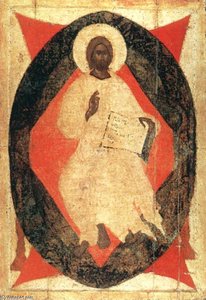
While many works attributed to Theophanes are lost or debated, several surviving icons provide compelling evidence of his genius. Perhaps his most celebrated achievement is the Deesis Tier from the Great Cathedral in Novgorod (now housed in the State Tretyakov Gallery). This monumental composition, depicting Christ enthroned with the Virgin Mary and John the Baptist interceding on behalf of humanity, showcases Theophanes’ unparalleled skill in portraying emotional intensity and spiritual connection. The faces are rendered with remarkable psychological depth, conveying a sense of both sorrow and hope. Other notable works include icons of The Apostle Paul, The Archangel Michael, and fragments of frescoes from various Novgorod churches. These pieces demonstrate his consistent ability to imbue religious figures with a profound sense of humanity and divine presence. The impact of these images extended far beyond their immediate context, influencing generations of icon painters in Russia and beyond.Historical Significance: A Bridge Between Worlds
Theophanes the Greek’s legacy extends far beyond his individual artistic achievements. He represents a crucial link between the waning traditions of Byzantine art and the burgeoning Russian iconographic school. His arrival in Novgorod sparked a renaissance of religious painting, laying the foundation for the distinctive style that would characterize Russian Orthodox art for centuries to come.- He introduced new techniques and compositional approaches.
- His emphasis on emotional depth and psychological realism profoundly influenced his contemporaries and successors.
- Theophanes’ work helped to solidify the theological foundations of Russian iconography.
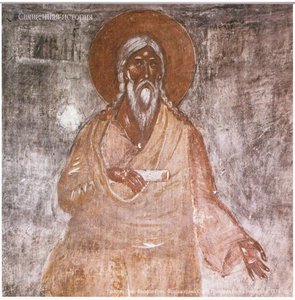
theophanes the greek
1340 - 1410 , Greece
Quick Facts
- Artistic Movement Or Style: Byzantine Iconography
- Artists Who Influenced This Artist:
- Nikolaus Kokalos
- Anna Komnene
- Date Of Birth: Istanbul, Greece (1340)
- Date Of Death: 1410
- Full Name: Theophanes the Greek
- Nationality: Greek
- Notable Artworks:
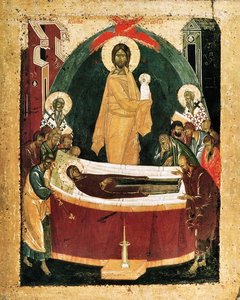
- Dormition of the Theotokos
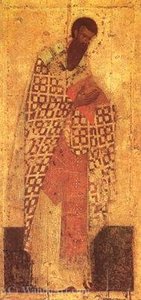
- Icon of St. Basil the Great
- Icon from the Deësis Tier
- Place Of Birth: Istanbul
Related Articles
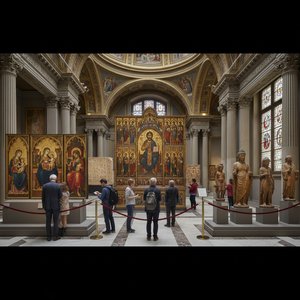
Sacred Narratives Embodied: A Comprehensive Exploration of Religious Iconography in Art History
Explore the rich history of religious iconography in art! Discover symbolism, movements & masterpieces from Byzantine to Renaissance periods. Expert insights for collectors and enthusiasts at ArtsDot.
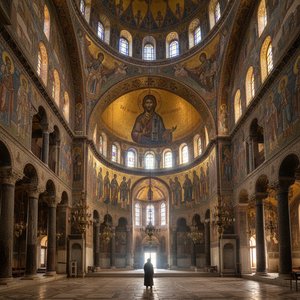
Illuminating Eternity: A Comprehensive Exploration of Byzantine Art's Legacy
Explore the rich history & stunning artistry of the Byzantine Empire! Discover iconic mosaics, profound symbolism, and lasting influence on Western art. A comprehensive guide for history lovers.
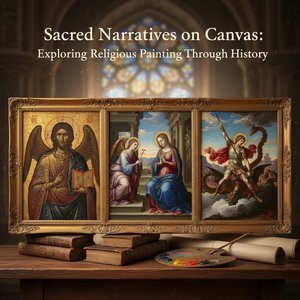
Sacred Narratives on Canvas: Exploring Religious Painting Through History
Explore the rich history of religious painting with ArtsDot.com! Discover iconic artworks, symbolism & techniques from antiquity to the Renaissance. Enhance your art appreciation today.
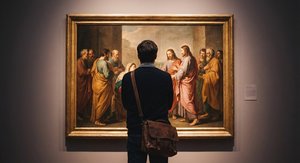
Sacred Narratives on Canvas: Exploring Religious Scenes & Their Enduring Influence
Explore the rich history of religious art from Giotto to the Renaissance masters with ArtsDot. Discover symbolism, techniques & enduring legacies. Museum-quality reproductions available.
Giotto's Masterpieces: 25 Renaissance Artworks for Your Home | ArtsDot
Explore 25 breathtaking artworks by Giotto di Bondone, a Renaissance master. Discover the stories behind iconic frescoes & paintings like the Scrovegni Chapel cycle. Find museum-quality Giotto reproductions and elevate your home decor with ArtsDot.com.