 Send
Send Share
Share
 Details

 Download
 Similars
 Diaporama
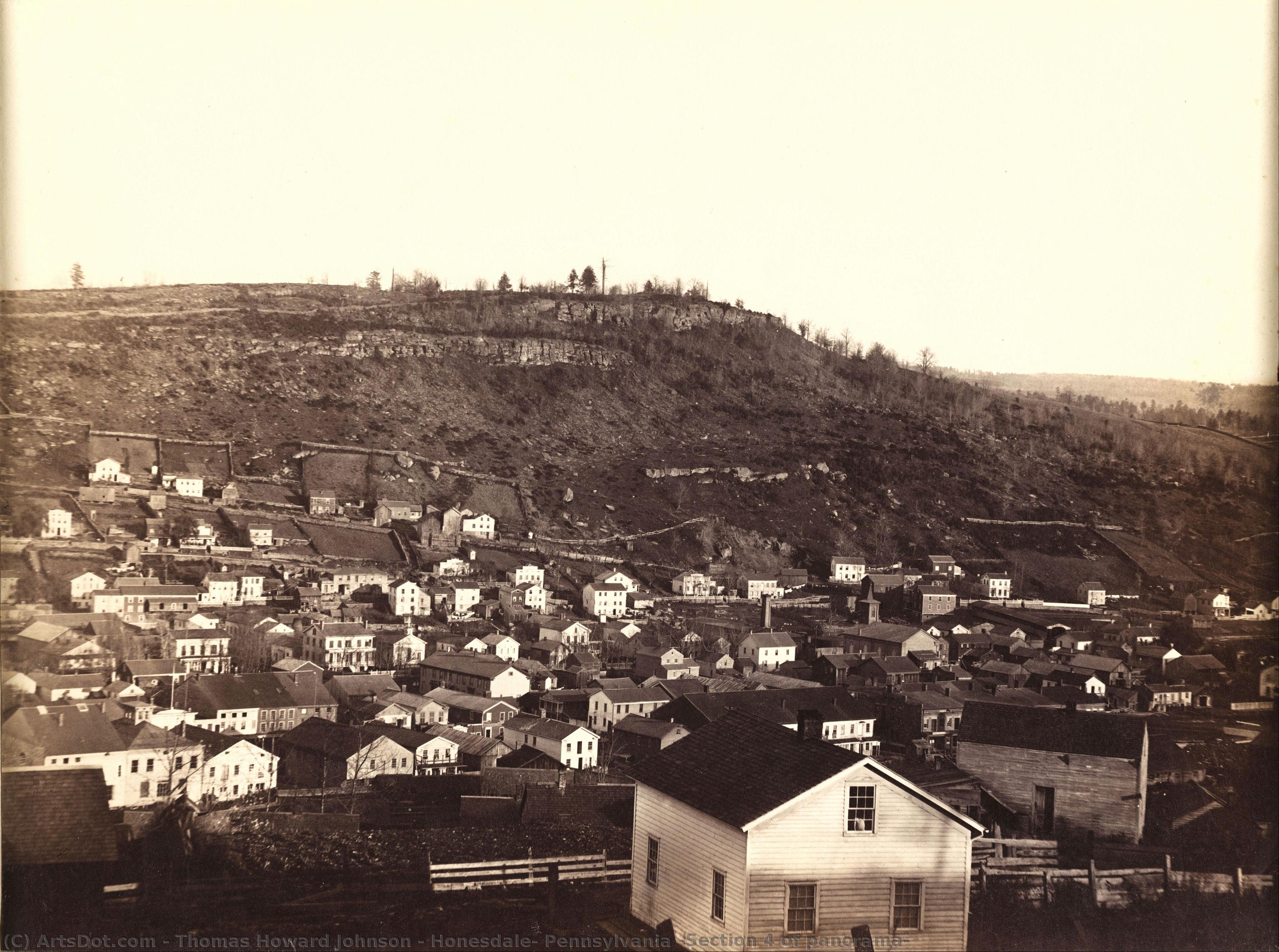
Honesdale, Pennsylvania (Section 4 of panorama)
 Black and White Photography
- Photo
- Romantic Landscape Painting
 1870
1870- 19th Century
 30.0 x 40.0 cm
 Nelson-Atkins Museum of Art
 Read More
Giclée / Art Print
Museum-quality giclée or canvas print with fast production and flexible finish options. ( Buy Hand Made Painting Buy Image)




































Pick from our preset sizes that match the artwork's original proportions.

You may enter your own dimensions to fit a specific frame or space. If your selected size does not match the original image's proportions, we will either crop the artwork or extend the image with a mirrored or solid-fill edge. A digital mockup will be sent for your approval before production begins.
Please note that the on-screen preview does not reflect the actual cropping or extension. Only the mockup will accurately show the final composition.
While custom sizes are available, we recommend selecting a dimension from the predefined list to preserve the original proportions.
Worldwide Delivery () in 2 weeks instead of standard 4/5 weeks. (23 August)

Free Worldwide Express Shipping

High-Quality Linen Canvas

Full Shipping Insurance

Customs Tax Refund Guarantee

True Color Matching Guarantee

60-Day Return Policy (Defects Only)

100% Money-Back Guarantee

Bulk Discount Offer
 Glass option is only available in size under 110 CM

Honesdale, Pennsylvania (Section 4 of panorama)
Giclée / Art Print
Reproduction Size
-


Total Price
$ 63
Collectible Description
Thomas Howard Johnson’s “Honesdale, Pennsylvania (Section 4 of panorama)” – A Window into Victorian Rural Life
Thomas Howard Johnson's "Honesdale, Pennsylvania (Section 4 of panorama)" isn’t merely a photograph; it’s a meticulously crafted glimpse into the American landscape of 1870. Captured by an accountant turned artist—a fascinating intersection of disciplines—the image speaks volumes about Victorian sensibilities and the burgeoning spirit of exploration that characterized the era.
The panorama itself is remarkable for its ambitious scope, aiming to depict a comprehensive view of Honesdale Township in Luzerne County, Pennsylvania. Johnson’s artistic vision prioritized capturing not just visual accuracy but also conveying an atmosphere—a palpable sense of tranquility and community life. The photograph's monochrome palette lends it an immediacy that transcends time, emphasizing textures and tonal variations with remarkable subtlety.
Technically, Johnson employed albumen printing, a process pioneered by Frederick Scott Archer in 1854. This method involved immersing paper in a solution of egg whites and potassium iodide, creating a sensitized surface ready for exposure to light. Subsequent toning with ferric chloride produced the characteristic sepia hue—a deliberate choice that softens the image’s sharpness and imbues it with a nostalgic quality.
Beyond its technical prowess, “Honesdale” carries symbolic weight. The depiction of rural Pennsylvania reflects the Victorian fascination with idealized landscapes – representations of pastoral beauty designed to inspire contemplation and moral uplift. The presence of figures engaged in everyday activities—farmers tending their fields, children playing—underscores the importance of labor and family life within this period.
Considered alongside Johnson’s academic background, this artwork becomes more than just a visual record; it's an embodiment of intellectual curiosity translated into artistic expression. It invites viewers to appreciate not only the beauty of the scene but also the artist’s thoughtful consideration of its historical and cultural significance.
- Dimensions: 30 x 40 cm
- Date: 1870
This stunning reproduction captures the essence of Victorian Pennsylvania, offering a timeless reminder of simpler times and the enduring power of observation.
Related Artworks

Artist Biography
Thomas Howard Johnson: A Life Bridging Accounting History and Artistic Expression
- Born: 1938, United States of America
- Current Residence: Living
- Occupation: American accounting historian and professor of business administration at Portland State University. Artist.
Early Life and Academic Journey
- Johnson's early life details are limited but he demonstrated a strong academic aptitude, earning a BA in Economics from Harvard University.
- He pursued further studies in Accounting, obtaining an MBA from Rutgers University.
- His intellectual curiosity extended to economic history, culminating in a PhD from the University of Wisconsin–Madison.
- Early in his career, Johnson worked as an accountant at Arthur Andersen, gaining practical experience in the field before transitioning to academia.
Academic Career and Recognition
- Johnson's academic journey included positions at the University of Western Ontario (Assistant Professor of Economics) and later at Western Washington University (Professor of Accounting).
- His research focuses on the intersection of systems thinking, modern physics, and sustainable operations management.
- He is recognized as a leading figure in accounting history and thought. A 2003 survey by Harvard Business School Press placed him among the 200 leading management thinkers living today.
- Johnson received the Deming Medal from the American Society for Quality in 2008, acknowledging his contributions to quality management.
- He was awarded a Distinguished Lifetime Achievement Award from the American Accounting Association in 2007.
Artistic Pursuits and Connections
- While primarily known as an accounting historian, Johnson also demonstrates artistic talent through landscape painting.
- His paintings, showcased on ArtsDot.com, include notable works such as "Little Grand Canyon Yellow" and sections of a panorama depicting Honesdale, Pennsylvania. These pieces reveal his attention to detail and skill in capturing natural landscapes.
- Johnson's work has connections to the art world through associations with institutions like the Herbert F. Johnson Museum of Art at Cornell University and the Piasecka-Johnson Collection at Princeton University Art Museum.
Legacy and Contributions
- Thomas Howard Johnson’s legacy lies in his significant contributions to accounting history, recognized through numerous awards and accolades.
- His exploration of systems thinking and its application to sustainable operations management demonstrates a forward-thinking approach to business practices.
- Simultaneously, his artistic endeavors showcase a creative side, blending historical scholarship with visual expression.
- Johnson's diverse background and accomplishments solidify his position as an influential figure in both the academic and art communities.

Thomas Howard Johnson
1938 - , United States of America
Quick Facts
- Date Of Birth: 1938
- Full Name: Thomas Howard Johnson
- Nationality: American
- Notable Artworks:
- Little Grand Canyon Yellow
- Honesdale, Pennsylvania (Section 3)
- Honesdale, Pennsylvania (Section 4)
Related Articles
Beyond the Lens: Photography's Enduring Influence on Modern & Contemporary Art
Explore photography's pivotal role in shaping modern & contemporary art. Discover key movements, influential artists like Stieglitz, and expert collecting advice from ArtsDot.

Monochrome Visions: Exploring the Aesthetic & Historical Significance of Black & White Photography
Explore the rich history & artistic power of black and white photography. From early techniques to iconic masters like Ansel Adams, discover why monochrome continues to captivate art lovers today. Expert insights for collectors.

Pictorialism: A Search for Artistic Photography's Soul – Aesthetics, Techniques & Legacy
Explore the captivating world of Pictorialism – a pivotal movement that transformed photography into fine art. Discover key artists like Stieglitz & Käsebier, techniques, and collecting tips from experts.
Earthy Hues & Masterpieces: Top 10 Paintings with 'Mushroom' Tones |
Explore 10 iconic paintings with captivating 'mushroom' tones! Discover Van Gogh, Monet & Rembrandt’s masterpieces—earthy palettes, rich history & artistic techniques. Find museum-quality art reproductions and curated decor ideas at
Beyond the Portrait: Félix Nadar & the Psychological Depths of 19th-Century Photography
Explore the revolutionary photography of Félix Nadar – pioneer of portraiture, aerial imaging & psychological depth. Discover his iconic portraits of Baudelaire, Hugo & more. A deep dive into 19th-century art history.