 Preview
 Send
Send Share
Share
 Details

 Download
 Similars
 X-Ray
X-Ray Diaporama
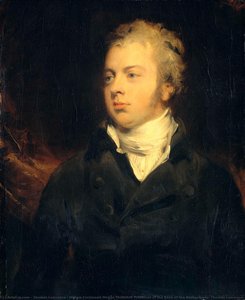
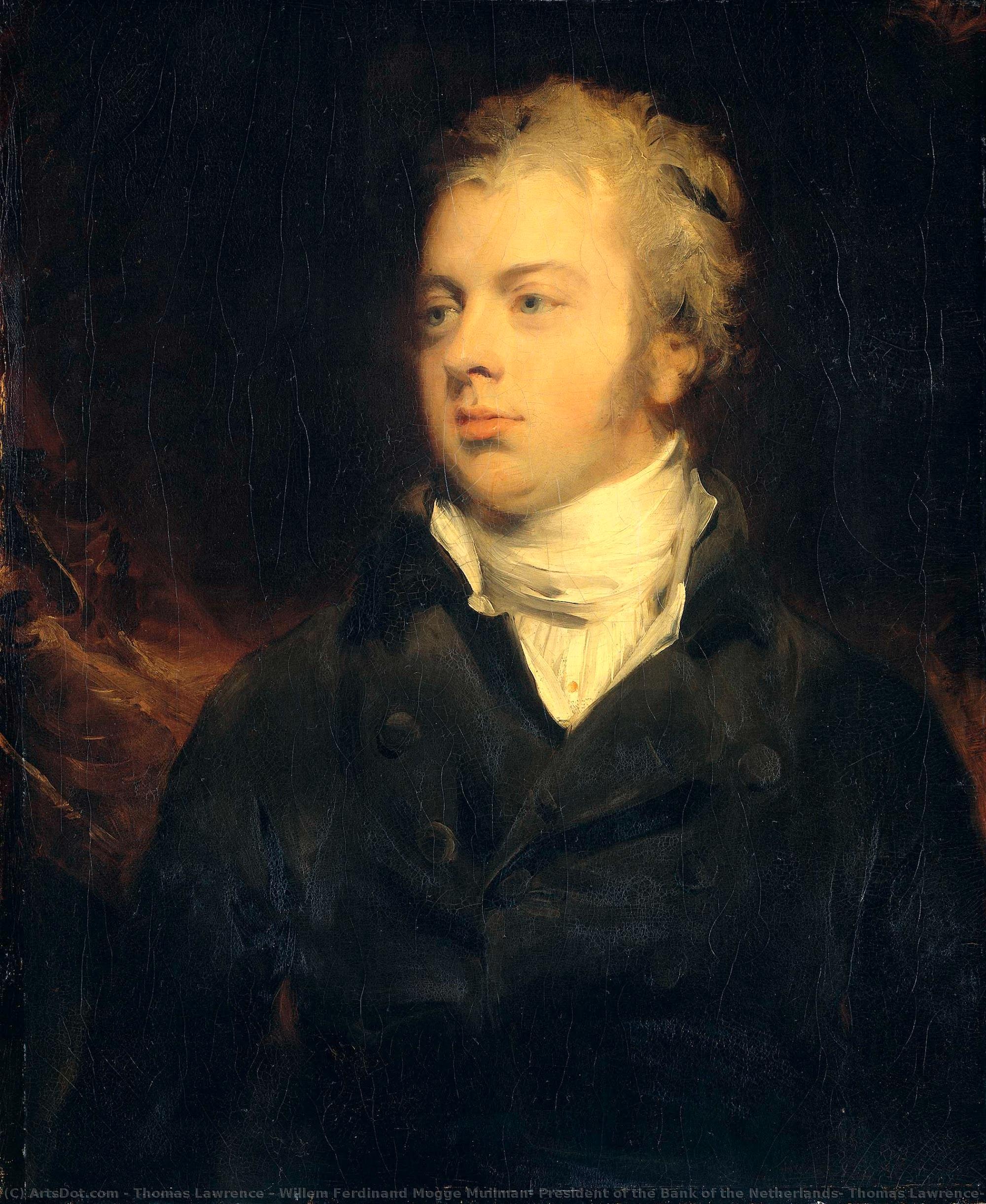
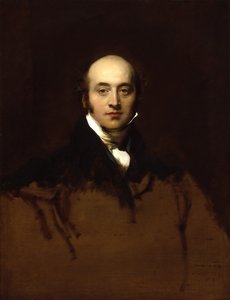
Willem Ferdinand Mogge Muilman, President of the Bank of the Netherlands, Thomas Lawrence, 1800
 Neoclassicism
 1800
1800 76.0 x 64.0 cm
 Read More
Giclée / Art Print
Museum-quality giclée or canvas print with fast production and flexible finish options. ( Buy Hand Made Painting Buy Image)




































Pick from our preset sizes that match the artwork's original proportions.

You may enter your own dimensions to fit a specific frame or space. If your selected size does not match the original image's proportions, we will either crop the artwork or extend the image with a mirrored or solid-fill edge. A digital mockup will be sent for your approval before production begins.
Please note that the on-screen preview does not reflect the actual cropping or extension. Only the mockup will accurately show the final composition.
While custom sizes are available, we recommend selecting a dimension from the predefined list to preserve the original proportions.
Worldwide Delivery () in 2 weeks instead of standard 4/5 weeks. (28 August)

Free Worldwide Express Shipping

High-Quality Linen Canvas

Full Shipping Insurance

Customs Tax Refund Guarantee

True Color Matching Guarantee

60-Day Return Policy (Defects Only)

100% Money-Back Guarantee

Bulk Discount Offer
 Glass option is only available in size under 110 CM

Willem Ferdinand Mogge Muilman, President of the Bank of the Netherlands, Thomas Lawrence, 1800
Giclée / Art Print
Reproduction Size
-


Total Price
$ 63
Related Artworks
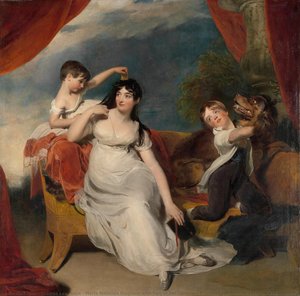
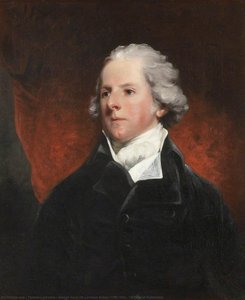
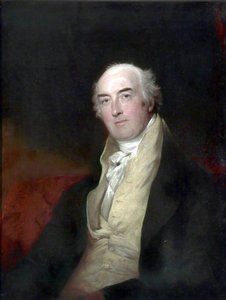
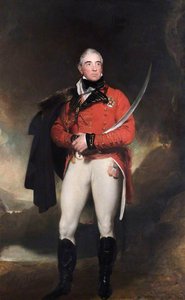
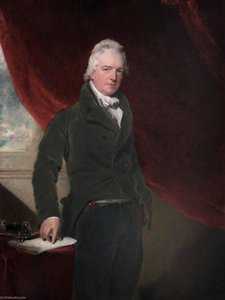
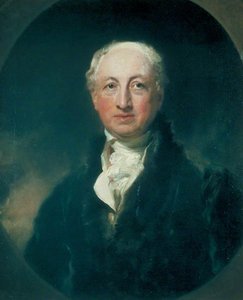
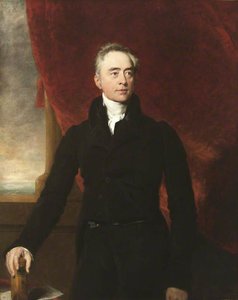
Artist Biography
The Gilded World of Thomas Lawrence: Portraitist of Regency Society
Thomas Lawrence, born in Bristol in 1769, was a child prodigy who ascended to become the preeminent portrait painter of his age – the glittering world of late Georgian and early Victorian England. Unlike many artists who struggled for recognition, Lawrence’s talent was immediately apparent. By the age of ten, he was supporting his family with pastel portraits, demonstrating an astonishing skill in capturing likenesses and a natural flair for composition. His early training involved copying works by established masters like Reynolds and Gainsborough, but it wasn't long before he developed a distinctive style that set him apart. He moved to London in 1787, entering the Royal Academy Schools and quickly gaining patronage from influential figures. Lawrence’s career flourished not merely through artistic merit, but also through his astute understanding of social dynamics and his ability to cultivate relationships with the aristocracy. He wasn't simply painting portraits; he was crafting images that reinforced status, beauty, and power.A Rising Star: Early Successes and Italian Influences
Lawrence’s early work already possessed a remarkable elegance and refinement. His portraits of young women, in particular, were celebrated for their delicate coloring, graceful poses, and flattering representations. He quickly became the darling of fashionable society, securing commissions from prominent families and establishing himself as a sought-after artist. A pivotal moment in his development came with his first visit to Italy in 1793. This journey was not undertaken for formal study, but rather to immerse himself in the artistic atmosphere of Rome and Florence, and importantly, to meet potential patrons among the European nobility. He absorbed the influence of Italian Renaissance masters – particularly Titian and Correggio – which manifested in his increasingly sophisticated use of light, shadow, and color. The Italian sojourn also allowed him to refine his technique of *sfumato*, creating a soft, hazy effect that added depth and allure to his portraits. Upon his return to England, Lawrence’s style had matured significantly, characterized by a greater sense of grandeur and a more polished finish. He was elected a Royal Academician in 1794, solidifying his position at the heart of the British art world.The Pinnacle of Regency Portraiture: Style and Technique
Lawrence’s mature style is synonymous with the elegance and opulence of the Regency period. His portraits are not simply records of physical appearance; they are carefully constructed narratives that convey a sense of wealth, status, and personality. He excelled at capturing the *sprezzatura* – an effortless grace and nonchalance – of his sitters, often depicting them in relaxed poses with subtle expressions. His technique was meticulous, involving multiple layers of glazing to achieve luminous skin tones and rich textures. Lawrence’s backgrounds were typically understated, allowing the focus to remain on the sitter's face and figure. He also became renowned for his *full-length portraits*, which showcased not only the individual but also their clothing, jewelry, and surroundings – symbols of their social standing. His ability to flatter his sitters was legendary; he understood how to manipulate light and shadow to create a more idealized image, often softening features and enhancing their beauty. He wasn’t afraid to subtly alter reality in pursuit of aesthetic perfection, making him immensely popular with those who desired a glamorous representation of themselves.Beyond the Brush: Diplomatic Missions and Later Years
Lawrence's success extended beyond the realm of art. In 1815, he was appointed official portrait painter to the Prince Regent (later George IV), and in 1818, he received a knighthood. He undertook several diplomatic missions for the British government, traveling to Vienna and Paris to paint portraits of European royalty and heads of state. These assignments not only provided him with valuable commissions but also allowed him to further cultivate his international reputation. His later work, however, began to show signs of fatigue and a decline in energy. He struggled with illness and increasingly relied on assistants to complete portions of his paintings. Despite this, he continued to receive prestigious commissions until his death in 1830.A Lasting Legacy: Lawrence’s Historical Significance
Thomas Lawrence left an indelible mark on the history of British portraiture. His work captures the spirit of the Regency era with unparalleled elegance and sophistication. He wasn't merely a painter; he was a social commentator, a diplomat, and a master of self-promotion.- His portraits provide invaluable insights into the lives and values of the aristocracy.
- He elevated portrait painting to new heights of technical skill and artistic refinement.
- His influence can be seen in the work of subsequent generations of portrait painters.
Related Articles
Sir Thomas Lawrence: Portraiture, Power & Regency Society's Aesthetics
Explore the captivating world of Sir Thomas Lawrence, Regency England's premier portraitist. Discover his artistic techniques, powerful representations of society, and enduring legacy. Expert insights for discerning art collectors.

Golden Age Reflections: Dutch Baroque Painting & Cultural Innovation
Explore the Dutch Golden Age of painting! Discover key artists like Vermeer & ter Borch, their innovative techniques, and the rich cultural context behind these Baroque masterpieces. Learn about collecting & appreciating this iconic art period.
Illuminating Realism: Exploring the Dutch Golden Age of Painting (1600-1700)
Explore the Dutch Golden Age of painting (1600-1700) with ArtsDot. Discover Rembrandt, Vermeer & other masters. Learn about techniques, history & find museum-quality reproductions.

Dutch Masters: 10 Golden Age Paintings That Still Inspire |
Journey into the Dutch Golden Age! Explore 10 iconic paintings by Rembrandt, Vermeer & Hals. Discover the stories behind these Baroque masterpieces and find museum-quality art reproductions to elevate your home decor on .

Illuminating Innovation: Exploring the Dutch Golden Age of Painting
Explore the Dutch Golden Age of painting with ArtsDot. Discover Rembrandt, Vermeer & other Masters. Learn about key characteristics, iconic artworks, and lasting influence. Expert insights for collectors & enthusiasts.