 Preview
 Send
Send Share
Share
 Details

 Download
 Similars
 X-Ray
X-Ray Diaporama
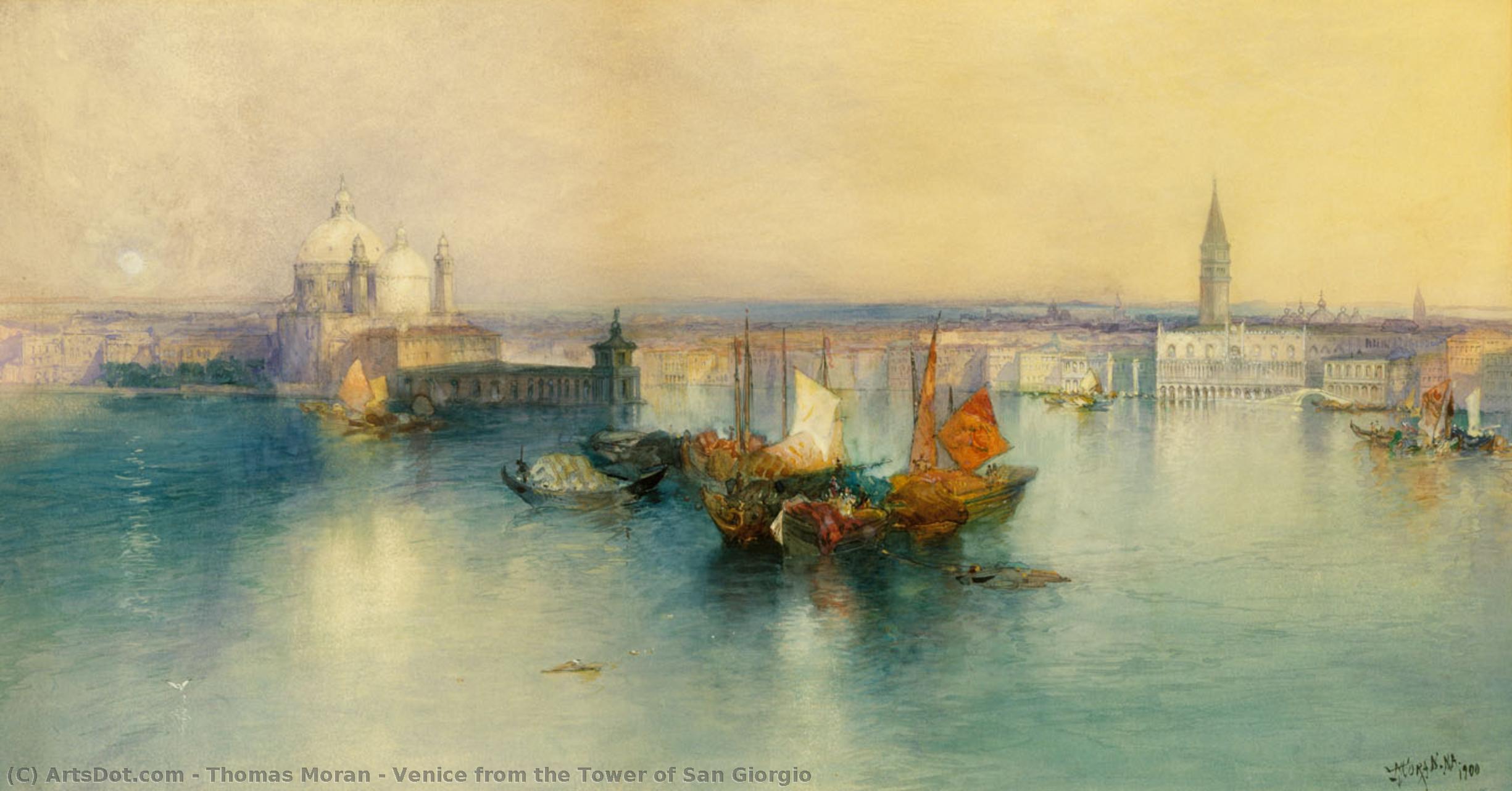
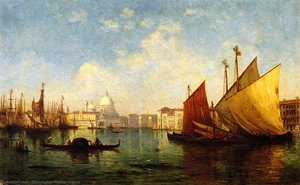
Venice from the Tower of San Giorgio
 Watercolor
- WallArt
- Romanticism
 1900
1900 42.0 x 74.0 cm
 Smithsonian American Art Museum
 Read More
Giclée / Art Print
Museum-quality giclée or canvas print with fast production and flexible finish options. ( Buy Hand Made Painting Buy Image)




P118B $10

P118H $10

P118W $10

P438Z $10

P508JH $12

P508YH $12

P805H $10

P805Z $10

P919BZ $10

P919G $10

P919XJ $10

P959ZH $10

P968JZ $12

W106C $8

W218G $10

W218JH $8

W218Y $10

W307PJ $10

W316G $10

W316PJ $8

W316Y $10

W398PJ $8

W4111J $10

W500HY $15

W500JH $15

W692G $12

W849H $8

W940BG $15

W953PJ $8




Pick from our preset sizes that match the artwork's original proportions.

You may enter your own dimensions to fit a specific frame or space. If your selected size does not match the original image's proportions, we will either crop the artwork or extend the image with a mirrored or solid-fill edge. A digital mockup will be sent for your approval before production begins.
Please note that the on-screen preview does not reflect the actual cropping or extension. Only the mockup will accurately show the final composition.
While custom sizes are available, we recommend selecting a dimension from the predefined list to preserve the original proportions.
Worldwide Delivery () in 2 weeks instead of standard 4/5 weeks. (22 August)

Free Worldwide Express Shipping

High-Quality Linen Canvas

Full Shipping Insurance

Customs Tax Refund Guarantee

True Color Matching Guarantee

60-Day Return Policy (Defects Only)

100% Money-Back Guarantee

Bulk Discount Offer
 Glass option is only available in size under 110 CM

Venice from the Tower of San Giorgio
Giclée / Art Print
Reproduction Size
-


Total Price
$ 63
Collectible Description
Venice from the Tower of San Giorgio: A Masterpiece of Romantic Light
Thomas Moran’s “Venice from the Tower of San Giorgio,” painted in 1900, isn't merely a depiction of a city; it’s an immersion into a fleeting moment of ethereal beauty. This watercolor on paperboard captures the heart of Venice – its shimmering canals, the majestic silhouette of the Doge’s Palace, and the iconic campanile of San Giorgio Maggiore rising above the lagoon – all bathed in the soft, diffused light of twilight. More than just a landscape painting, it's a testament to Moran’s ability to evoke atmosphere and emotion through color and composition, firmly establishing him as a pivotal figure within the American Hudson River School.
Moran, born in Bolton, England, brought with him an early fascination for the sea – a theme that subtly permeates his work, even when depicting seemingly landlocked vistas. His family’s emigration to America instilled a deep appreciation for the vastness of nature and the dramatic interplay of light and shadow. This journey profoundly shaped his artistic vision, influencing his choice of subjects and his meticulous attention to detail. The painting reflects this early influence, demonstrating a sensitivity to the nuances of natural light that would become a hallmark of his style.
The Romantic Vision: Palladio’s Influence and the Pursuit of Light
The composition itself is deeply rooted in the principles of Romanticism, a movement that prioritized emotion, imagination, and the sublime. Moran clearly drew inspiration from J.M.W. Turner, whose masterful use of light and color profoundly impacted his own approach to landscape painting. Like Turner, Moran sought not simply to represent reality but to capture its essence – the feeling of being present in a particular place at a specific moment. The tower of San Giorgio Maggiore acts as a crucial compositional element, drawing the eye into the scene and anchoring the viewer within the vastness of the Venetian lagoon.
Notably, the painting’s genesis is intertwined with the architectural legacy of Andrea Palladio. Moran was commissioned to create this view specifically for Jay Cooke, a prominent financier who was instrumental in establishing Yellowstone National Park. Cooke, captivated by Palladio's designs, envisioned a similar harmony between architecture and nature, and he tasked Moran with capturing this ideal on canvas. The painting’s careful balance of man-made structures – the tower, the palace – and the natural world reflects this broader ambition.
Technique and Palette: A Symphony of Color
Moran's technique is characterized by a remarkable control over watercolor—a medium he expertly manipulated to achieve both delicate detail and broad washes of color. The painting’s luminosity stems from his masterful use of layering, glazing, and scumbling – techniques that build up the image gradually, creating a sense of depth and atmosphere. The palette is predominantly cool, dominated by blues, violets, and greens, reflecting the twilight hour. However, strategically placed highlights—particularly in the reflections on the water and the details of the buildings—add warmth and vibrancy to the scene.
Observe how Moran captures the subtle shifts in color as the light fades. The distant buildings are rendered in softer hues, while those closer to the viewer retain more detail and intensity. This careful gradation creates a convincing illusion of depth and distance, drawing the eye into the heart of the painting. The brushstrokes themselves are loose and expressive, contributing to the overall sense of movement and dynamism.
Symbolism and Emotional Resonance
Beyond its technical brilliance, “Venice from the Tower of San Giorgio” resonates with a profound sense of nostalgia and longing. The twilight setting evokes a feeling of melancholy beauty—a recognition of the fleeting nature of time and the impermanence of all things. Venice itself has long been associated with romance, mystery, and artistic inspiration, and Moran’s painting captures this spirit perfectly.
The inclusion of the tower of San Giorgio Maggiore is particularly significant. The tower, a symbol of faith and resilience, stands as a beacon in the darkening sky, offering a sense of stability and continuity amidst the ever-changing flow of the lagoon. Ultimately, Moran’s masterpiece invites us to contemplate the beauty of the natural world, the enduring legacy of architectural genius, and the profound emotional power of art.
Related Artworks

Artist Biography
A Pioneer of the American West
Thomas Moran, born in Bolton, England, in 1837, wasn’t destined for a life steeped in the rugged beauty of the American landscape he would come to immortalize. His family's emigration to the United States in 1844, seeking opportunity and escaping the burgeoning industrialization of their homeland, proved pivotal. This early transatlantic journey instilled within young Moran a lifelong fascination with the sea – a theme that subtly echoed throughout his later depictions of landlocked vistas. Initially apprenticed as a wood engraver in Philadelphia, he quickly discovered his true calling lay not in replicating images but creating them. The meticulous detail demanded by engraving honed his observational skills, yet it was the burgeoning world of watercolor and the influence of artists like J.M.W. Turner that truly ignited his artistic spirit. Moran’s brother, Edward, also a marine artist, provided early collaboration and support, sharing studio space and fostering a shared dedication to their craft. This familial bond laid the foundation for a career that would redefine how America saw itself – and its western territories.The Hudson River School and Beyond
Moran’s artistic development was deeply intertwined with the Hudson River School, though he ultimately transcended its conventions. While inheriting their reverence for nature and dramatic use of light and shadow, Moran brought a unique perspective shaped by his own experiences and an evolving American identity. The Hudson River School painters often focused on taming the wilderness, presenting it as a benevolent space ripe for cultivation. Moran, however, captured the West’s untamed grandeur with a sense of awe and respect that bordered on reverence. His style blended meticulous realism with romantic idealism, creating scenes that were both visually stunning and emotionally resonant. He wasn't merely documenting landscapes; he was crafting myths – visions of a land brimming with potential and spiritual significance. The influence of Turner is undeniable in Moran’s work—the swirling skies, the atmospheric perspective, and the emphasis on light as a transformative force all bear witness to this artistic debt. Yet, Moran infused these techniques with an American sensibility, focusing on the unique geological formations and vast scale of the Western territories.Documenting a Nation's Expansion
Moran’s career reached its zenith during a period of intense national expansion and exploration. In 1871, he joined a government-sponsored expedition to Yellowstone, an area largely unknown to most Americans. The sketches and paintings that emerged from this journey were nothing short of revelatory. His monumental canvas, The Grand Canyon of the Yellowstone, purchased by the U.S. government for $10,000 – a staggering sum at the time – played a crucial role in galvanizing public support for establishing Yellowstone as the nation’s first national park in 1872. This wasn't simply artistic achievement; it was an act of conservation advocacy. Moran’s art didn’t just reflect the beauty of the West, it actively shaped its preservation. He continued to document other significant landscapes, including the Colorado River and the Grand Canyon, further solidifying his reputation as the premier painter of the American West. His work became synonymous with the spirit of exploration and the promise of a new frontier.Legacy and Enduring Influence
Thomas Moran’s contributions extend far beyond his breathtaking canvases. He helped to define America's visual identity, shaping how generations perceived their own landscape. His paintings weren’t just representations of place; they were statements about national pride, environmental stewardship, and the power of art to influence public opinion. His legacy continues to inspire artists today, and his works remain highly sought after by museums and collectors worldwide. The Smithsonian American Art Museum, among many others, proudly displays his masterpieces, ensuring that his vision endures for future generations. While often categorized within the Hudson River School or the Rocky Mountain School, Moran’s artistic voice was distinctly his own—a powerful blend of observation, imagination, and a deep reverence for the natural world. He passed away in Santa Barbara, California, in 1926, leaving behind a body of work that continues to captivate and inspire, reminding us of the enduring beauty and fragility of the American West.Key Works & Recognition
- The Grand Canyon of the Yellowstone (1872): A pivotal painting instrumental in establishing Yellowstone National Park.
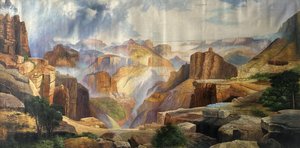
- Chasm of the Colorado (1873-74): Showcasing the immense scale and dramatic beauty of the Grand Canyon.
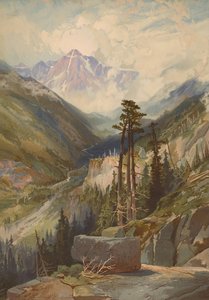
- Mountain of the Saints, Jackson Hole, Wyoming (1895): Demonstrating his mastery of atmospheric perspective and light.
- Numerous sketches and watercolors documenting expeditions to Yellowstone, Colorado, and other Western territories.
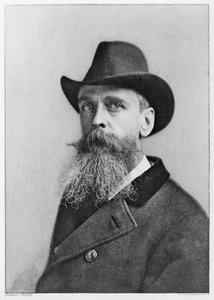
Thomas Moran
1837 - 1926 , United Kingdom
Quick Facts
- Artistic Movement Or Style: Hudson River School
- Artists Or Movements Influenced By This Artist: ['Rocky Mountain School']
- Artists Who Influenced This Artist: ['J.M.W. Turner']
- Date Of Birth: February 12, 1837
- Date Of Death: August 25, 1926
- Full Name: Thomas Moran
- Nationality: American
- Notable Artworks:
- Grand Canyon of Yellowstone
- The Chasm of the Colorado
- Place Of Birth: Bolton, England
Related Articles

Watercolor Wonders: 10 Masterpieces That Redefined Art History | ArtsDot
Journey through 10 legendary watercolor masterpieces by Sargent, Turner & Homer! Explore iconic landscapes, portraits & floral art that redefined history. Find museum-quality reproductions and curated decor ideas at ArtsDot.com.

Ephemeral Visions: Exploring the Artistic Legacy & Contemporary Practice of Watercolor Painting
Explore the captivating world of watercolor painting! Discover its rich history, essential techniques, influential artists & collecting tips. A comprehensive guide for art enthusiasts from ArtsDot.

Ephemeral Visions: Exploring the History & Emotional Resonance of Watercolor Painting
Explore the captivating history of watercolor painting, from ancient techniques to modern masters like Kandinsky & Blake. Discover essential artists, collecting tips & the emotional power of this luminous medium. Expert insights for art enthusiasts.

Ephemeral Visions: Exploring the Artistic Legacy & Nuances of Watercolor Painting
Explore the captivating world of watercolor painting! Discover its rich history, essential techniques, influential artists & collecting tips from art experts. A comprehensive guide for enthusiasts.
Ephemeral Echoes: Exploring the Aesthetic & Historical Significance of Vintage Watercolor Painting
Explore the captivating world of vintage watercolor painting! Discover its rich history, techniques, influential artists & collecting tips. Expert insights for enthusiasts and collectors at ArtsDot.