 Preview
 Send
Send Share
Share
 Details

 Download
 Similars
 X-Ray
X-Ray Diaporama
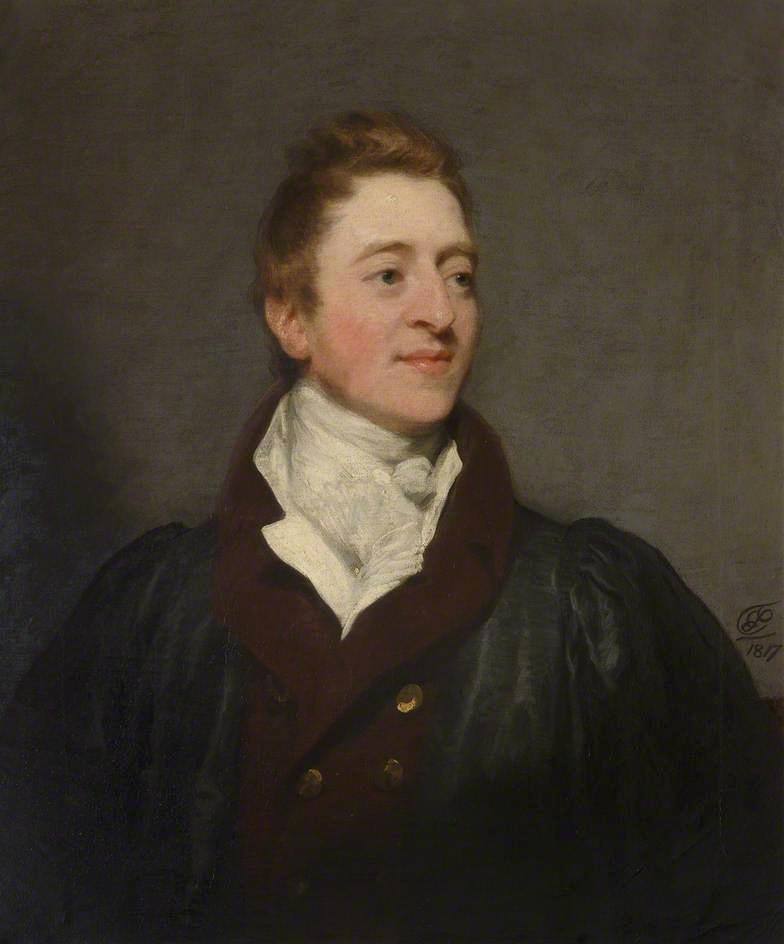
Hugh Percy, 3rd Duke of Northumberland


 Read More
Hand Made Oil Reproduction
Hand-painted oil on canvas in your size and frame, made to order by our artists. ( Buy Print Buy Image)




P118B $10

P118H $10

P118W $10

P438Z $10

P508JH $12

P508YH $12

P805H $10

P805Z $10

P919BZ $10

P919G $10

P919XJ $10

P959ZH $10

P968JZ $12

W106C $8

W218G $10

W218JH $8

W218Y $10

W307PJ $10

W316G $10

W316PJ $8

W316Y $10

W398PJ $8

W4111J $10

W500HY $15

W500JH $15

W692G $12

W849H $8

W940BG $15

W953PJ $8




Pick from our preset sizes that match the artwork's original proportions.

You may enter your own dimensions to fit a specific frame or space. If your selected size does not match the original image's proportions, we will either crop the artwork or extend the painting with additional hand-painted elements. A digital mockup will be sent for your approval before production begins.
Please note that the on-screen preview does not reflect the actual cropping or extension. Only the mockup will accurately show the final composition.
While custom sizes are available, we recommend selecting a dimension from the predefined list to preserve the original proportions.
After order, ArtsDot.com team will email client for instructions and provide a mockup preview
Worldwide Delivery () in 3/4 weeks instead of standard 5 weeks. (17 August). No compromise on quality.

Free Worldwide Express Shipping

High-Quality Linen Canvas

Full Shipping Insurance

Customs Tax Refund Guarantee

True Color Matching Guarantee

60-Day Return Policy (Defects Only)

100% Money-Back Guarantee

Bulk Discount Offer
 Glass option is only available in size under 110 CM

Hugh Percy, 3rd Duke of Northumberland
Reproduction Medium
Reproduction Size
-


Total Price
$ 263
Artwork Description
A Portrait of Command: Hugh Percy, 3rd Duke of Northumberland
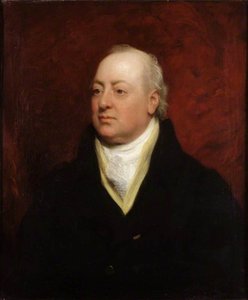
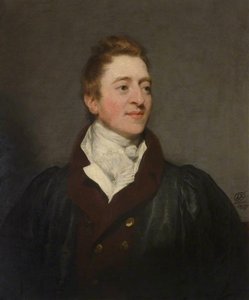
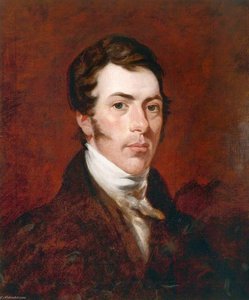
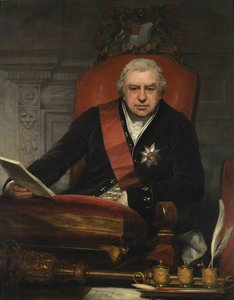
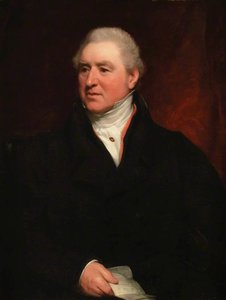
Thomas Phillips’s 1817 portrait of Hugh Percy, 3rd Duke of Northumberland, is more than simply a likeness; it's a carefully constructed tableau of power, duty, and restrained dignity. Rendered in the rich, controlled palette characteristic of late Georgian and early Romantic portraiture, the painting offers a glimpse into the life of a prominent figure navigating the complexities of British society during a period of significant political and social change. The Duke himself—a man of considerable military experience, serving with distinction in the American War of Independence and later as Lord Lieutenant of Ireland—projects an aura of composed authority, his gaze direct yet subtly contemplative.
The composition is classically balanced, adhering to a three-quarter pose that allows for detailed observation of the subject’s features. Phillips masterfully employs chiaroscuro – the dramatic interplay of light and shadow – to sculpt Percy's form, emphasizing the strength of his jawline, the firmness of his brow, and the subtle texture of his coat. The muted grey-brown background serves not as a distraction but rather as a grounding element, allowing the Duke’s figure to command attention and anchor the scene within a space of quiet formality. The careful use of lines defines the contours of his face, clothing, and hair with precision, while organic shapes—the folds in his coat, the curve of his neck—lend a sense of naturalism and human warmth to the otherwise structured arrangement.
A Window into Regency Society
To fully appreciate this portrait, it’s crucial to understand its historical context. The early 19th century was a time of immense social and political upheaval in Britain, following the Napoleonic Wars and the tumultuous years of the French Revolution. The aristocracy held considerable sway, yet faced increasing scrutiny from reformers and radicals demanding greater accountability. Portraits like this one were not merely decorative; they served as powerful statements of status, lineage, and civic responsibility. The Duke’s attire—the richly embroidered coat, the lace cravat—are all deliberate indicators of his wealth, rank, and connection to established traditions.
Further research reveals that Hugh Percy was a key figure in British politics, holding various important positions including Lord Lieutenant of Ireland. His involvement in military campaigns, particularly during the American War of Independence, shaped his character and contributed to his reputation for both bravery and strategic acumen. The portrait captures this complex legacy—a man simultaneously embodying the virtues of the established order and reflecting the challenges of a rapidly changing world.
The Art of Phillips: Technique and Detail
Thomas Phillips was a highly respected artist known for his meticulous attention to detail and his ability to capture both the physical likeness and the psychological essence of his subjects. His technique is characterized by layered brushwork, carefully blended colors, and a masterful understanding of light and shadow. The texture of Percy’s coat—the subtle sheen of the fabric, the delicate weave—is rendered with remarkable realism, inviting the viewer to almost feel its weight and smoothness.
Phillips's skill is particularly evident in his depiction of facial features. The Duke’s eyes, though somewhat distant, convey a sense of intelligence and self-awareness. The subtle lines around his mouth hint at both experience and perhaps a touch of melancholy. The artist’s use of highlights—particularly on the skin—creates a luminous effect that draws attention to the subject's face and adds depth to the overall composition. The portrait is a testament to Phillips’s dedication to capturing not just an image, but also the very spirit of his sitter.
Symbolism and Emotional Resonance
Beyond its technical merits, the portrait holds subtle symbolic significance. The Duke's posture—straight, dignified, and slightly turned towards the viewer—conveys a sense of authority and self-assurance. His gaze suggests both confidence and contemplation, inviting the viewer to engage with his thoughts and experiences. While the painting avoids overt emotional displays, it subtly communicates a feeling of stability, strength, and unwavering commitment to duty.
The muted color palette—dominated by browns, greys, and creams—contributes to the overall sense of gravitas and formality. It’s a deliberate choice that reflects the conservative values of the era and reinforces the Duke's position as a pillar of the establishment. Ultimately, Hugh Percy, 3rd Duke of Northumberland, is not merely a portrait; it’s a carefully crafted representation of a man—a leader, a soldier, and a symbol of an age.
Related Artworks
Artist Biography
Early Life and Artistic Foundations
Thomas Phillips, born in Dudley, Worcestershire, in 1770, emerged from relatively modest beginnings to become a prominent figure in the British art scene of the late 18th and early 19th centuries. His initial artistic training wasn’t within the traditional confines of painting, but rather in the craft of glass-painting under Francis Eginton in Birmingham. This foundational experience instilled in him a meticulous attention to detail and an understanding of color and light that would later characterize his portraiture. A pivotal moment arrived in 1790 when Phillips journeyed to London, armed with an introduction to Benjamin West, a leading artist of the time and a key figure in the Royal Academy. West’s guidance opened doors for Phillips, securing him employment on the painted-glass windows of St George's Chapel at Windsor Castle – a project that allowed him to hone his skills within a grand architectural context. This early exposure to large-scale decorative work undoubtedly shaped his compositional sensibilities and appreciation for narrative storytelling in art. In 1791, Phillips formally enrolled as a student at the Royal Academy, marking the beginning of his formal artistic education and his integration into the established art world.A Rising Portraitist: Style and Subject Matter
Phillips quickly found his niche in portraiture, though not without navigating a competitive landscape already populated by renowned artists like Thomas Lawrence and John Hoppner. Initially, his sitters were largely unknown individuals, but through dedication and skill, he steadily ascended the social ladder, attracting increasingly prominent figures to his studio. His style was characterized by a meticulous realism, reflecting both the influence of his early training in glass-painting and the prevailing artistic tastes of the era. He possessed an ability to capture not just physical likeness, but also something of the sitter’s character and intellect. This talent proved particularly valuable when portraying the “men of genius” – scientists, writers, poets, and explorers – who became a recurring theme in his work.Royal Patronage and Academic Recognition
The year 1804 marked a significant turning point in Phillips’ career with his election as an associate of the Royal Academy, alongside William Owen. This recognition solidified his position within the artistic establishment. Shortly thereafter, he relocated to 8 George Street, Hanover Square, a prestigious address that would remain his home and studio for the next four decades. His clientele continued to expand, encompassing members of the royal family and the aristocracy. He painted portraits of the Prince of Wales (later George IV), the Marchioness of Stafford, and Lord Thurlow, among others. A particularly celebrated portrait from this period is that of William Blake, now housed in the National Portrait Gallery – a work admired for its sensitive depiction of the poet’s intense gaze and visionary spirit. In 1808, Phillips achieved full academician status, presenting his diploma work *Venus and Adonis*, considered one of his most imaginative compositions, demonstrating a departure from purely portraiture into more ambitious narrative painting.Later Years: Professorship and Legacy
Phillips’s contributions to the art world extended beyond his own paintings. In 1825, he was appointed Professor of Painting at the Royal Academy, succeeding Henry Fuseli – a position he held until 1832. This role allowed him to share his knowledge and expertise with aspiring artists, shaping the next generation of British painters. He published *Lectures on the History and Principles of Painting* in 1833, offering insights into his artistic philosophy and pedagogical approach. While his later years saw a slight decline in public acclaim, Phillips remained a respected figure within the art community until his death in 1845. His legacy lies not only in the numerous portraits he created – capturing the likenesses of many notable figures of his time – but also in his dedication to artistic education and his contribution to the development of British portraiture. He left behind a body of work that reflects both the technical skill and the intellectual curiosity of an artist deeply engaged with the cultural landscape of his era. His attention to detail, combined with a sensitivity to character, ensures his place as a significant figure in 19th-century British art.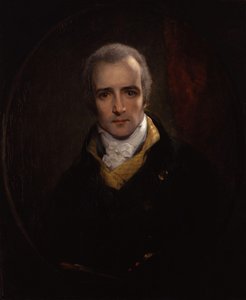
Thomas Phillips
1770 - 1845 , United Kingdom
Quick Facts
- Artistic Movement Or Style: Romanticism
- Artists Who Influenced This Artist: ['Benjamin West']
- Date Of Birth: 1770
- Date Of Death: 1845
- Full Name: Thomas Phillips
- Nationality: British
- Notable Artworks:
- Venus and Adonis
- Lord Byron
- Canon Gisborne
- Place Of Birth: Dudley, UK
Related Articles
Marianne North's Masterpieces: 25 Botanical Paintings That Bloom With Adventure | ArtsDot
Journey through the vibrant world of Marianne North’s botanical paintings! Explore 25 iconic artworks from this Victorian artist, celebrating exotic flora & travel. Find museum-quality reproductions and curated decor ideas at ArtsDot.com.
Thomas Phillips: Portraiture, Patronage & the Rise of Victorian Society Art
Explore the life & work of Thomas Phillips (1770-1845), a leading Victorian portrait painter renowned for his captivating portrayals of Britain's 'men of genius'. Discover his artistic journey, patronage, and lasting legacy.
Arthur Hughes: Pre-Raphaelite Visions of Beauty & Melancholy
Explore the captivating world of Arthur Hughes (1832-1915), a leading Pre-Raphaelite painter. Discover his dreamy landscapes, poetic narratives & iconic Victorian artworks. Learn about his life, style & collecting today.
Thomas Barker of Bath: Landscape Painting & Societal Reflection in Early 19th-Century England
Explore the life & work of Thomas Barker of Bath, a key figure in 19th-century English Romanticism. Discover his Parisian success, iconic paintings like 'The Bride of Death', and lasting artistic legacy. Learn more at ArtsDot.
Thomas Sandby: Pioneering Watercolourist & Topographer of Georgian England
Explore the life & art of Thomas Sandby (1721-1798), a pioneering English watercolourist and architect. Discover his innovations, role in founding the Royal Academy, and lasting legacy at ArtsDot.