 Preview
 Send
Send Share
Share
 Details

 Download
 Similars
 X-Ray
X-Ray Diaporama
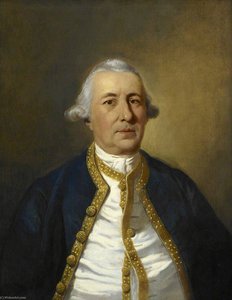
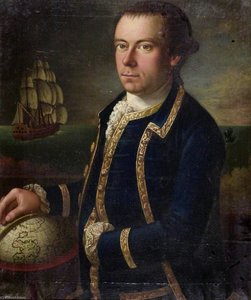
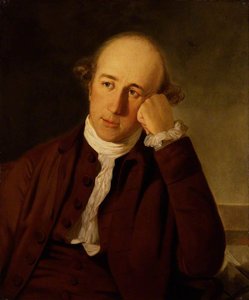
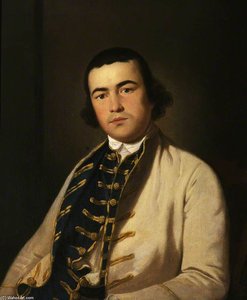
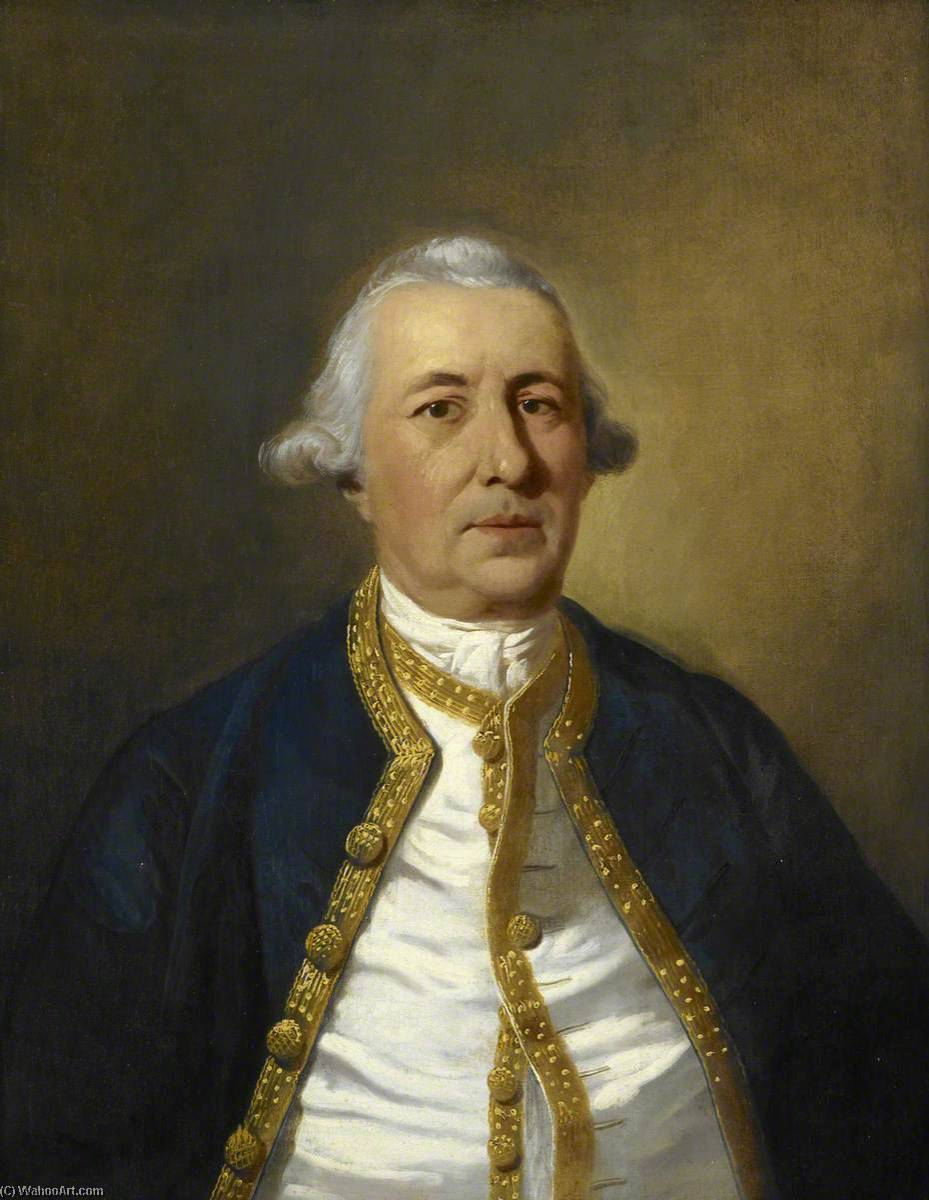
Captain Peter Marriette, Ship's Captain
 Oil On Canvas
- WallArt
- Neoclassicism
 1769
1769 75.0 x 64.0 cm
 British Library
 Read More
Hand Made Oil Reproduction
Hand-painted oil on canvas in your size and frame, made to order by our artists. ( Buy Print Buy Image)




P118B $10

P118H $10

P118W $10

P438Z $10

P508JH $12

P508YH $12

P805H $10

P805Z $10

P919BZ $10

P919G $10

P919XJ $10

P959ZH $10

P968JZ $12

W106C $8

W218G $10

W218JH $8

W218Y $10

W307PJ $10

W316G $10

W316PJ $8

W316Y $10

W398PJ $8

W4111J $10

W500HY $15

W500JH $15

W692G $12

W849H $8

W940BG $15

W953PJ $8




Pick from our preset sizes that match the artwork's original proportions.

You may enter your own dimensions to fit a specific frame or space. If your selected size does not match the original image's proportions, we will either crop the artwork or extend the painting with additional hand-painted elements. A digital mockup will be sent for your approval before production begins.
Please note that the on-screen preview does not reflect the actual cropping or extension. Only the mockup will accurately show the final composition.
While custom sizes are available, we recommend selecting a dimension from the predefined list to preserve the original proportions.
After order, ArtsDot.com team will email client for instructions and provide a mockup preview
Worldwide Delivery () in 3/4 weeks instead of standard 5 weeks. (16 August). No compromise on quality.

Free Worldwide Express Shipping

High-Quality Linen Canvas

Full Shipping Insurance

Customs Tax Refund Guarantee

True Color Matching Guarantee

60-Day Return Policy (Defects Only)

100% Money-Back Guarantee

Bulk Discount Offer
 Glass option is only available in size under 110 CM

Captain Peter Marriette, Ship's Captain
Reproduction Medium
Reproduction Size
-


Total Price
$ 263
Artwork Description
Captain Peter Marriette, Ship's Captain – A Neoclassical Portrait of Authority
Tilly Kettle’s “Captain Peter Marriette,” painted in 1769, transcends mere representation; it embodies the spirit of Enlightenment Britain and its burgeoning fascination with the East Indies. This striking oil painting captures the dignified visage of Peter Marriette, a prominent figure within the British East India Company, offering a glimpse into both artistic innovation and societal ambition during a pivotal era.Subject Matter & Composition
The portrait depicts Marriette as an elderly gentleman seated in profile against a muted backdrop—a deliberate choice that prioritizes clarity and focuses attention squarely on his countenance. Kettle’s masterful composition employs one-point perspective, drawing the viewer's gaze directly towards Marriette’s face, emphasizing his presence and conveying a sense of solemn contemplation. The figure occupies nearly half of the canvas vertically, reinforcing its importance as the central subject of artistic endeavor.Style & Technique – Embracing Neoclassicism
Kettle adheres rigorously to the principles of Neoclassicism—a movement that championed idealized beauty and rational order in response to Rococo’s frivolity. The painting's style reflects this ethos through its meticulous realism, achieved with painstaking attention to detail—particularly in rendering Marriette’s facial features and hair texture. Kettle skillfully utilizes brushstrokes to sculpt volume and form, creating a palpable sense of solidity and conveying the subject’s age gracefully. The smooth surface finish characteristic of oil paint technique contributes to the artwork's polished aesthetic.Color Palette & Lighting – Symbolism of Status
Dominating the color scheme is a palette dominated by blues—representing maritime authority and trustworthiness—and whites—symbolizing purity and nobility. Accents of gold trim adorning Marriette’s coat subtly underscore his elevated social standing, aligning perfectly with the opulent attire favored by individuals within positions of power during the eighteenth century. Soft, diffused lighting illuminates Marriette's face evenly, avoiding harsh shadows and fostering an atmosphere of serenity—a deliberate stylistic choice intended to convey respect for the subject and reinforce his dignified demeanor.Historical Context & Significance
“Captain Peter Marriette” stands as a testament to Tilly Kettle’s pioneering role in establishing British portraiture within India's cultural sphere. At the time, the East India Company held sway over vast territories, shaping commerce, politics, and artistic patronage. Kettle’s success exemplifies the willingness of artists to venture beyond traditional commissions and engage with new intellectual currents—a hallmark of the Enlightenment period. The painting serves as a captivating window into the social values and aesthetic sensibilities of Britain during its imperial expansion.Emotional Impact & Artistic Legacy
More than just a likeness, Kettle's portrait conveys Marriette’s inner strength and wisdom—a reflection of the ideals championed by Neoclassicism. It invites contemplation on themes of dignity, honor, and responsibility—qualities deemed essential for leadership during an era defined by ambition and exploration. “Captain Peter Marriette” remains a celebrated exemplar of British artistic achievement, securing Tilly Kettle’s place as one of the foremost portrait painters of his time and cementing Neoclassicism's enduring influence on Western art history.Related Artworks

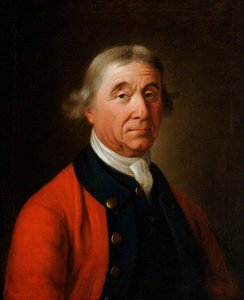
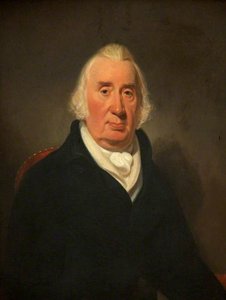
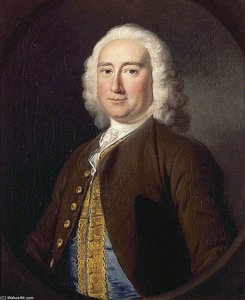
Artist Biography
The First Englishman Painting India
Tilly Kettle (1735–1786) stands as a singular figure in British art history—the first prominent English portrait painter to establish himself successfully within the vibrant cultural landscape of India during the zenith of the East India Company’s dominion. Born in London, the son of a coach painter from a family steeped in brewing tradition for five decades, Kettle's artistic journey began with foundational training under William Shipley at the Strand. This early apprenticeship placed him within a burgeoning artistic milieu eager to explore new horizons beyond the traditional confines of the English countryside.
His professional foray into portraiture commenced in the 1750s, swiftly gaining recognition for his ability to capture likenesses with remarkable accuracy and sensitivity. Kettle’s early canvases—primarily self-portraits from 1760—immediately signaled his ambition and established him as a rising talent within the Society of Artists, founded in 1761. This initial exhibition solidified his position amongst fellow artists striving for acclaim and propelled him toward greater commissions. His early career was marked by a refined ability to document the dignity and status of his subjects, notably through his work with the members of the Dartmouth family.
Beyond the borders of England, Kettle’s legacy is defined by his extraordinary expedition in 1768. Traveling alongside the East India Company, he landed at Madras, an experience that would profoundly transform his artistic vision and subject matter. This period allowed him to bridge two worlds, blending European neoclassical techniques with the exoticism and grandeur of the Indian subcontinent. His work from this era serves as a vital historical record, capturing the complex intersections of British colonial presence and local Indian life.
Artistic Mastery and Notable Works
Kettle’s technique was characterized by a remarkable realism and an ability to render both the textures of opulent fabrics and the subtle nuances of human emotion. His repertoire spans a diverse range of subjects, from the aristocratic elegance of Georgian England to the commanding figures of the East India Company's influence in India. Some of his most significant contributions to the art world include:
- Portrait of Anne Howard-Vyse: A captivating 1780 portrait that showcases the opulent fashion of the era, featuring an extravagant wig and hat that offer a window into the aristocratic style of Georgian England.
- Captain Peter Marriette, Ship's Captain: Created in 1769, this neoclassical portrait utilizes a palette of blues and gold to depict an elderly captain with profound historical significance and realism.
- Eliza And Mary Davidson: A serene neoclassical work depicting two young women set within a woodland landscape, demonstrating Kettle's mastery of 18th-century elegance and naturalistic settings.
- Indian Portraits: His documentation of figures such as Lord Pigot and Muhammad Ali Khan, which stand as testaments to his ability to navigate and interpret the cultural complexities of Madras.
Through these works, Kettle did more than merely record faces; he captured the very essence of an era defined by expansion, trade, and the meeting of disparate cultures. His ability to adapt his style to suit both the formal requirements of British portraiture and the vibrant, often overwhelming, sensory landscape of India ensures his enduring place in the annals of art history.
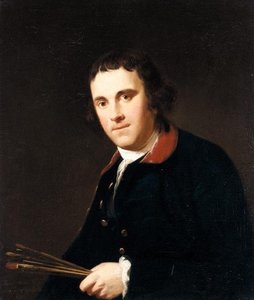
Tilly Kettle
1735 - 1786 , United Kingdom
Quick Facts
- Artistic Movement Or Style: Neoclassical
- Artists Or Movements Influenced By This Artist: ['Brasenose College']
- Artists Who Influenced This Artist: ['William Shipley']
- Date Of Birth: London, United Kingdom (1735)
- Date Of Death: 1786
- Full Name: Tilly Kettle
- Nationality: British
- Notable Artworks:
- Eliza & Mary Davidson
- Captain Peter Marriette
- Commodore John Watson
- Place Of Birth: London
Related Articles

Shipping & Returns
APS delivers expert worldwide art shipping with museum-grade care, full tracking, and a 30-day money-back guarantee. From customs support to Priority Production, trust transparent service, secure packaging, and reliable delivery for collectors, designers, and galleries.
18th Century Masters: 10 Artworks That Define an Era | ArtsDot
Journey through 18th century art! Explore 10 iconic paintings – from Rococo elegance to Neoclassical grandeur. Discover Fragonard, David & more. Find museum-quality reproductions and elevate your home decor on ArtsDot.com.

F.A.Q.: Worldwide Free Shipping – Ensuring Your Art Arrives Safely, Globally
ensures your valuable artwork arrives safely worldwide with our expert packaging & secure shipping. Learn about our global logistics, customs support, and 100% satisfaction guarantee for elite collectors.

F.A.Q.: How Are Shipping Costs Calculated for Art Orders on ?
Discover 's shipping process for discerning collectors. Learn about free worldwide delivery, secure packaging, customs support & costs. Invest with confidence.

Rolled Canvas Shipping: A Secure & Economical Art Delivery Solution for Hotels
Discover secure & cost-effective rolled canvas shipping solutions for hotel art projects with . Expert packaging, global delivery, and peace of mind guaranteed.