

 Preview
 Send
Send Share
Share
 Details

 Download
 Similars
 X-Ray
X-Ray Diaporama
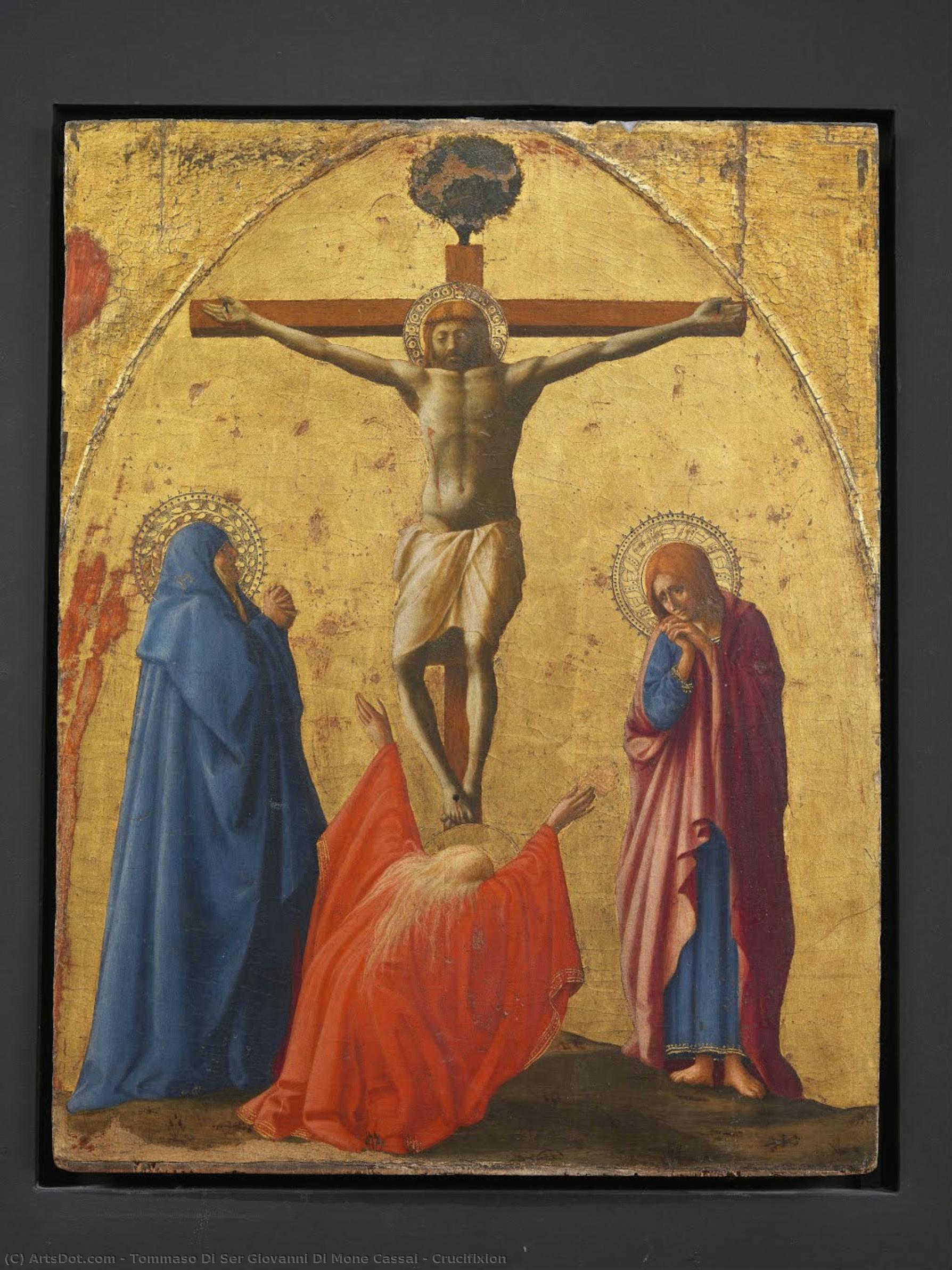
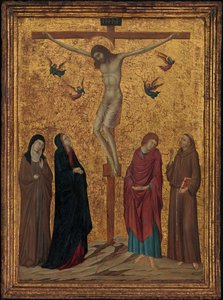
Crucifixion


 Read More
Purchase a high-resolution, enhanced digital image, far superior to the online preview.
Each file is meticulously prepared by our in-house specialists using advanced tools and expert manual retouching. We ensure every image has exceptional clarity, precise color accuracy, and fine detail.
The final file is delivered via email within 72 hours, optimized for immediate use in professional, editorial, and print environments. This is the same quality trusted by top-tier design studios, publishers, and galleries.
Digital Image
Download a high-resolution file for personal display, printing, and creative projects. ( Buy Print Buy Hand Made Painting)
Included in Every Digital Image Order
Expert Digital Delivery, Guaranteed
When you choose ArtsDot.com, you're not just getting an image - you're receiving a professionally enhanced digital artwork, crafted with precision and backed by a satisfaction guarantee. Here's everything that comes with your order, automatically:

Fast Email Delivery
Your high-resolution digital image file will be emailed to you within 72 hours of ordering - ready for immediate use.

AI-Enhanced Digital File
Your artwork is professionally optimized using advanced AI tools and manual editing, ensuring maximum detail, clarity, and color accuracy.

Free Lifetime Re-Delivery
Accidentally deleted or lost your file? No worries - we'll resend it to you anytime, free of charge.

No Import Fees - Ever
Enjoy your artwork instantly with zero customs, duties, or delivery fees - digital downloads are always tax-free.

Color Accuracy Guarantee
We ensure your digital image reflects the original colors as closely as possible using professional tools and color management.

60-Day Satisfaction Guarantee
If you're not satisfied with your digital image, we'll revise it or refund 100% within 60 days - no questions asked.

100% Money-Back Guarantee
Not satisfied? Get a full refund within 60 days of receiving your digital file - no questions asked.

Bulk Order Discounts
Buy 3 images, save 10% - Buy 5, save 15% - Buy 10+, save 20%. Great for creative projects, galleries, and agencies.
Related Artworks
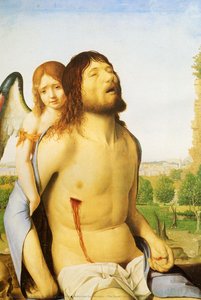
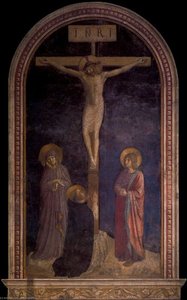
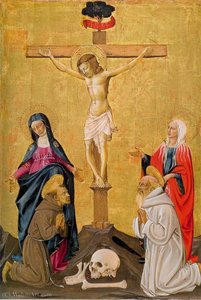
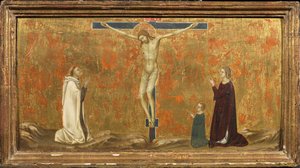
Artist Biography
Tommaso di Ser Giovanni di Mone Cassai: The Dawn of Renaissance Vision
Tommaso di Ser Giovanni di Mone Cassai, more famously known as Masaccio, stands as a pivotal figure in the transition from medieval to Renaissance art – a revolutionary painter whose brief but intensely productive career fundamentally reshaped Western artistic practice. Born in Castel San Giovanni di Valdarno, near Florence, in December 1401, his life was tragically cut short at the age of twenty-seven, yet within those six years he laid the groundwork for countless artists to come. His story is one of remarkable innovation, a testament to the power of observation and a profound understanding of human form and space – qualities that would define the burgeoning Renaissance spirit. Little is definitively known about his early life beyond his family’s notary lineage; however, it's believed he received his initial artistic training under Bicci di Lorenzo, absorbing the stylistic conventions of the time while simultaneously developing an independent vision.The Revolutionary Techniques of a Florentine Master
Masaccio’s genius lay not in elaborate ornamentation or fantastical narratives, but in a radical commitment to realism and spatial representation. He was among the first artists to truly master linear perspective – a technique rediscovered from ancient architectural principles – and to apply it with breathtaking accuracy to painting. This wasn't merely a clever illusion; Masaccio used perspective to create a convincing sense of depth and volume within his compositions, drawing the viewer into the scene as if it were an extension of their own world. Alongside linear perspective, he skillfully employed *chiaroscuro* – the dramatic contrast between light and shadow – to model forms with astonishing realism, giving figures weight, solidity, and a palpable sense of three-dimensionality. His frescoes in the Brancacci Chapel of Santa Maria del Carmine in Florence are prime examples of this mastery; works like “San Giovenale Triptych” and “The Trinity” demonstrate his ability to depict not just appearances but also underlying structure and emotional resonance. Notably, Masaccio moved away from the prevalent International Gothic style, characterized by its decorative flourishes and stylized figures, embracing a more naturalistic approach that prioritized clarity, proportion, and psychological insight.Key Works and Influences
Masaccio’s artistic output was remarkably concentrated within his short career. The Brancacci Chapel frescoes are undoubtedly his most celebrated achievements, but he also produced significant works such as “Madonna and Child with St Anne,” a poignant depiction of the Virgin Mary, her mother Saint Anne, and the infant Christ – a painting that showcases his delicate handling of color and texture. His "San Giovenale Triptych" is particularly noteworthy for its innovative use of perspective and its integration of narrative elements within a complex compositional framework. Masaccio’s work was profoundly influenced by Giotto di Bondone, the Florentine painter who had pioneered naturalism in the late 13th and early 14th centuries. However, unlike Giotto's somewhat ethereal figures, Masaccio imbued his subjects with a tangible humanity, capturing their emotions and gestures with unprecedented accuracy. He also drew inspiration from sculpture, particularly the works of Donatello, whose dynamic poses and realistic portrayal of human anatomy served as a model for Masaccio’s depictions of the human form.Legacy and Lasting Impact
Masaccio's innovations had an immediate and profound impact on subsequent generations of artists. Paolo Uccello and Andrea Mantegna were among those who eagerly adopted his techniques, building upon his foundations to develop their own distinctive styles. His emphasis on linear perspective and *chiaroscuro* became cornerstones of Renaissance painting, influencing artists like Leonardo da Vinci, Michelangelo, and Raphael. More than just a technical innovator, Masaccio’s work signaled a shift in artistic philosophy – a move away from the symbolic and allegorical towards a more humanistic approach that celebrated the beauty and dignity of the individual. His frescoes in the Brancacci Chapel, though sadly damaged over time, continue to inspire awe and admiration for their sheer power and emotional depth. Masaccio’s legacy endures as the first truly Renaissance painter, a visionary who dared to challenge artistic conventions and usher in a new era of realism, perspective, and humanism in Western art.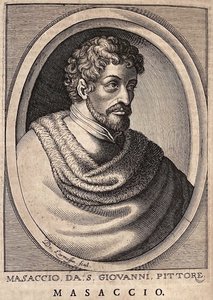
tommaso di ser giovanni di mone cassai
1401 - 1428 , Italy
Quick Facts
- Artistic Movement Or Style: Early Renaissance, Quattrocento
- Artists Or Movements Influenced By This Artist:
- Paolo Uccello
- Andrea Mantegna
- Artists Who Influenced This Artist:
- Giotto
- Filippo Brunelleschi
- Date Of Birth: December 21, 1401
- Date Of Death: Autumn 1428
- Full Name: Tommaso di Ser Giovanni di Mone Cassai
- Nationality: Italian
- Notable Artworks:
- San Giovenale Triptych
- Virgin and Child with St Anne
- Holy Trinity
- Expulsion of Adam and Eve
- Place Of Birth: Florence, Italy

