 Preview
 Send
Send Share
Share
 Details

 Download
 Similars
 X-Ray
X-Ray Diaporama
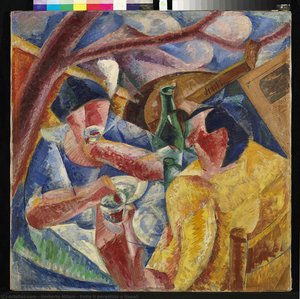
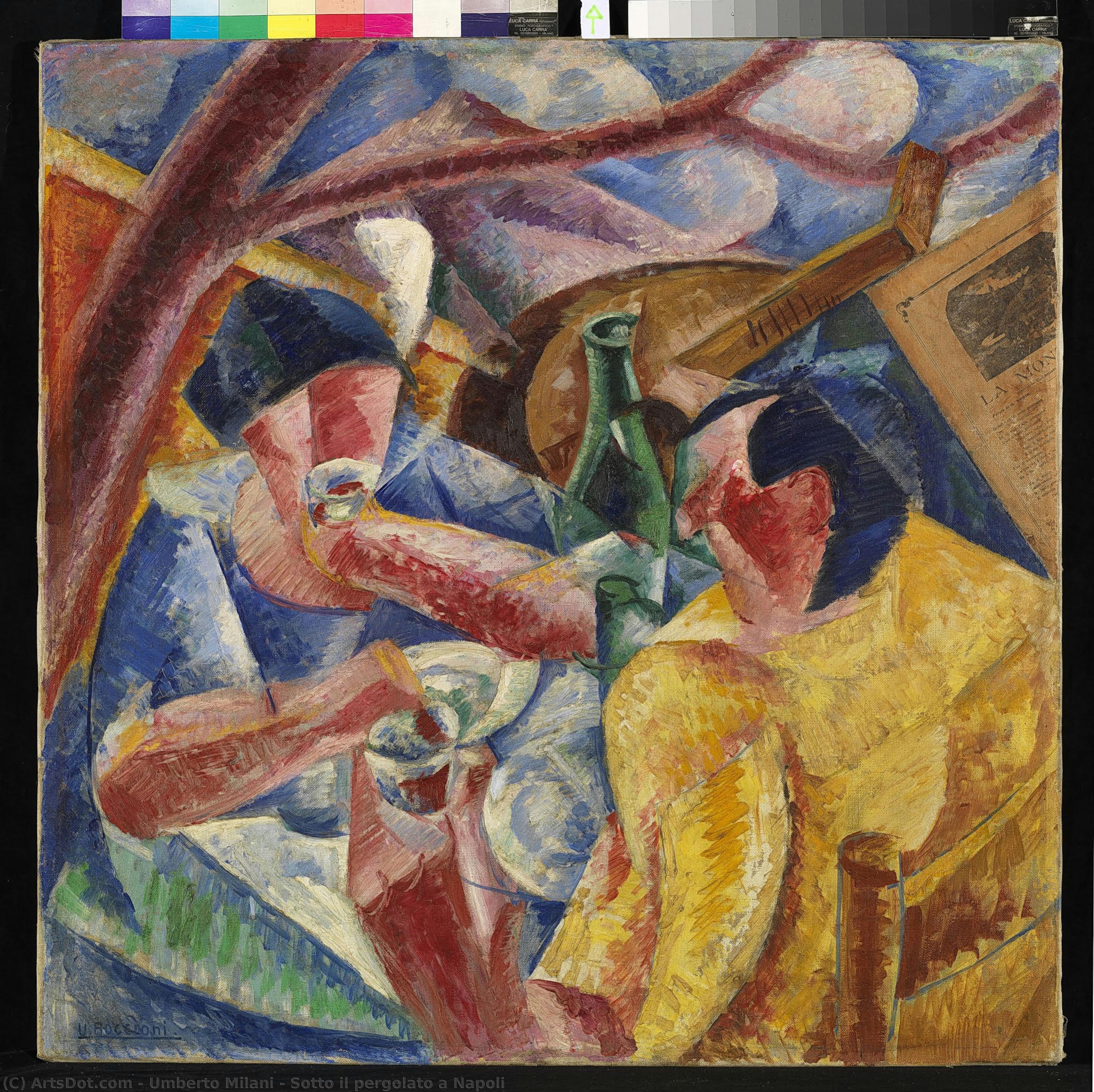
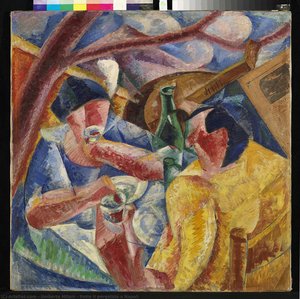
Sotto il pergolato a Napoli
 Oil
Oil- WallArt
 1914
1914- Modern
 83.0 x 83.0 cm
 Museo del Novecento
 Read More
Giclée / Art Print
Museum-quality giclée or canvas print with fast production and flexible finish options. ( Buy Hand Made Painting Buy Image)




P118B $10

P118H $10

P118W $10

P438Z $10

P508JH $12

P508YH $12

P805H $10

P805Z $10

P919BZ $10

P919G $10

P919XJ $10

P959ZH $10

P968JZ $12

W106C $8

W218G $10

W218JH $8

W218Y $10

W307PJ $10

W316G $10

W316PJ $8

W316Y $10

W398PJ $8

W4111J $10

W500HY $15

W500JH $15

W692G $12

W849H $8

W940BG $15

W953PJ $8




Pick from our preset sizes that match the artwork's original proportions.

You may enter your own dimensions to fit a specific frame or space. If your selected size does not match the original image's proportions, we will either crop the artwork or extend the image with a mirrored or solid-fill edge. A digital mockup will be sent for your approval before production begins.
Please note that the on-screen preview does not reflect the actual cropping or extension. Only the mockup will accurately show the final composition.
While custom sizes are available, we recommend selecting a dimension from the predefined list to preserve the original proportions.
Worldwide Delivery () in 2 weeks instead of standard 4/5 weeks. (28 August)

Free Worldwide Express Shipping

High-Quality Linen Canvas

Full Shipping Insurance

Customs Tax Refund Guarantee

True Color Matching Guarantee

60-Day Return Policy (Defects Only)

100% Money-Back Guarantee

Bulk Discount Offer
 Glass option is only available in size under 110 CM

Sotto il pergolato a Napoli
Giclée / Art Print
Reproduction Size
-


Total Price
$ 63
A Sun-Drenched Moment in Naples
In the vibrant tapestry of early twentieth-century Italian art, few scenes capture the essence of Mediterranean leisure as intimately as Umberto Milani’s Sotto il pergolato a Napoli. Painted in 1914, this evocative masterpiece transports the viewer to a shaded corner of Naples, where the warmth of the sun meets the cool respite of a vine-covered trellis. The composition centers on a quiet, shared moment between two figures seated at a rustic table, their presence anchored by the simple pleasures of wine and companionship. As the man tilts his glass, lost in the sensory delight of the vintage, the woman gazes outward, her contemplative expression adding a layer of psychological depth to the scene. It is a painting that does not merely depict a social gathering; it captures the very breath of a summer afternoon, frozen in time.
The technique employed by Milani in this work reflects a masterful command of light and color, characteristic of an artist deeply influenced by the dynamic energy of his era. Through a rich, painterly application, he builds a world where the textures of glass, ceramic, and fruit feel almost tactile. The scattered bottles and the bowl resting upon the table are not merely still-life elements; they serve as rhythmic accents that guide the eye across the canvas, creating a sense of lived-in spontaneity. The interplay of light filtering through the pergola creates a dappled effect, casting soft shadows that lend the scene a dreamlike, Impressionistic quality, inviting the viewer to step into the shade and join the conversation.
Symbolism and the Spirit of Connection
Beyond its surface beauty, Sotto il pergolato a Napoli resonates with profound themes of connection and the ephemeral nature of joy. The pergola itself acts as a symbolic sanctuary, a sheltered space where the outside world fades away, leaving only the immediate intimacy of the subjects. The presence of wine—a universal symbol of conviviality and life force—serves to ground the painting in a sense of earthly celebration. Yet, there is a subtle tension in the figures' divergent gazes; while one is immersed in the physical sensation of drinking, the other looks toward the horizon, perhaps reflecting the quiet introspection that often accompanies moments of peace. This duality between presence and longing gives the artwork an emotional resonance that transcends its historical period.
For the discerning collector or interior designer, this piece offers more than just a window into Neapolitan history; it provides a sophisticated focal point for any curated space. The warm palette and the nostalgic atmosphere make it an ideal addition to rooms designed for relaxation and conversation, such as dining halls or sunlit lounges. As a high-quality reproduction, the painting retains the soulful brushwork and the luminous depth of the original, allowing the spirit of Milani’s vision to breathe new life into contemporary interiors. It is an invitation to celebrate the beauty of the mundane and to find art in the quiet, sun-drenched intervals of our own lives.
Related Artworks



Artist Biography
The Soul in Bronze and Brush: The Life of Umberto Milani
To encounter the work of Umberto Milani is to step into a profound dialogue between the scars of history and the resilience of the human spirit. Born in Naples, Milani’s early existence was shadowed by the heavy mantle of loss; the death of his father, a veteran of the Great War, left him an orphan amidst the echoes of conflict. This foundational trauma did not merely shape his biography but became the very marrow of his artistic identity. His formative years at the Accademia di Anima di Belle Arti Napoli allowed him to refine a sensibility that was simultaneously anchored in classical tradition and hungry for the radical shifts of modernity. He moved through the art world not just as an observer, but as a witness, absorbing the kinetic energy of Futurism—specifically the rhythmic, explosive movement found in the works of Umberto Boccioni—and the psychological depths offered by Surrealism.
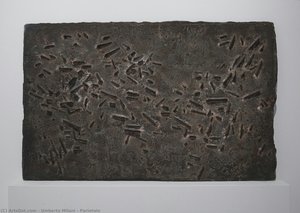
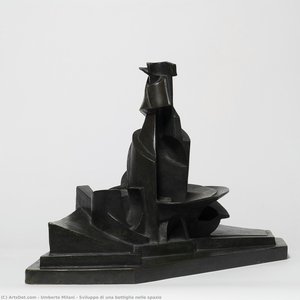
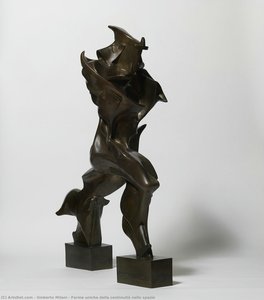
Milani’s creative evolution was marked by an extraordinary ability to translate intangible emotions into tangible forms. In his sculptural breakthroughs, such as the monumental Forme unique della continuità nello spazio completed in 1938, he achieved a masterful synthesis of space and motion. This work, while echoing Boccioni’s aesthetic principles, infused the bronze with a unique preoccupation with the fleeting nature of experience. His sculptures often presented human figures that were intentionally fragmented or distorted, serving as visceral metaphors for vulnerability and the psychological complexities of a world caught in the throes of upheaval. Through his hands, metal became a medium for expressing the fractured psyche of an era.
Resilience Amidst Shadows and Censorship
The mid-twentieth century presented profound challenges to Milani’s artistic integrity. Living under the oppressive weight of Fascist rule, he found himself at odds with the prevailing political climate due to his staunch pacifist convictions and his refusal to remain silent against the regime of Mussolini. This period of censorship did not stifle his creativity but rather forced it into more subtle, subversive channels. Throughout the Second World War, Milani continued to produce works that acted as quiet acts of defiance, embedding messages of humanistic resilience within his compositions. His art became a sanctuary for the truths that could not be spoken aloud, utilizing abstraction and texture to convey a sense of enduring strength.
Beyond the heavy themes of war and trauma, Milani possessed a remarkable capacity for capturing the luminous, ephemeral beauty of Mediterranean life. In paintings such as Sotto il pergolato a Napoli, he demonstrated a masterful command of light and color, transporting viewers to sun-drenched corners of his native Naples. These works offer a breathtaking contrast to his more somber sculptures, showcasing an Impressionistic quality where the warmth of the sun meets the cool shade of a vine-covered trellis. In these moments, Milani captures the simple, profound joys of companionship and leisure, proving that his artistic vision was as much about celebrating life's light as it was about mourning its shadows.
Legacy and Artistic Contributions
The historical significance of Umberto Milani lies in his ability to bridge the gap between disparate movements and emotional states. He was a pivotal figure in the Italian avant-garde, notably co-founding the "Gruppo dei dieci" alongside artists such as Giuseppe Scalvini and F. Sebastiani. His presence in major international exhibitions—from the Exposition universelle et internationale in Paris to the prestigious Biennale di Venezia—cemented his reputation as a vital voice in modern Italian art. His contributions were recognized by masters of design and curation, such as Carlo Scarpa, who helped curate dedicated spaces for his work at the Venice Biennale.
Today, Milani’s oeuvre remains a testament to the power of art to process collective grief and celebrate individual endurance. His legacy is defined by several key artistic pillars:
- The Synthesis of Movement: His ability to merge the dynamic energy of Futurism with the introspective depth of Surrealism.
- Humanist Expression: A lifelong commitment to exploring themes of vulnerability, trauma, and the human condition through fragmented forms.
- Technical Versatility: An extraordinary range that spanned from monumental bronze sculpture to textured, abstract expressionist painting and mixed-media collage.
- Cultural Witness: The use of art as a tool for pacifism and a subtle critique of political oppression during the Fascist era.
Through his mastery of both the heavy weight of bronze and the delicate interplay of light on canvas, Umberto Milani remains an essential figure for anyone seeking to understand the complex, beautiful, and often turbulent heart of twentieth-century Italian art.
Quick Facts
- Artistic Movement Or Style: Expressionism
- Artists Or Movements Influenced By This Artist: ['Abstract Expressionism']
- Artists Who Influenced This Artist: ['Pablo Picasso']
- Date Of Birth: 1928
- Date Of Death: Living
- Full Name: Umberto Milani
- Nationality: Italian
- Notable Artworks:
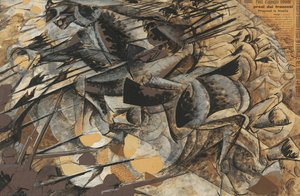
- Carica di Lancieri
- Forme uniche della continuità nello spazio
- Place Of Birth: Naples
Related Articles

Impressionism's Masterpieces: 10 Paintings That Defined a Movement | ArtsDot
Journey through Impressionism's heart with 10 iconic paintings by Monet, Renoir & Degas. Explore light, color & the stories behind these masterpieces. Find museum-quality art reproductions and elevate your home decor on ArtsDot.com.
Cultivating Ambiance: Selecting Art Reproductions for the Dining Room – A Historical & Aesthetic Guide
Elevate your dining room with expertly curated art reproductions! Explore historical context, aesthetic considerations & modern applications for a captivating space. Discover the perfect artwork to inspire conversation and enhance every meal.
Aesthetic Gastronomy: The Role of Curated Art Collections in Shaping Perceptions of Michelin-Starred Dining Experiences
Discover how curated art collections elevate Michelin-starred dining experiences. Expert insights on sensory branding, emotional intelligence & ROI for luxury restaurants and hotels. Transform your space with ArtsDot.

The Palate and the Palette: Exploring the Psychological Impact of Visual Design on Dining Perception and Appetite
Explore the science of dining! Discover how visual design impacts appetite & perception. Expert insights for hotel designers & restaurateurs to elevate the customer experience.
Beyond Light & Color: Impressionism vs. Post-Impressionism for the Discerning Collector
Explore the nuances of Impressionism & Post-Impressionism with . Expert insights for collectors on style, investment, and acquiring museum-quality reproductions.